Mon-Sut | 09:00 - 19:00


Find

Contact us

Kyiv
18 Teplovozna Street (Poznyaki)
 Мережа СТО в місті

Kyiv
18 Teplovozna Street (Poznyaki)
 Мережа СТО в місті

 Години роботи
 Mon-Sut
09:00 - 19:00


Why Your Car Battery Dies in Summer: How to Check the Alternator and Find a Hidden Power Drain
A hot summer morning, you turn the key in the ignition, and the engine refuses to start. The starter barely turns the crankshaft or remains completely silent. Most drivers associate this problem only with freezing winter temperatures, so they are often surprised when the battery dies in summer. In reality, high temperatures can also reduce battery life. In addition, the warm season often exposes charging system faults or hidden electrical loads that slowly drain the battery without being noticed.
Why Hot Weather Accelerates Battery Aging
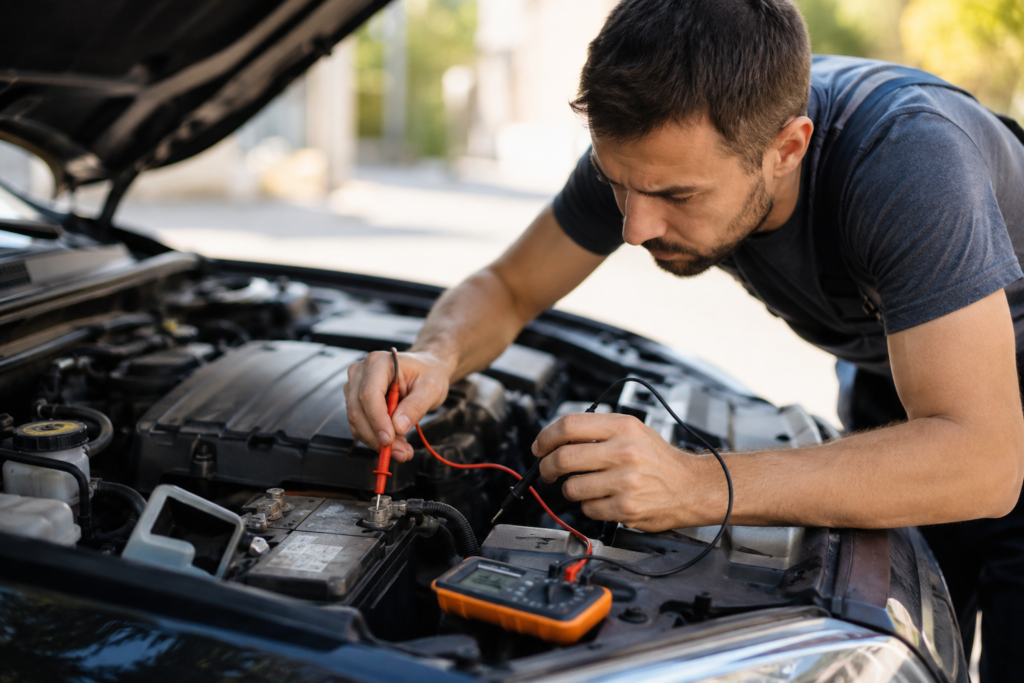
After a long drive, the temperature under the hood can easily exceed +50 °C. Under these conditions, the chemical reactions inside the battery occur much faster. Distilled water evaporates from the electrolyte more rapidly, changing its concentration while causing the battery plates to overheat beyond their normal operating conditions.
Another common issue is chronic undercharging. If the battery constantly receives insufficient charging current, lead sulfate crystals begin forming on the battery plates. These crystals reduce the active surface area, causing the battery capacity to gradually decline. The symptoms are simple: the engine becomes increasingly difficult to start, even though everything worked perfectly just a few weeks earlier.
Is the Alternator Charging Properly
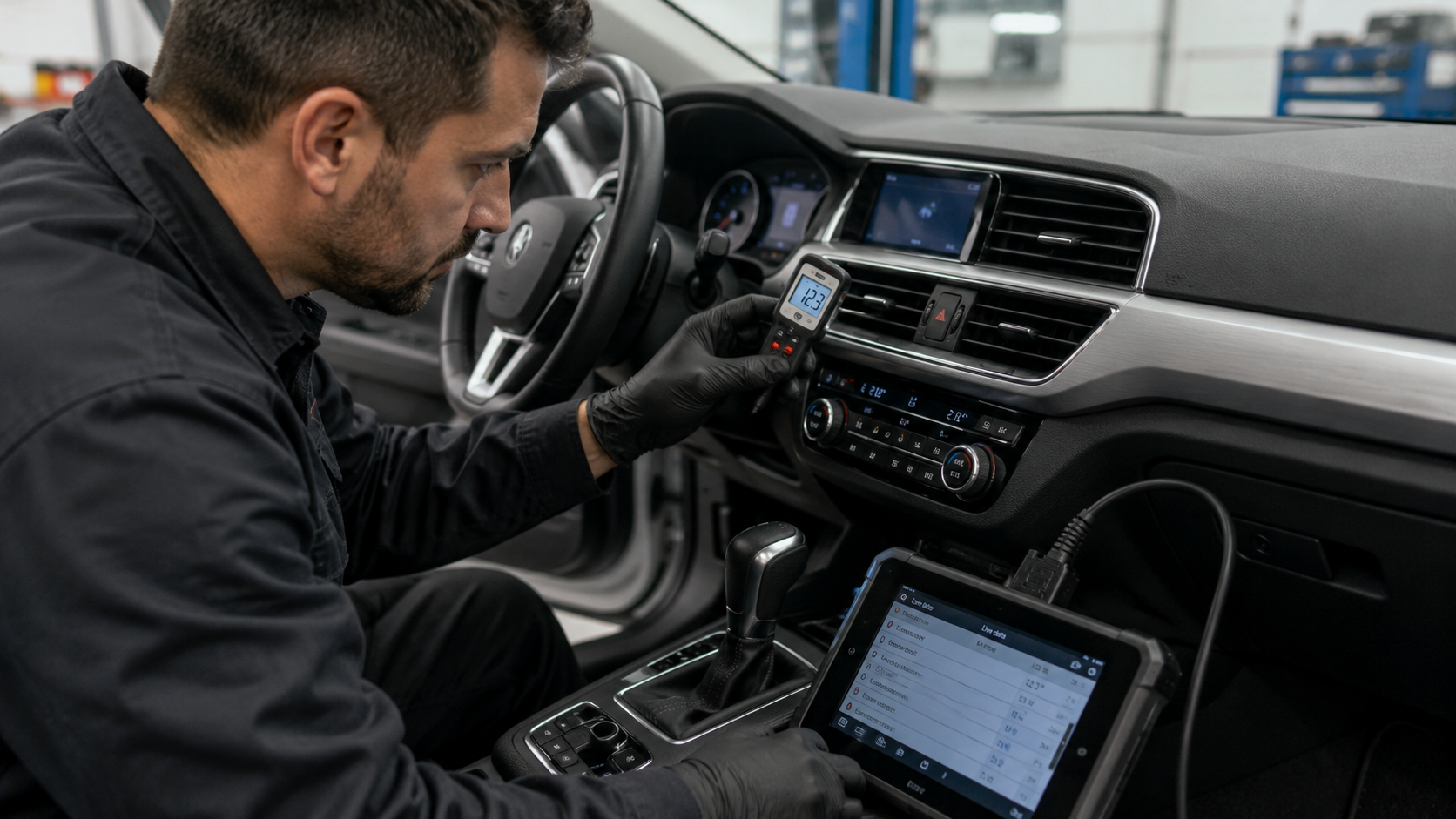
Charging system diagnostics begin by measuring the battery voltage with a multimeter after starting the engine. In most modern vehicles, the voltage should be between 13.8 and 14.5 V.
Next, the air conditioner, low beam headlights, cabin fan, rear window defroster, and other major electrical consumers are switched on. The alternator voltage under load should not drop sharply or fluctuate unexpectedly. If the readings fall outside the acceptable range, the alternator brushes, voltage regulator, and diode bridge should be inspected.
Worn brushes reduce contact with the rotor slip rings, decreasing charging current. A faulty voltage regulator may either undercharge the battery or supply excessive voltage, both of which shorten battery life. If the diode bridge is damaged, the alternator loses its ability to generate stable electrical current and, in some cases, may even become a source of battery discharge itself.
These procedures are all included in a professional alternator inspection in Kyiv because measuring voltage without electrical load is not enough to accurately diagnose the charging system.
When the Battery Still Loses Power Despite Proper Charging
Sometimes the charging system works correctly, yet the engine still refuses to start the following morning. If the battery discharges overnight, the vehicle’s parasitic current draw should be measured.
After the ignition is switched off, the electronic control modules do not enter sleep mode immediately. They require several minutes before reaching standby mode. Only then can accurate measurements be taken. For most vehicles, parasitic current should not exceed 0.05 A. A higher reading indicates that one of the electrical circuits continues consuming power unnecessarily.
Possible causes include:
• an aftermarket security alarm;
• the radio or another aftermarket multimedia device;
• a glove box or trunk light that remains on;
• a stuck relay;
• a faulty electronic control module.
How Hidden Current Drain Is Found
To identify a parasitic battery drain, an automotive electrician connects a multimeter in series with the battery and measures current consumption after all electronic systems have entered standby mode.
The fuses are then removed one by one. If the current drops significantly after removing a particular fuse, the fault is located within that electrical circuit. This method quickly identifies whether the problem comes from the alarm system, radio, lighting circuit, or another hidden electrical consumer without disassembling the entire vehicle wiring harness.
Why a New Battery Does Not Always Solve the Problem
Replacing the battery without checking the electrical system often only delays the return of the same problem. If a faulty voltage regulator, damaged diode bridge, or hidden parasitic drain remains unresolved, the new battery will operate under the same unfavorable conditions and quickly lose its service life as well.
A much more effective solution is to first identify the real source of the power loss before deciding whether the battery actually needs replacement. In many cases, repairing the alternator or fixing the vehicle’s electrical system restores proper charging performance, allowing the battery to operate reliably for many more years.
Top popular news
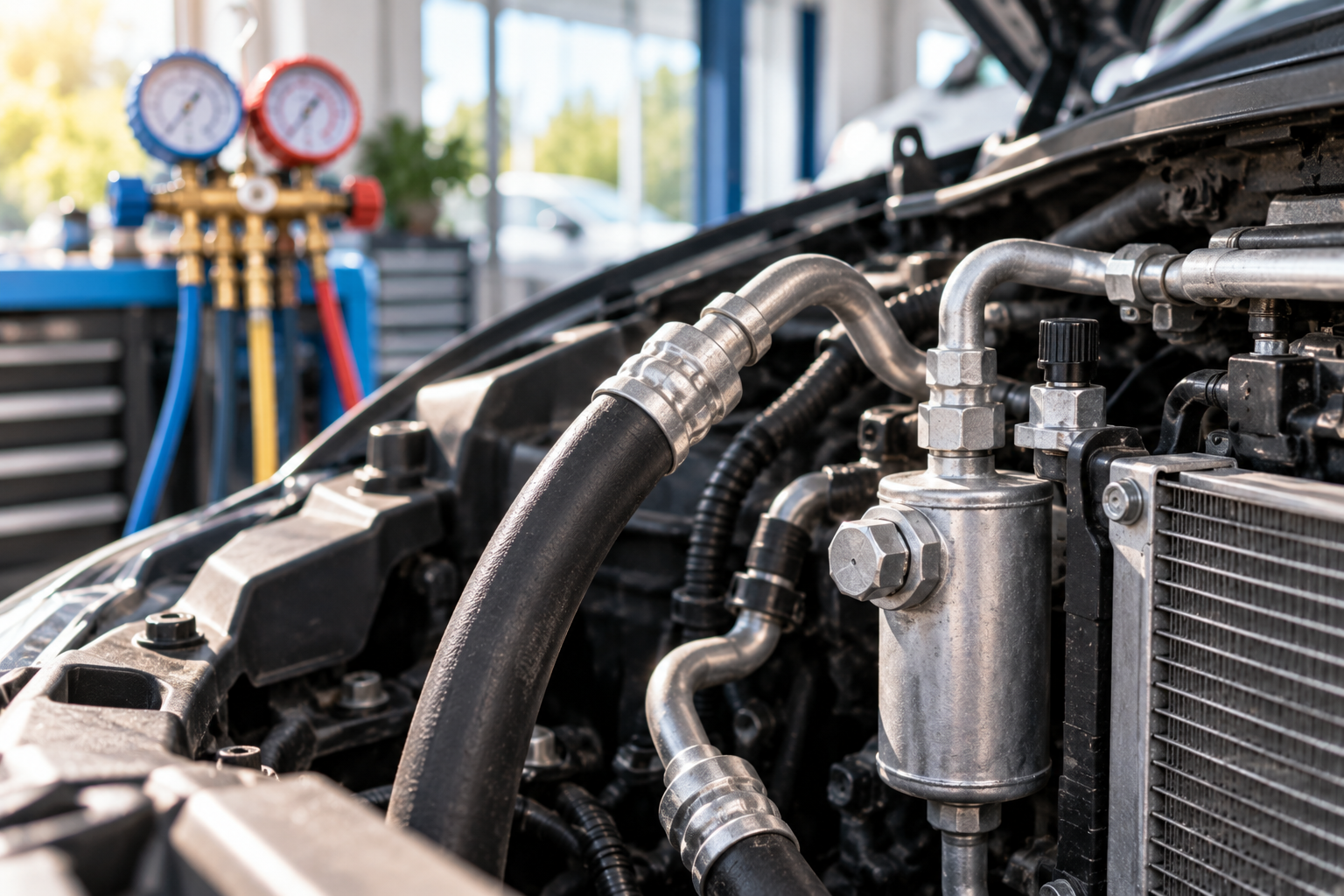
- Air Conditioner Losing Refrigerant Without Visible Damage: Causes and Solutions
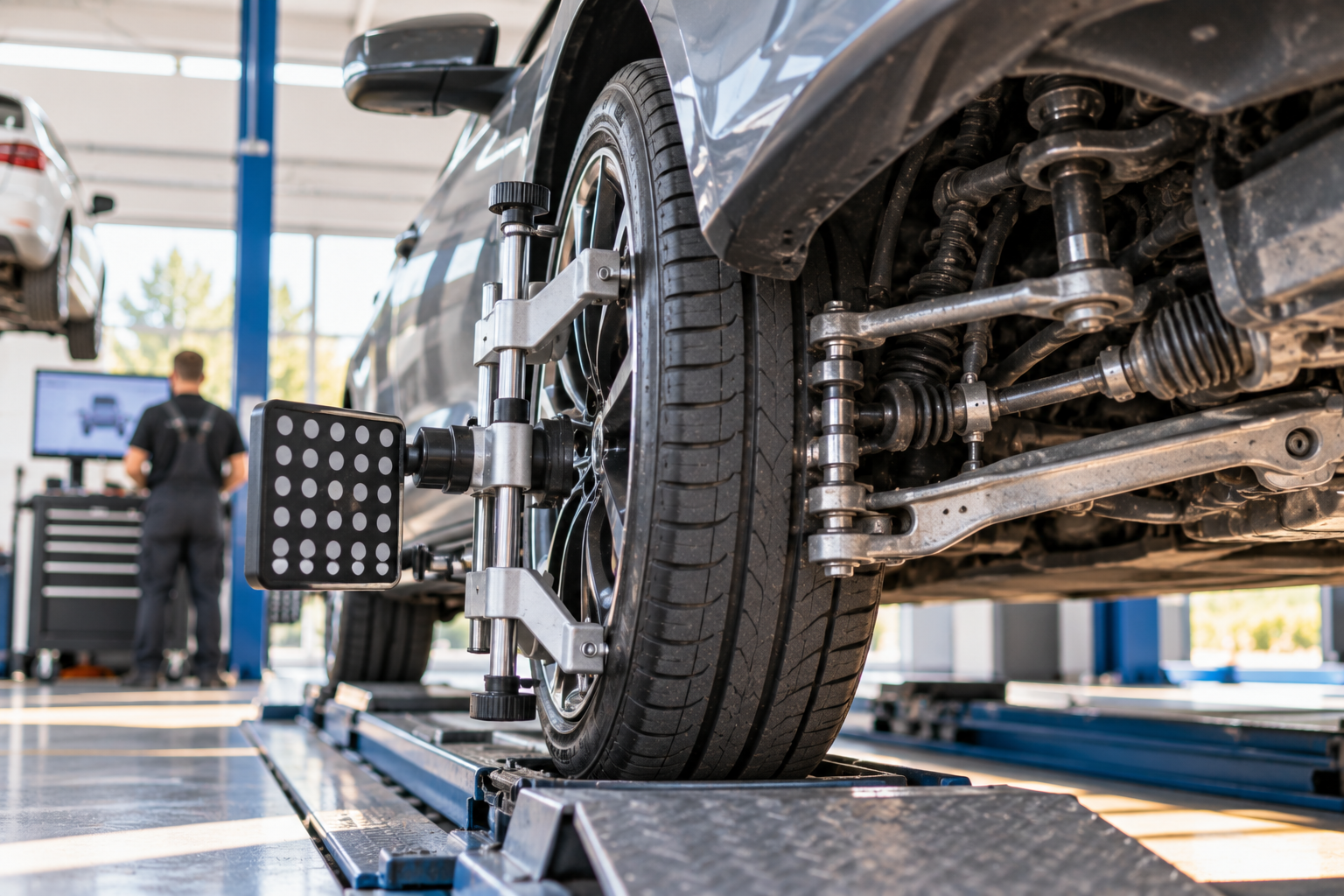
- Why Wheel Alignment Goes Out After Adjustment: It Is Not Always the Alignment Rack
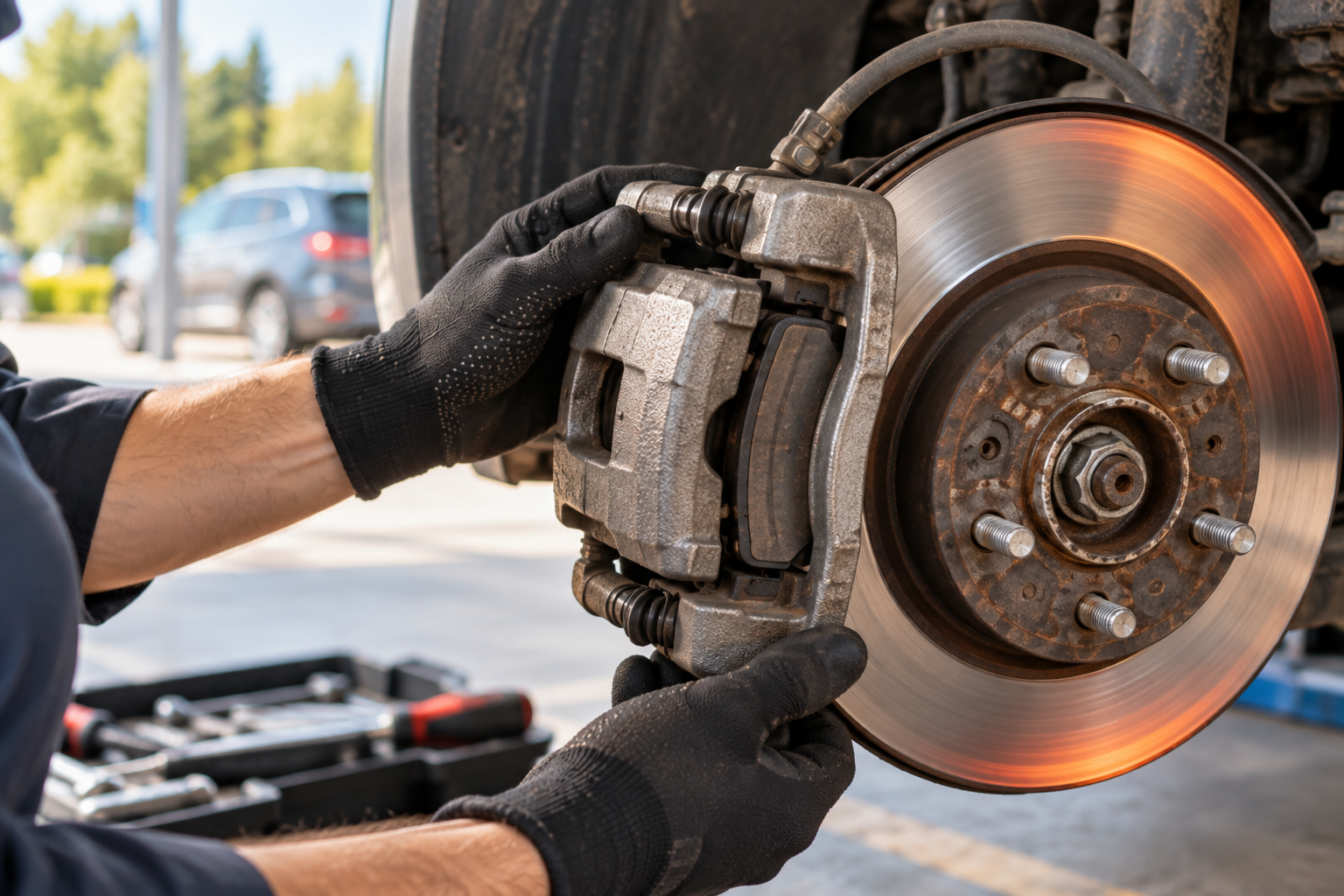
- Seized Brake Caliper: Symptoms, Causes, and Repair
- Changing the Oil in an AWD Differential: Why This Component Is Often Forgotten
- Check Engine Light Flashing: What the Signal Means and Why You Should Not Ignore It
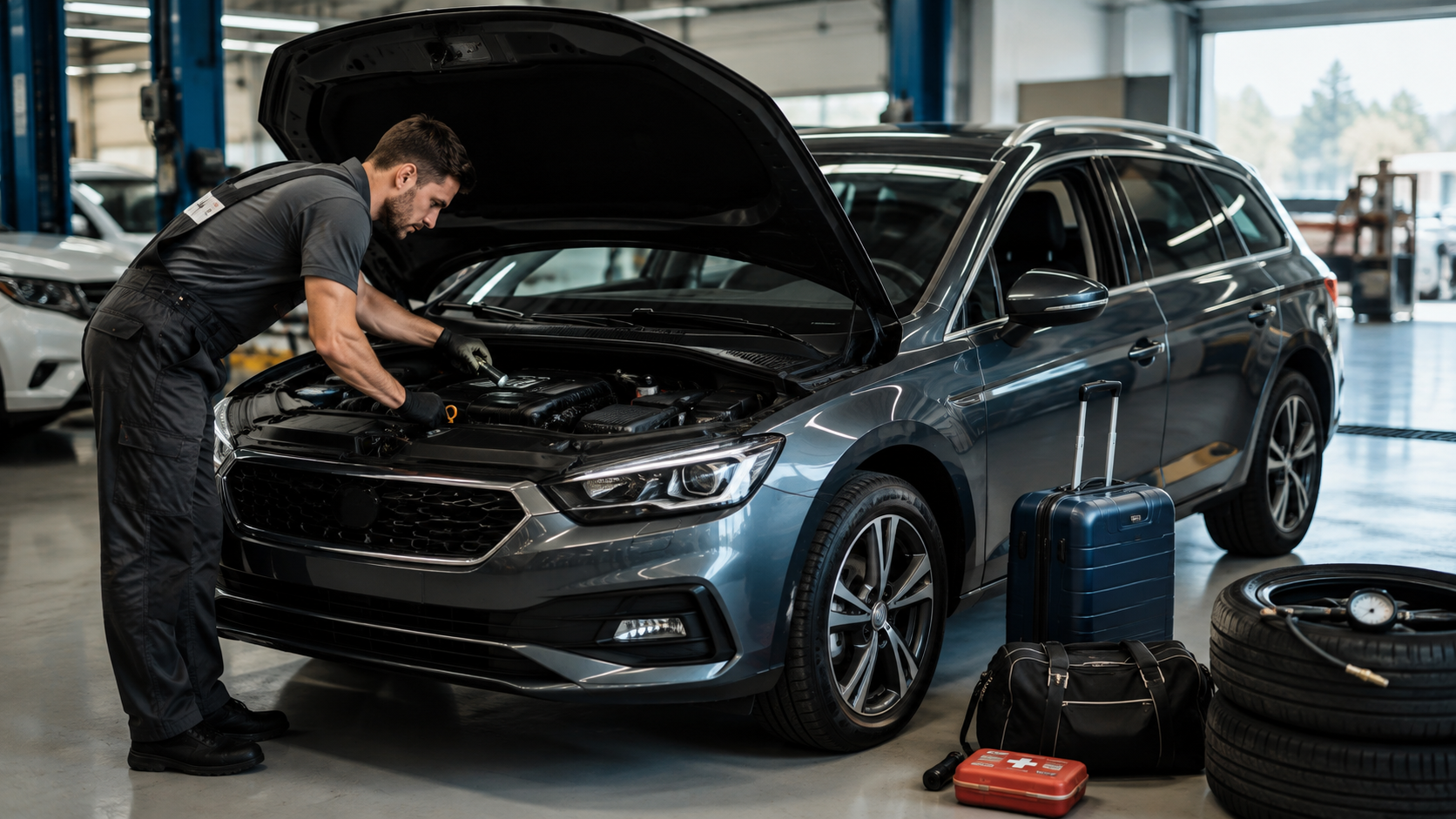
- Preparing a car for a long trip: checklist before departure
- Oil leaking from the valve cover: causes of seepage and finding the source of the problem
- Automatic climate control does not maintain the set temperature: where to look for the cause

Subscribe to our newsletter!
To stay updated with the latest news


Book a service