Mon-Fri | 08:00 - 20:00


Find

Contact us

Kyiv
46 Kyrylivska St. (Podil)
 Мережа СТО в місті

Kyiv
46 Kyrylivska St. (Podil)
 Мережа СТО в місті

 Години роботи
 Mon-Fri
08:00 - 20:00
Preparing a car for a long trip: checklist before departure
A long journey requires more than route planning, accommodation bookings, and packing. The technical condition of the vehicle has a direct impact on safety, comfort, and predictability on the road. Even a minor fault that would be easy to fix in the city can become a serious problem far from populated areas.
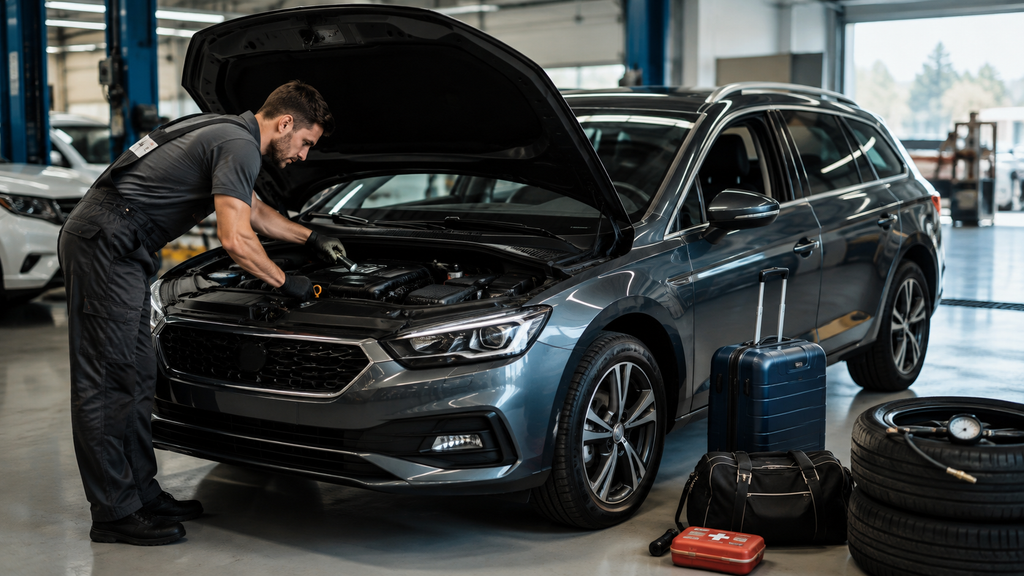
A long-trip vehicle preparation checklist helps you inspect the main systems in a logical order and assess whether the vehicle is ready for prolonged load.
Before departure, attention should be paid to:
- fluid levels before the trip, including engine oil, coolant, and brake fluid;
- tyre condition and the availability of a spare wheel;
- braking-system operation;
- the condition of drive belts;
- the engine cooling system;
- the battery and electrical equipment;
- suspension and running-gear components.
This inspection helps identify potential problems before the journey begins and prepares the vehicle for the loads associated with prolonged operation.
Why checking only oil and tyres is not enough before a trip
The advice to check oil and tyre pressure is correct, but it covers only the basic part of preparation. During a long journey, the vehicle operates continuously for much longer than in normal city use, so weak points may appear after several hours of driving.
For example, a low coolant level can lead to engine overheating. A damaged drive belt can affect the alternator and other auxiliary units.
A complete pre-trip inspection should assess not only what can be seen under the bonnet but also the systems responsible for keeping the vehicle stable and reliable over hundreds of kilometres.
Components whose failure creates the greatest difficulties on the road
Some vehicle components are critical because a failure far from a city may cause an unscheduled stop or require difficult repairs.
Particular attention should be paid to:
- the braking system;
- the engine cooling system;
- the alternator / accessory drive belt;
- the battery;
- the suspension and running gear.
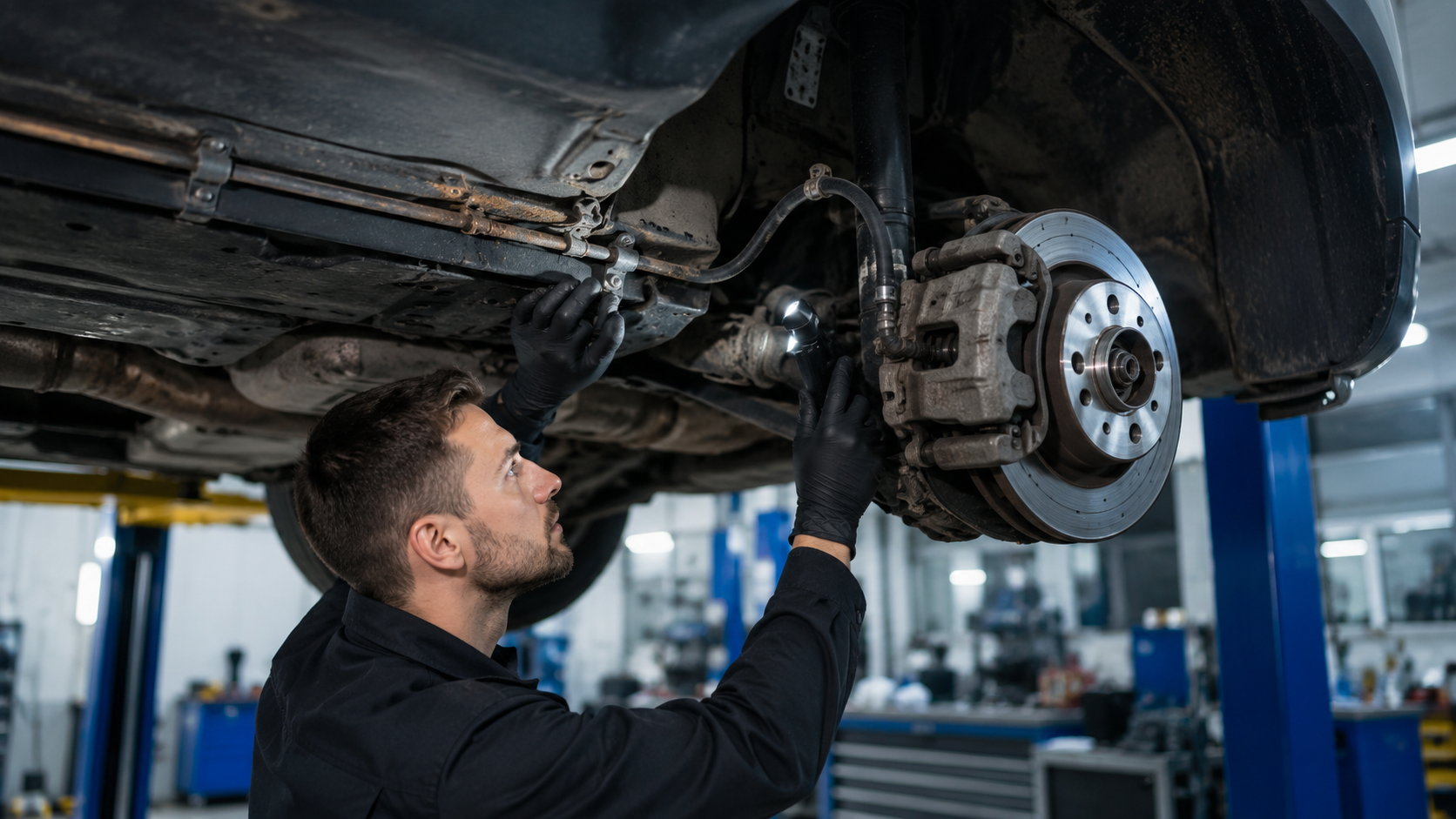
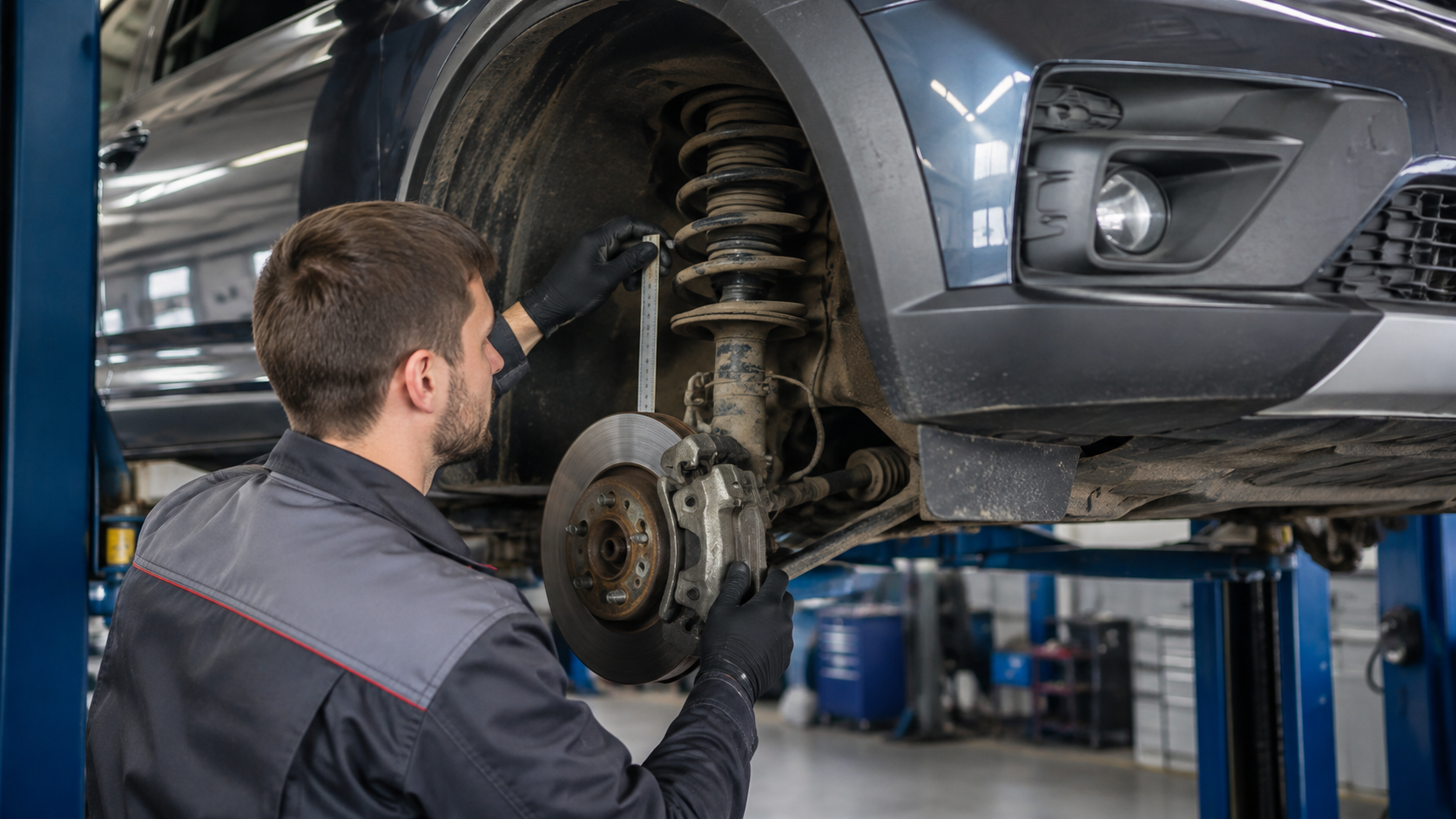
The brakes operate under significant load while driving, so before a trip it is worth checking the remaining brake-pad thickness, disc condition, and the absence of unusual noises.
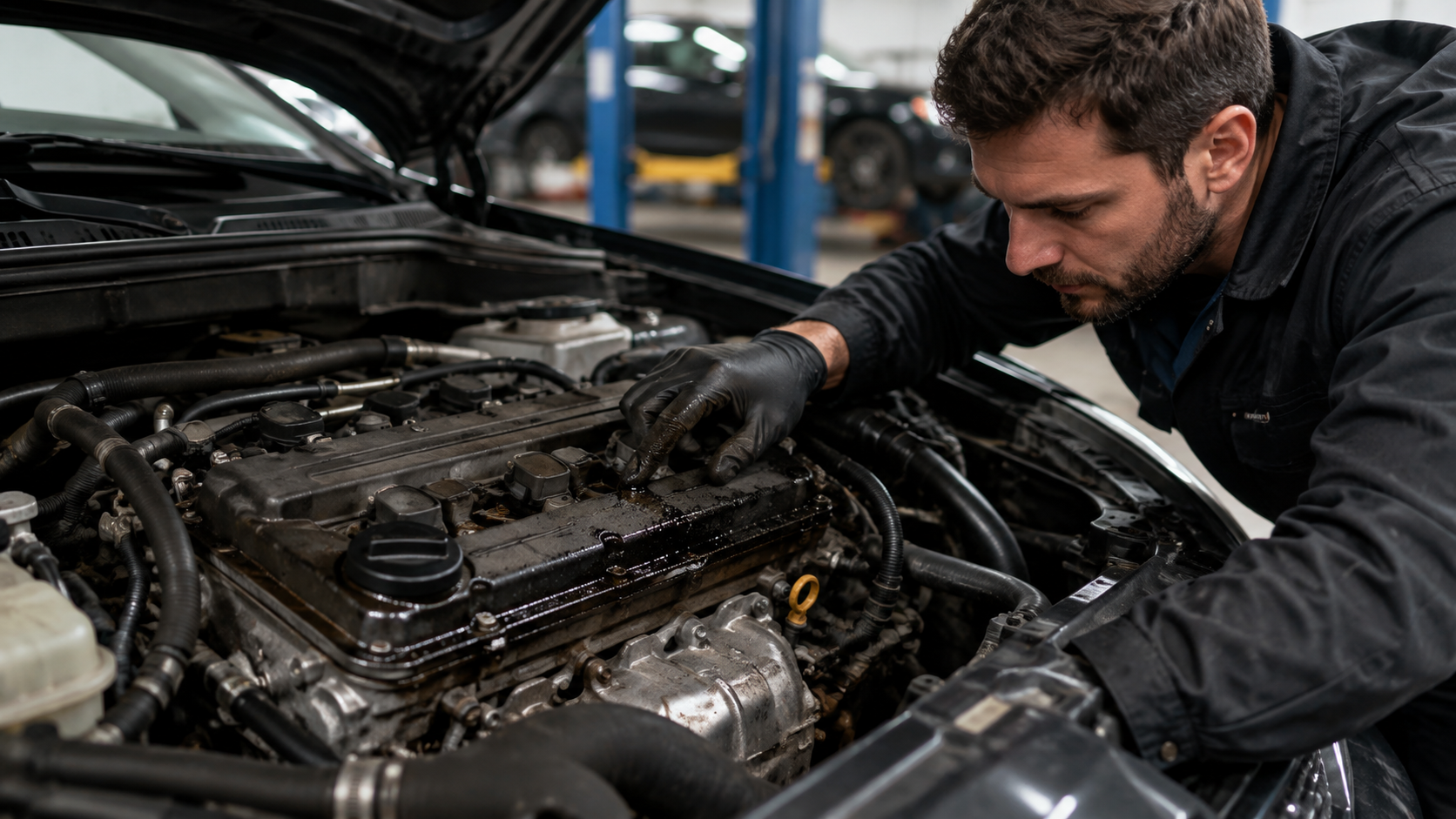
The cooling system maintains a stable engine temperature. Checking the coolant level helps reveal possible coolant loss or a leak in the circuit.
Drive components should also be inspected. Cracks, scuffing, or visible belt wear may indicate that replacement is needed before the journey begins.
What you can check yourself without a vehicle lift
Part of the inspection can be carried out without special equipment. It takes little time but can reveal obvious faults.
What to check yourself before a car journey:
- engine oil level;
- coolant and brake-fluid levels;
- tyre condition;
- tread damage;
- operation of headlights, brake lights, and turn indicators;
- availability of a spare wheel or puncture repair kit;
- the external condition of the battery and terminals.
Particular attention should be paid to tyre pressure before a long journey. Incorrect pressure affects handling, fuel consumption, and even tyre wear.
Before departure, the spare wheel or puncture repair kit should also be checked. A tyre problem far from a service facility can cause significant inconvenience.
What should be entrusted to a workshop before a long trip
A visual check at home cannot fully assess components with limited access. Before travelling out of town or abroad, it is worth arranging a pre-holiday vehicle inspection at a workshop.
During professional diagnostics, technicians check:
- the condition of the running gear;
- play in joints and connections;
- braking-system operation;
- suspension condition;
- the sealing of components;
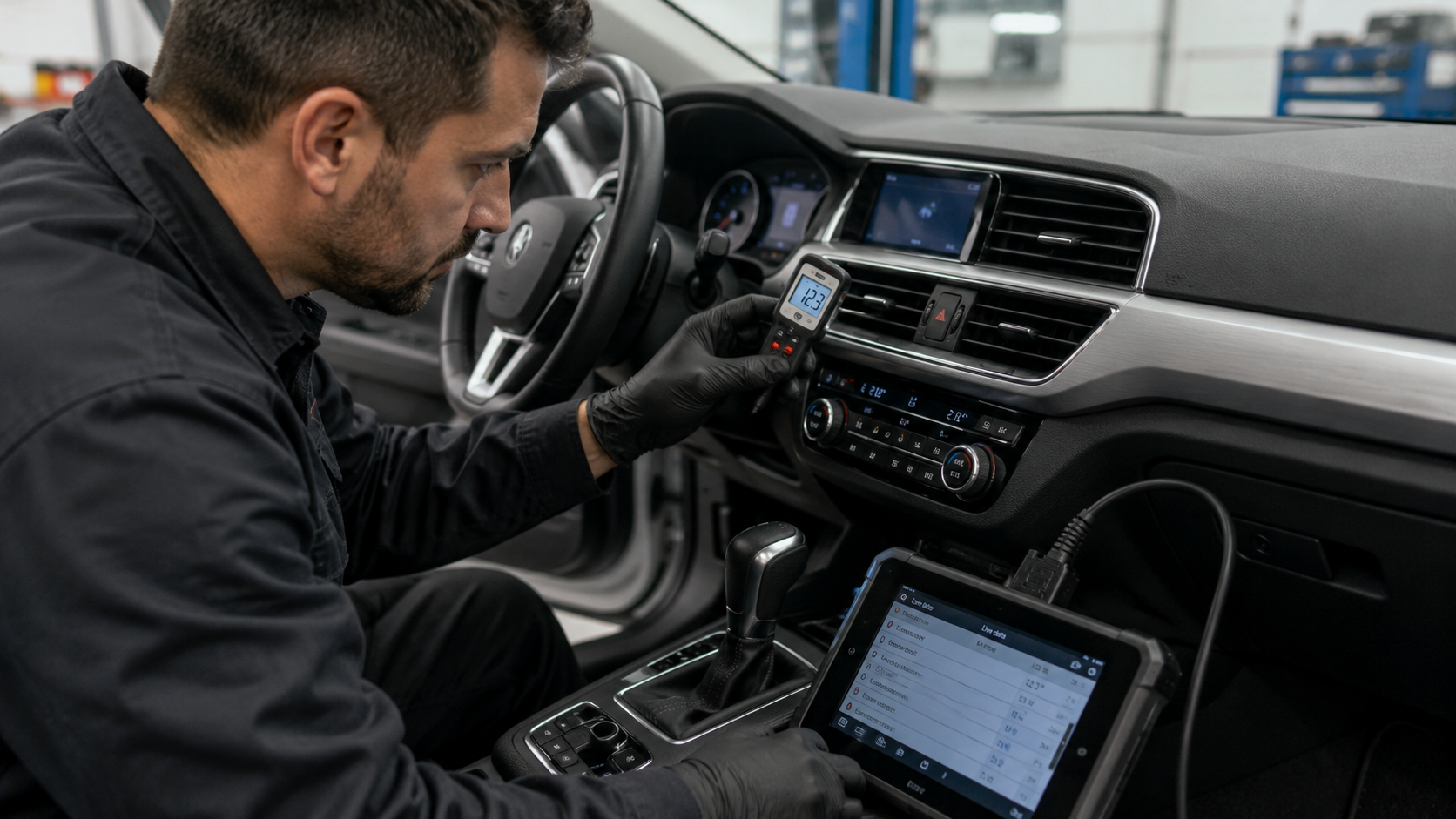
- the vehicle charging system.
Running-gear diagnostics before departure can reveal worn parts that do not yet cause serious problems in everyday use but may become noticeable under prolonged load.
It is also worth assessing the battery condition, because a weak battery can cause starting problems and affect electrical equipment.
The minimum emergency kit worth carrying on the road
Even after a thorough vehicle inspection, it is unwise to travel without a basic emergency kit. Some problems occur unexpectedly, and being prepared makes them easier to deal with.
Useful items include:
- an emergency road kit;
- a warning triangle;
- a reflective vest;
- a flashlight;
- gloves;
- a phone charger;
- jump leads;
- a basic tool kit;
- a first-aid kit;
- a supply of drinking water.
This kit does not take up much space but can be useful in unexpected situations far from populated areas.
Preparing a vehicle for a long journey involves more than checking oil and tyres. A comprehensive inspection of the main systems helps assess readiness for a long route and reduces the risk of unexpected faults.
The right pre-departure approach not only helps avoid problems on the road but also identifies in advance any parts that need maintenance or replacement.
Top popular news
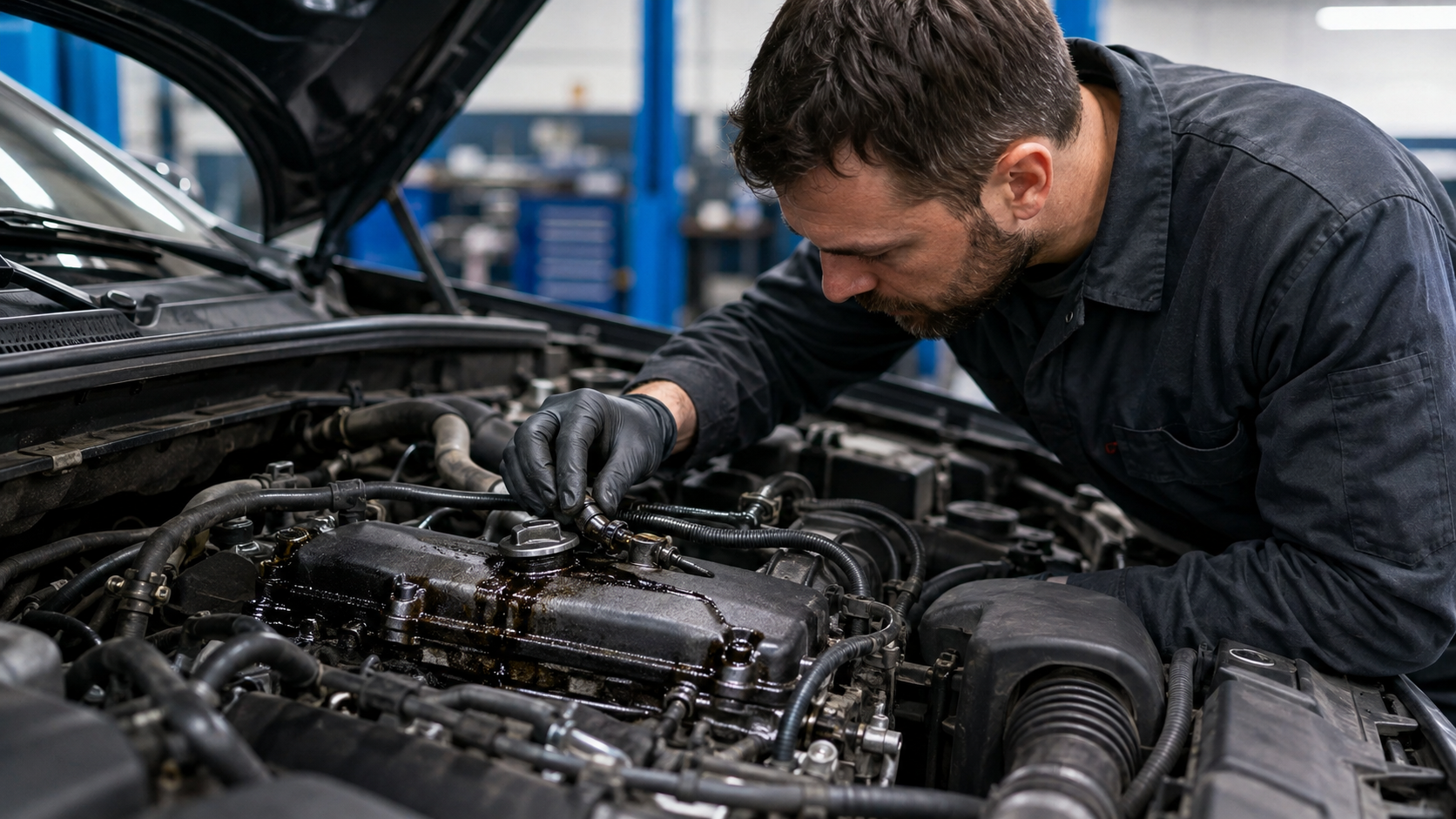
- Oil leaking from the valve cover: causes of seepage and finding the source of the problem
- Automatic climate control does not maintain the set temperature: where to look for the cause
- Brake pipes and hoses: different designs with different risks
- Suspension spring sagging: gradual loss of performance without an obvious failure
- PCV crankcase ventilation valve: why a fault leads to oil leaks
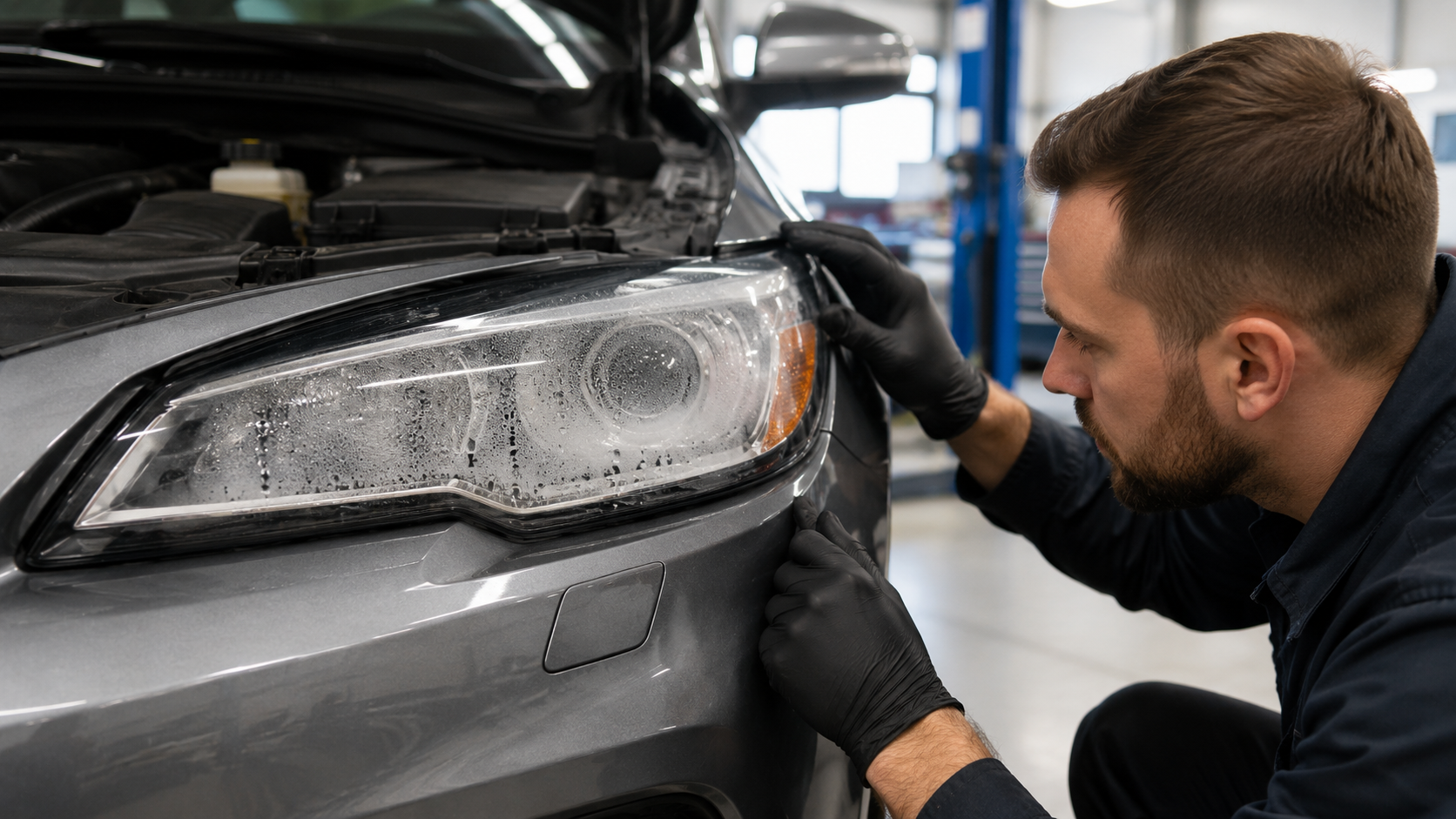
- Headlights fogging from the inside: normal condensation or a sign of housing damage
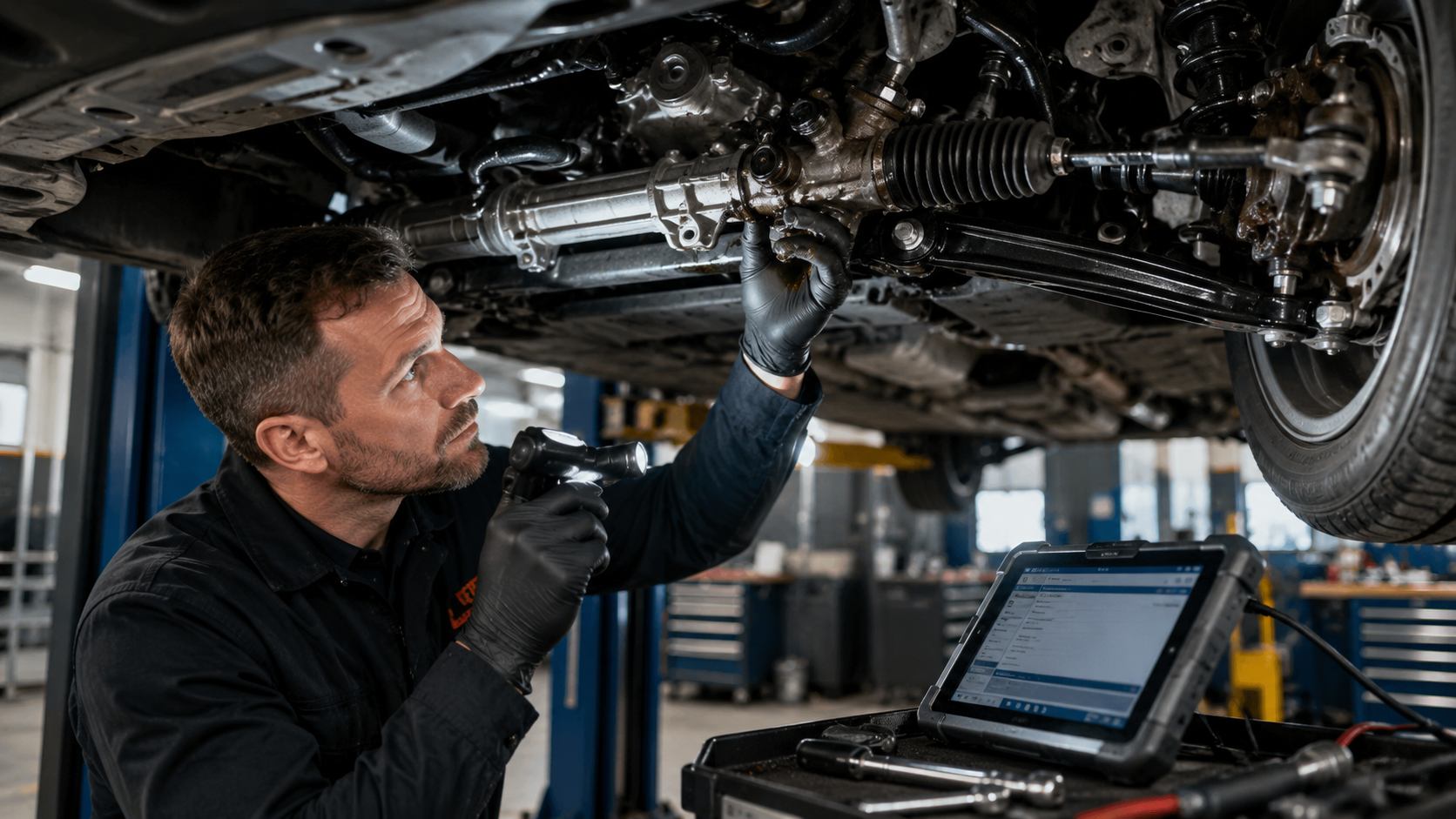
- Steering rack: hydraulic leak or electric power-steering fault – how the problem is diagnosed
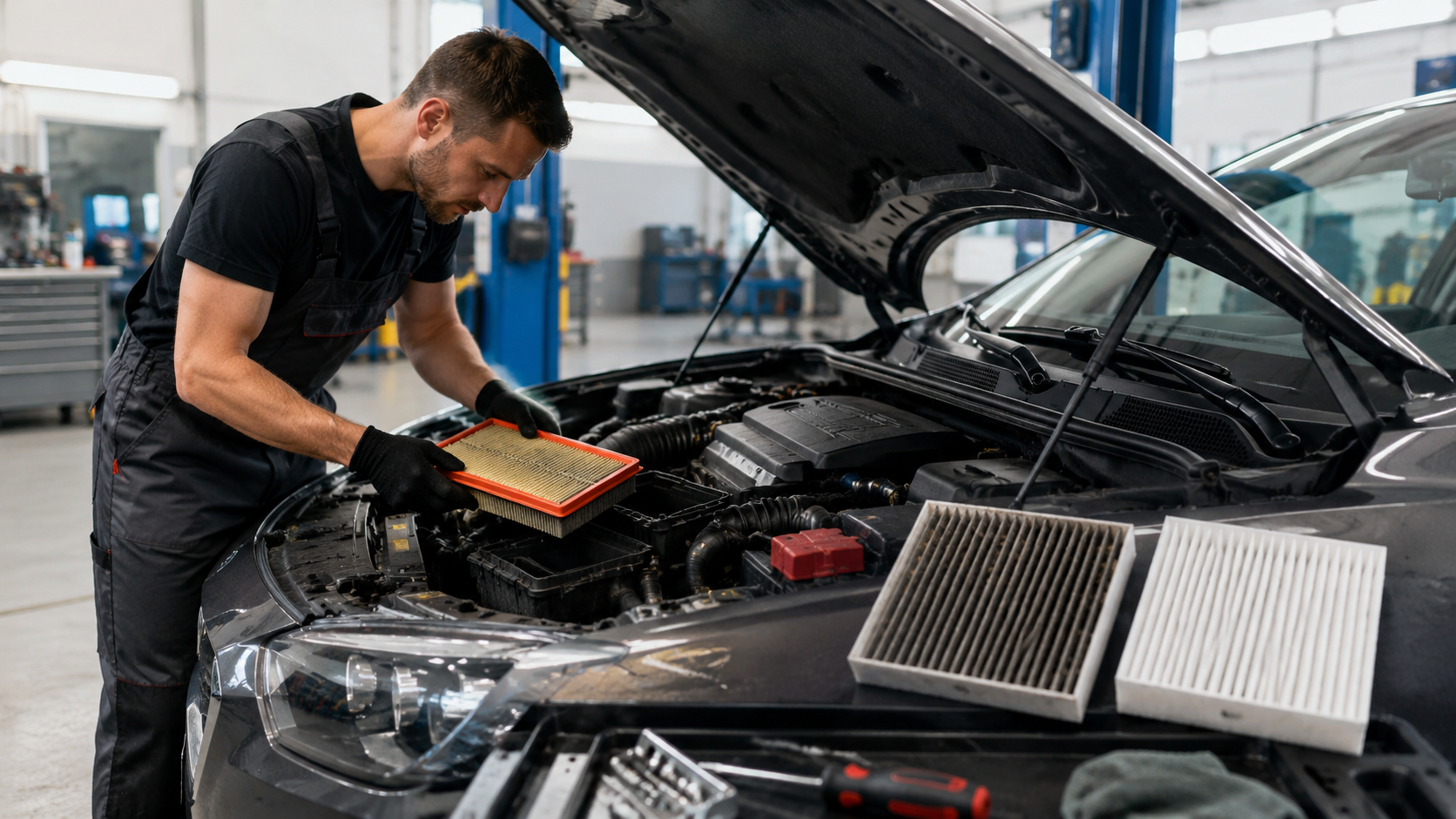
- Engine air and cabin filter replacement: why urban conditions change service intervals

Subscribe to our newsletter!
To stay updated with the latest news


Book a service