Mon-Sut | 09:00 - 19:00


Find

Contact us

Kyiv
18 Teplovozna Street (Poznyaki)
 Мережа СТО в місті

Kyiv
18 Teplovozna Street (Poznyaki)
 Мережа СТО в місті

 Години роботи
 Mon-Sut
09:00 - 19:00


Engine Oil Consumption: Where the Line Between Normal and a Problem Lies
During a routine dipstick check, you may sometimes notice that the engine oil level has dropped even though there are no signs of leaks beneath the vehicle. This has led to a common myth that a healthy engine should not consume any oil between oil changes. In reality, a certain amount of oil consumption is built into the design of almost every modern engine. What matters is not whether the oil level gradually decreases, but how quickly it happens. That is why it is important to understand what level of engine oil consumption is considered acceptable by the manufacturer and when normal oil consumption becomes a mechanical problem.
Why Oil Burns Even in a Healthy Engine
As the piston moves through the cylinder, a thin film of engine oil remains on the cylinder walls. This film protects engine components from friction and overheating. The oil control rings remove almost all of the excess oil, but a microscopic layer still enters the combustion chamber. During combustion of the air fuel mixture, this thin oil film burns together with the fuel. This is known as normal engine oil consumption.
The amount of oil consumed depends on driving conditions. Frequent high RPM driving, long highway trips, aggressive acceleration, and operating the engine under heavy load increase engine temperatures, causing oil to burn more quickly.
Natural oil consumption is also affected by:
• engine design;
• oil viscosity;
• the condition of the cylinder wall honing;
• vehicle mileage;
• the presence of a turbocharger.
What Oil Consumption Is Considered Normal
There is no universal standard. Every manufacturer specifies its own acceptable limits, so oil consumption should always be evaluated according to the recommendations for a particular engine.
For most naturally aspirated engines, normal oil consumption is approximately 100 to 300 ml per 1,000 km. Turbocharged and V type engines may consume 500 to 800 ml per 1,000 km, and such figures are often specified in the manufacturer’s official documentation.
A problem is indicated not only by the need to top up the oil. Other symptoms usually appear at the same time:
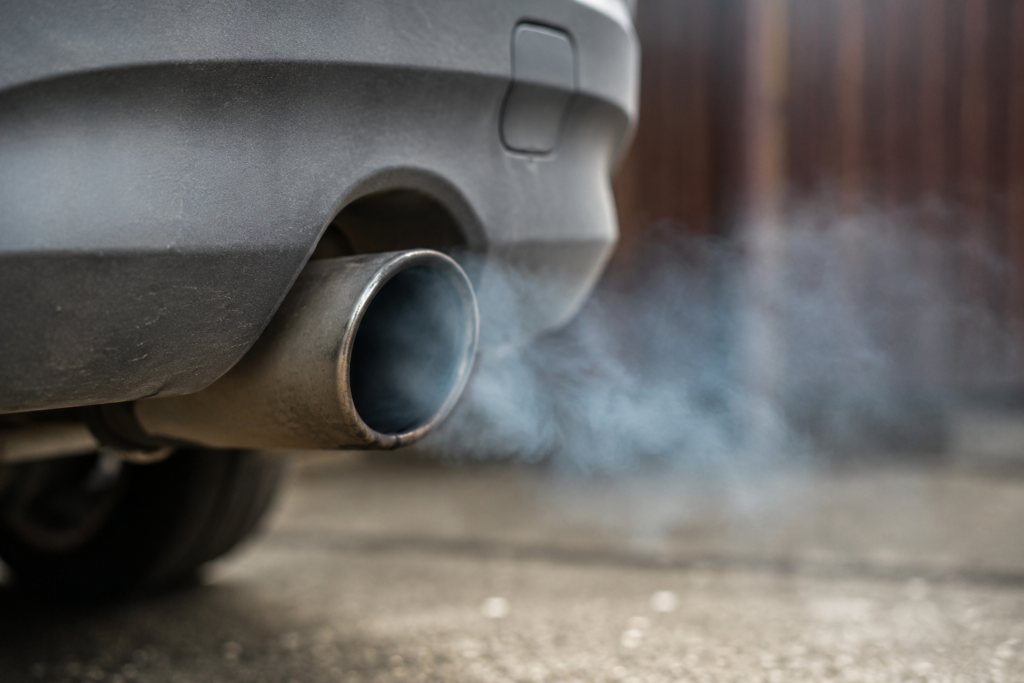
• blue exhaust smoke;
• a rapid drop in the engine oil level;
• oil residue inside the intake system;
• the smell of burning oil after driving;
• increased fuel consumption.
If these symptoms occur together with increased oil consumption, the engine should be inspected as soon as possible.
What Causes Excessive Oil Consumption
The most common cause is carbon buildup around the oil control rings. When engine oil is not replaced on time, the rings lose their mobility and can no longer properly remove excess oil from the cylinder walls.
Another common cause is worn valve stem seals. In this case, oil leaks into the combustion chamber while the vehicle is parked. After the first engine start, blue smoke appears from the exhaust for several seconds. If the smoke disappears quickly, worn valve stem seals are usually responsible. If blue smoke remains visible during acceleration, the piston assembly or turbocharger should also be inspected.
It is equally important to inspect the positive crankcase ventilation (PCV) system. A clogged PCV valve or blocked passages increase crankcase pressure, causing engine oil to enter the intake system or leak through engine seals.
Turbocharged engines have another common source of oil consumption. Worn turbocharger bearings or seals may allow engine oil to enter the intercooler and intake system.
Once these problems develop, normal oil consumption turns into excessive oil burning. Ignoring the issue significantly increases the risk of requiring a complete engine overhaul.
Why Thicker Oil Does Not Solve the Problem
Switching to a higher viscosity oil may temporarily reduce oil consumption, but it does not eliminate the underlying mechanical fault. Carbon stuck oil control rings do not regain their mobility, worn valve stem seals do not become leak proof again, and the crankcase ventilation system does not clean itself.
For this reason, excessive oil consumption should never be addressed simply by changing the oil grade. Proper diagnosis always comes first. Technicians first check for external oil leaks, then inspect the PCV system, measure engine compression, examine the turbocharger, and, if necessary, perform a borescope inspection of the cylinders. This diagnostic process makes it possible to identify the real cause of excessive oil consumption while avoiding unnecessary replacement of properly functioning components.
In some cases, replacing the valve stem seals is sufficient. In others, rebuilding the cylinder and piston assembly becomes necessary. That is why the cost of valve stem seal replacement in Kyiv can only be determined after a complete engine inspection. The sooner the cause of excessive oil consumption is identified, the greater the chance of limiting the repair to a localized fix and preventing severe engine wear.
Top popular news
- Vehicle Maintenance Schedule by Mileage: What Really Needs to Be Replaced at 30,000, 60,000, and 90,000 km
- Importing a Car from the USA to Ukraine: Required Documents and Customs Clearance Costs
- Switching from LPG to Gasoline While Driving: Why the Switching Valve Sometimes Fails
- Wheel Balancing: Why Vibration at High Speed Does Not Always Mean a Bent Rim
- Car Air Conditioner Disinfection: Why It Is Necessary and How Often It Should Be Done
- CV Boot: Why Replacing It Costs Much Less Than Repairing the Drive Shaft
- Wheel Bearing Noise: How to Identify Which Wheel Is Faulty
- Car Soundproofing: Where to Start for the Best Results

Subscribe to our newsletter!
To stay updated with the latest news


Book a service