Mon-Fri | 08:00 - 20:00


Find

Contact us

Kyiv
46 Kyrylivska St. (Podil)
 Мережа СТО в місті

Kyiv
46 Kyrylivska St. (Podil)
 Мережа СТО в місті

 Години роботи
 Mon-Fri
08:00 - 20:00
Seasonal tire replacement: why it’s important to change your tires on time
Why seasonal tire replacement is important for safety

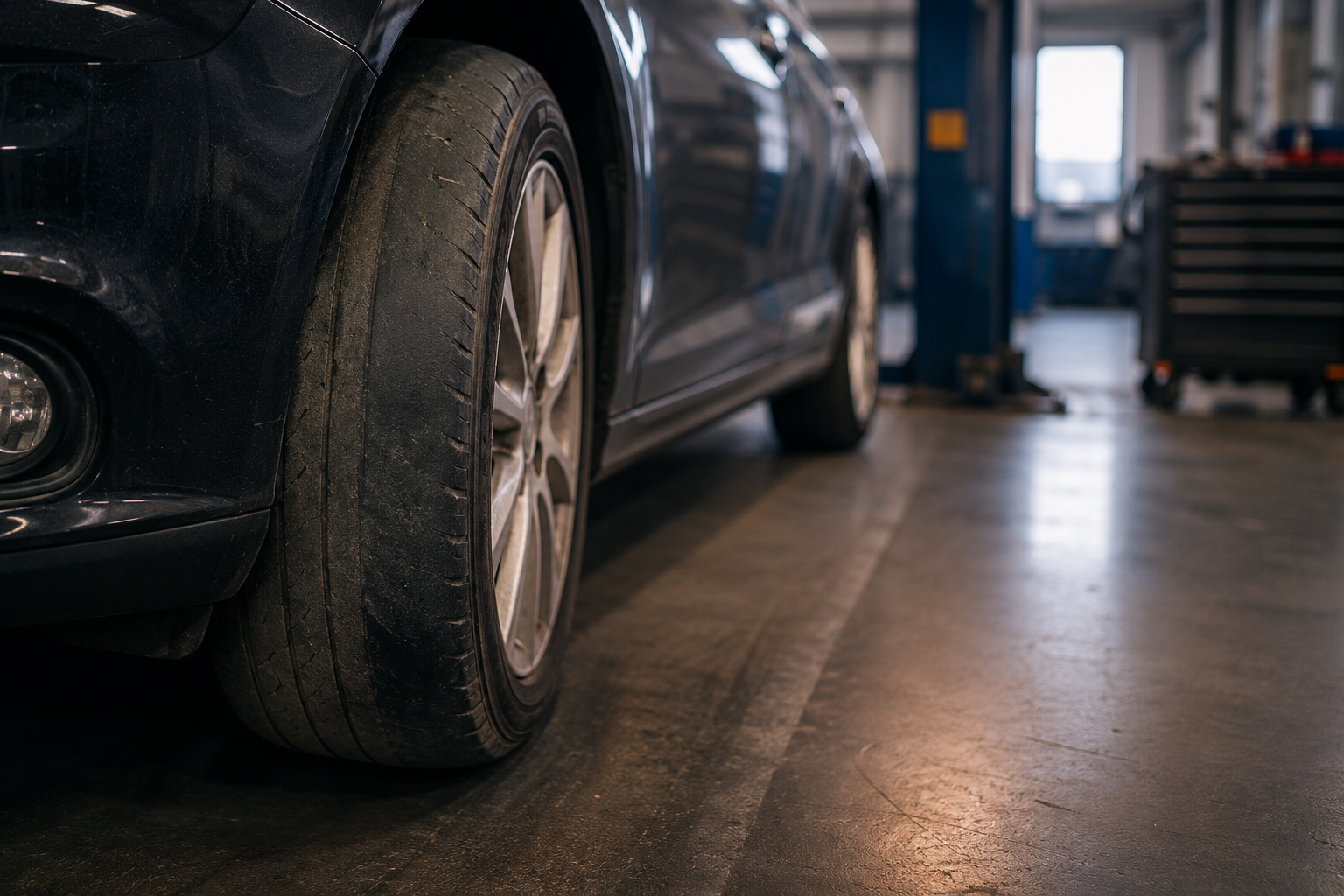
Seasonal tire replacement is not only a planned procedure, but also a critically important element of road safety. Car tires ensure contact between the wheels and the road surface, transmit load during acceleration, braking and maneuvers, and also determine the accuracy of steering response. The condition of the tires directly affects the vehicle’s handling, braking efficiency and overall stability while driving.
Summer and winter tires differ in rubber composition, tread pattern and groove depth. Summer tires are designed for optimal operation in warm weather, provide short braking distances and precise vehicle response to the steering wheel. Winter tires, on the contrary, retain elasticity in cold weather, allow snow and water to drain and reduce the risk of slipping. Failure to comply with seasonality increases tire wear, worsens handling and can cause dangerous situations on the road.
When to switch to winter tires
Winter tires are recommended to be installed when the average daily temperature drops to +7°C or below. Summer tires harden in such conditions and lose their ability to effectively grip the road, which increases braking distances and reduces stability when maneuvering.
The design of winter tires provides for a deeper tread and a special rubber compound that keeps it elastic even in frost. This ensures effective drainage of water, snow and slush from under the wheels, reduces the risk of skidding and maintains control of the car. It is important to check the wheel balancing and tire pressure during installation, as incorrect settings can lead to uneven wear and deterioration of handling.
Winter tires are especially relevant for regions with frequent precipitation, ice and wet asphalt. Even if the road looks dry, a decrease in temperature affects the properties of summer tires, and the risk of losing control of the car increases.
When to put on summer tires
In spring or at the beginning of the warm season, winter tires are replaced with summer tires, when the average daily temperature consistently exceeds +7°C. Using winter tires in the warm season accelerates their wear, increases rolling resistance and increases fuel consumption.
Summer tires have a denser tread and a harder rubber compound, which provides stable grip with the road surface, effective braking and precise response of the car to the steering wheel. Regular seasonal tire replacement helps to avoid uneven wear, preserve the car’s suspension system and wheels, and maintain comfort and safety during any maneuvers.
It is also important to consider the condition of the tread: the minimum depth for summer tires is 1.6 mm. If the tread is worn out, even a new seasonal replacement will not provide sufficient grip and may cause aquaplaning.
Why you shouldn’t delay replacement
Ignoring seasonal tire replacement directly affects the safety and handling of the vehicle. The main consequences are:
- Deterioration of controllability during high-speed maneuvers.
- Increased braking distance even on dry asphalt.
- Increased risk of skidding and aquaplaning on wet roads.
- Uneven tread wear and damage to the wheels.
- Increased load on the suspension and running system elements.
Even a slight delay in replacing tires can lead to loss of control of the vehicle in critical situations. Timely replacement with pressure control, wheel balancing and tread inspection helps maintain stable handling, shorten braking distances and reduce the risk of accidents.
Practical advice for drivers
For the safety and effectiveness of the season, we recommend:
- Check the tread depth: minimum 1.6mm for summer tires and 4mm for winter tires.
- Regularly check tire pressure according to the manufacturer’s recommendations.
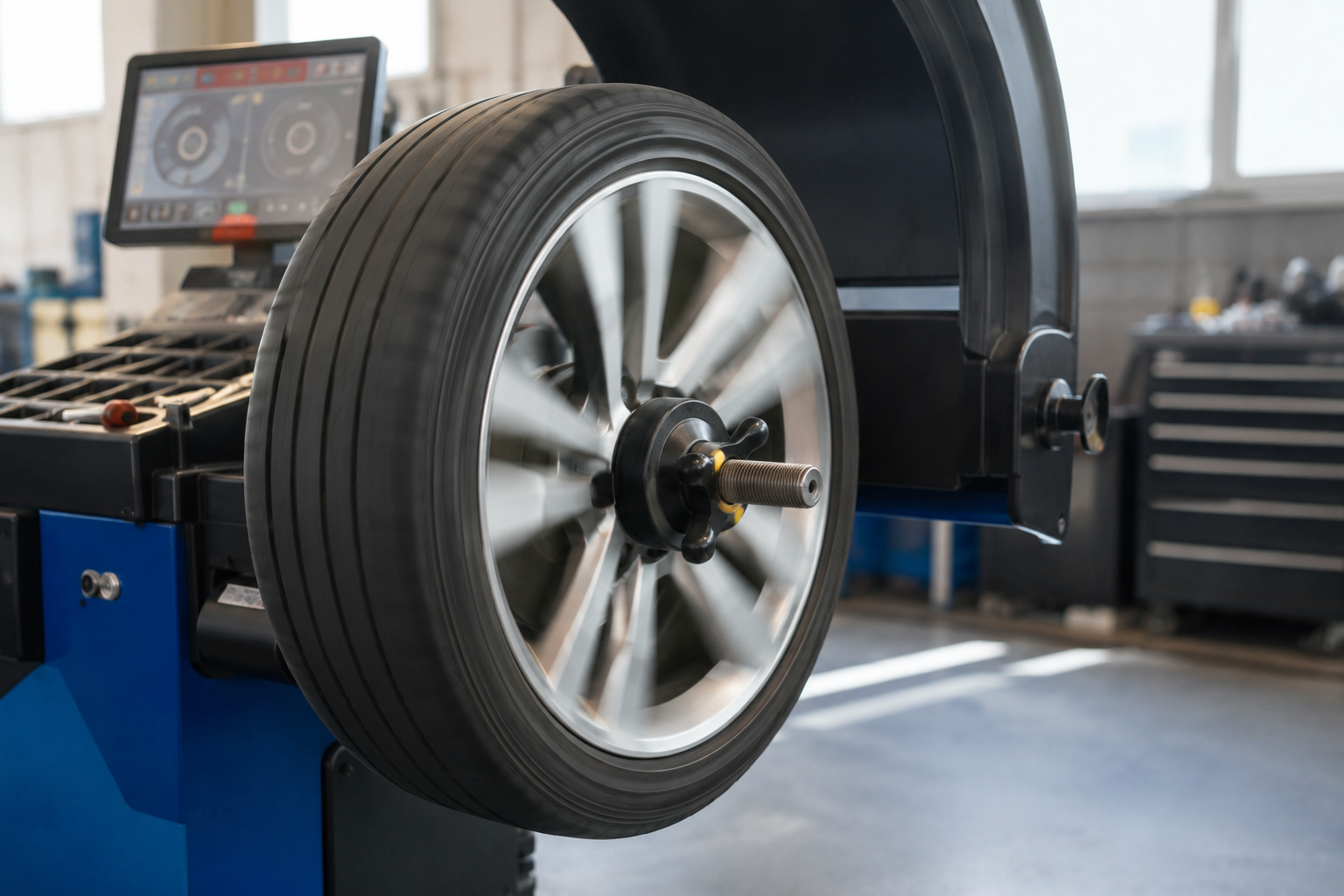
- Have your wheels balanced at each seasonal tire change.
- Do not mix new and worn tires on the same axle to avoid uneven wear.
- Follow the recommended tire replacement intervals, even if the tread is not yet critically worn, as rubber aging also affects safety.
Following these simple rules will extend the life of your tires, maintain effective traction, and ensure safe driving in all weather conditions.
Top popular news
- Preparing a car for a long trip: checklist before departure
- Oil leaking from the valve cover: causes of seepage and finding the source of the problem
- Automatic climate control does not maintain the set temperature: where to look for the cause
- Brake pipes and hoses: different designs with different risks
- Suspension spring sagging: gradual loss of performance without an obvious failure
- PCV crankcase ventilation valve: why a fault leads to oil leaks
- Headlights fogging from the inside: normal condensation or a sign of housing damage
- Steering rack: hydraulic leak or electric power-steering fault – how the problem is diagnosed

Subscribe to our newsletter!
To stay updated with the latest news


Book a service