Mon-Sut | 09:00 - 19:00


Find

Contact us

Kyiv
18 Teplovozna Street (Poznyaki)
 Мережа СТО в місті

Kyiv
18 Teplovozna Street (Poznyaki)
 Мережа СТО в місті

 Години роботи
 Mon-Sut
09:00 - 19:00


Switching from LPG to Gasoline While Driving: Why the Switching Valve Sometimes Fails
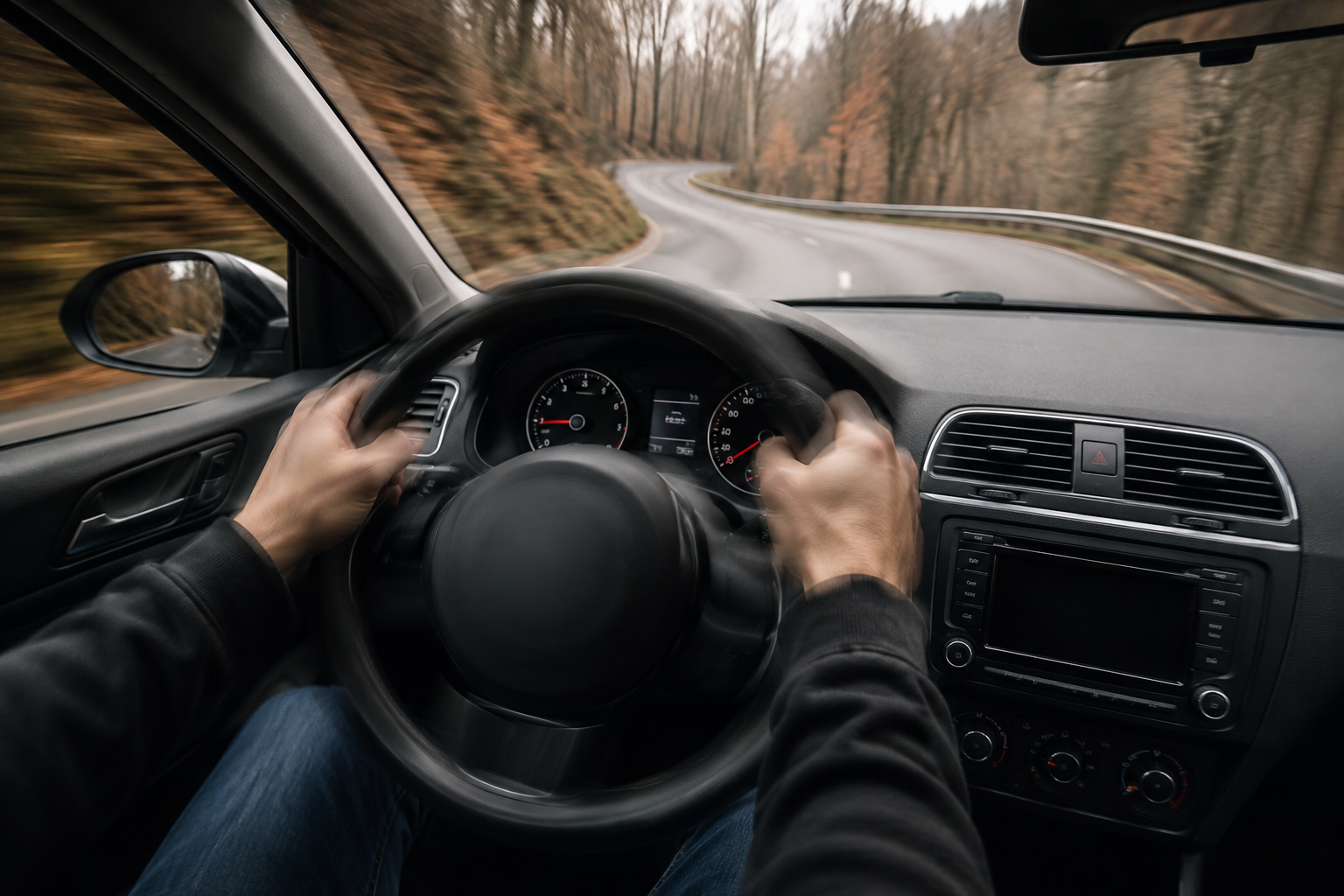
While overtaking, you press the accelerator pedal harder, the engine gains speed, and suddenly the LPG system buzzer sounds. The vehicle instantly switches to gasoline, causing a brief jerk or even a noticeable loss of power. At the same time, there is still gas left in the tank. If your vehicle switches from LPG to gasoline during acceleration, it does not necessarily mean that the fuel has run out. In most cases, the LPG system simply activates its built in protection algorithm after detecting a dangerous drop in gas pressure.
Why the System Automatically Switches Back to Gasoline
A fourth generation LPG system continuously monitors the operation of all its major components. The LPG electronic control unit (ECU) analyzes data received from the MAP sensor, which measures pressure and vacuum. If the pressure in the gas supply line drops below the acceptable level, the ECU interprets this as a risk of an excessively lean air fuel mixture.
To prevent overheating of the valves, pistons, and catalytic converter, the control unit immediately switches the engine back to gasoline. That is why automatic fuel switching under heavy load is often a sign that the protection system is working correctly rather than indicating an electronic malfunction.
Typical signs that the problem originates in the LPG system include:
- the LPG control unit buzzer activates;
- jerking occurs only while driving on LPG;
- the engine runs smoothly after switching to gasoline;
- the problem appears mainly during hard acceleration.
The Most Common Causes of Automatic Fuel Switching
The problem often begins with the LPG solenoid valve. Resin deposits contained in liquefied petroleum gas gradually accumulate inside the valve mechanism, causing the valve plunger to move slowly or preventing it from opening completely. If the LPG solenoid valve fails to open fully, the engine cannot receive enough fuel.
Another possible cause is the valve’s electromagnetic coil. If it operates inconsistently, the valve only opens partially, significantly reducing the gas flow under load.
False switching can also be caused by a faulty gas pressure sensor, also known as the MAP sensor. If it transmits incorrect readings, the LPG ECU receives false information and switches the vehicle to gasoline prematurely.
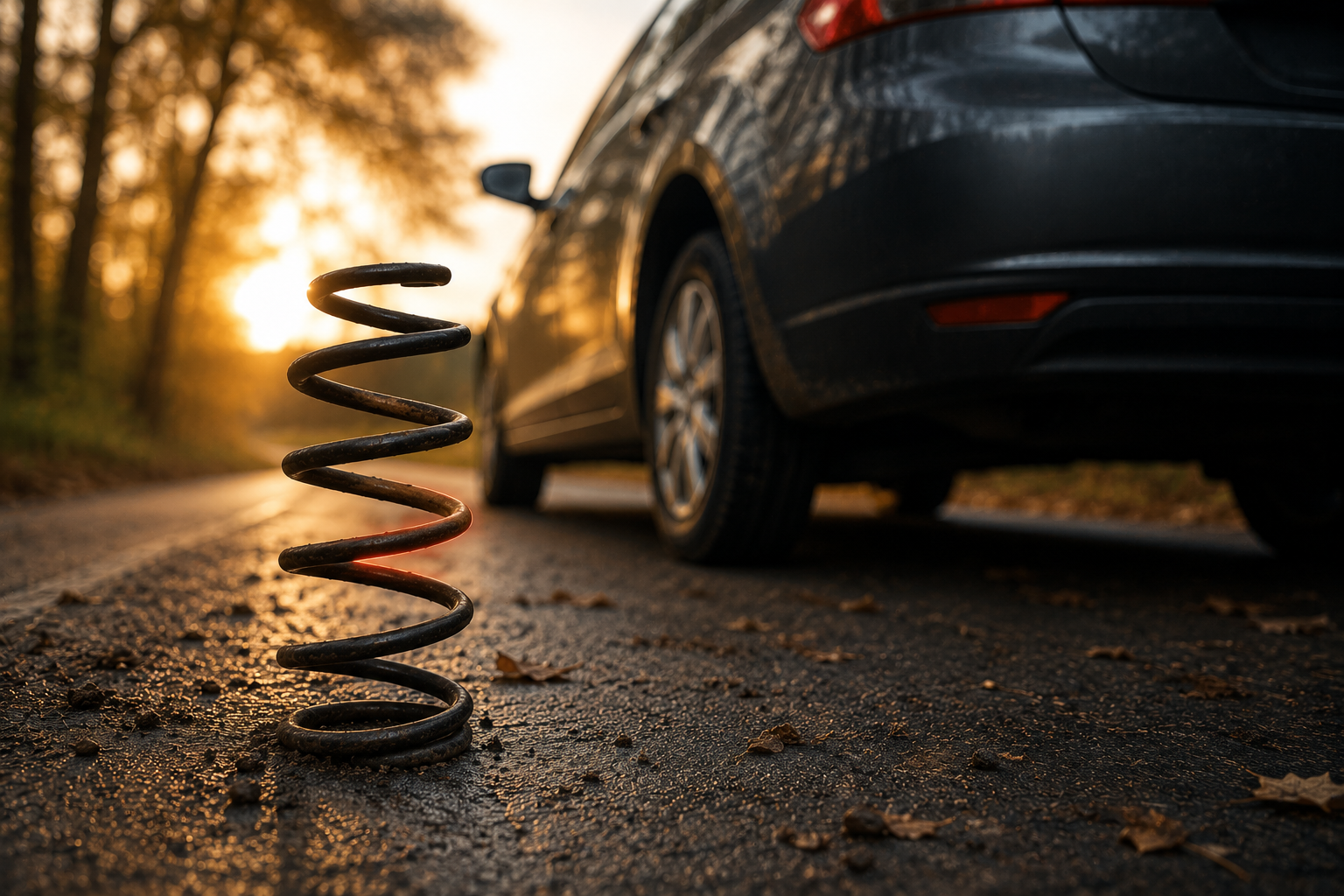
In some cases, the pressure reducer is responsible. If it is undersized for the engine’s power output or if its internal spring has weakened, it cannot maintain stable gas pressure during rapid acceleration.
Problems with the LPG multivalve should not be overlooked either. A clogged mesh filter, a damaged float, or other restrictions in gas supply can also cause pressure loss.
Particular attention should also be paid to the inline gas filter. If it becomes clogged with wear particles or contaminants, fuel flow decreases, causing the pressure reducer to experience fuel starvation precisely during periods of maximum engine load.
How the Problem Is Diagnosed at a Service Center
A visual inspection alone is not enough in this situation. To perform an accurate diagnosis, technicians connect diagnostic software to the LPG ECU and monitor the system’s operating parameters in real time.
During a road test, they observe gas pressure, intake manifold vacuum, injector opening times, and the MAP sensor response. Monitoring these values while driving makes it possible to determine whether pressure drops during sudden acceleration and identify the component responsible for the malfunction.
How to Prevent the Problem from Returning
Most of these issues can be prevented through regular maintenance. Timely replacement of gas filters and inline filters, cleaning the valves, inspecting the electromagnetic coil, and checking the pressure reducer significantly reduce the risk of unexpected switching to gasoline while driving.
To avoid more serious problems, you should never:
- ignore the LPG system buzzer;
- repeatedly switch fuels manually instead of identifying the cause;
- postpone filter replacement and scheduled maintenance.
After the fault has been repaired, the fourth generation LPG system should always be recalibrated so the ECU can respond correctly to changes in engine load and maintain stable operation.
The cost of LPG system repair in Kyiv depends on which component requires service. However, regular maintenance, valve cleaning, and timely filter replacement are almost always far less expensive than repairing the pressure reducer, fuel injectors, or other costly LPG system components.
Top popular news
- Vehicle Maintenance Schedule by Mileage: What Really Needs to Be Replaced at 30,000, 60,000, and 90,000 km
- Importing a Car from the USA to Ukraine: Required Documents and Customs Clearance Costs
- Wheel Balancing: Why Vibration at High Speed Does Not Always Mean a Bent Rim
- Car Air Conditioner Disinfection: Why It Is Necessary and How Often It Should Be Done
- CV Boot: Why Replacing It Costs Much Less Than Repairing the Drive Shaft
- Wheel Bearing Noise: How to Identify Which Wheel Is Faulty
- Car Soundproofing: Where to Start for the Best Results
- Factory Paint Thickness of a Car: How to Read Paint Thickness Gauge Measurements

Subscribe to our newsletter!
To stay updated with the latest news


Book a service