Mon-Sut | 09:00 - 19:00


Find

Contact us

Kyiv
18 Teplovozna Street (Poznyaki)
 Мережа СТО в місті

Kyiv
18 Teplovozna Street (Poznyaki)
 Мережа СТО в місті

 Години роботи
 Mon-Sut
09:00 - 19:00


Why You Should Never Ignore Unusual Noises in Your Vehicle

Unusual noises in a vehicle rarely appear without a reason. Even if a sound seems minor at first or only occurs occasionally, it is often the first sign of worn components or a developing mechanical issue. The problem is that many drivers become accustomed to new sounds and continue driving until the fault begins affecting vehicle handling or safety.
Strange noises can occur during engine start-up, at higher speeds, while braking, or when driving over uneven surfaces. Sometimes it is a light squeak or hum, while in other cases it may be a noticeable knocking sound during driving or strong vehicle vibrations.
There are situations where a problem may seem insignificant at first but eventually turns into an expensive repair. For example, a slightly noisy wheel bearing may be barely noticeable initially, but over time the humming sound can become severe enough to affect vehicle stability.
Which Noises Are Normal and Which Are Not
Certain sounds in a vehicle are completely normal. During the operation of the engine, transmission, and suspension, some level of mechanical noise is always present. For example, an engine may sound slightly louder during a cold start, and minor suspension noises can occur when driving over rough roads.
However, if the vehicle starts making noises that were not present before, it is worth paying attention. This is especially important if the unusual sound appeared suddenly, became louder, or occurs repeatedly under specific conditions.
Common warning signs include:
- metallic grinding noises;
- loud humming sounds;
- clicking or crunching during turns;
- knocking sounds over bumps;
- steering wheel or body vibrations;
- noise that increases with vehicle speed.
These symptoms often indicate problems with the suspension system, braking system, or transmission.
What Can Knock, Hum, or Squeak in a Vehicle
There are many possible causes of unusual noises, and the type of sound often depends on the specific fault.
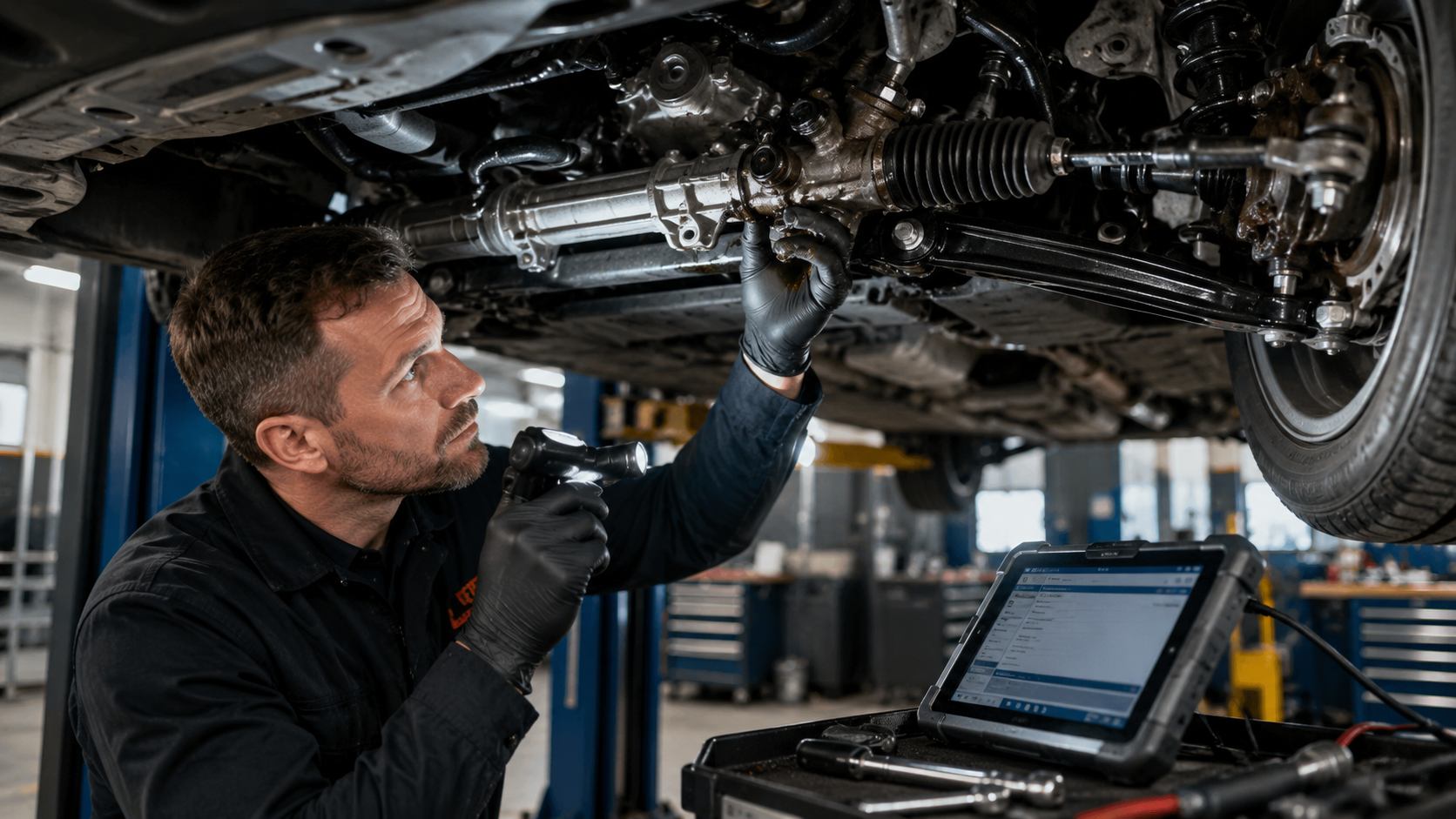
Knocking sounds when driving over potholes or bumps are usually related to the suspension system. Common causes include worn bushings, ball joints, shock absorbers, or stabilizer links.
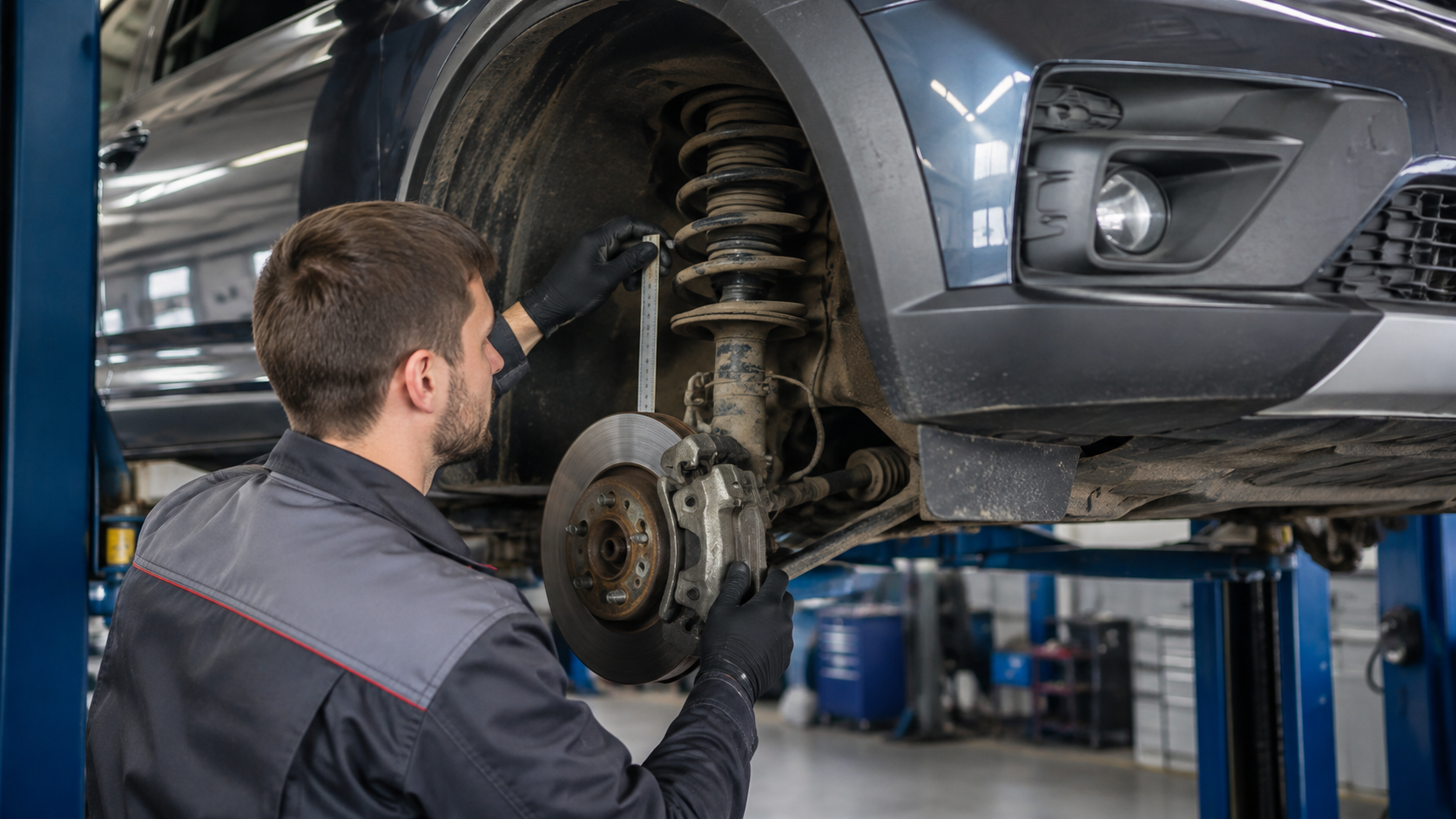
If the noise sounds like a hum and becomes louder as speed increases, the issue is often related to a wheel bearing. At first, the sound may be subtle, but it usually becomes louder over time and may eventually be accompanied by vibrations.
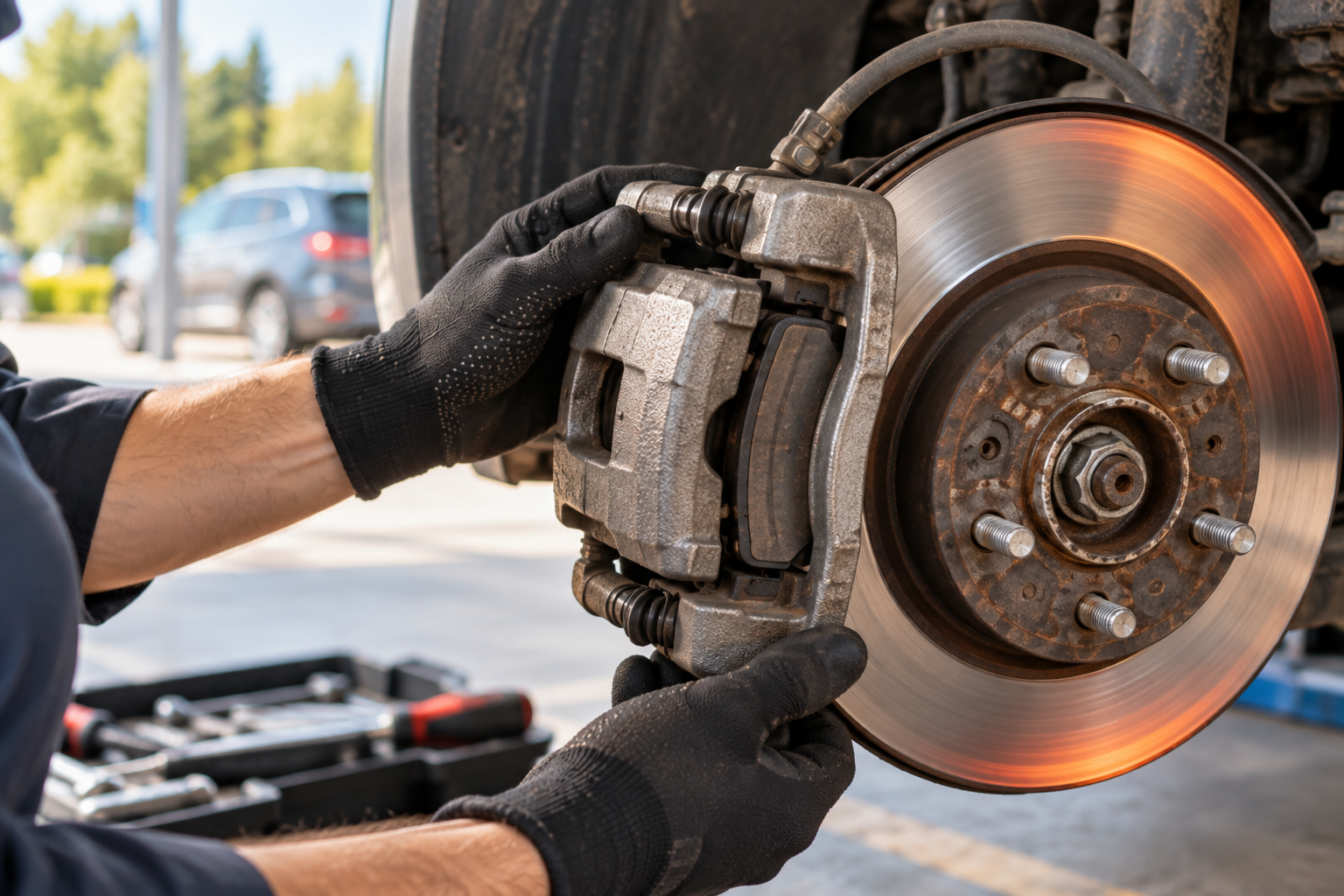
Squeaking during braking is frequently caused by worn brake pads or braking system issues. In some cases, uneven brake rotor wear or a sticking brake caliper may be responsible.
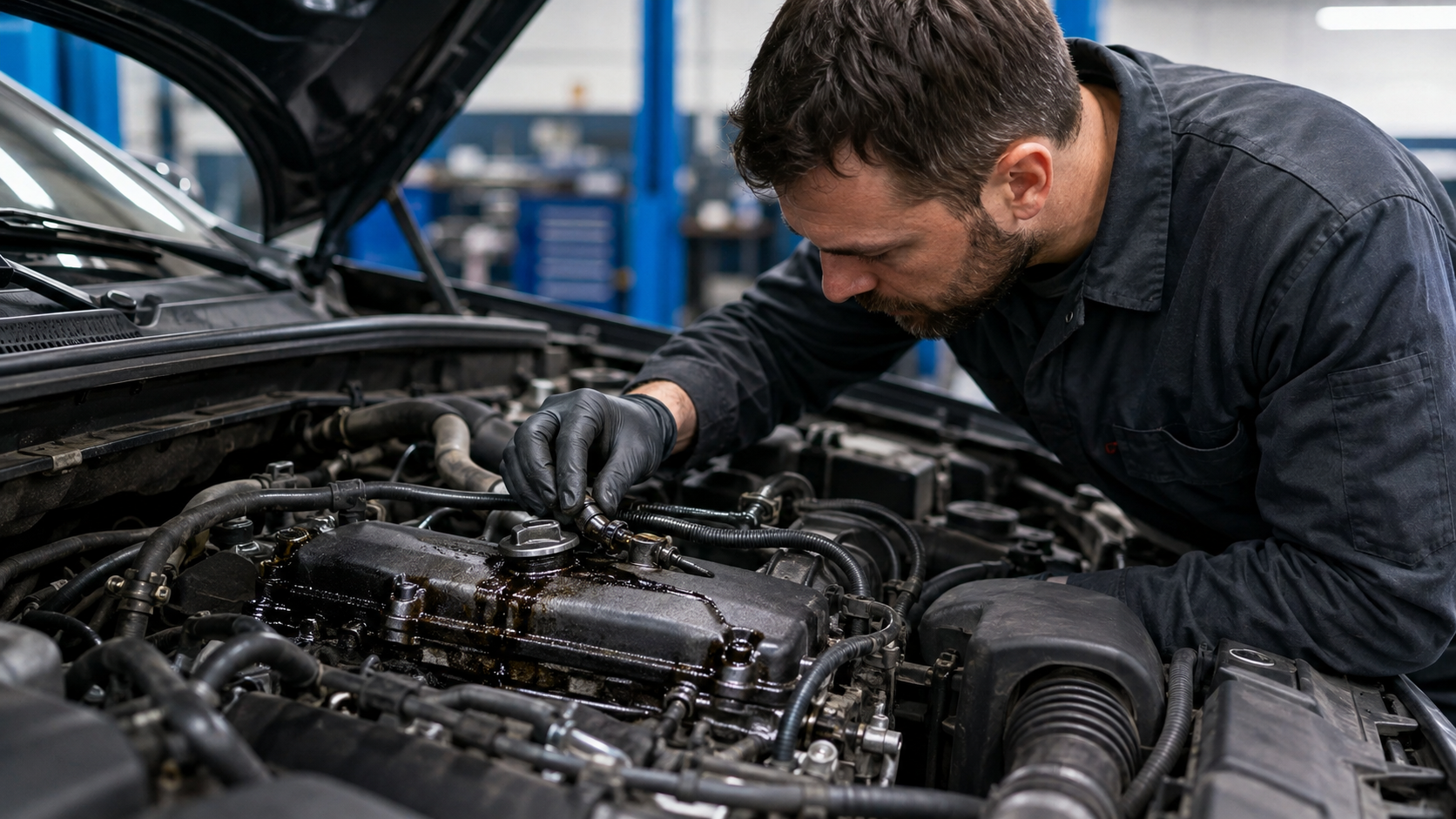
Noises can also originate from the engine compartment. Metallic knocking, rough operation, or unusual sounds during start-up may indicate problems with pulleys, belts, or engine accessories.
The transmission should also be considered. Humming sounds, impacts, or jerking during gear changes may indicate transmission wear or an insufficient fluid level.
How Noise Is Related to Speed, Turning, or Braking
The way a noise behaves under different driving conditions often helps identify its source more quickly.
If the vehicle makes noise primarily at higher speeds, the cause is often related to the wheels, wheel bearings, or suspension components. For example, a humming sound that changes while turning the steering wheel is frequently associated with a wheel bearing.
If the sound appears only during braking, attention should first be directed toward the braking system. The cause may involve brake pads, rotors, or calipers.
Knocking sounds when driving over uneven surfaces most commonly indicate worn suspension components. The character of the noise may vary depending on vehicle speed and load.
In some cases, unusual noises are accompanied by steering wheel or body vibrations. These symptoms often indicate that the issue is already affecting not only comfort but also vehicle control and stability.
When You Should Seek Immediate Diagnostics
There are situations where delaying a vehicle inspection can become unsafe, especially if the noise suddenly becomes sharp, loud, or rapidly worsens.
The following symptoms require immediate inspection:
- loud metallic grinding;
- humming from a wheel area;
- a knocking sound that has become constant while driving;
- impacts or harsh engagement during gear changes;
- severe vehicle vibrations;
- noises accompanied by braking or handling problems.
You should also not ignore situations where the vehicle begins pulling to one side, becomes unstable at speed, or experiences jerking during acceleration or driving.
Timely vehicle diagnostics often allow problems to be identified before a major breakdown occurs. A minor noise that seems insignificant today can eventually lead to costly repairs involving the suspension system, transmission, or engine components.
Top popular news
- Air Conditioner Losing Refrigerant Without Visible Damage: Causes and Solutions
- Why Wheel Alignment Goes Out After Adjustment: It Is Not Always the Alignment Rack
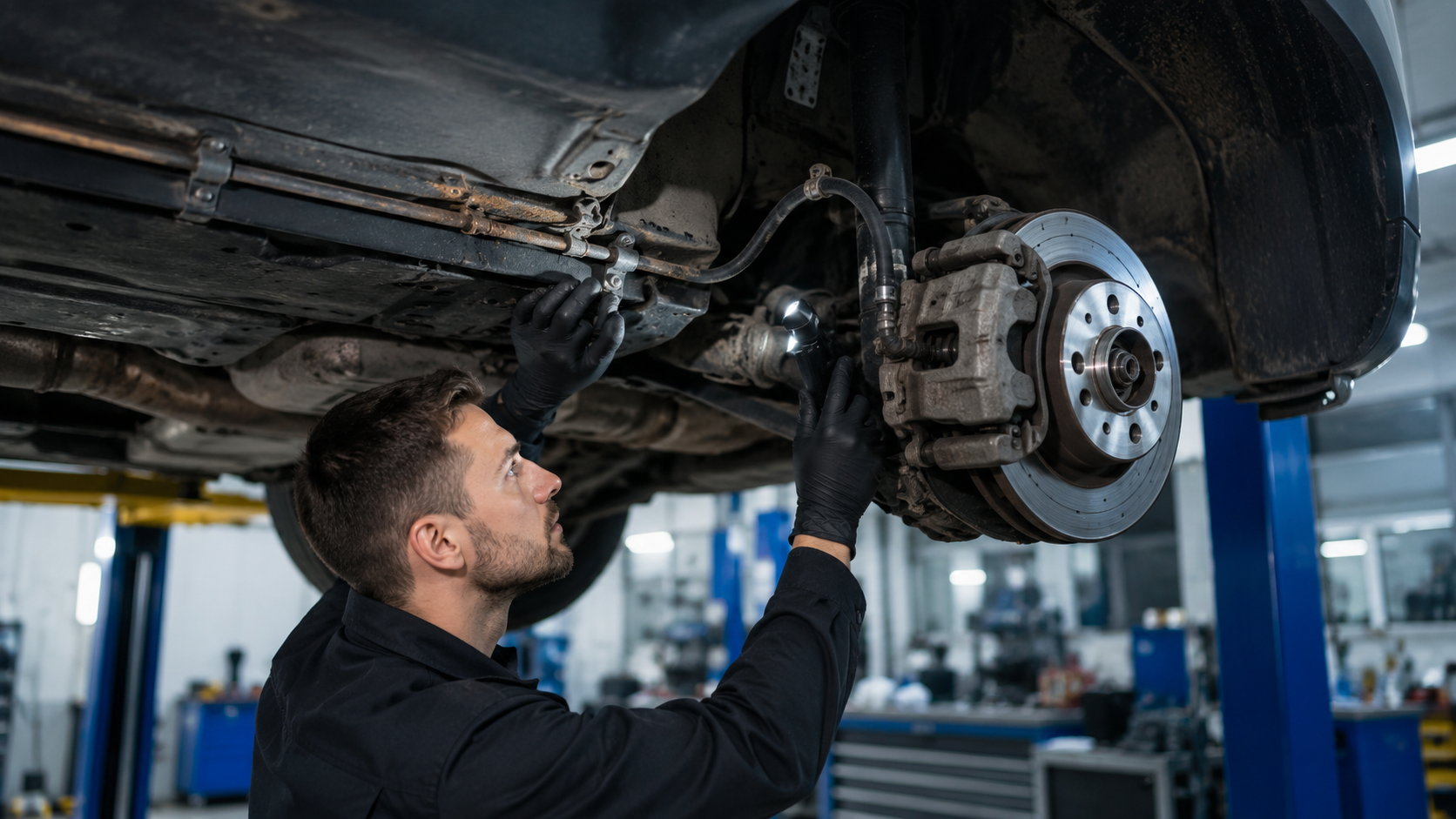
- Seized Brake Caliper: Symptoms, Causes, and Repair
- Changing the Oil in an AWD Differential: Why This Component Is Often Forgotten
- Check Engine Light Flashing: What the Signal Means and Why You Should Not Ignore It
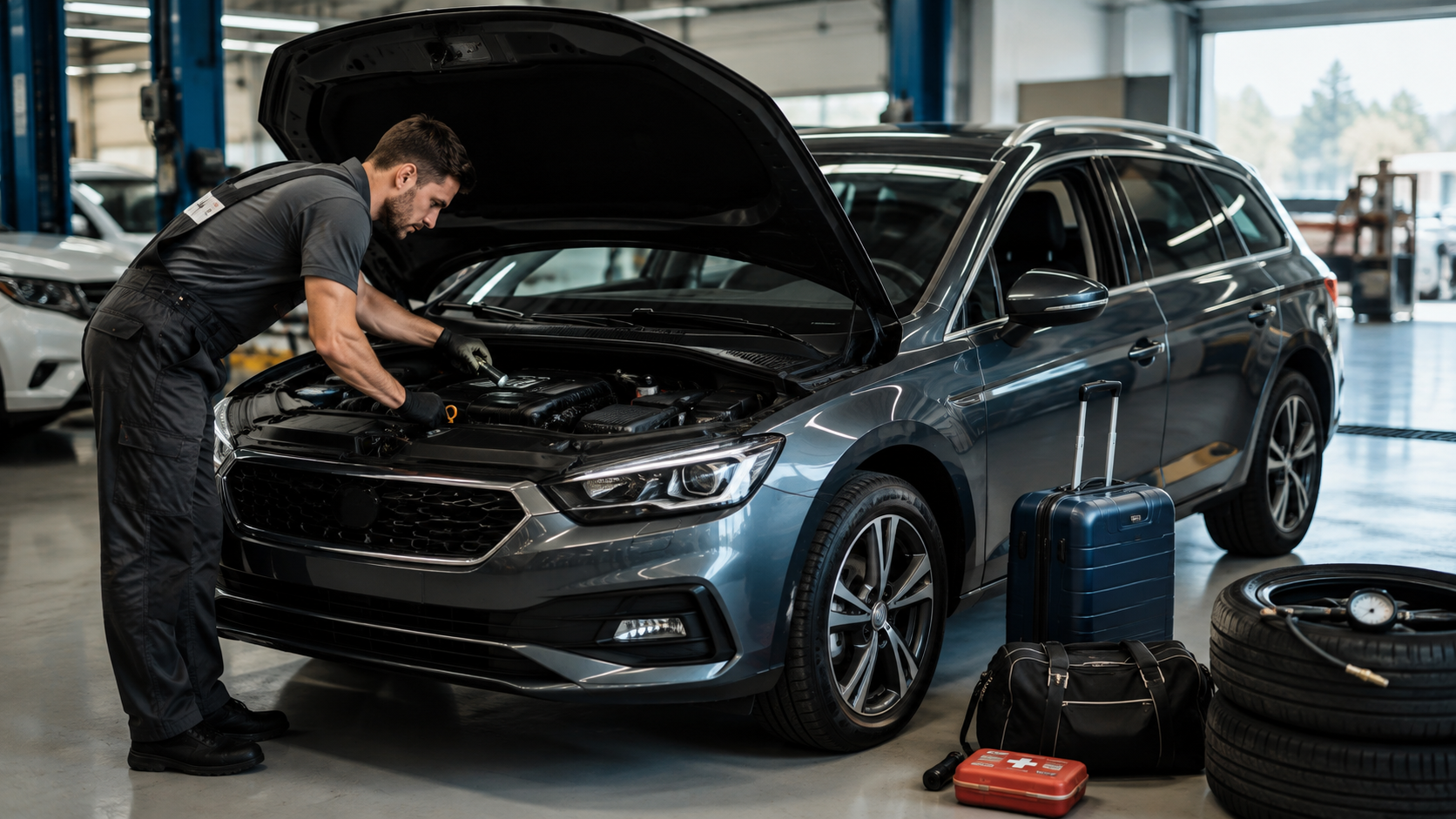
- Preparing a car for a long trip: checklist before departure
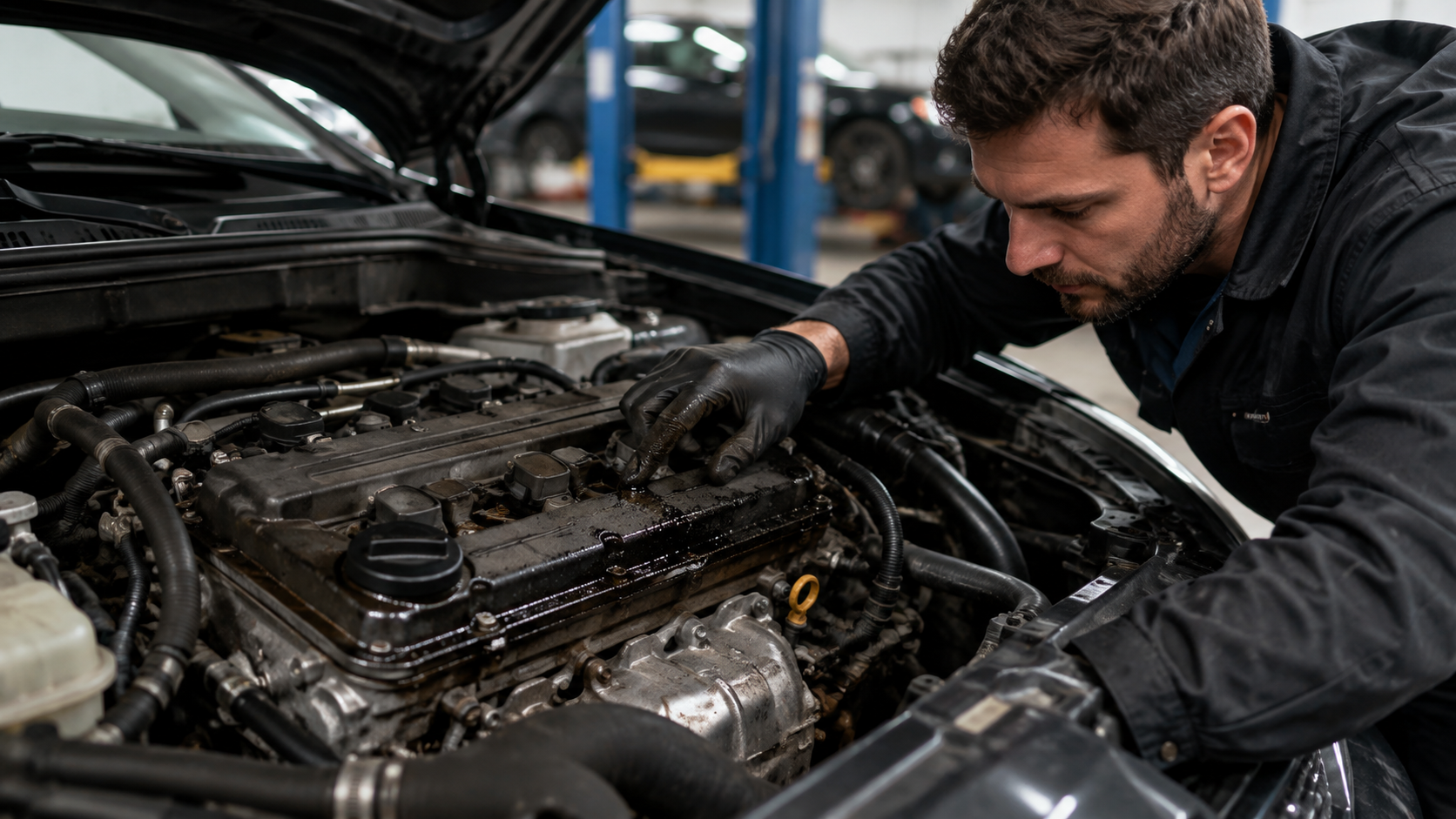
- Oil leaking from the valve cover: causes of seepage and finding the source of the problem
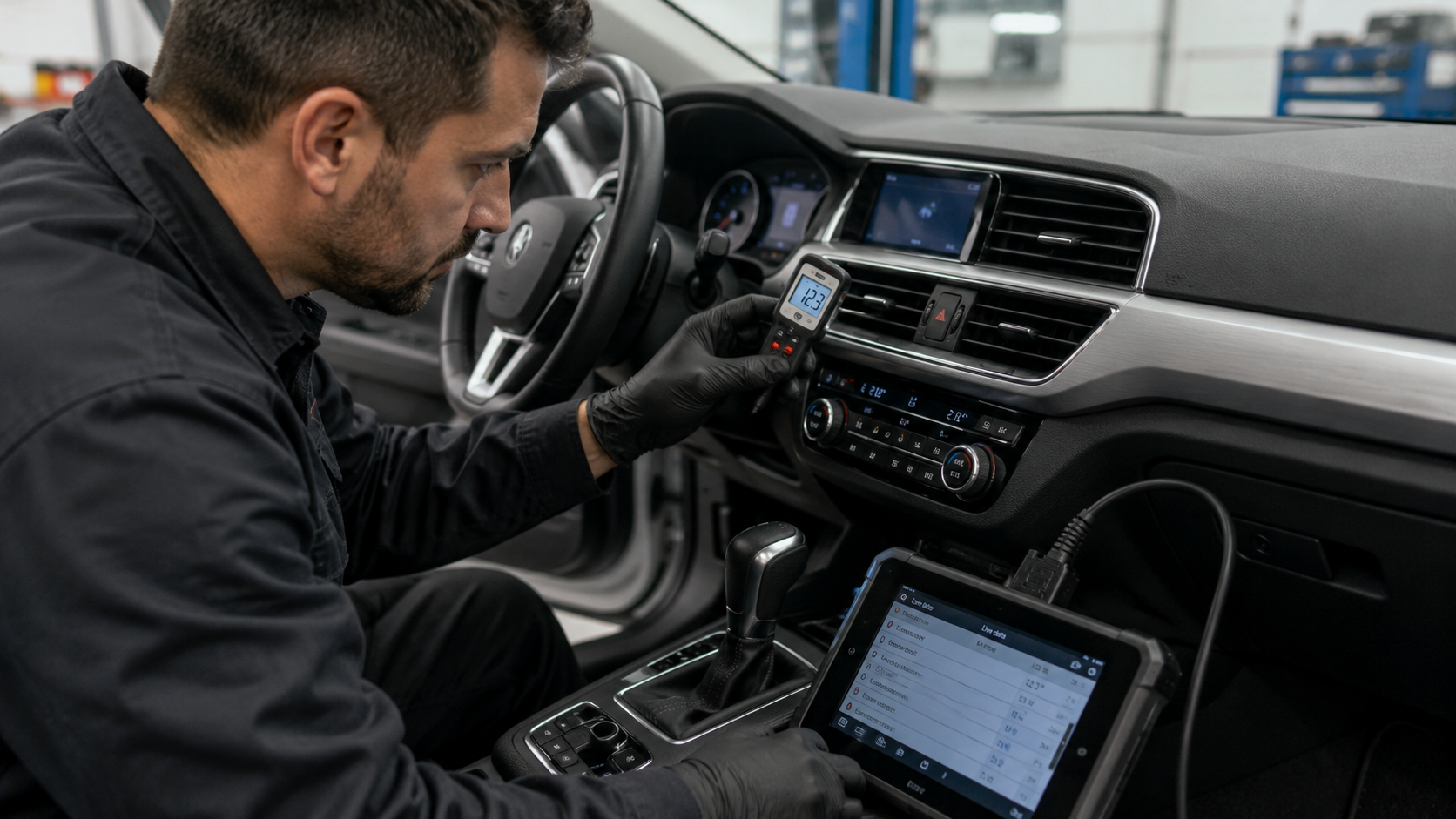
- Automatic climate control does not maintain the set temperature: where to look for the cause

Subscribe to our newsletter!
To stay updated with the latest news


Book a service