Mon-Fri | 08:00 - 20:00


Find

Contact us

Kyiv
46 Kyrylivska St. (Podil)
 Мережа СТО в місті

Kyiv
46 Kyrylivska St. (Podil)
 Мережа СТО в місті

 Години роботи
 Mon-Fri
08:00 - 20:00
Brake system problems: signs you shouldn’t ignore

Why brakes don’t forgive ignoring
The brake system is a key safety element of any car. Not only control over the vehicle, but also the lives of the driver and passengers depend on its condition. Even minimal defects that seem insignificant at first glance can significantly reduce braking efficiency and affect driving stability. Problems with the brake system often arise gradually and can go unnoticed during short trips or at low speeds.
Worn or contaminated elements, low brake fluid levels, disc and pad defects are not compensated for by electronic ABS or ESP systems. Even modern electronic safety systems only help in some cases, but are not able to replace working mechanics. Ignoring early signs of wear increases the risk of loss of control at a critical moment, especially at high speed or emergency maneuvering.
Main danger signs
There are several symptoms that drivers often ignore, although they indicate a situation when the brakes are already showing signs of problems even before a critical malfunction:
- failure or excessive stiffness of the brake pedal;
- creaking, whistling or strange sounds when braking;
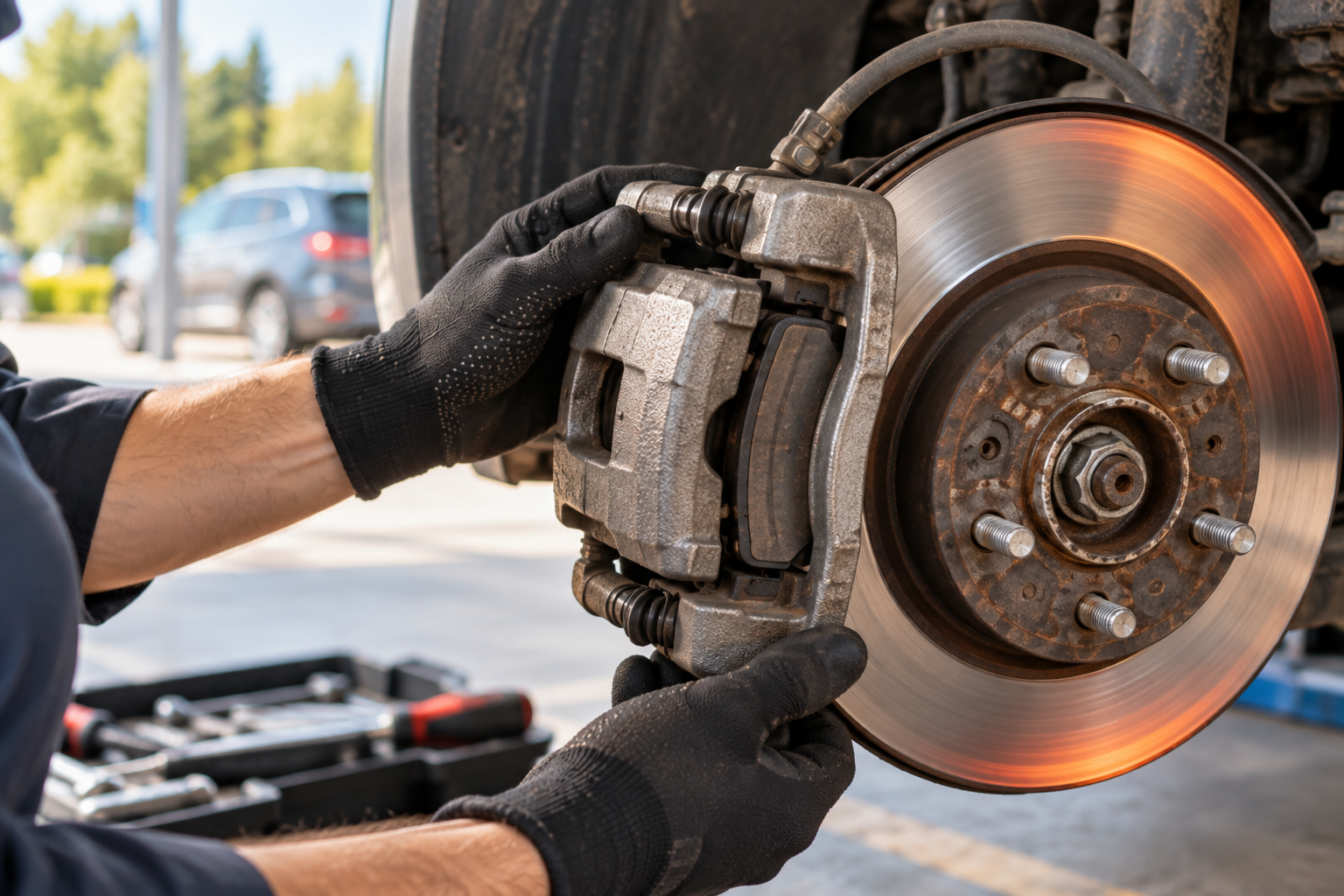
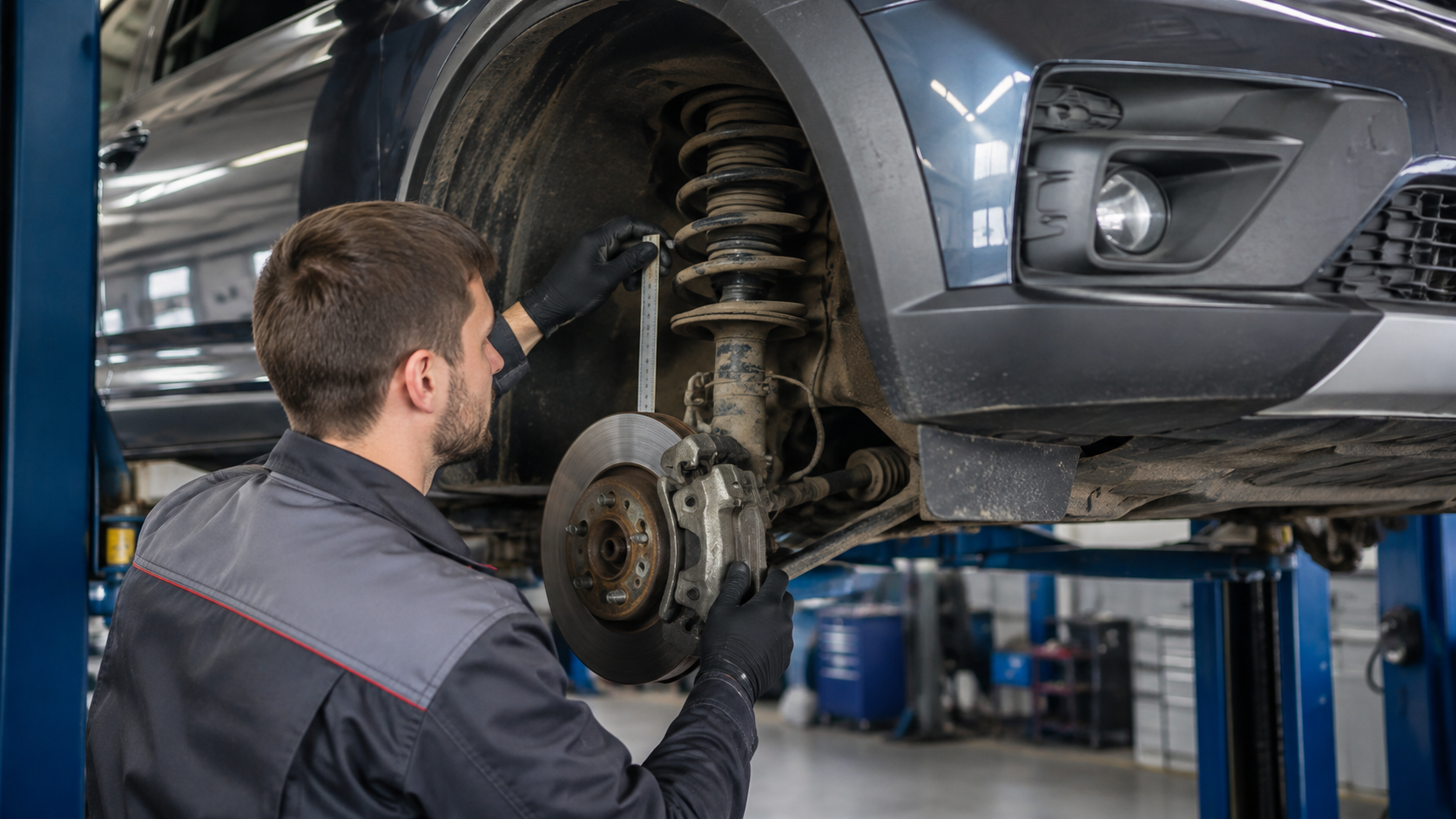
- uneven wear of brake pads and discs;
- vibrations and pulsations when pressing the pedal.
Each of these signs signals possible brake malfunctions. Pedal failure may indicate the presence of air in the brake line or a fluid leak. Creaking or whistling of pads often appears at high humidity or when the discs are cold, and uneven wear of discs indicates defects in mechanical components or shock absorbers that affect the stability of the car.
It is also necessary to take into account the instability of symptoms: they may appear only under certain conditions, which creates a false sense of security. Ignoring even minimal signs of wear can lead to serious accidents.
How the behavior of the car changes
Problems with the brake system significantly change the behavior of the car on the road. The driver may feel instability when braking, a “floating” pedal or the need to apply additional effort to stop. Worn pads or discs increase braking distances, and incorrect ABS response due to dirty sensors reduces vehicle control.
Improper brake operation during emergency maneuvers can cause wheels to lock or an uncontrolled skid. Vibrations and pedal pulsations, even if they appear periodically, signal hidden defects that progress quickly and pose a real threat to safety.
Why symptoms can be intermittent
Some brake system problems only appear under certain conditions: cold or wet weather, intense load on the brakes or long trips. The squeaking of the pads or the failure of the pedal may appear only when the first press is made after parking, and temperature changes accelerate the wear of the discs and pads.
The instability of symptoms increases the risk that the driver will underestimate the seriousness of the problem. Systematic inspection and prevention help to avoid a sudden drop in braking efficiency and critical situations on the road.
When an immediate check is required
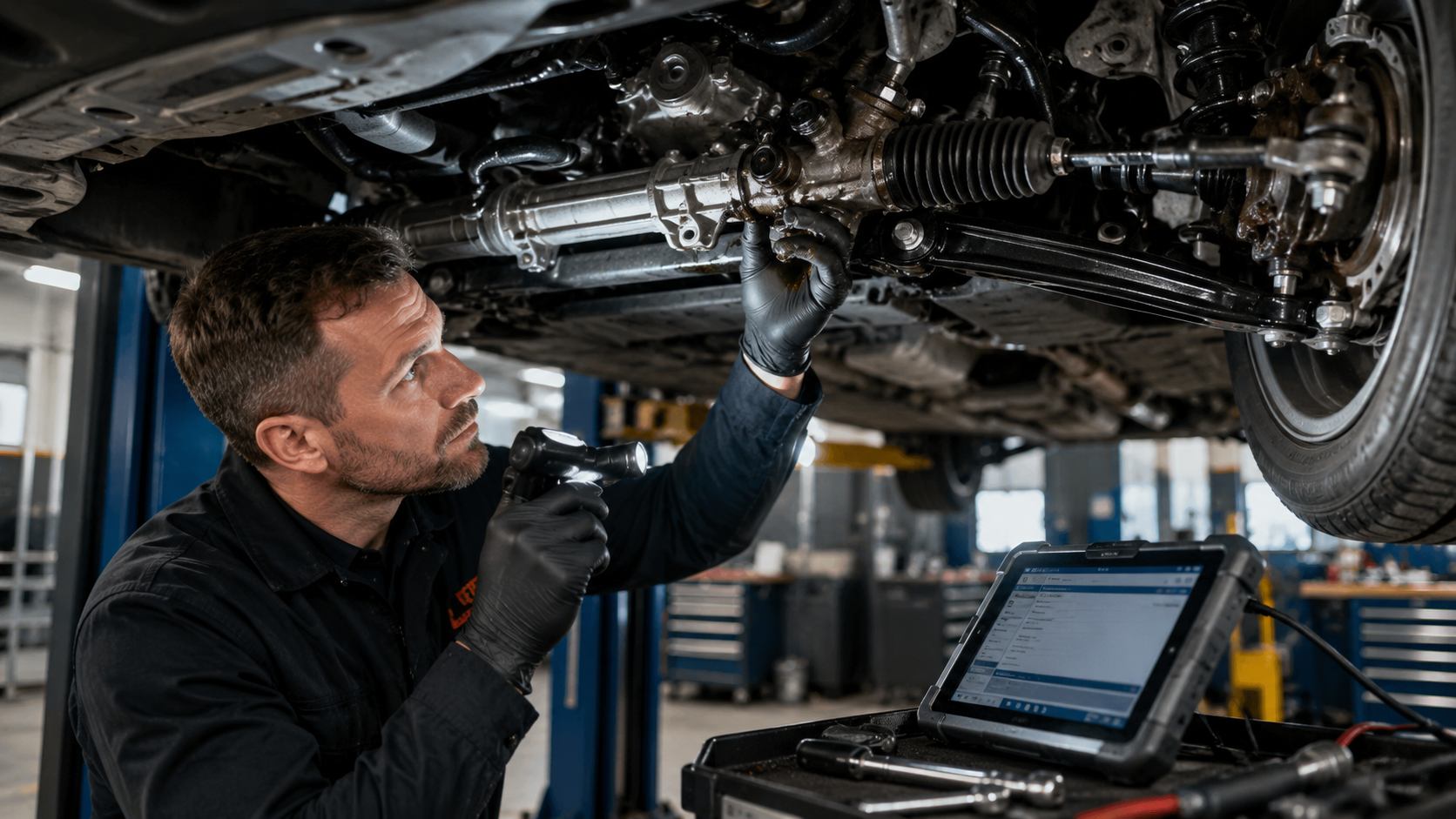
A comprehensive brake system diagnosis includes:
- checking the travel and feel of the brake pedal;
- assessing vibrations and pulsations during braking;
- checking the condition of the pads and discs for uneven wear;
- checking the level and condition of the brake fluid;
- the operation of the electronic ABS and stability control systems.
Even minimal or periodic signs of wear signal the need for immediate inspection. Timely replacement of pads, discs and fluid ensures short braking distances, vehicle stability and the safety of the driver and passengers. Regular maintenance minimizes the risk of accidents and extends the life of the brake system.
It is also important to monitor shock absorbers and silent blocks, as their condition affects the transmission of force to the wheels and the overall stability of the car. Body vibrations during braking may indicate worn shock absorbers, which increases the braking distance and reduces the effectiveness of ABS.
Trajectory control and uniform pressure on the wheels during braking directly depend on the serviceability of all suspension and brake system elements. It is also worth paying attention to the quality of the brake fluid and replacing it periodically, since aging or contamination of the fluid reduces the efficiency of the system and accelerates the wear of the pads and discs.
Top popular news
- Air Conditioner Losing Refrigerant Without Visible Damage: Causes and Solutions
- Why Wheel Alignment Goes Out After Adjustment: It Is Not Always the Alignment Rack
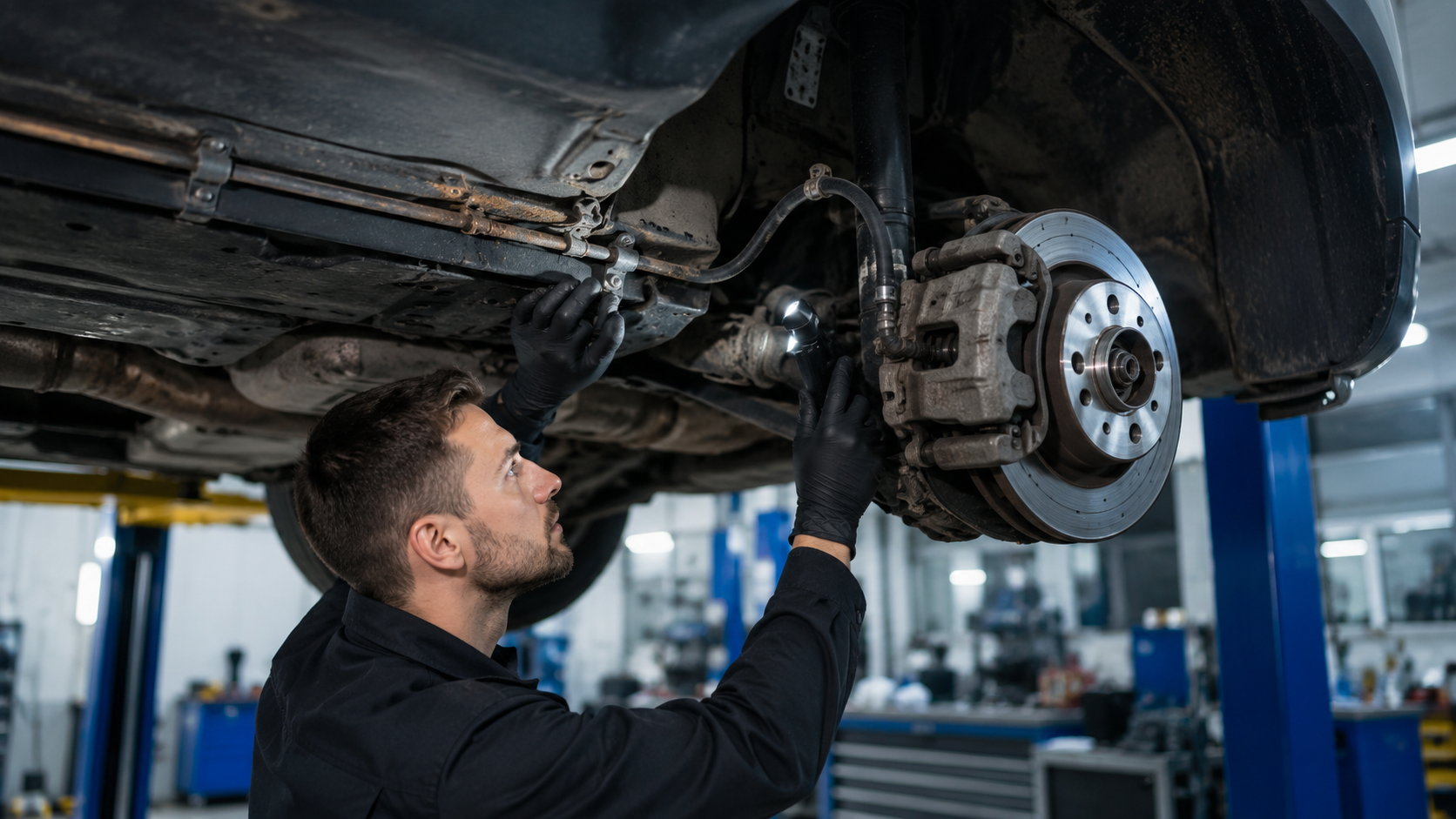
- Seized Brake Caliper: Symptoms, Causes, and Repair
- Changing the Oil in an AWD Differential: Why This Component Is Often Forgotten
- Check Engine Light Flashing: What the Signal Means and Why You Should Not Ignore It
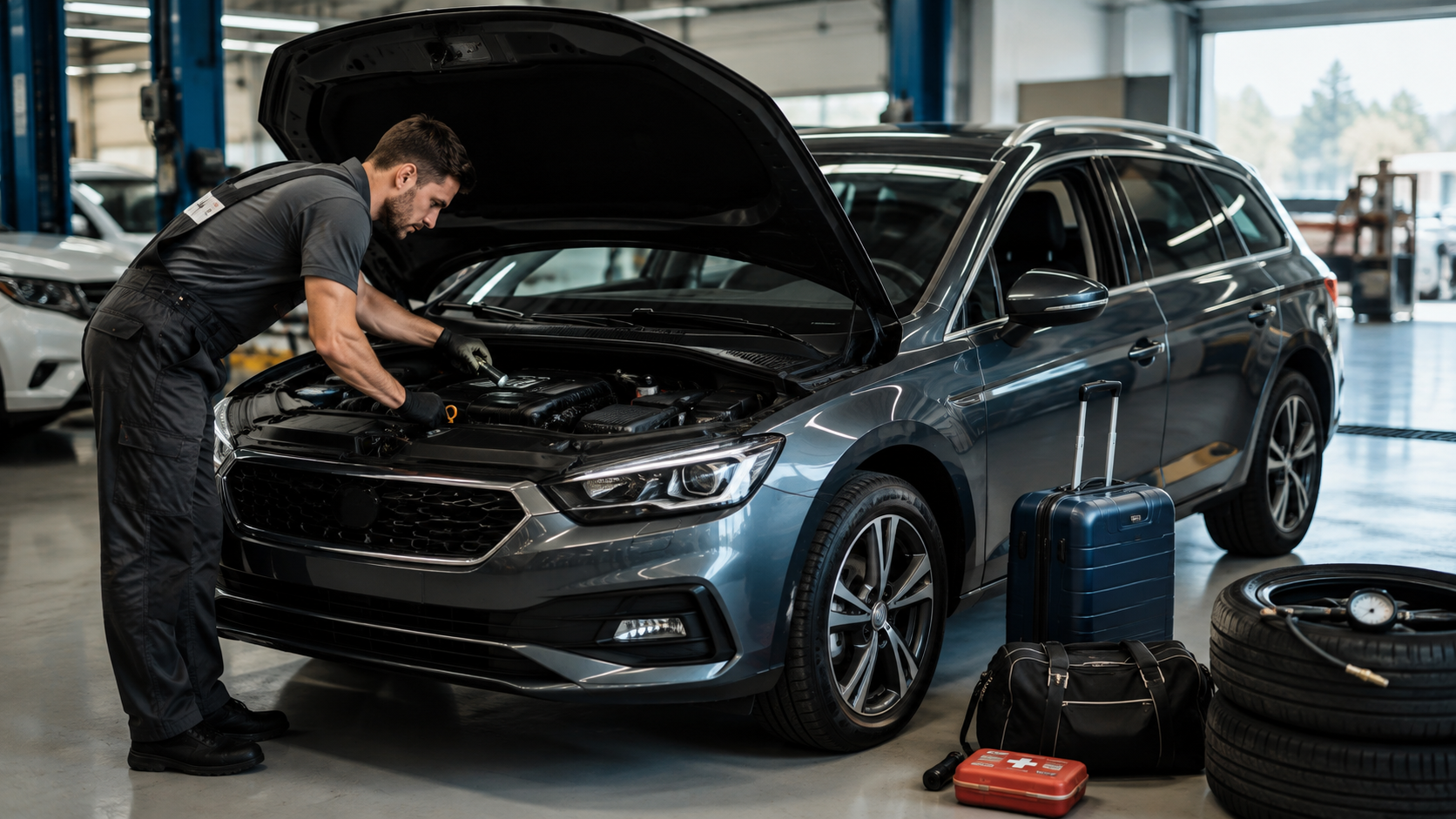
- Preparing a car for a long trip: checklist before departure
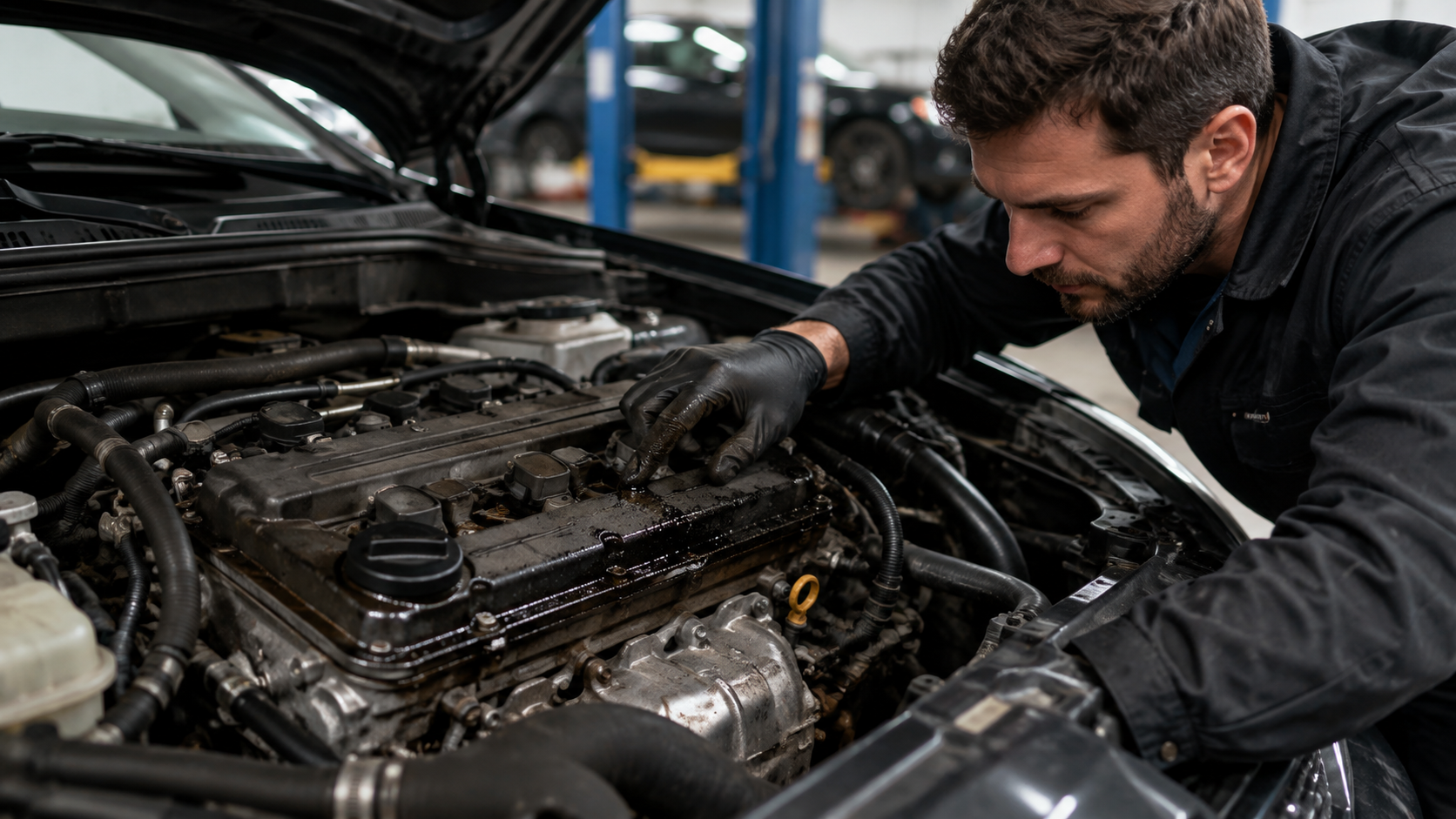
- Oil leaking from the valve cover: causes of seepage and finding the source of the problem
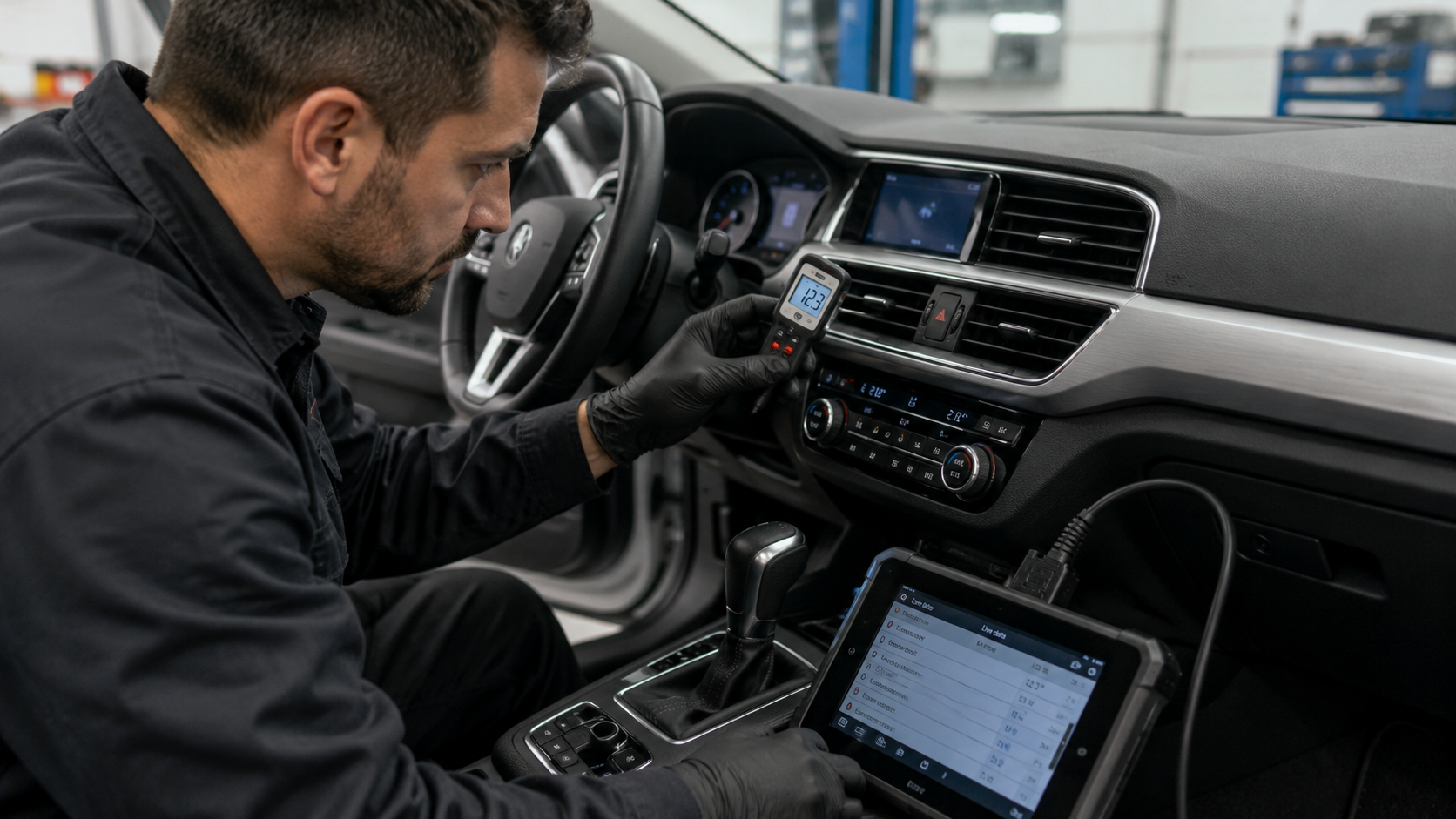
- Automatic climate control does not maintain the set temperature: where to look for the cause

Subscribe to our newsletter!
To stay updated with the latest news


Book a service