Mon-Fri | 08:00 - 20:00


Find

Contact us

Kyiv
46 Kyrylivska St. (Podil)
 Мережа СТО в місті

Kyiv
46 Kyrylivska St. (Podil)
 Мережа СТО в місті

 Години роботи
 Mon-Fri
08:00 - 20:00
What is wheel alignment? Subtleties of repair

Wheel alignment is the angle of inclination and rotation of the wheels of the car relative to the vertical and horizontal planes. It affects the handling, stability and tire wear of a car.
What is a collapse?
Wheel alignment is the angular parameters that determine the position of the wheels in relation to the vertical and to each other. Camber is the angle formed by the plane of the wheel and the vertical plane, and toe-in is the distance between the front or rear edges of the wheels, measured at and below (when the wheels are turned toward the edge of the road) and up (when the wheels are turned in).
When should the alignment be done?
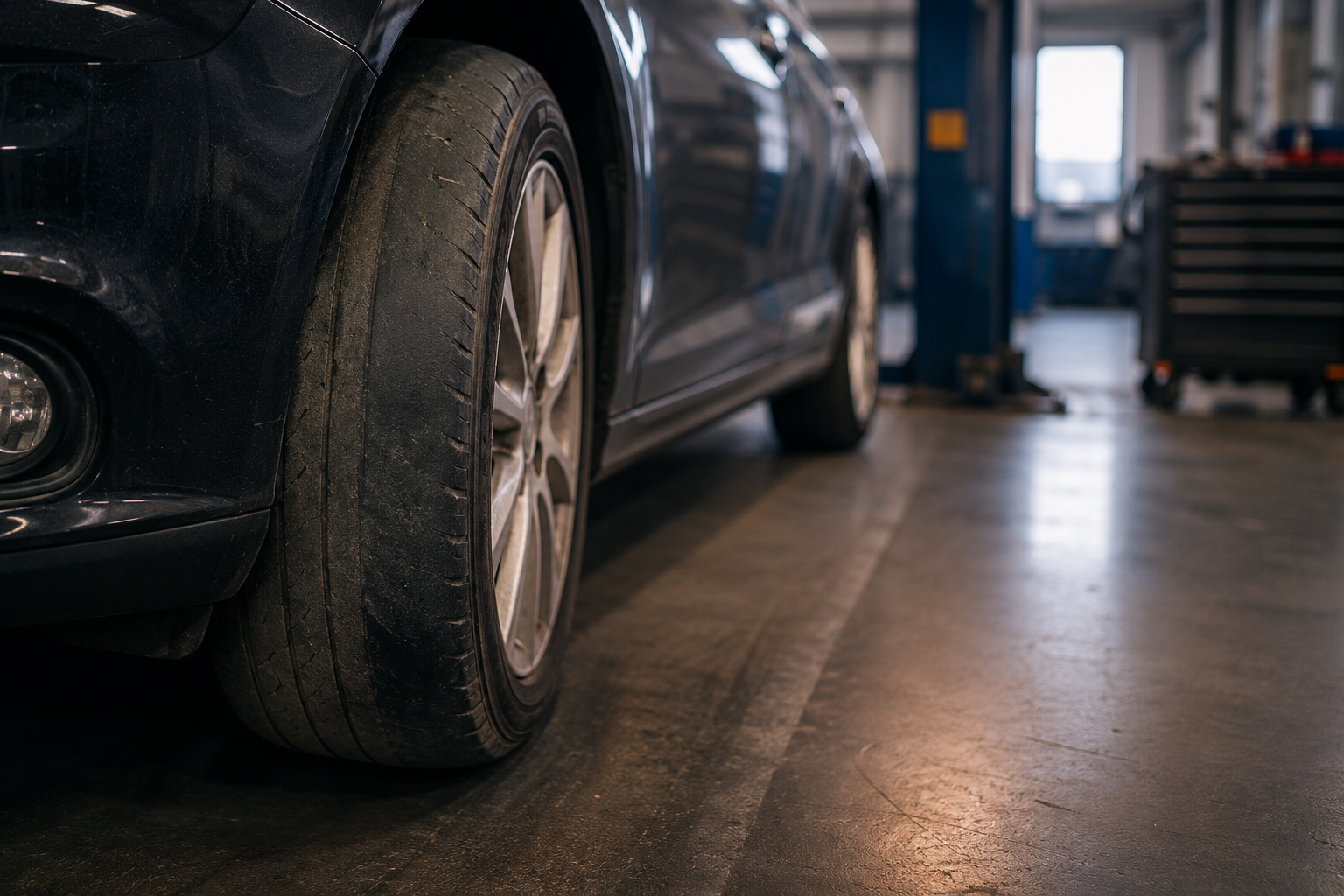
Regular wheel alignment checks are essential to ensure the safety and longevity of your vehicle. Improper wheel alignment can lead to uneven tire wear, increased fuel consumption, poor vehicle handling, increased suspension and steering wear, vibration at high speeds, and uneven brake pad wear.
Angles Adjustment
Wheel alignment is a procedure in which the workshop repositions the wheels to ensure the correct camber and toe angle. It also adjusts the camber and caster angles. Camber is the angle formed by the plane of the wheel and the vertical plane when viewed from the side of the wheel. It determines the angle of the wheel in the plane of motion of the car. Caster is the angle formed by the plane of rotation of the wheel and the vertical plane. It determines the angle of inclination of the axis of rotation of the wheel relative to the vertical in the plane of movement of the car.
How to understand what you need to check the alignment?
There are a number of warning signs that indicate the need to check the wheel alignment. For example, if the vehicle vibrates, makes noise or rattles while driving, tires are unevenly worn, the vehicle is unstable at high speeds or when cornering, this may be a sign that the alignment needs to be checked.
How to check wheel alignment yourself?
Wheel alignment is checked at the stand in the service station. However, you can make some simple checks yourself. For example, you can check the equality of the distances between the front and rear edges of the wheels using a tape measure or tape. You can also check the camber angle by standing the vehicle on a level surface and measuring the distance between the front and rear edges of the wheels, then turning the wheel 20 degrees and repeating the measurements. If the difference in distance between the front and rear edges of the wheels is different in the two positions, then this may indicate an incorrect camber angle.
How do the alignment of wheels in the service station?
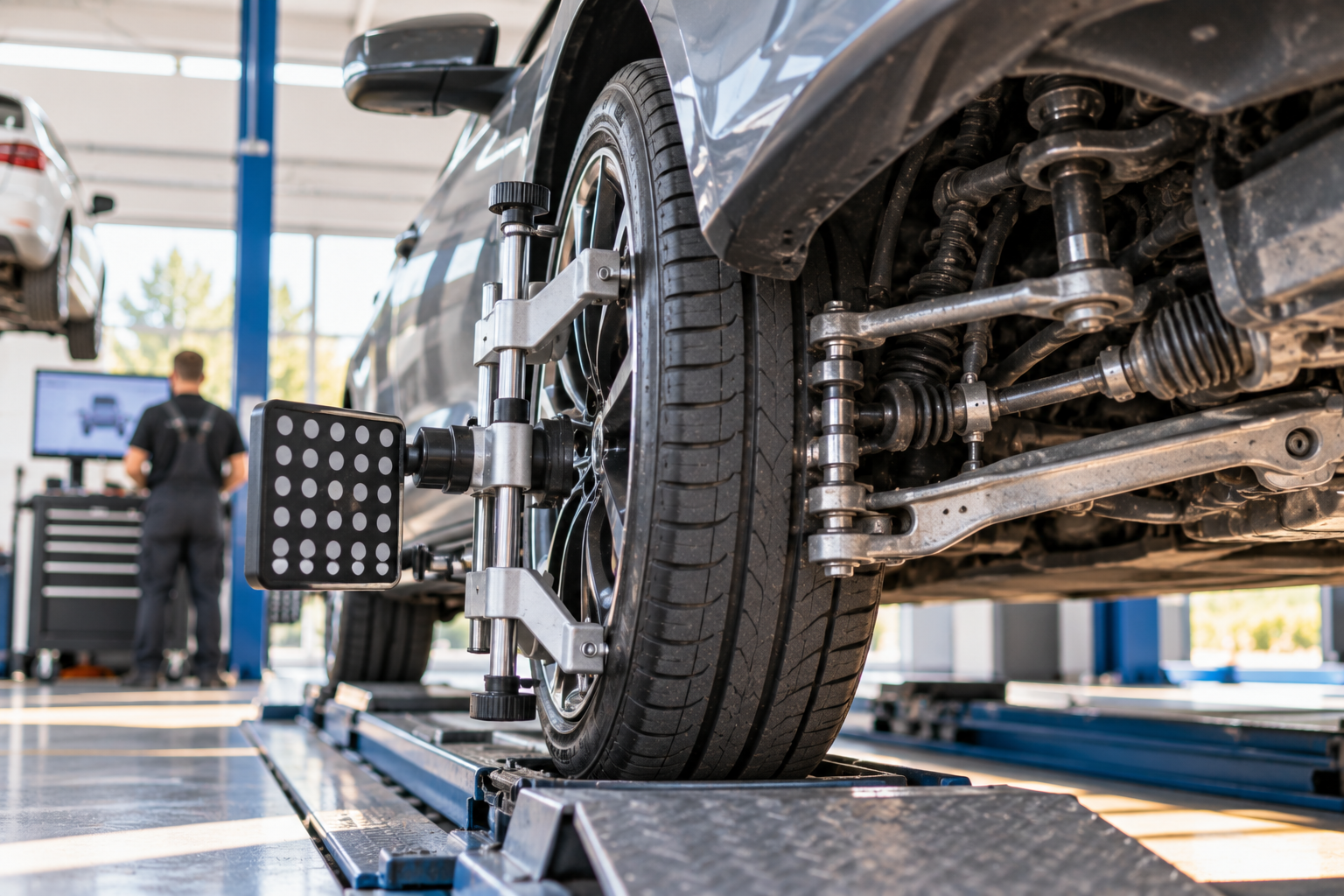
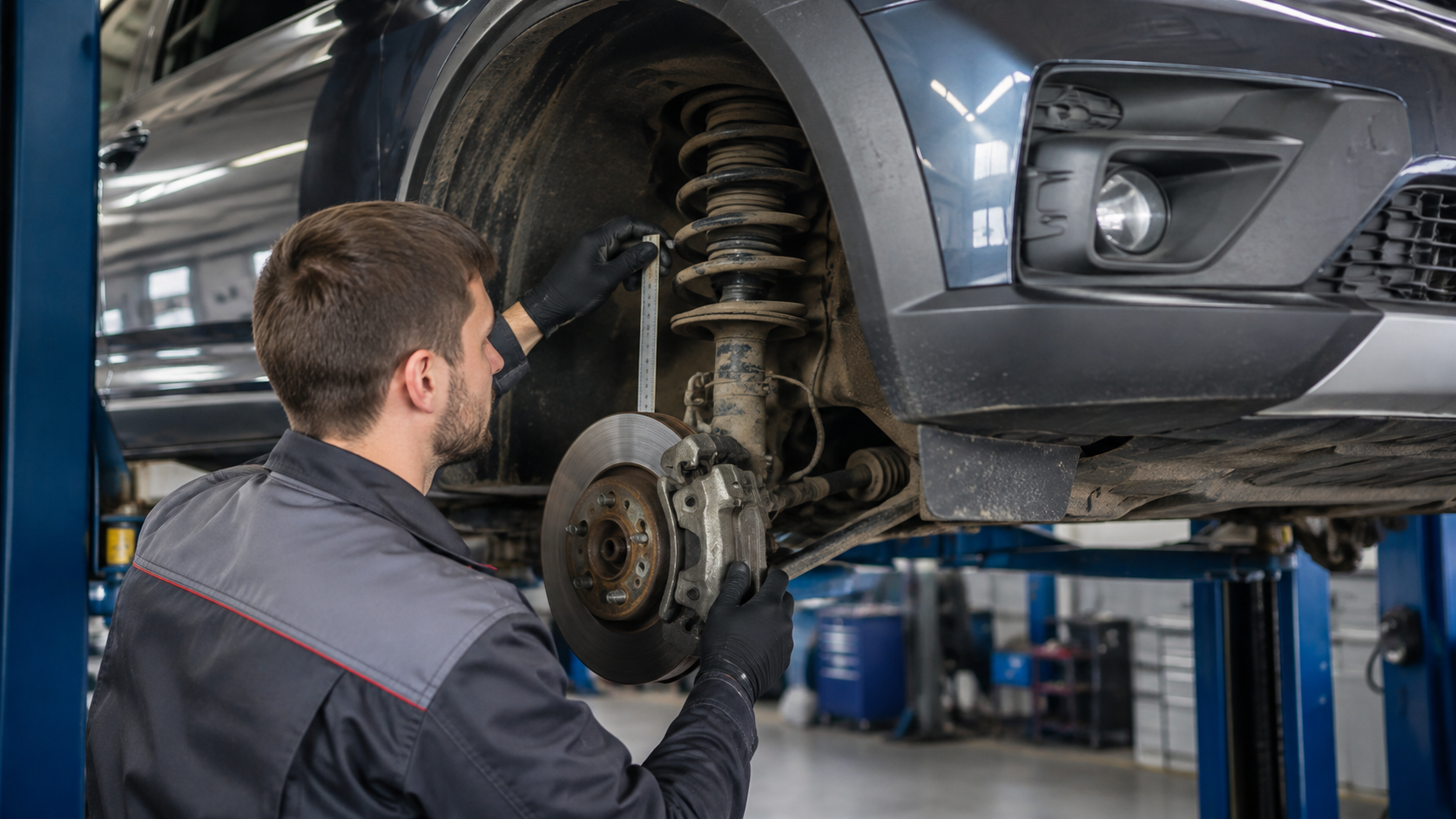
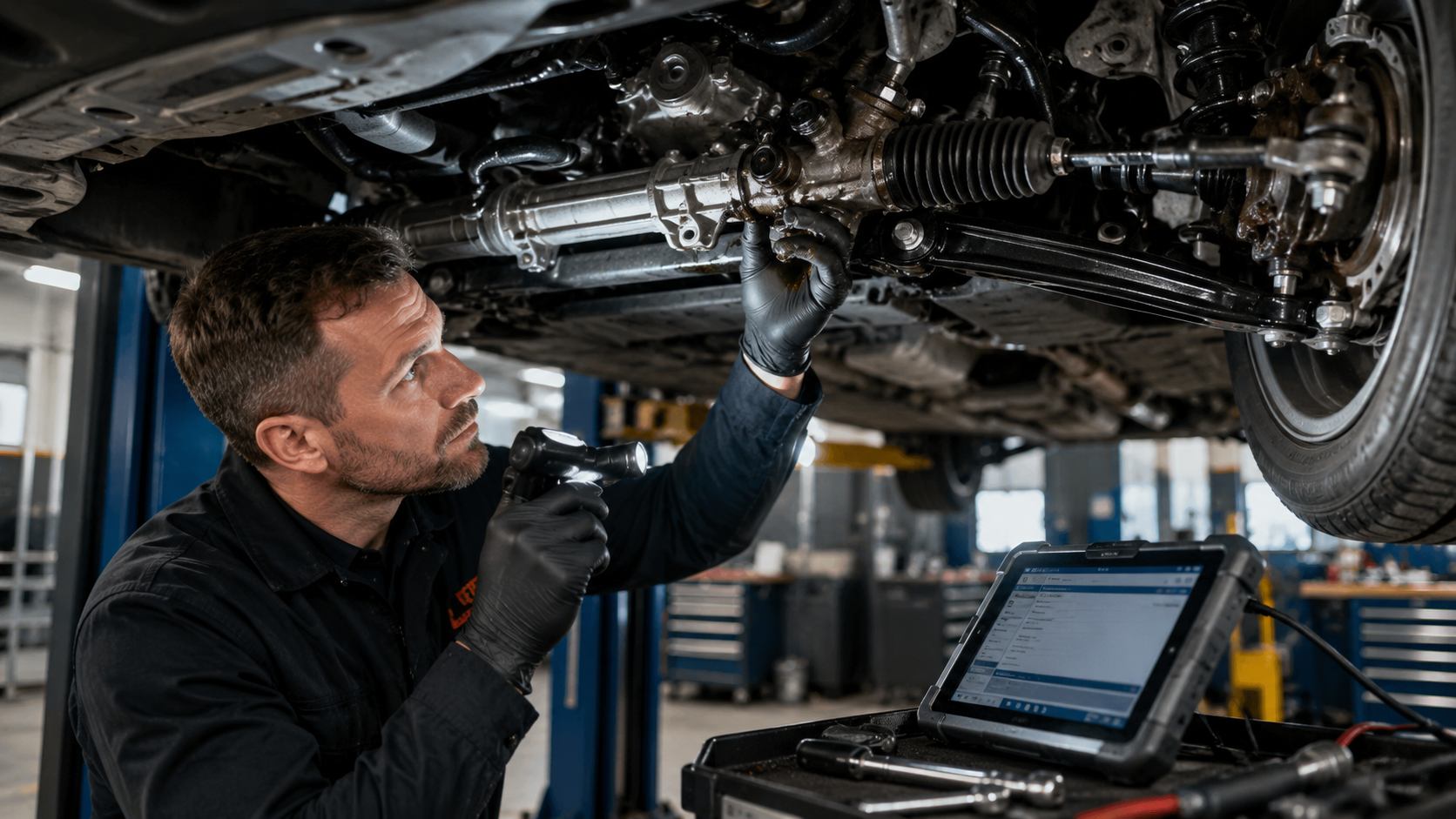
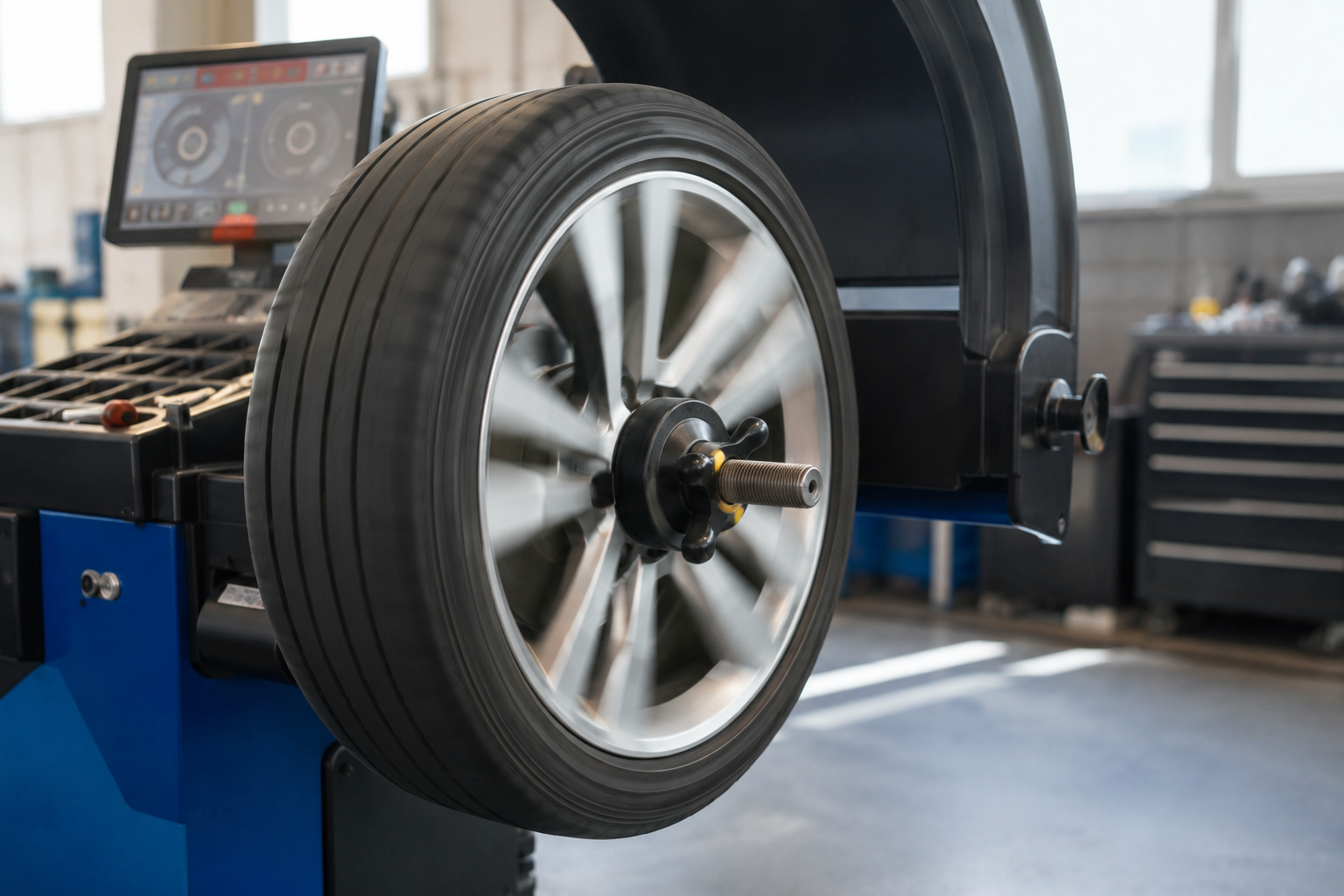
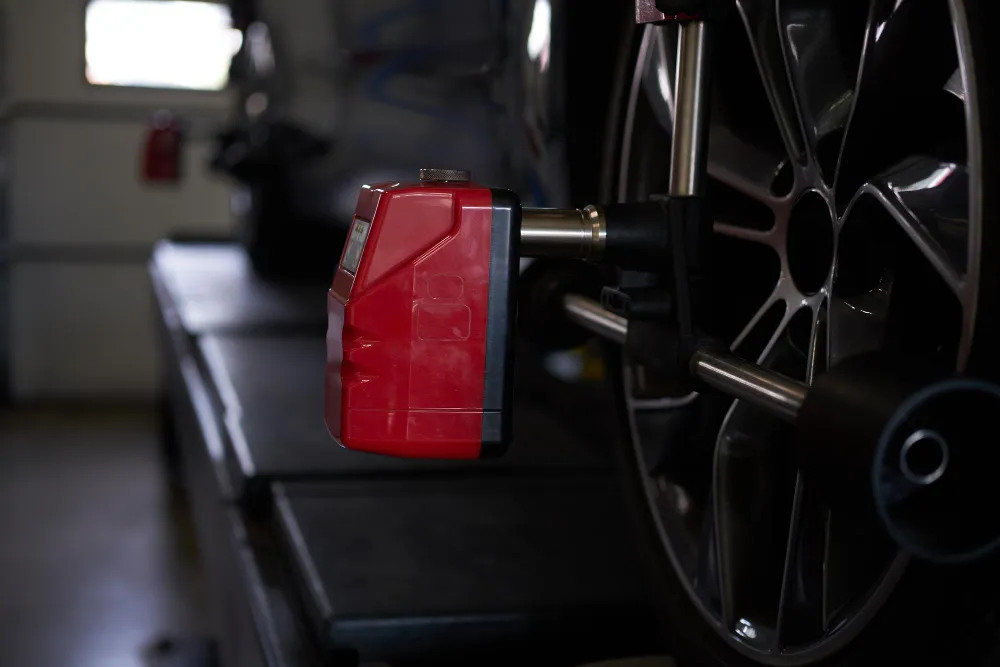
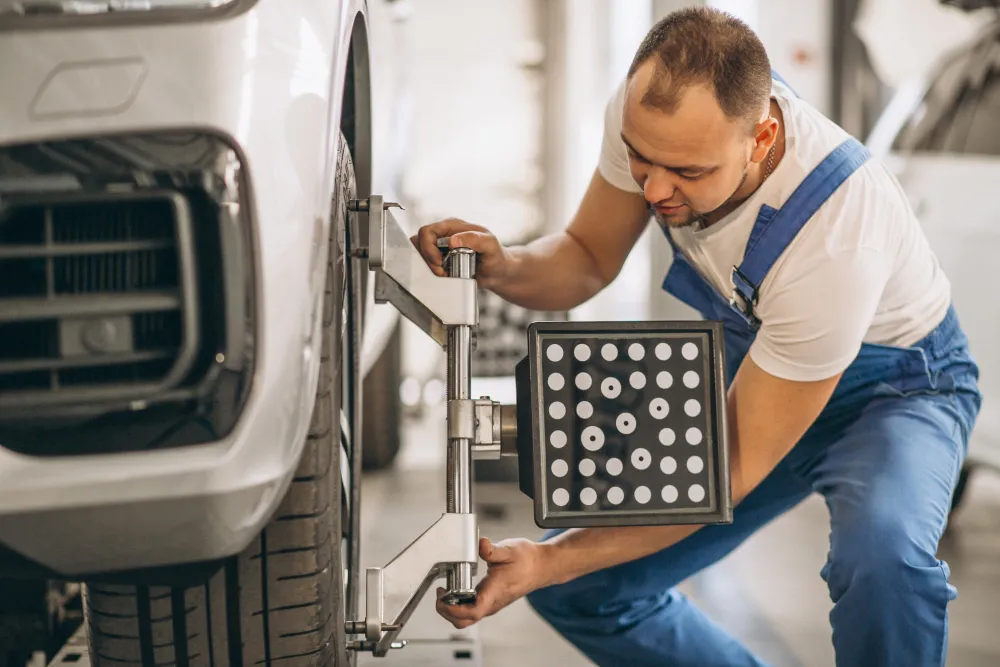
When adjusting the camber-toe angles in the service station, specialists use special equipment that allows you to accurately determine and correct the camber, toe, camber and caster angles. First, the car is lifted onto a special lift, then it is installed on a stand, where the camber, toe, camber and caster angles are measured. After that, adjustments are made, which depend on the specific make and model of the car, as well as on its characteristics and features.
Therefore, regular wheel alignment checks and adjustments are essential to ensure the safety and longevity of your vehicle. Signs of misalignment can lead to problems such as road instability, increased tire wear and increased fuel consumption. Therefore, if you suspect that there are problems with wheel alignment, it is recommended that you contact a service station for diagnosis and repair.
We hope that our article helped you figure out what wheel alignment is, when it needs to be done, how angles are adjusted and how to check wheel alignment yourself. Follow the recommendations of professionals and take care of your safety on the road.
Top popular news
- Air Conditioner Losing Refrigerant Without Visible Damage: Causes and Solutions
- Why Wheel Alignment Goes Out After Adjustment: It Is Not Always the Alignment Rack
- Seized Brake Caliper: Symptoms, Causes, and Repair
- Changing the Oil in an AWD Differential: Why This Component Is Often Forgotten
- Check Engine Light Flashing: What the Signal Means and Why You Should Not Ignore It
- Preparing a car for a long trip: checklist before departure
- Oil leaking from the valve cover: causes of seepage and finding the source of the problem
- Automatic climate control does not maintain the set temperature: where to look for the cause

Subscribe to our newsletter!
To stay updated with the latest news


Book a service