Mon-Fri | 08:00 - 20:00


Find

Contact us

Kyiv
46 Kyrylivska St. (Podil)
 Мережа СТО в місті

Kyiv
46 Kyrylivska St. (Podil)
 Мережа СТО в місті

 Години роботи
 Mon-Fri
08:00 - 20:00
Brake pipes and hoses: different designs with different risks
A vehicle’s braking system consists of more than pads, discs, and calipers. The lines that carry brake-fluid pressure also play an important role, and the condition of these lines affects the stability of the entire hydraulic circuit.
Vehicles use two main types of brake lines: rigid brake lines and flexible rubber hoses. They perform different tasks and therefore fail in different ways.
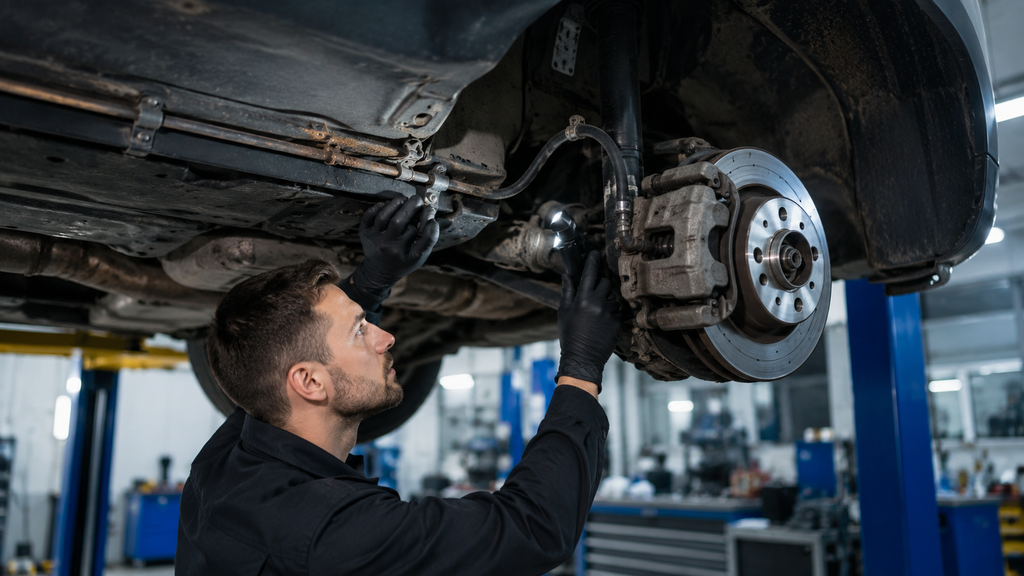
Signs of brake-pipe corrosion may be difficult to notice at an early stage. This is particularly dangerous because the outside appearance of a component does not always show the true extent of the damage. Metal can gradually lose strength at bends or mounting points, while a serious problem may become apparent only after the pipe wall has deteriorated significantly.
Metal lines and rubber hoses: how their roles differ
Rigid brake lines run along the vehicle body and connect the main components of the braking system. Their job is to transmit pressure consistently without deforming when the brake pedal is pressed.
A flexible brake hose is installed near the wheels, where it must accommodate suspension movement and hub steering. Its rubber construction allows it to change position without losing its seal.
These components age in different ways. Rubber gradually loses elasticity, develops microcracks, or may be damaged by mechanical contact. Metal pipes are affected mainly by corrosion.
Brake-pipe corrosion: hidden deterioration of the metal
The most vulnerable areas are pipe mounting points on the body, bends, and places where dirt and moisture accumulate. The protective coating is damaged more quickly in these locations, after which metal oxidation begins.
The following changes in brake-line condition may indicate developing corrosion:
- rust on the surface of the pipes;
- damage to the protective coating;
- traces of moisture near joints;
- brake-fluid stains;
- uneven condition of different sections of the line.
Why a brake pipe bursts is often related not to a single event but to long-term deterioration of the metal under environmental exposure. Light corrosion can gradually weaken the pipe wall until hydraulic load becomes critical.
How moisture, salt, and road chemicals affect brake lines
The underside of a vehicle is constantly exposed to water, dirt, and chemicals from the road. Winter is especially harsh on metal parts because salt and de-icing agents reach the body and suspension.
Moisture remains around mounting points and in areas that are difficult to clean thoroughly. As a result, corrosion can develop gradually without obvious external changes.
Another load factor is the brake fluid’s ability to absorb moisture. Its properties change over time, so regular maintenance helps keep the hydraulic braking circuit working consistently.
Inspecting brake pipes and hoses during maintenance
Inspecting the braking system for corrosion makes it possible to assess the lines before serious damage develops. Particular attention is paid to areas most exposed to moisture and dirt.
During an inspection, technicians check:
- the points where pipes are attached to the body;
- bends in the metal lines;
- the condition of rubber hoses;
- the surfaces of joints and fittings;
- possible signs of fluid leakage.
This inspection is easier on a lift because some brake lines run under the vehicle and cannot be examined properly from above.
How long brake pipes last depends on operating conditions, material quality, and the condition of the vehicle body. Cars regularly driven on roads with a lot of moisture and de-icing chemicals require closer monitoring.
Sudden loss of sealing is more dangerous than rubber ageing
The condition of a rubber hose can usually be assessed visually. Cracks, bulges, or damage to the outer layer indicate that additional inspection is required.
A metal pipe may look serviceable for a long time even while deterioration is already occurring. For this reason, a weakened section can rupture suddenly.
A soft brake pedal caused by a hose or pipe may result from loss of system sealing. The cause may be a damaged line, air entering the circuit, or loss of some brake fluid.
When choosing between repair and brake hose or pipe replacement, the cost is determined after the specific damage, part type, and accessibility of the installation point are assessed.
Brake lines are safety-critical components. Monitoring their condition helps detect metal deterioration and rubber ageing in time and prevents a dangerous loss of hydraulic integrity while driving.
Top popular news
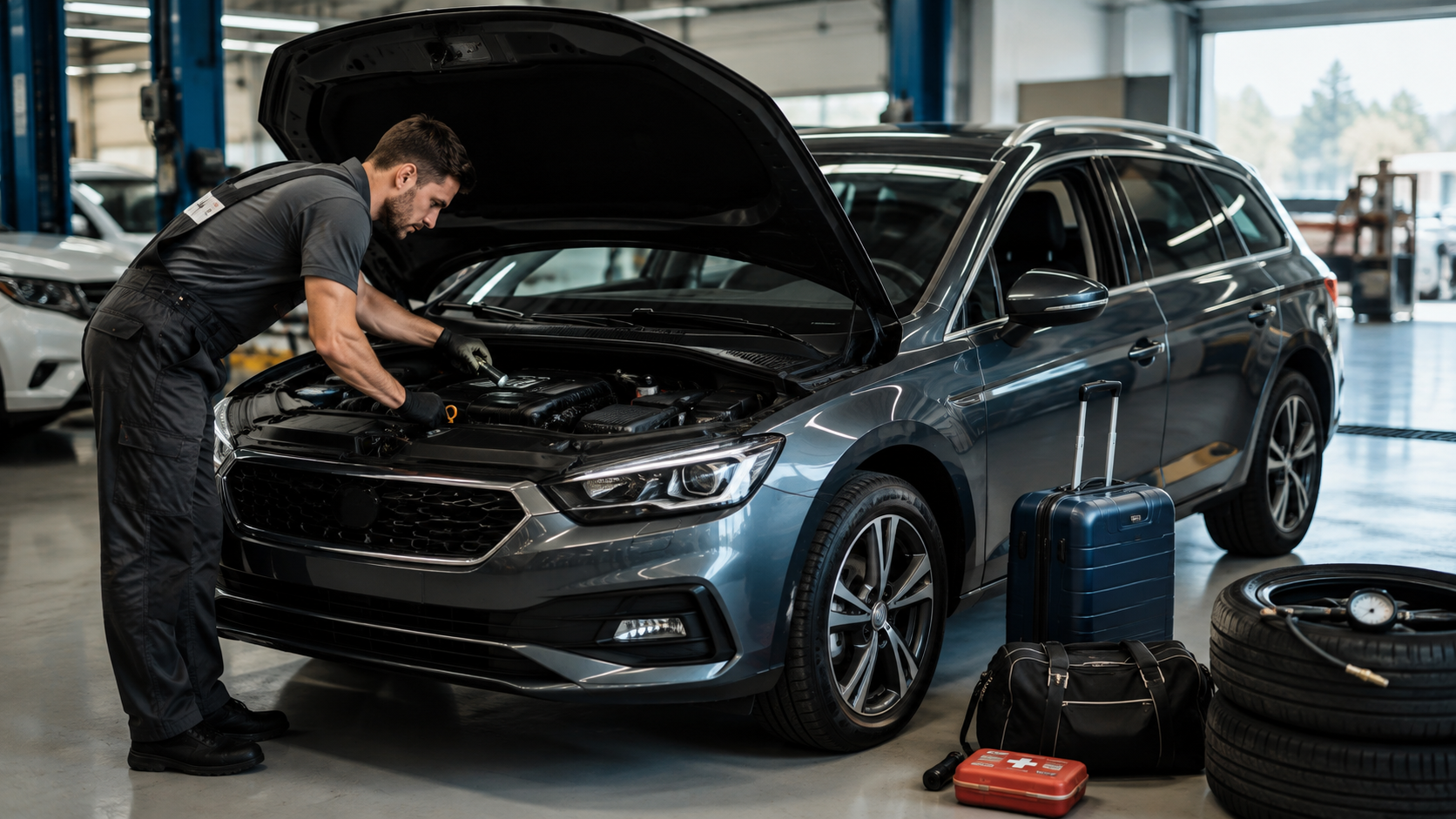
- Preparing a car for a long trip: checklist before departure
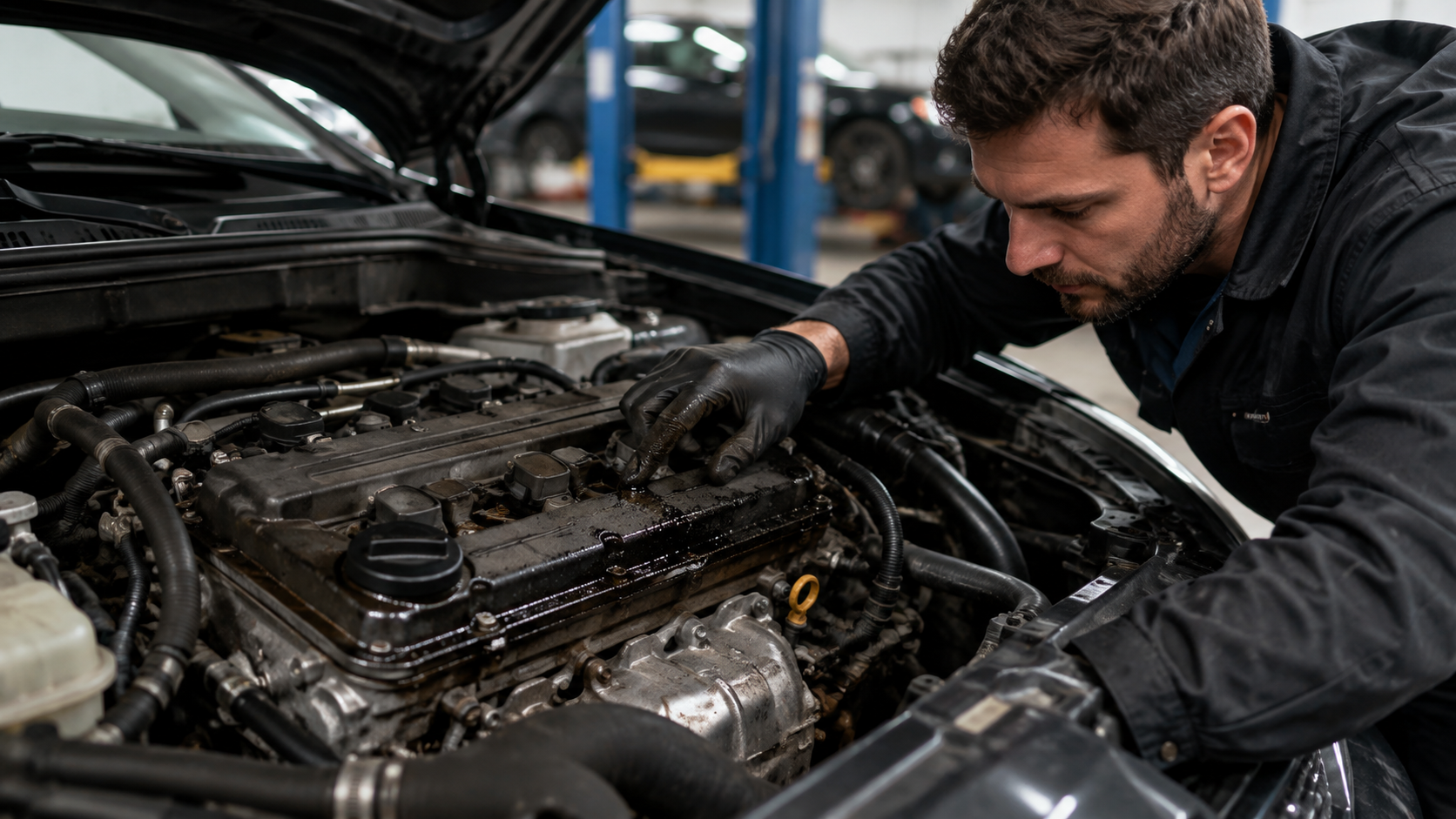
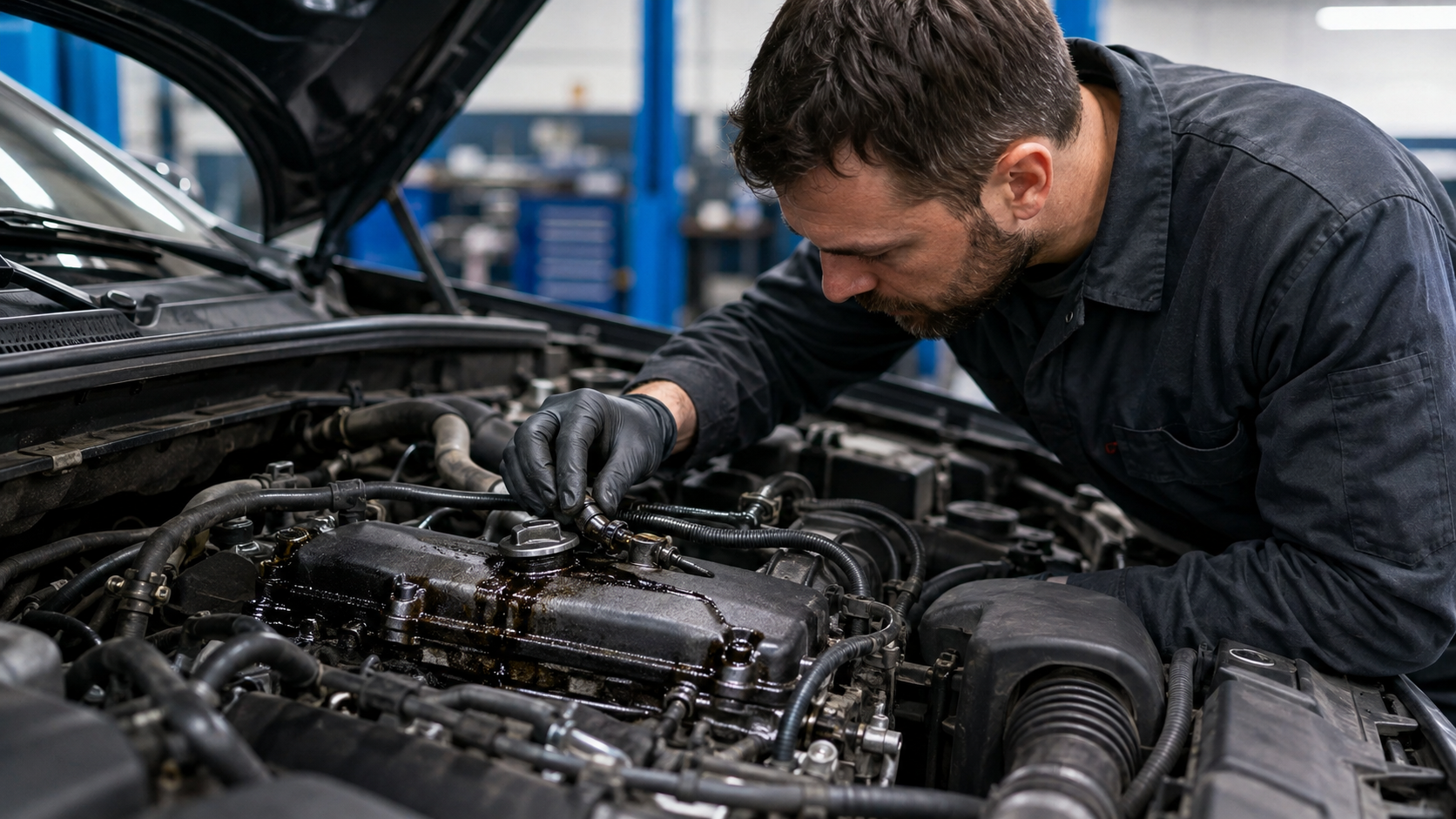
- Oil leaking from the valve cover: causes of seepage and finding the source of the problem
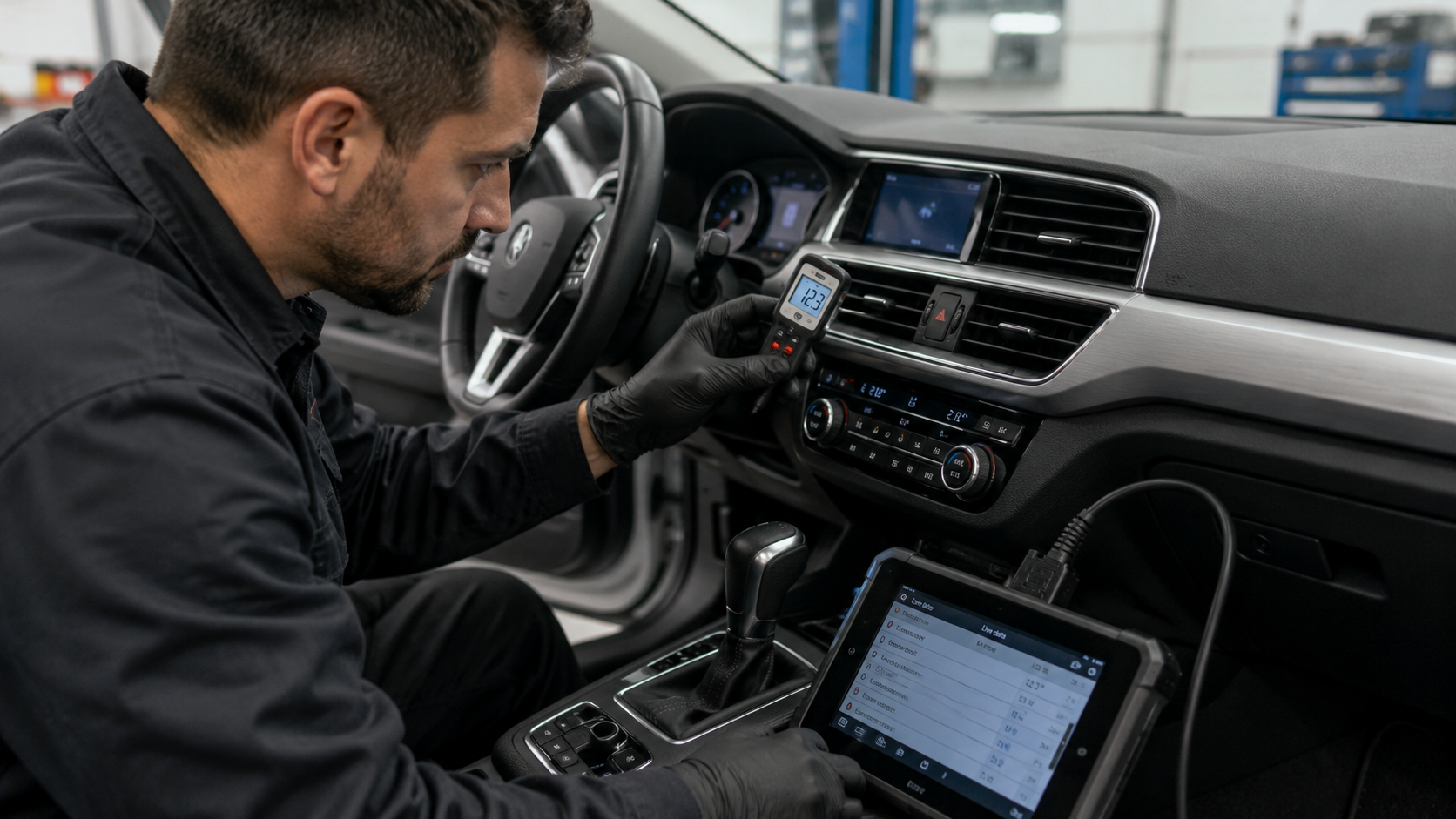
- Automatic climate control does not maintain the set temperature: where to look for the cause
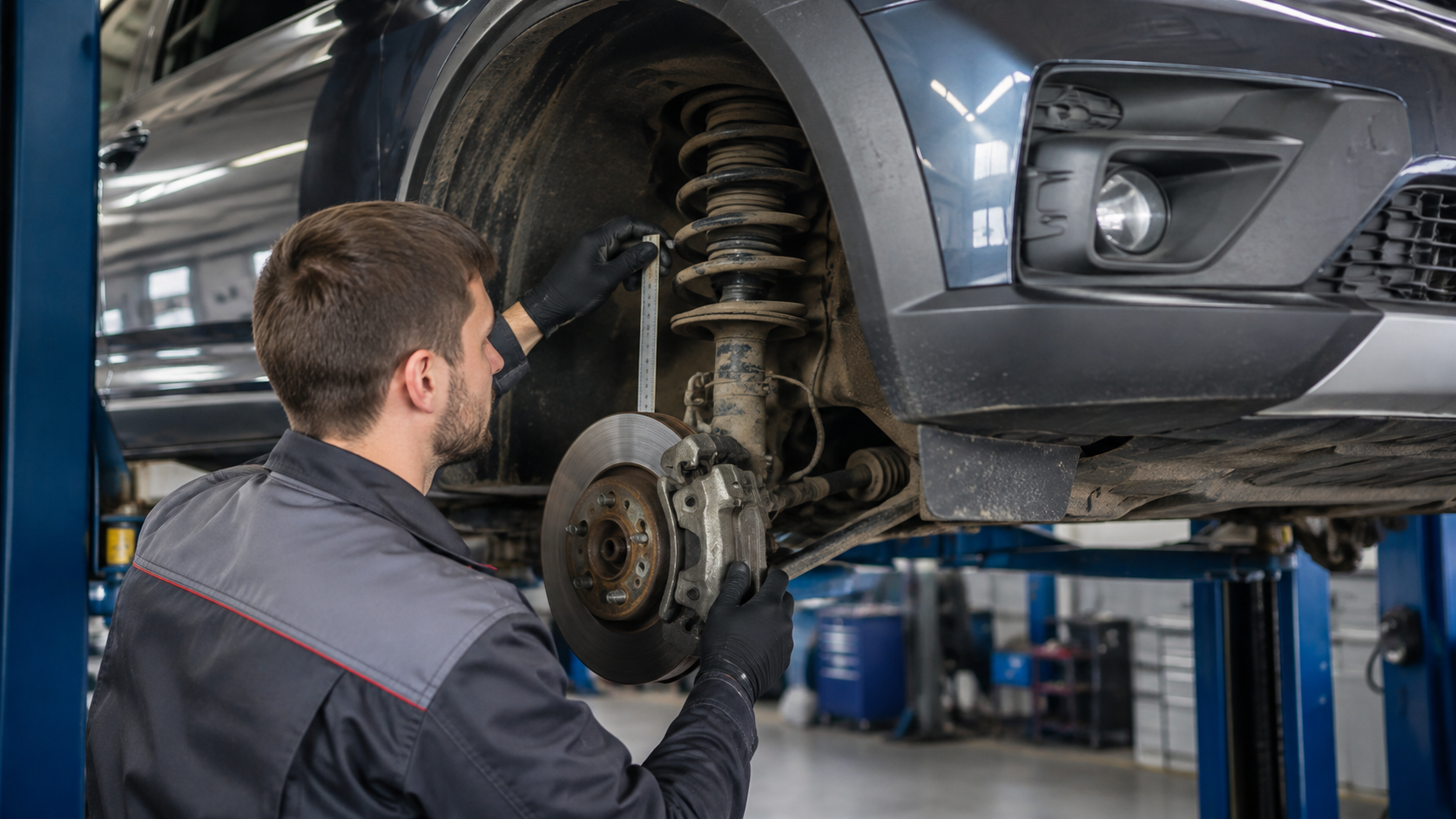
- Suspension spring sagging: gradual loss of performance without an obvious failure
- PCV crankcase ventilation valve: why a fault leads to oil leaks
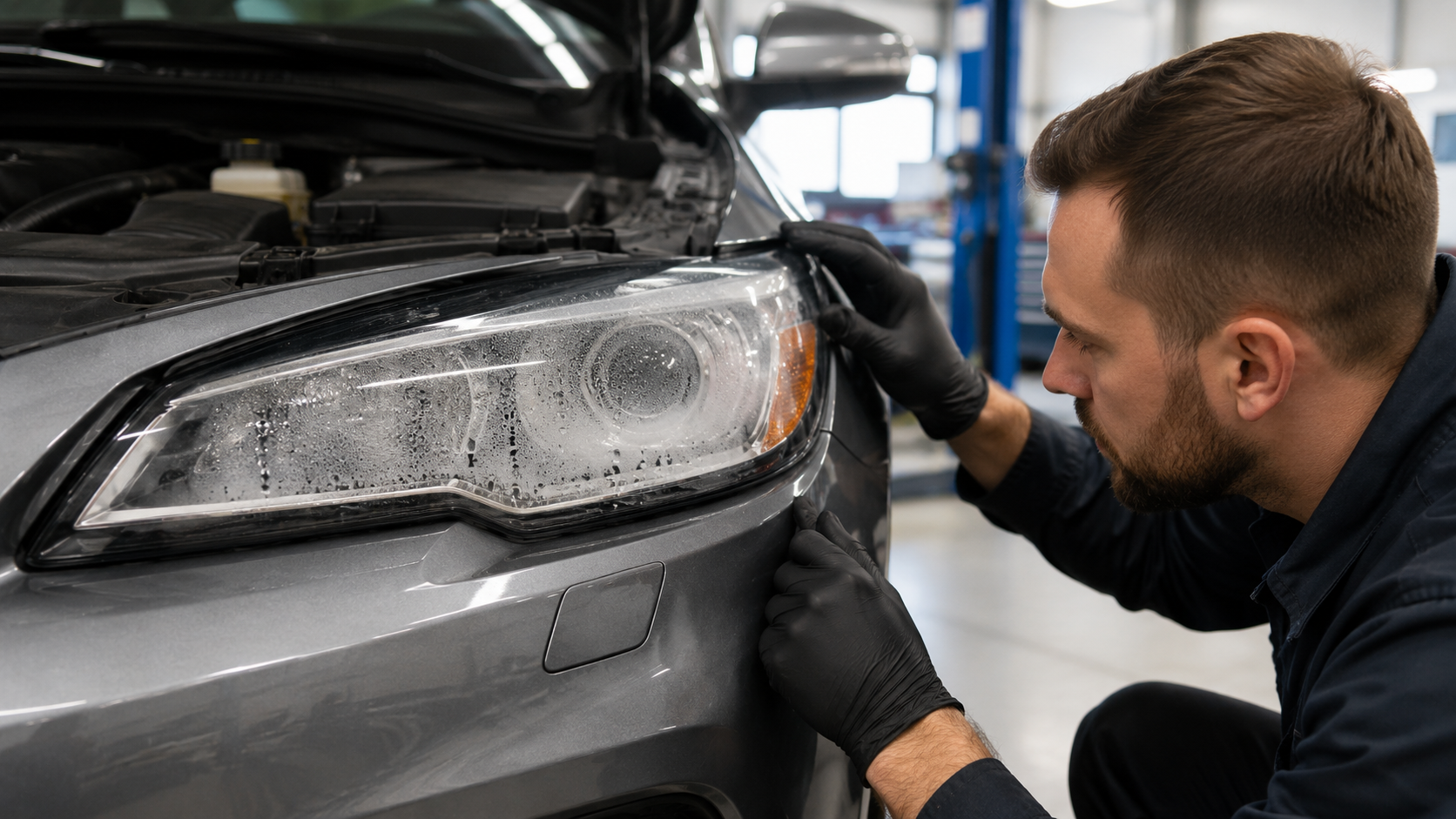
- Headlights fogging from the inside: normal condensation or a sign of housing damage
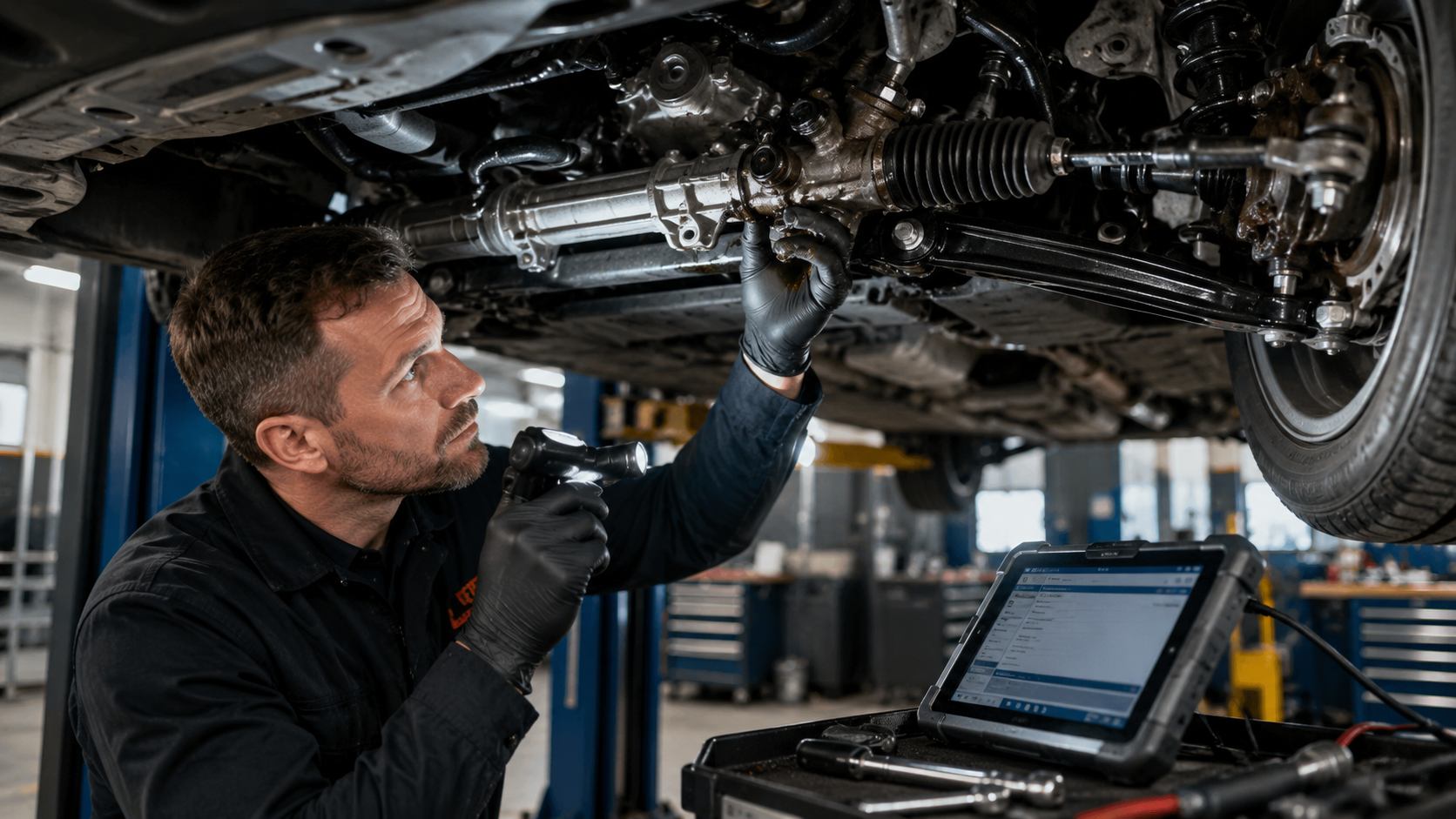
- Steering rack: hydraulic leak or electric power-steering fault – how the problem is diagnosed
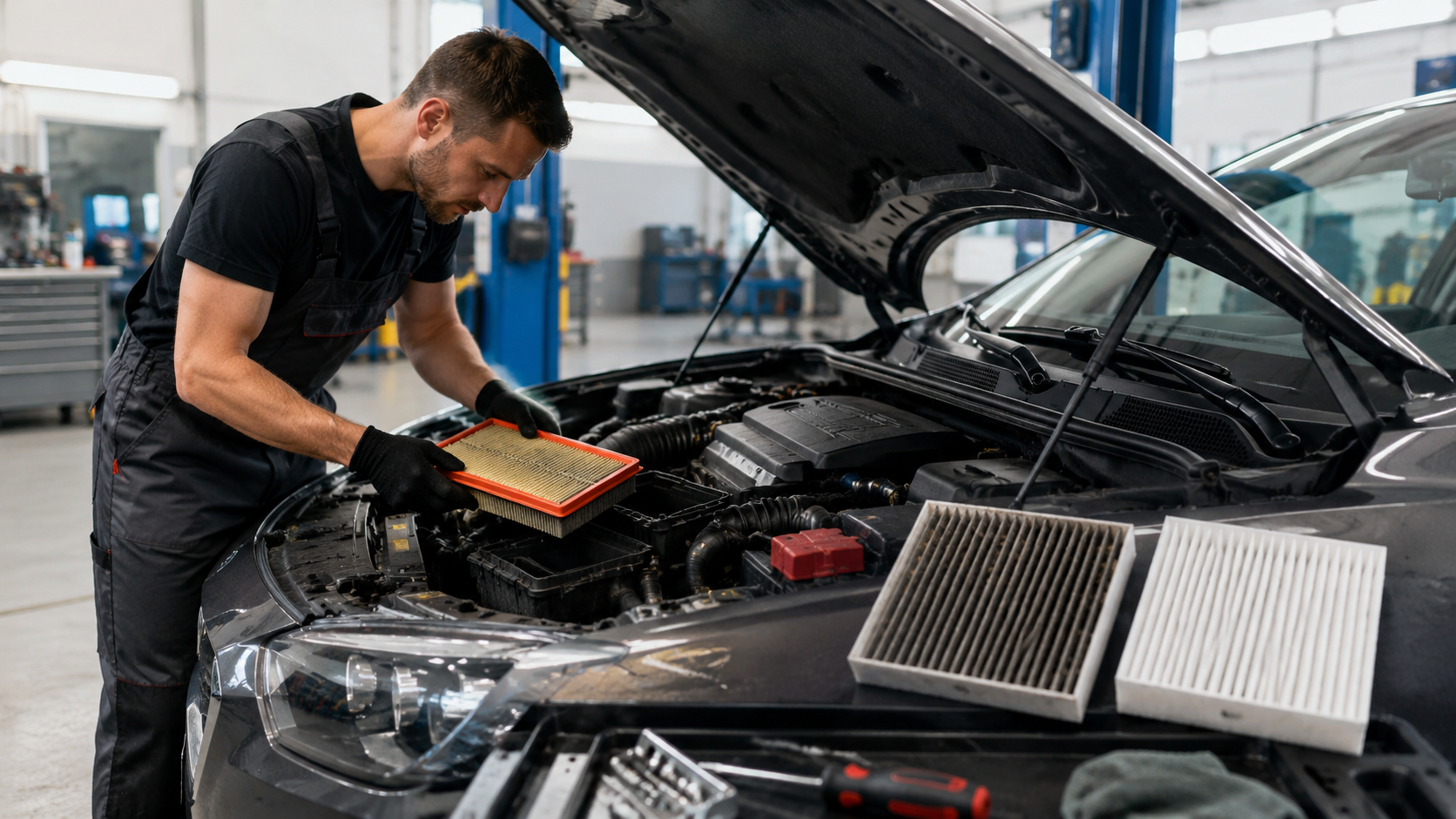
- Engine air and cabin filter replacement: why urban conditions change service intervals

Subscribe to our newsletter!
To stay updated with the latest news


Book a service