Mon-Sut | 09:00 - 19:00


Find

Contact us

Kyiv
18 Teplovozna Street (Poznyaki)
 Мережа СТО в місті

Kyiv
18 Teplovozna Street (Poznyaki)
 Мережа СТО в місті

 Години роботи
 Mon-Sut
09:00 - 19:00


Engine repair: basic principles and methods

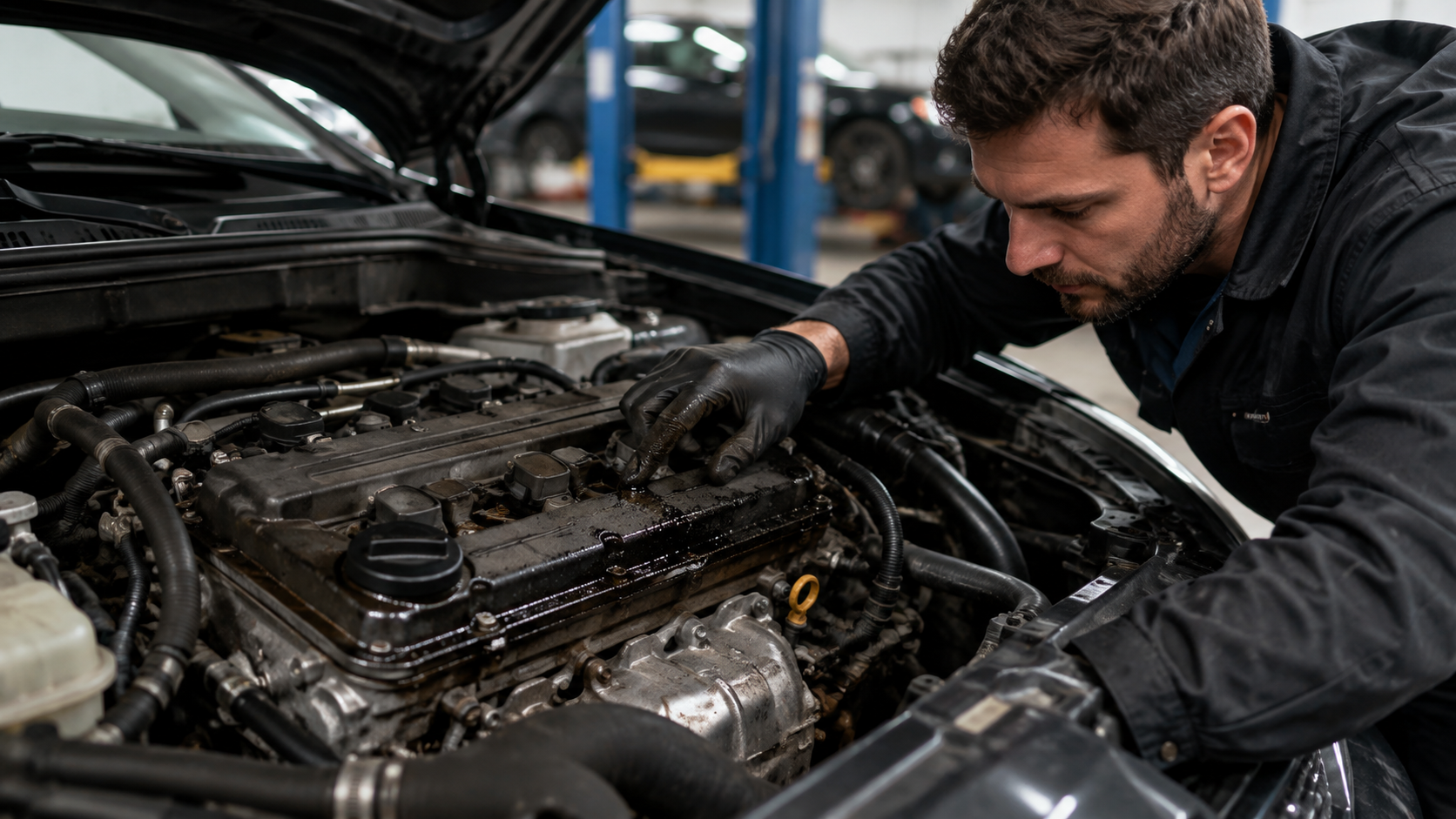
Engine repair is the process of restoring the performance of the power unit, which may be required in the event of failure or wear. Engine repair includes a range of activities, from troubleshooting to break-in and post-assembly testing.
General concepts of engine repair
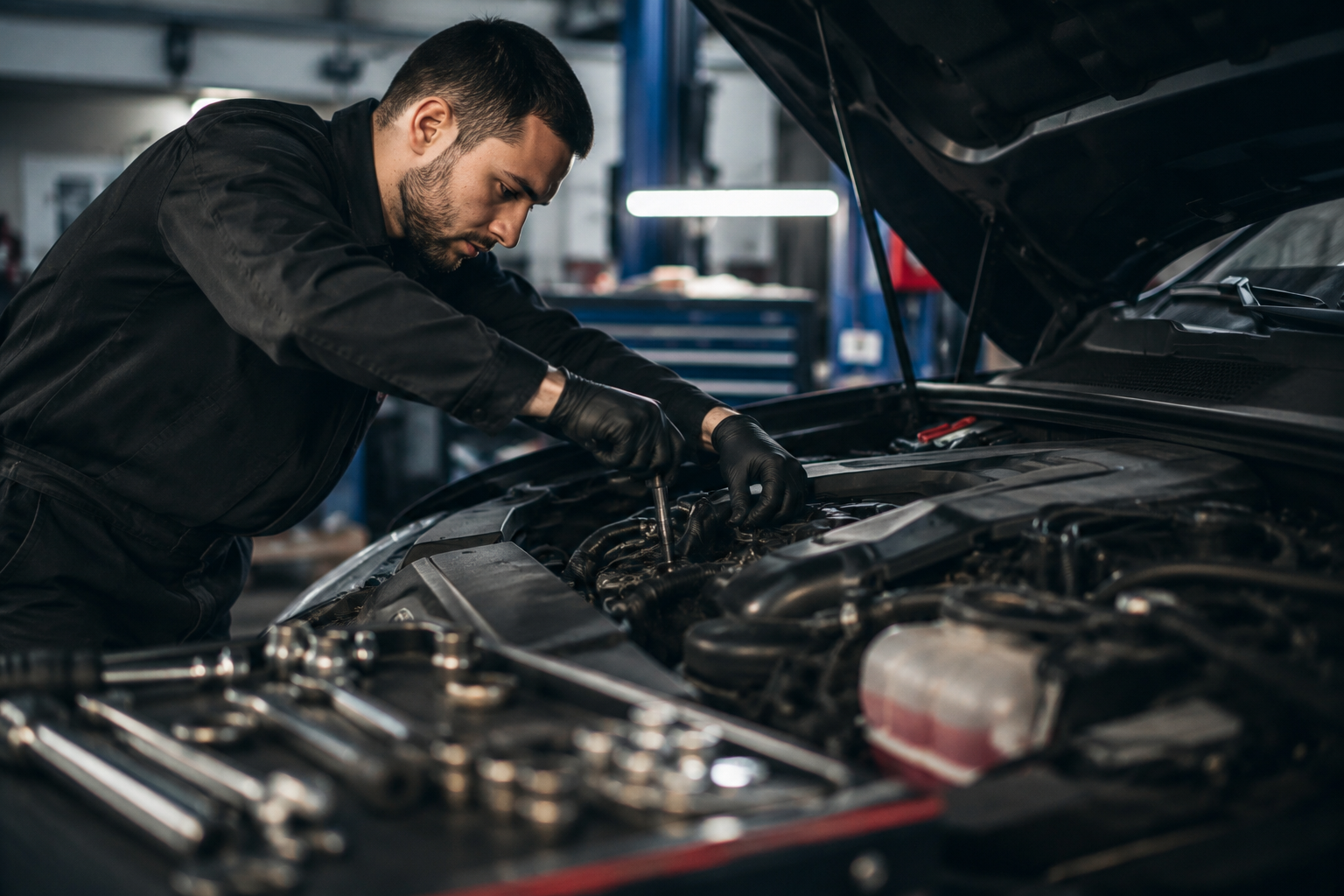
Engine repair is a complex technical process that requires professional knowledge and skills. The purpose of the repair is to restore engine performance and increase its service life. Repair can be carried out both in case of engine breakdown, and for preventive purposes.
Dismantling & Disassembly
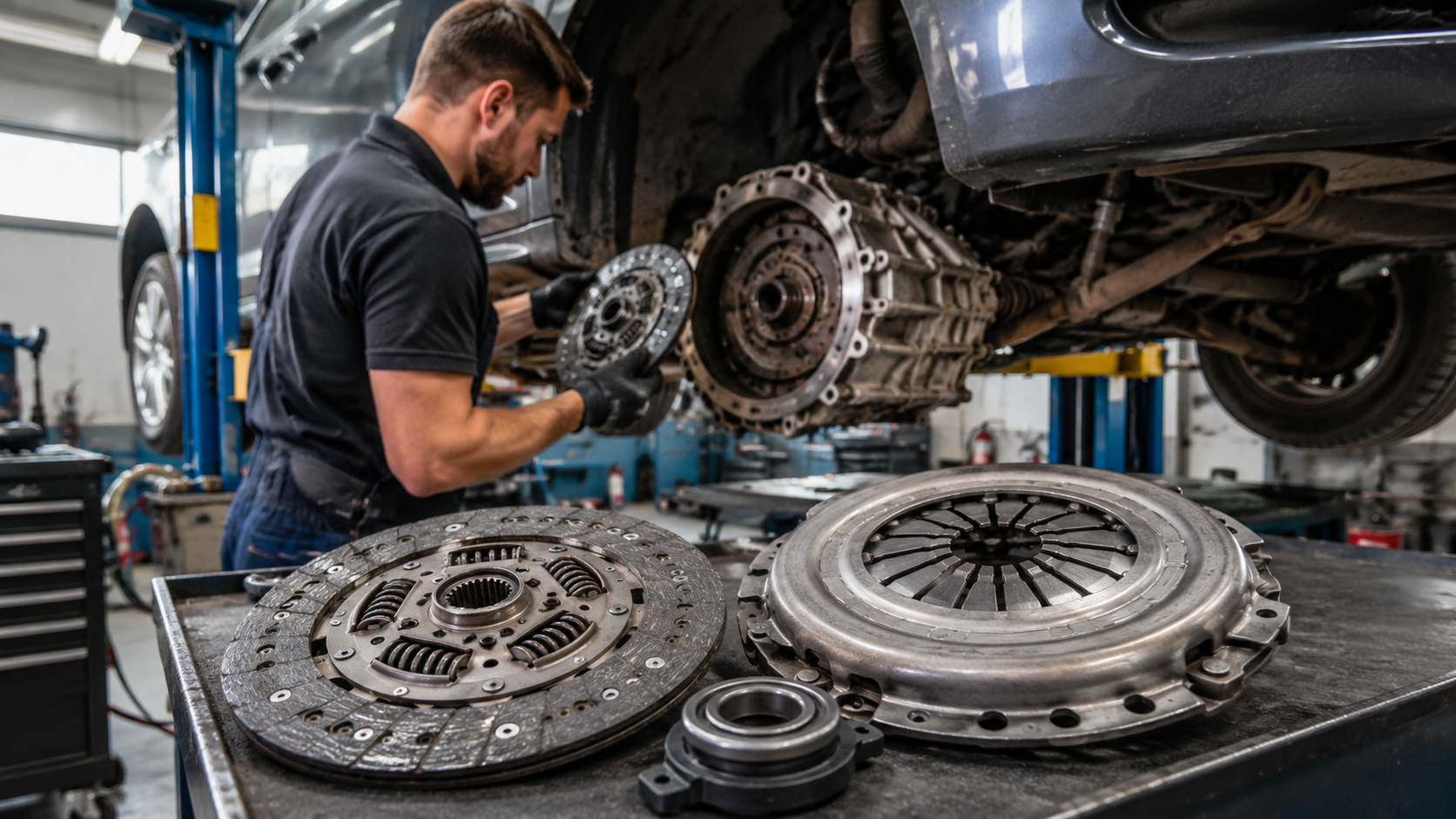
The first stage of engine repair is dismantling and disassembly. At this stage, the power unit is removed from the car, it is disassembled into separate parts and parts, as well as troubleshooting elements.
Troubleshooting Elements
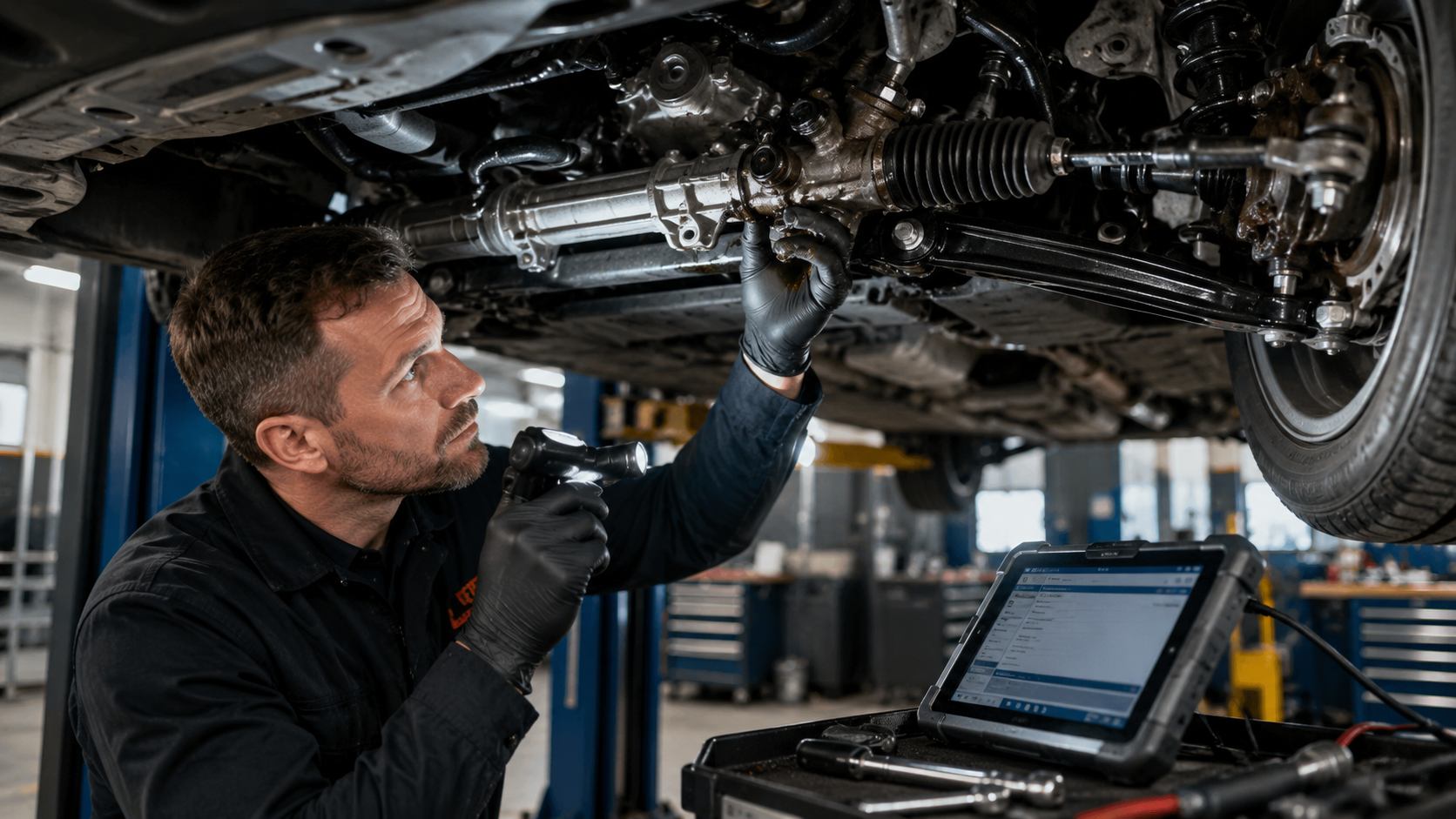
Troubleshooting of elements is the process of identifying malfunctions and damage to engine parts. At this stage, all parts are inspected, their geometry and dimensions are checked, as well as cracks, chips and other defects are identified.
Spare parts
After troubleshooting, it is determined which parts and elements require replacement. Spare parts can be original or non-original, depending on the budget and quality requirements. Genuine parts have a higher price but guarantee higher quality and reliability, while non-genuine parts may be more affordable but the quality may be lower.
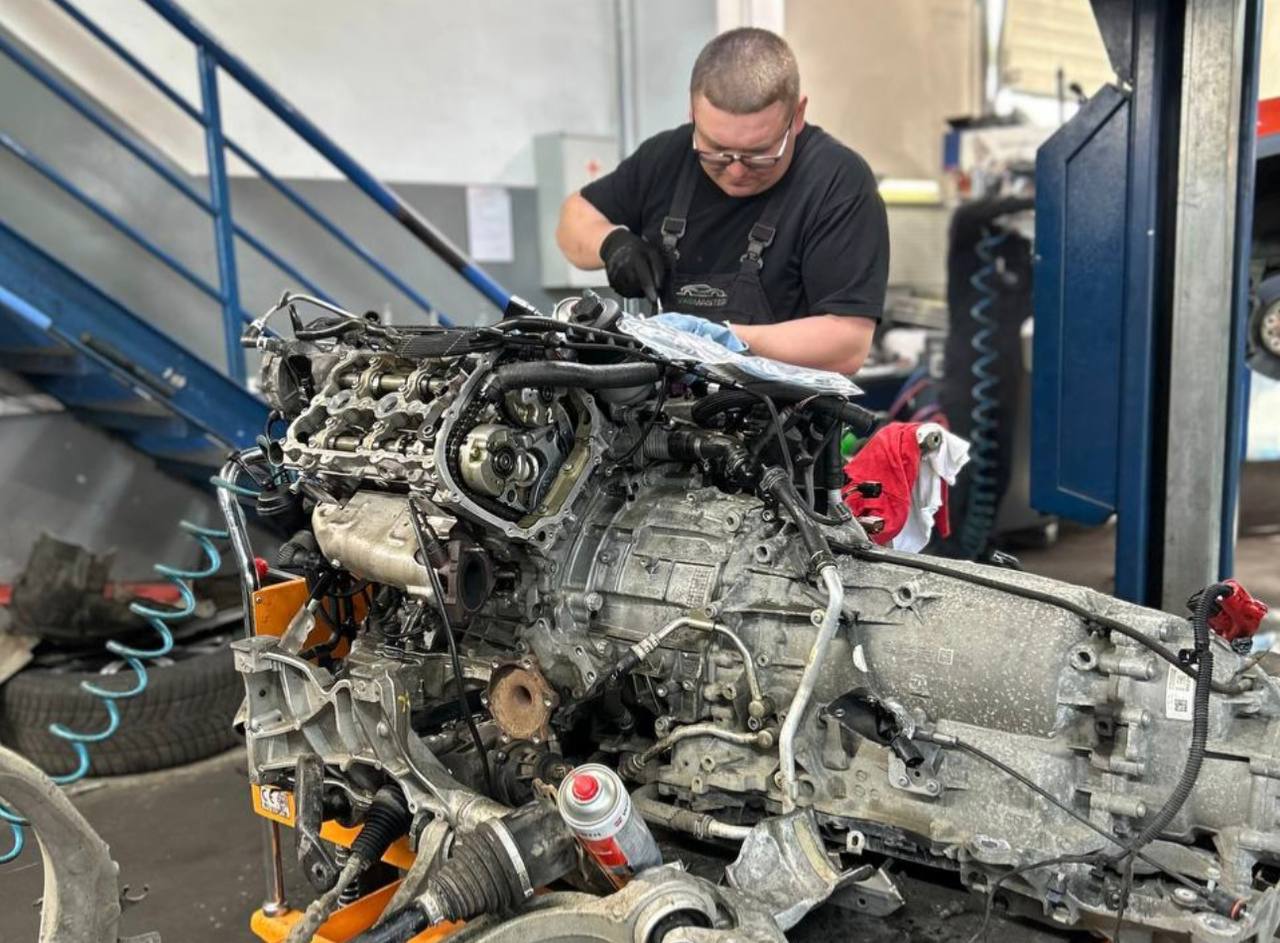

Grinding Block And Crankshaft
After replacing the necessary parts and elements, it may be necessary to grind the block and crankshaft. Grinding allows you to return a smooth surface and the necessary geometry of parts, which in turn increases the efficiency and reliability of the engine.
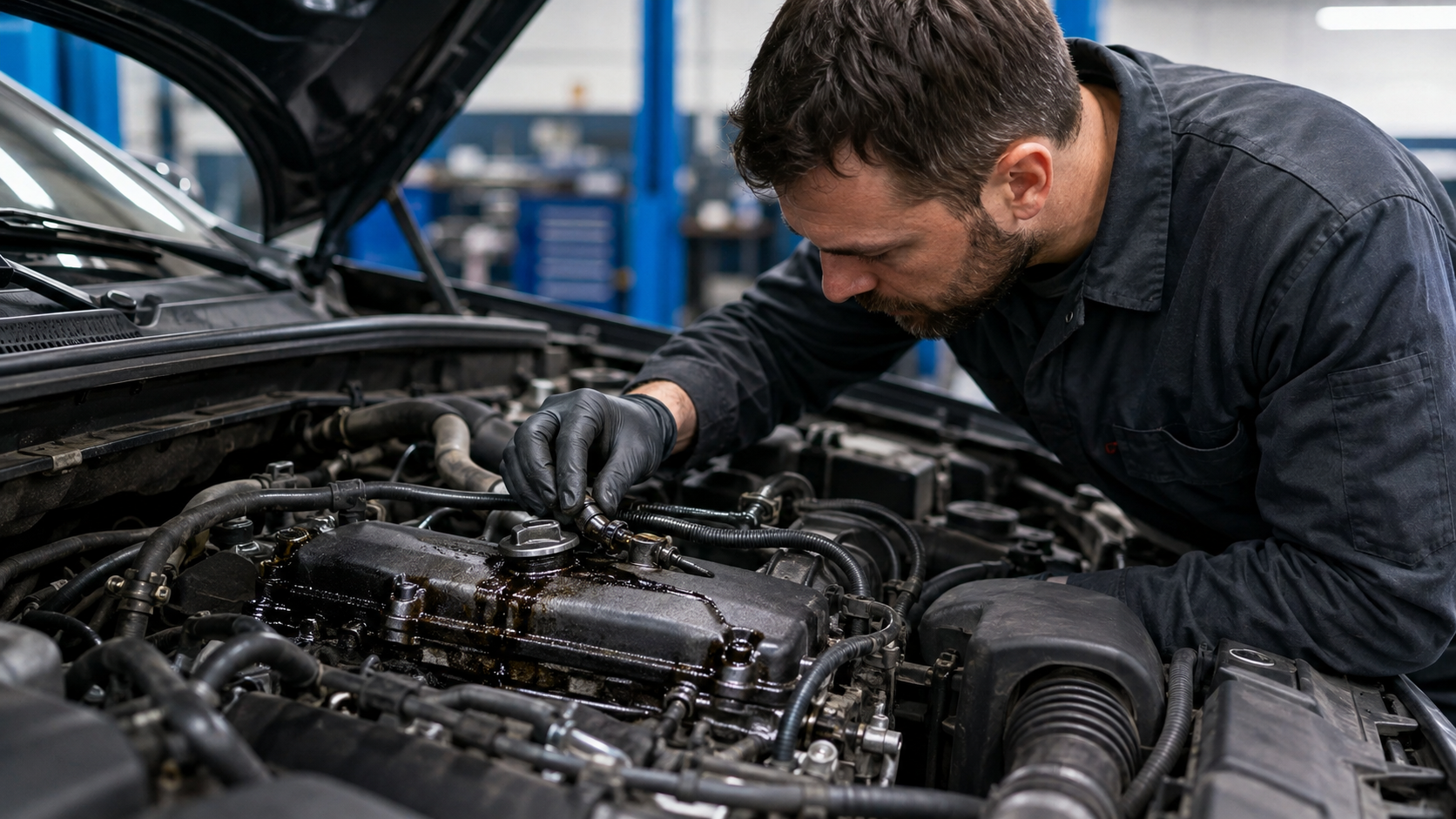
Block Head Repair (Cylinder Head Repair)
This part of the engine is one of the most important as it is responsible for the proper functioning of valves, pistons and many other components. Repair of the block head may include the following work:
- Checking the plane of the block head. If it is bent or has deep scratches, then the block head must be sanded.
- Check the condition of the valves and replace their seals if necessary.
- Checking the tightness of gaskets. If they are old and worn, they must be replaced with new ones.
- Grinding surfaces of valves and block heads. This allows you to eliminate small defects on the surfaces and provide better tightness.
- Check the condition of the valve springs and replace them if they are worn out.
- Check the condition of the valve guides and replace them if necessary.
- Checking the condition of the piston chambers and cleaning them.
- Replacement of defective elements and parts.
After replacing or repairing all the necessary parts, the assembly is carried out. The assembly begins with the installation of pistons and connecting rods, then the pan cover, crankshaft and other parts. It is important to ensure that the bolts are properly fastened and tightened to prevent oil leakage or other malfunctions.
After assembly of the assembly, it is necessary to run and test the engine to ensure its reliability and efficiency. The break-in is carried out in accordance with the manufacturer’s recommendations and includes a gradual increase in speed and load on the engine.
As a result, engine repair is a complex and responsible process that requires professional skills and experience. However, with the right approach and the use of quality spare parts, you can achieve efficient engine operation and extend its life.
Top popular news
- Air Conditioner Losing Refrigerant Without Visible Damage: Causes and Solutions
- Why Wheel Alignment Goes Out After Adjustment: It Is Not Always the Alignment Rack
- Seized Brake Caliper: Symptoms, Causes, and Repair
- Changing the Oil in an AWD Differential: Why This Component Is Often Forgotten
- Check Engine Light Flashing: What the Signal Means and Why You Should Not Ignore It
- Preparing a car for a long trip: checklist before departure
- Oil leaking from the valve cover: causes of seepage and finding the source of the problem
- Automatic climate control does not maintain the set temperature: where to look for the cause

Subscribe to our newsletter!
To stay updated with the latest news


Book a service