Mon-Fri | 08:00 - 20:00


Find

Contact us

Kyiv
46 Kyrylivska St. (Podil)
 Мережа СТО в місті

Kyiv
46 Kyrylivska St. (Podil)
 Мережа СТО в місті

 Години роботи
 Mon-Fri
08:00 - 20:00
Check Engine Light Flashing: What the Signal Means and Why You Should Not Ignore It
The Check Engine light can indicate a malfunction in different ways. A steady light and a flashing light do not have the same meaning, so the appearance of the indicator alone does not tell you how urgent the problem is. When the symbol on the dashboard starts flashing, especially together with rough engine operation, you should not delay diagnosis.
In this situation, the engine may lose power, run with vibrations, jerk during acceleration, or have difficulty maintaining stable engine speed. One of the most common causes of this combination of symptoms is a misfire. The danger lies not only in the deterioration of engine operation, but also in the additional load placed on the exhaust system.
What a Flashing Check Engine Light Means

The engine control unit continuously analyzes sensor readings and monitors the processes that affect engine operation. When the electronics detect a deviation, the Check Engine light appears on the dashboard. The way the indicator behaves helps determine how quickly you need to respond to the problem.
A steadily illuminated indicator usually means that a malfunction has been detected and needs to be diagnosed. The vehicle may continue to drive without any sudden changes in behavior, although the search for the cause should not be postponed for too long.
A flashing light has a different meaning. It can accompany active misfires, when the air-fuel mixture in a cylinder does not burn properly. The engine begins to run unevenly, and some of the unburned fuel enters the exhaust system.
A steady light and a flashing light should not be treated the same way. The second situation may indicate a malfunction capable of quickly causing additional damage.
What Happens During a Misfire
For the engine to operate normally, the mixture in the cylinder must ignite at the right time and burn as intended. When ignition does not occur or the combustion process is disrupted, a misfire occurs. The interruptions may affect one cylinder or several.
They can be caused by faulty spark plugs, an ignition coil, problems with fuel delivery, and other disruptions in the combustion process. For example, code P0300 indicates random or multiple misfires, but by itself it does not identify the component responsible for them.
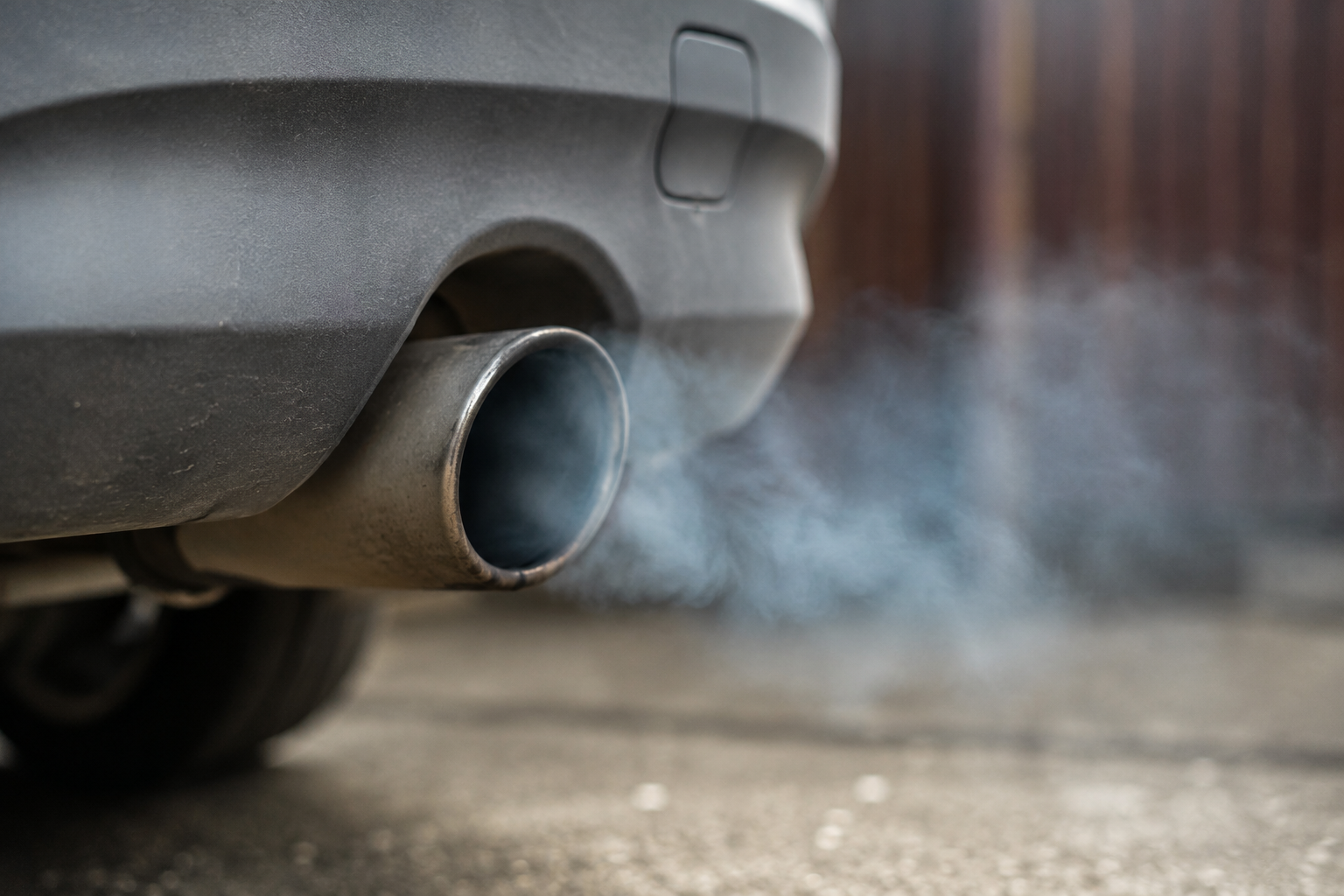
The catalytic converter is a particular concern. When some of the fuel does not burn in the cylinder, it can enter the exhaust system. The catalytic converter operates with hot exhaust gases, while excess unburned fuel creates an additional thermal load. During severe misfires, its internal components can overheat and become damaged.
Because of prolonged misfires, the catalytic converter can fail much earlier than the driver expects. The consequences depend on the frequency and intensity of the misfire, the engine operating conditions, and the duration of the drive.
Steady Light and Flashing Light: Different Levels of Urgency
With a steadily illuminated Check Engine light, the vehicle may sometimes continue operating with almost no noticeable changes. This does not mean that the malfunction can be ignored. The cause may involve engine operation, the emissions control system, or other components.
A flashing light requires more attention, especially when the driver also notices:
- jerking or strong vibrations;
- loss of power;
- unstable idle;
- an unusual response to pressing the accelerator pedal;
- the engine entering a protective mode known as limp mode.
This combination of symptoms shows that the malfunction is already affecting engine operation. Continuing to drive in the usual manner is not advisable in this situation.
Can You Drive with a Flashing Check Engine Light?
There is no single answer that applies to every vehicle. What matters is not only the indicator itself, but also how the engine behaves.
When the engine is shaking heavily, the vehicle is losing power, or the engine is running with pronounced misfires, you should not continue driving at high RPM or under significant load. Unburned fuel continues to enter the exhaust system, increasing the risk of catalytic converter overheating.
If the vehicle only needs to be moved to a safe location, the load on the engine should be kept to a minimum. However, when the engine is operating very unstably, continuing to drive is no longer simply a normal trip to a repair shop. In this situation, it is more appropriate to arrange transportation of the vehicle to a diagnostic facility.
What to Do Immediately After the Light Starts Flashing
Reduce the load on the engine and pay attention to how it is running. Do not increase the RPM in the hope that the misfires will disappear, or continue driving at your usual pace.
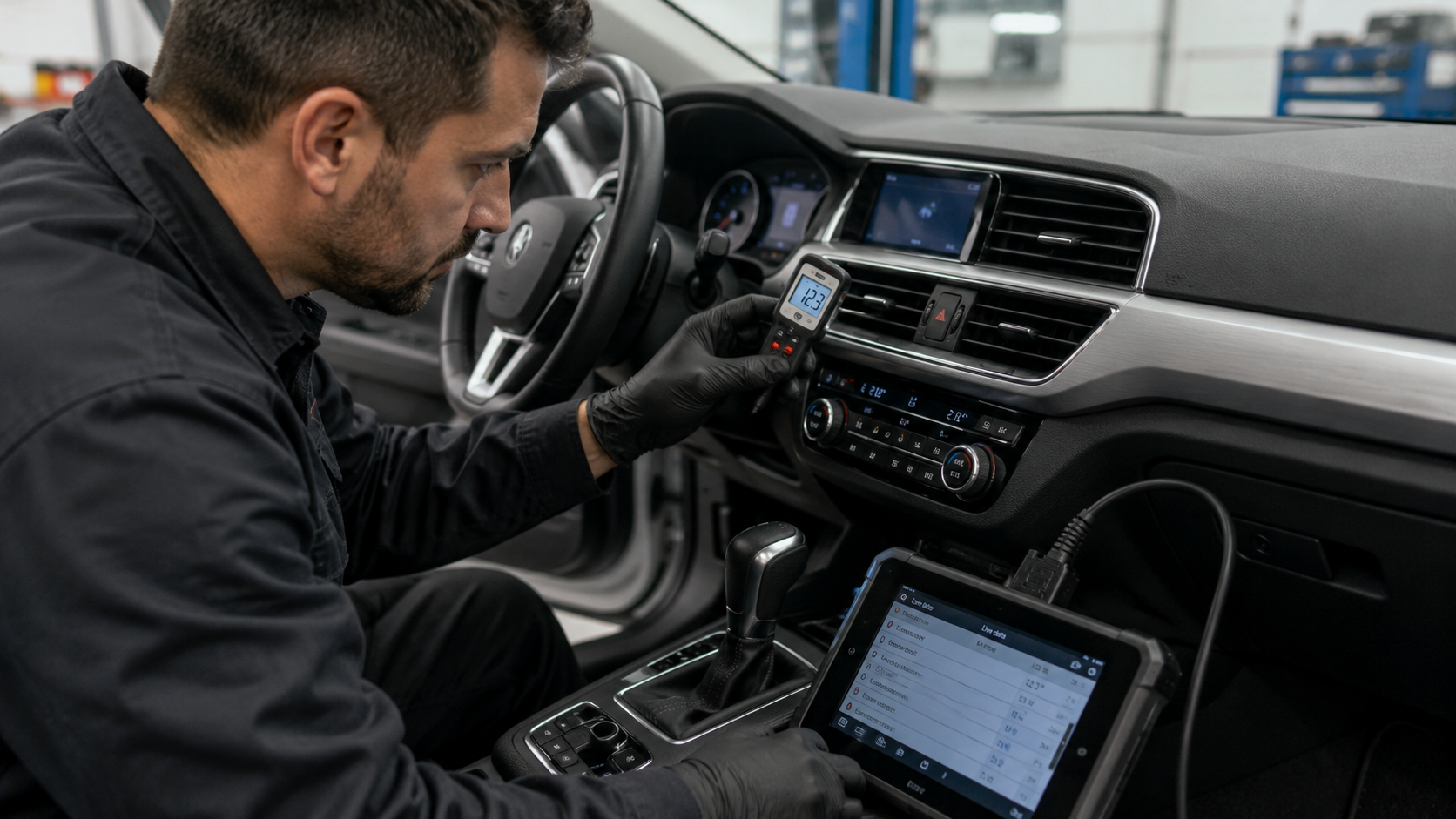
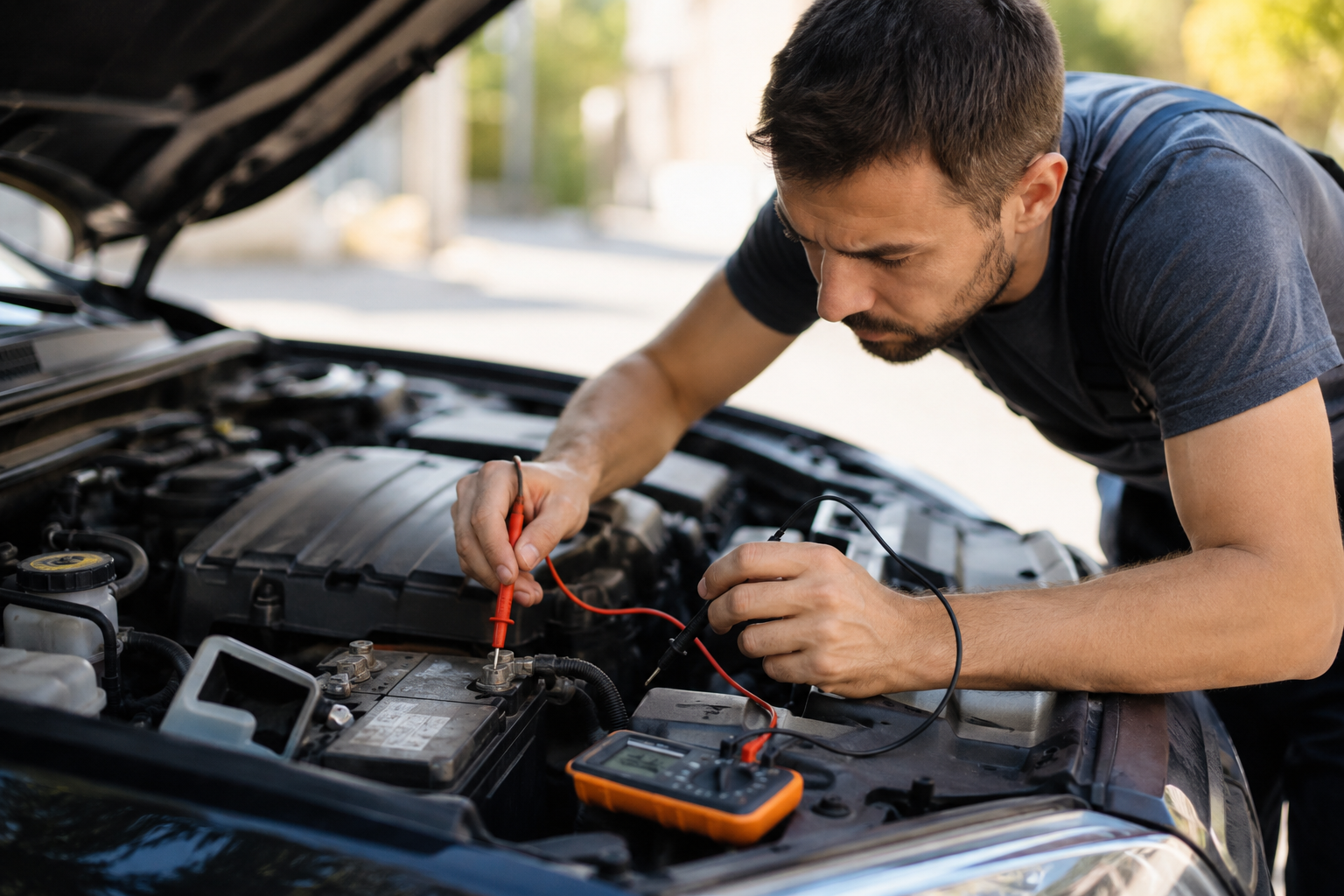
When the Check Engine light continues to flash, diagnosis begins by reading the fault codes and assessing engine operation. If a misfire is present, the electronics may record P0300 or a code associated with a specific cylinder, such as P0301 or P0302.
A fault code does not always directly identify a faulty spark plug, ignition coil, or other component. It shows which abnormal condition the control system has detected. The next step is to identify the source of the misfire and check the relevant components.
A flashing Check Engine light is a warning that should not be postponed until the next scheduled trip. Quickly identifying the cause of the misfire reduces the risk of additional catalytic converter damage. A steady light also requires diagnosis, but a flashing light accompanied by engine misfires requires a much faster response.
Top popular news
- Air Conditioner Losing Refrigerant Without Visible Damage: Causes and Solutions
- Why Wheel Alignment Goes Out After Adjustment: It Is Not Always the Alignment Rack
- Seized Brake Caliper: Symptoms, Causes, and Repair
- Changing the Oil in an AWD Differential: Why This Component Is Often Forgotten
- Preparing a car for a long trip: checklist before departure
- Oil leaking from the valve cover: causes of seepage and finding the source of the problem
- Automatic climate control does not maintain the set temperature: where to look for the cause
- Brake pipes and hoses: different designs with different risks

Subscribe to our newsletter!
To stay updated with the latest news


Book a service