Mon-Fri | 08:00 - 20:00


Find

Contact us

Kyiv
46 Kyrylivska St. (Podil)
 Мережа СТО в місті

Kyiv
46 Kyrylivska St. (Podil)
 Мережа СТО в місті

 Години роботи
 Mon-Fri
08:00 - 20:00
When is a timing belt replacement necessary?

ЗадThe task of the timing mechanism is to control the correct operation of the engine and synchronize the rotation of the crankshaft and camshaft. Like any other system, a timing belt has a limited lifespan, so it is important to regularly replace its main components.
The timing belt replacement schedule is indicated by the car manufacturer, but this period may be longer or shorter depending on various factors. What contributes to the failure of the timing belt ahead of time? First of all, it is:
- preferred aggressive driving style;
- difficult operating conditions of the car;
- constant operation of the engine in intensive mode;
- the use of low-quality components and consumables, and so on.
What happens if you do not change the timing belt in time? Its rupture can lead to deformation of the valves and pistons, resulting in serious engine damage, much more expensive than replacing the timing belt itself.
Timing belt: how often to change the part
How to recognize a timing belt problem? First of all, extraneous sounds should alert you while the engine is idling and under load. The service life of the belt can be significantly reduced if, for example, leaking oil gets on it. At the same time, a whistle, a squeal of tension rollers or a loud rattle from under the hood appears at the same time.
Even if you have not noticed any symptoms, and the replacement period prescribed by the manufacturer has long passed, do not hesitate and replace the timing belt – this will save you both money and nerves.


How is the timing belt replaced?
Replacing a timing belt in a car repair shop begins with disconnecting the battery and removing the spark plugs. Then the wheel arch and alternator belt are disassembled. After removing the pulley and engine cover, the mechanic blocks the timing and crankshaft with special tools. If you have a diesel car, you will also need to block the injection system.
After dismantling the parts that prevent access to the timing, the mechanic proceeds to replace. First, the old timing belt is removed. Then a new belt is put on the pulley and its tension is adjusted. The crankshaft is also rotated several times so that the teeth align properly.
The tensioner then loosens and tightens the belt again. Finally, all the parts are assembled and the generator is connected. After the replacement is complete, the mechanic again rotates the crankshaft several times to check if the belt is slipping.
Is it possible to replace the belt yourself?
Perhaps, if your experience and skills allow it. In this case, it is important to remember about the correct tension of the belt. If you make it too weak, it will fail faster, if it is too strong, the belt will be noisy, and the water pump and generator may also fail. Belt tension can be adjusted using a special tool.
What else would you like to update? When replacing a timing belt, it is also worth buying a tensioner, a tensioner pulley and (if it is driven by it) a water pump. If you have a car with a timing chain, you will need to replace the gear and oil tensioner.
How Often Should You Change Your Timing Belt: Premature Wear
If the belt surface is worn or deformed, it should be replaced immediately. Otherwise, you may be faced with the need to overhaul the engine.
When to Change a Timing Belt: Unscheduled Replacement
Modern cars are equipped with a timing belt, the elements of which should be changed every 100-200 thousand km or 6 years after the previous repair. The service life of the belt depends mainly on the vehicle manufacturer. If you own a unit with a timing chain, its service life is about 250-300 thousand km.
An unscheduled replacement is carried out immediately on a purchased used car, when it is impossible to accurately determine the resource of the belt.
Top popular news
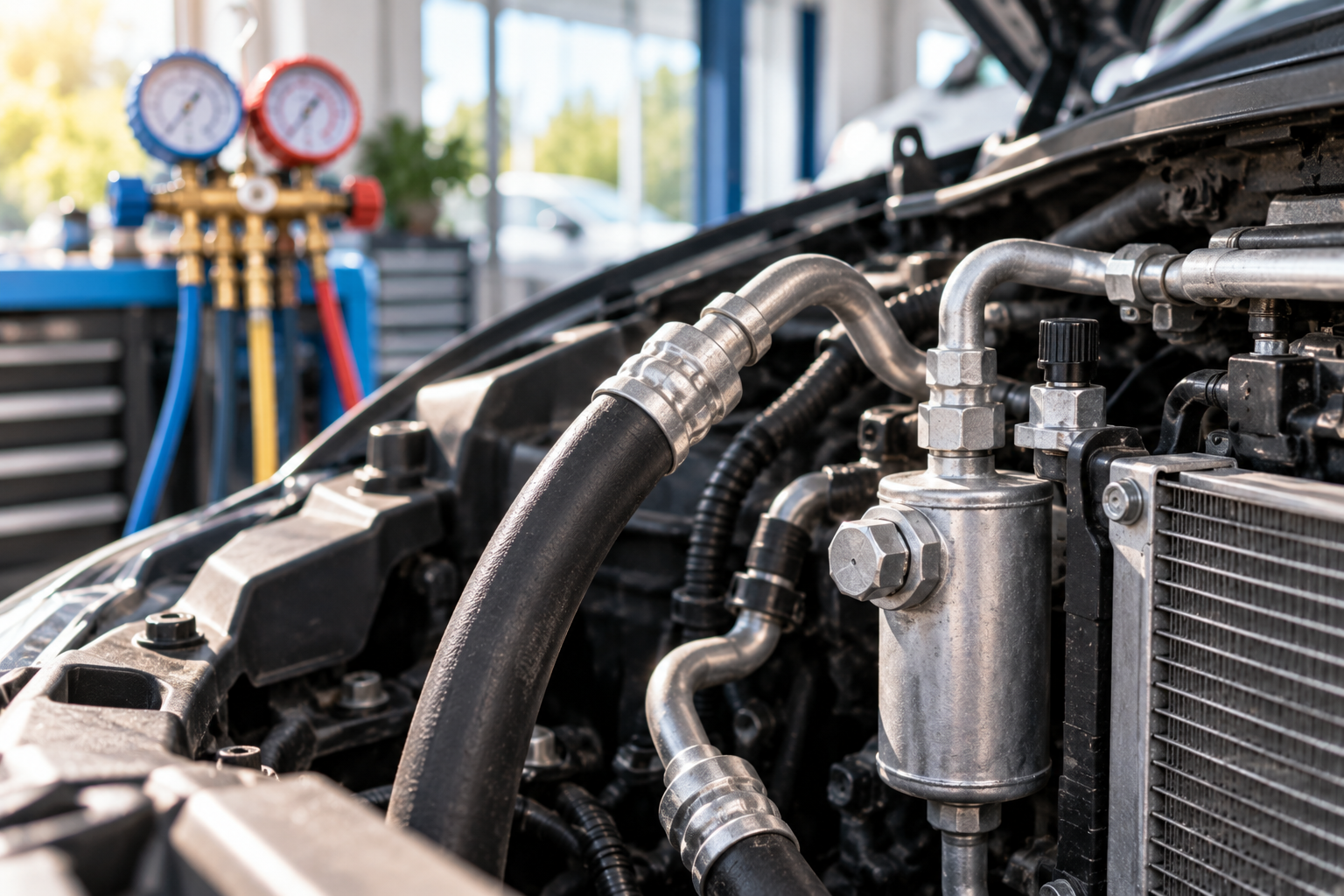
- Air Conditioner Losing Refrigerant Without Visible Damage: Causes and Solutions
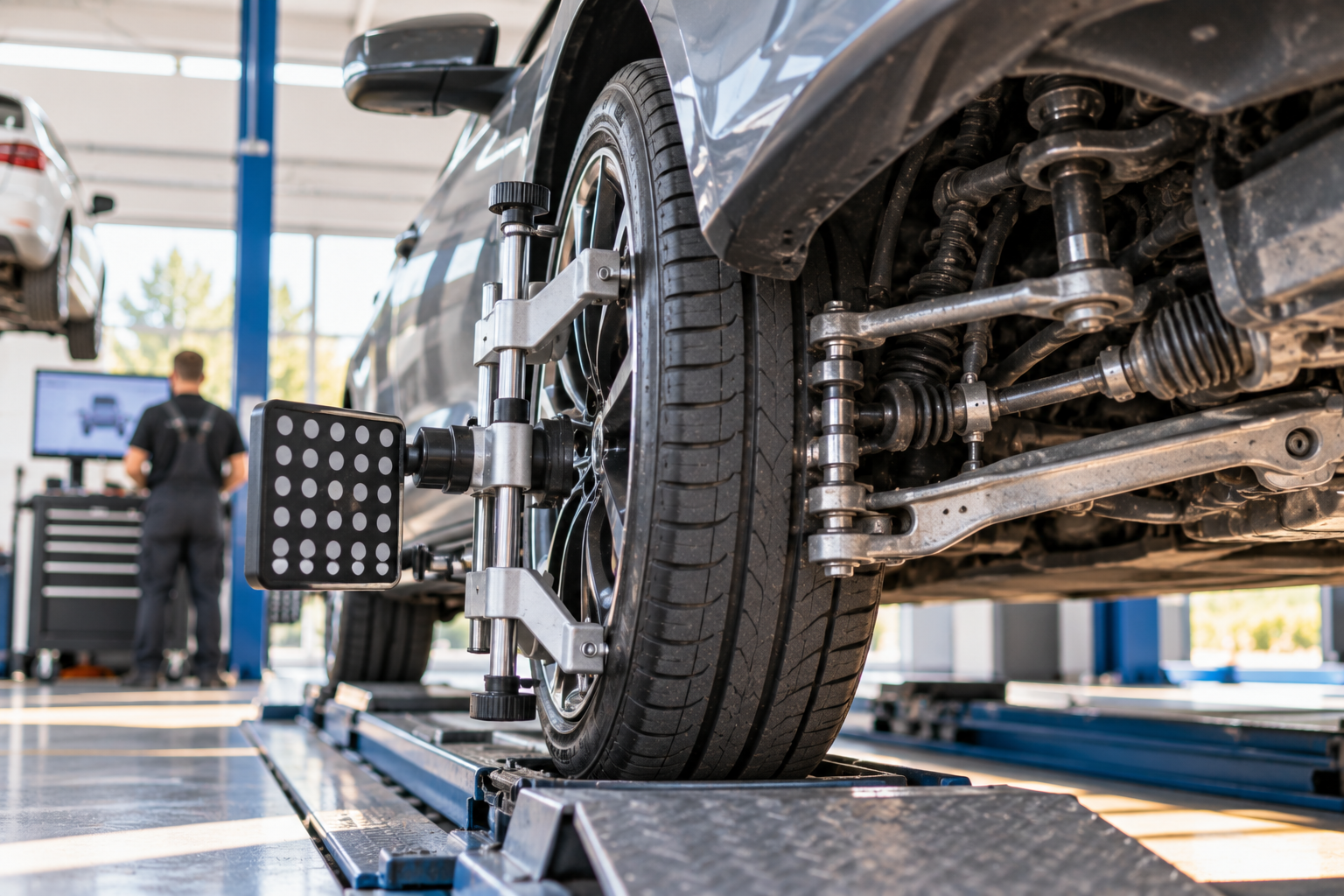
- Why Wheel Alignment Goes Out After Adjustment: It Is Not Always the Alignment Rack
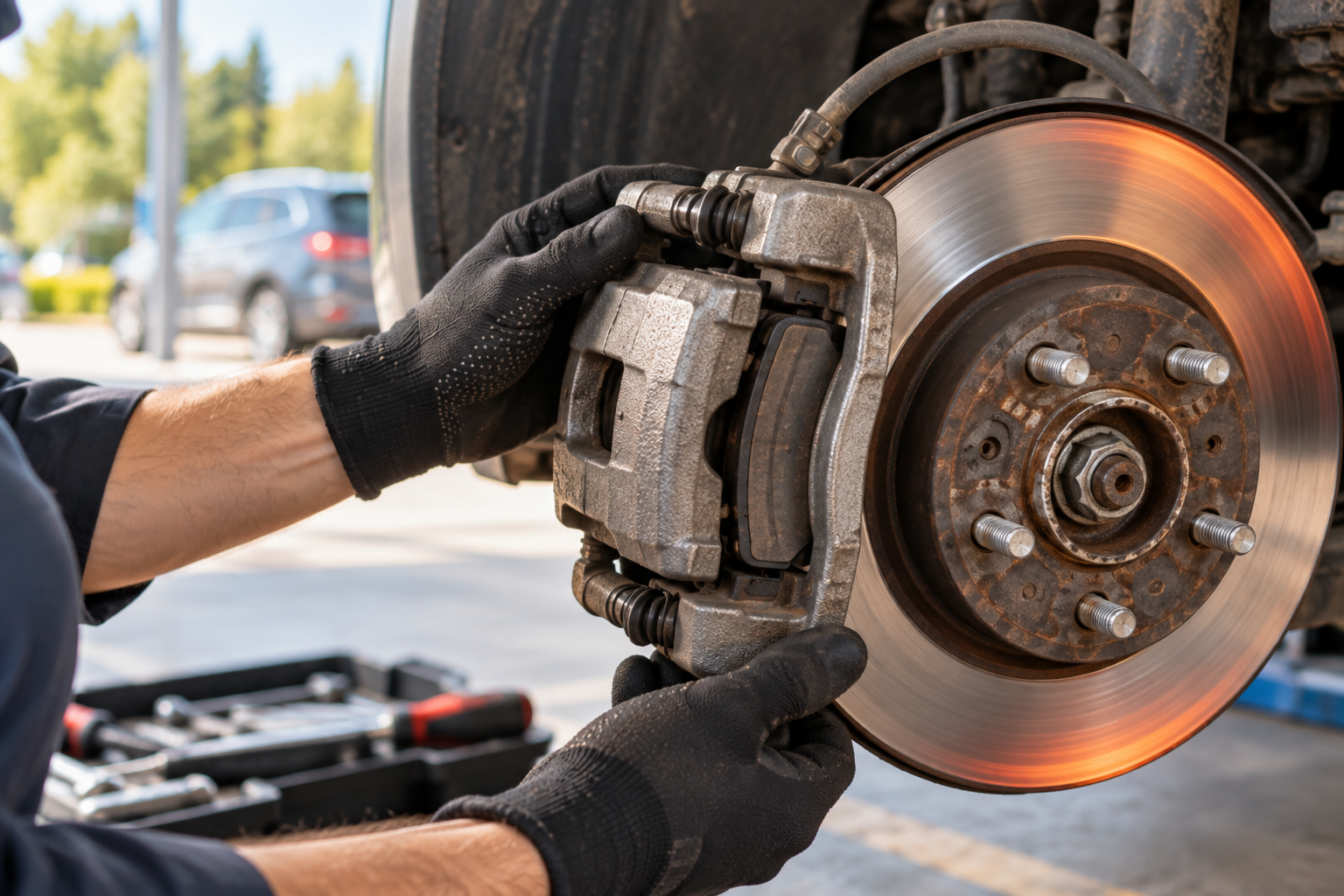
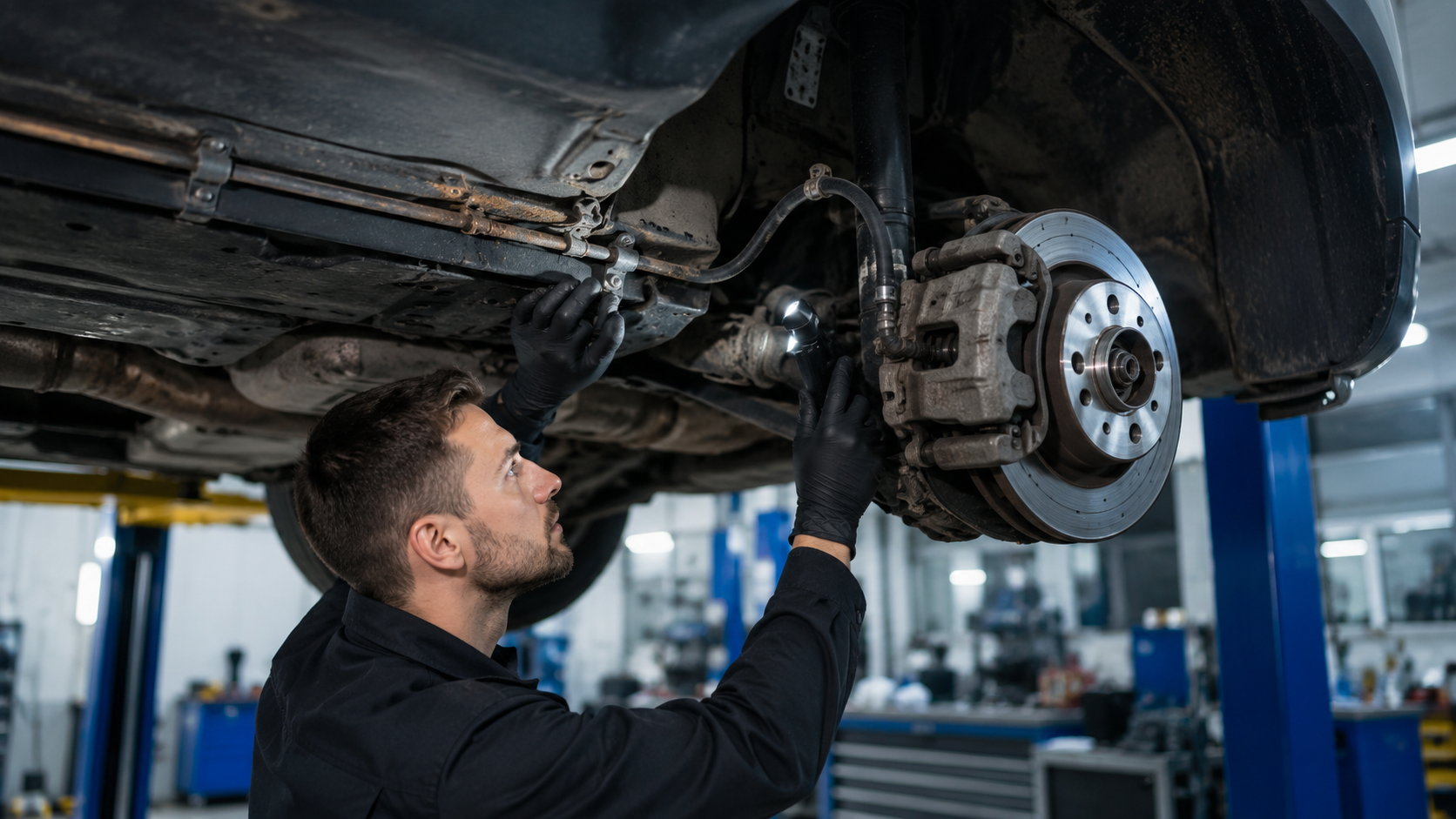
- Seized Brake Caliper: Symptoms, Causes, and Repair
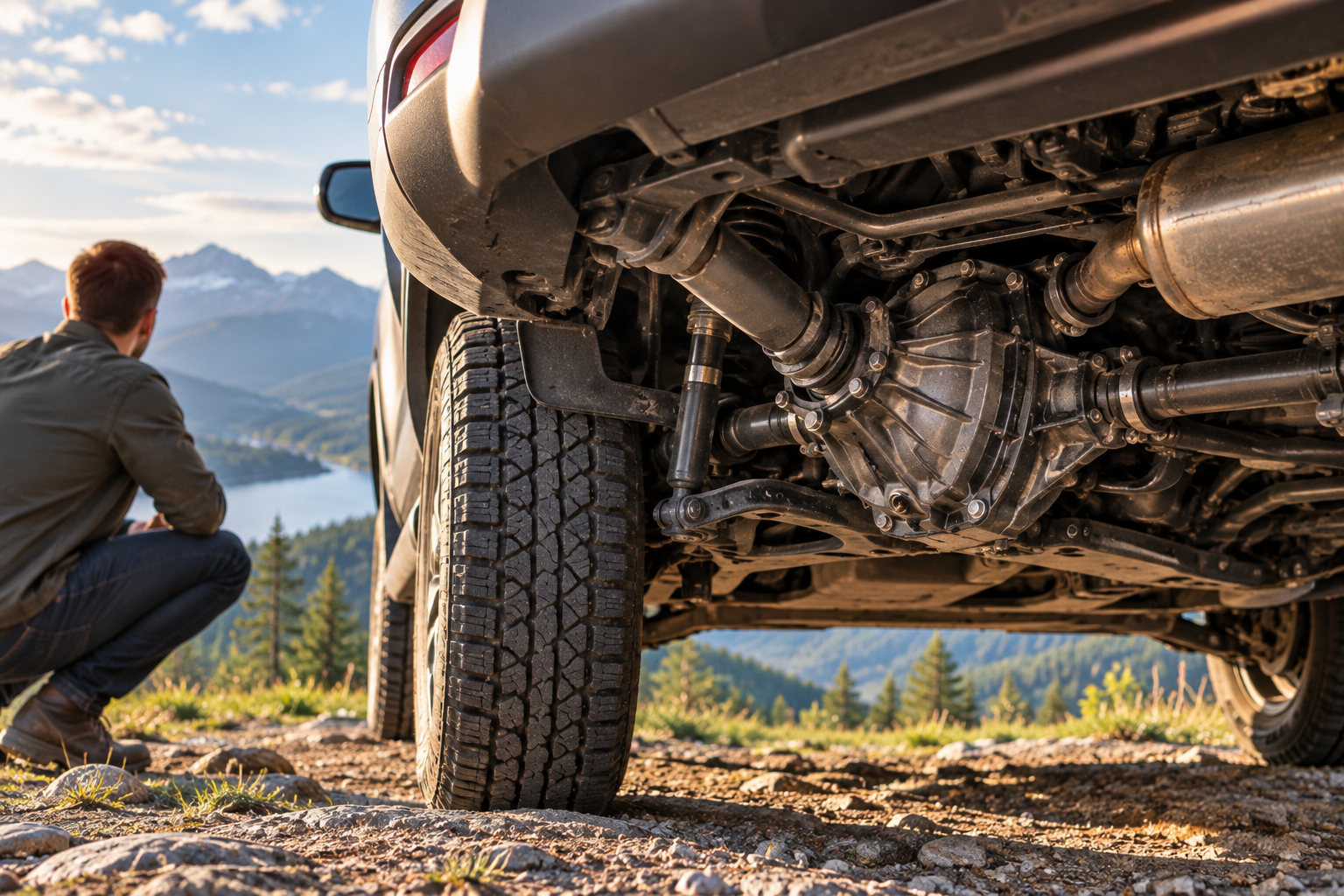
- Changing the Oil in an AWD Differential: Why This Component Is Often Forgotten
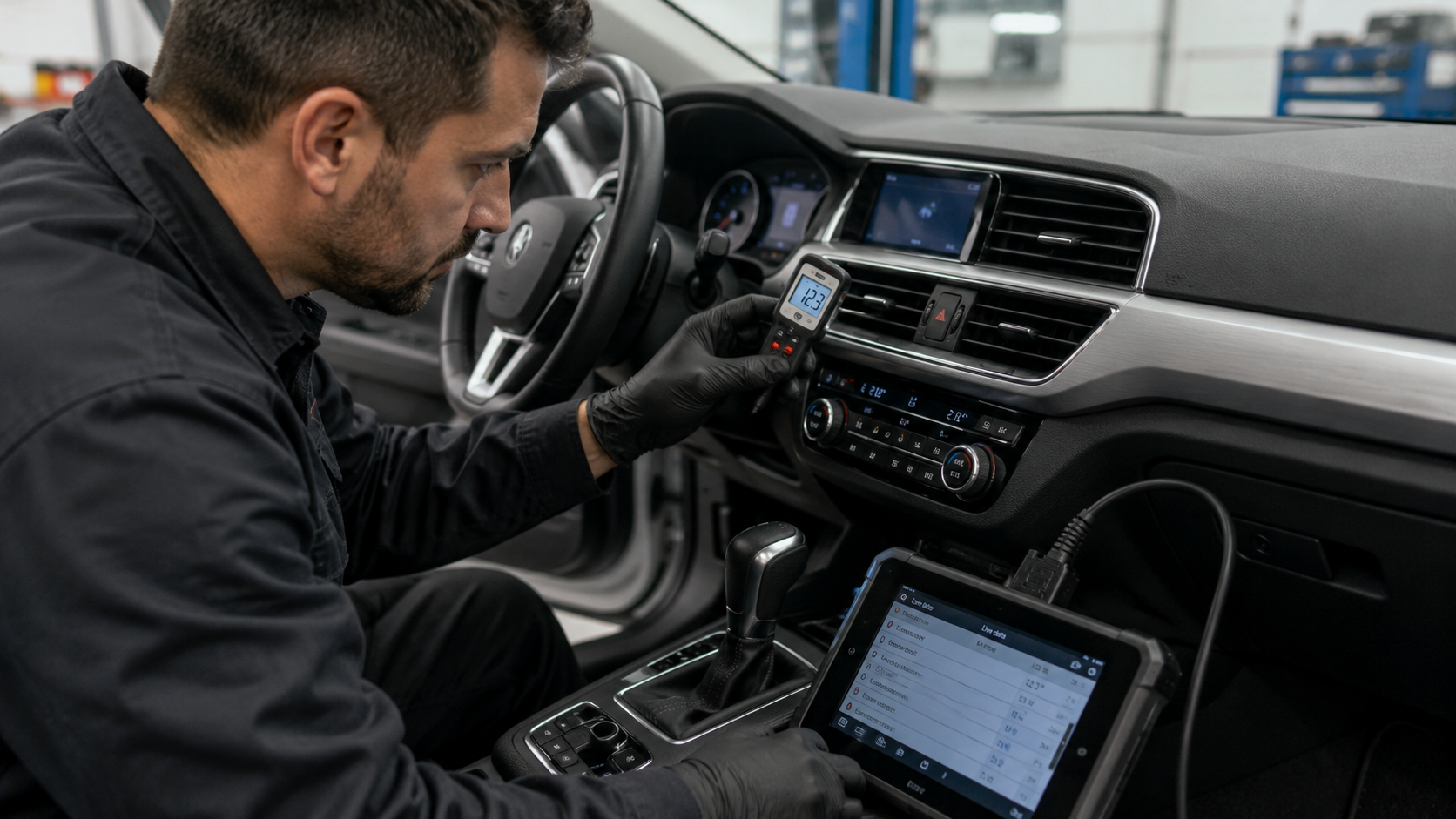
- Check Engine Light Flashing: What the Signal Means and Why You Should Not Ignore It
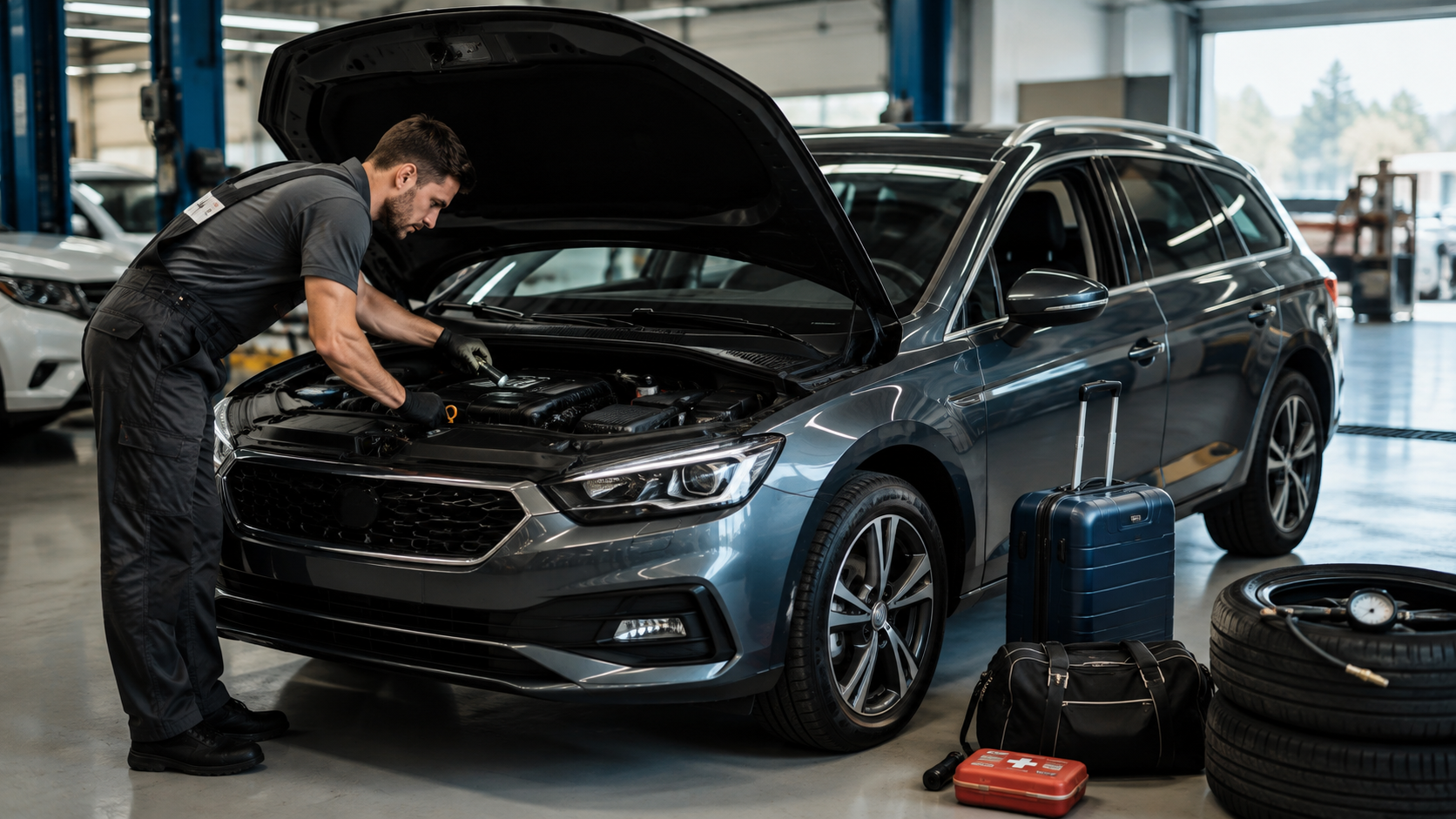
- Preparing a car for a long trip: checklist before departure
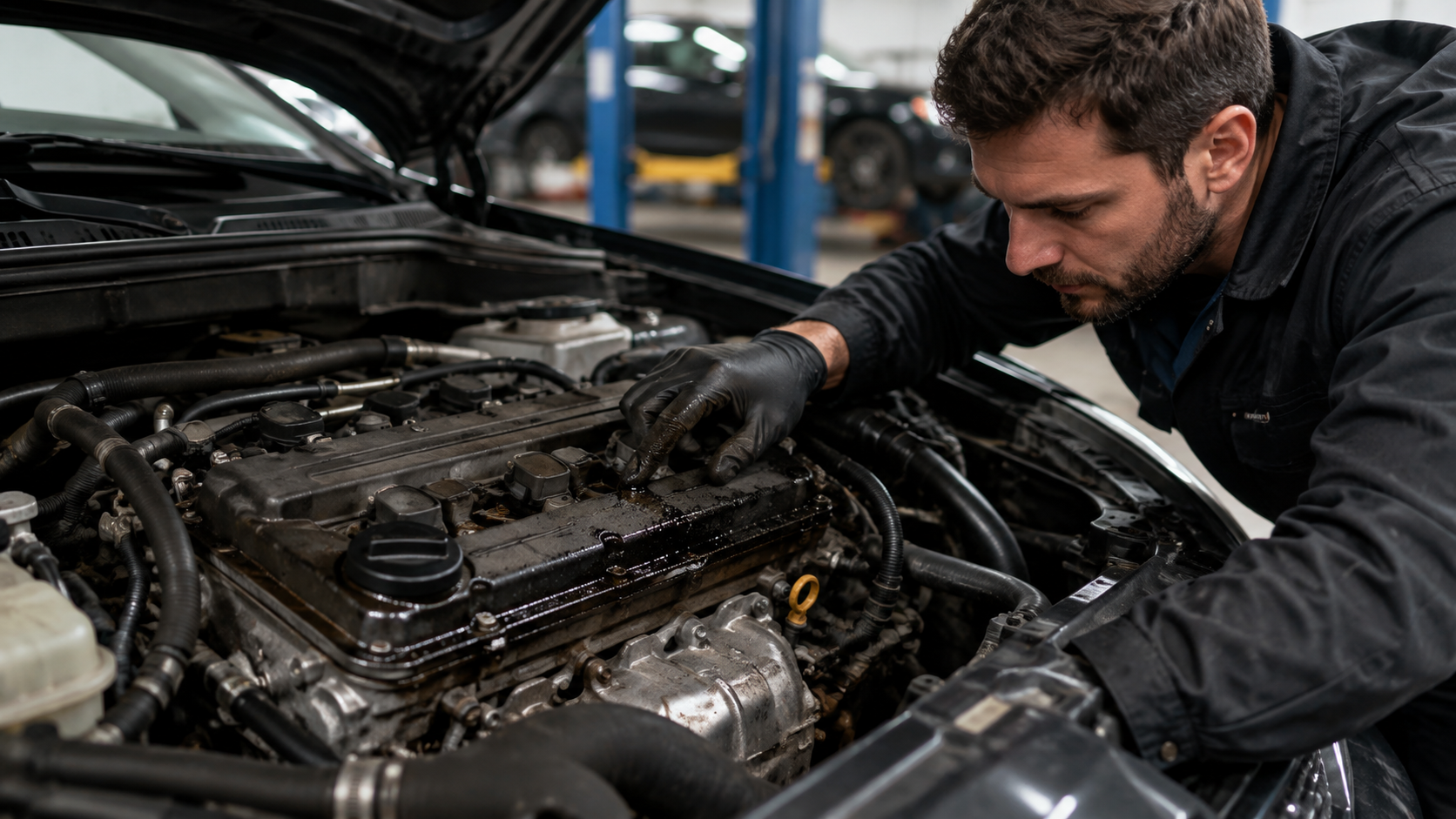
- Oil leaking from the valve cover: causes of seepage and finding the source of the problem
- Automatic climate control does not maintain the set temperature: where to look for the cause

Subscribe to our newsletter!
To stay updated with the latest news


Book a service