Find
Kyiv
46 Kyrylivska St. (Podil)Kyiv
46 Kyrylivska St. (Podil)Mon-Fri
08:00 - 20:00

A braking system equipped with ABS (anti-lock braking system) technology is what every driver who cares about increased safety while driving desires. It works well in situations where heavy braking is needed, and also makes it easier to stop the car on an icy road.
ABS systems coordinate braking force using sensors. What are they and how to check the ABS sensors in your car? Modern sensor technology is much more advanced than just a few years ago.
Today, the job of the ABS sensor in most vehicles is to place two magnetically interacting elements:
The sensor contains magnesium and a phase-sensitive detector, as well as a cable that sends data to the ABS computer. It is connected to a drive gear (or sometimes a magnetic wheel) that rotates to provide information about wheel speed or braking force. The sensor captures this information by changing the electromagnetic field caused by the moving “teeth” of the wheel.
Unfortunately, since the anti-lock braking system sensors are located near the wheel, they are subject to dirt, turbulence and other factors that, sooner or later, can cause a breakdown or incorrect operation.
Resistance is a physical quantity that informs about the resistance to the flow of current. This is the drag force used to capture any variability in a spinning wheel. With ABS sensors, the wire resistance measurement is typically between 1000 and 2000 ohms.
A relatively constant reading indicates a good sensor. If the measured resistance changes (decreases or increases) for no apparent reason, this may indicate a damaged or dirty sensor that should be cleaned or replaced.


Modern vehicle and component manufacturers are trying to simplify the diagnosis of individual components as much as possible. That is why in many cars access to the ABS sensor connectors is located inside the cabin next to other electronics.
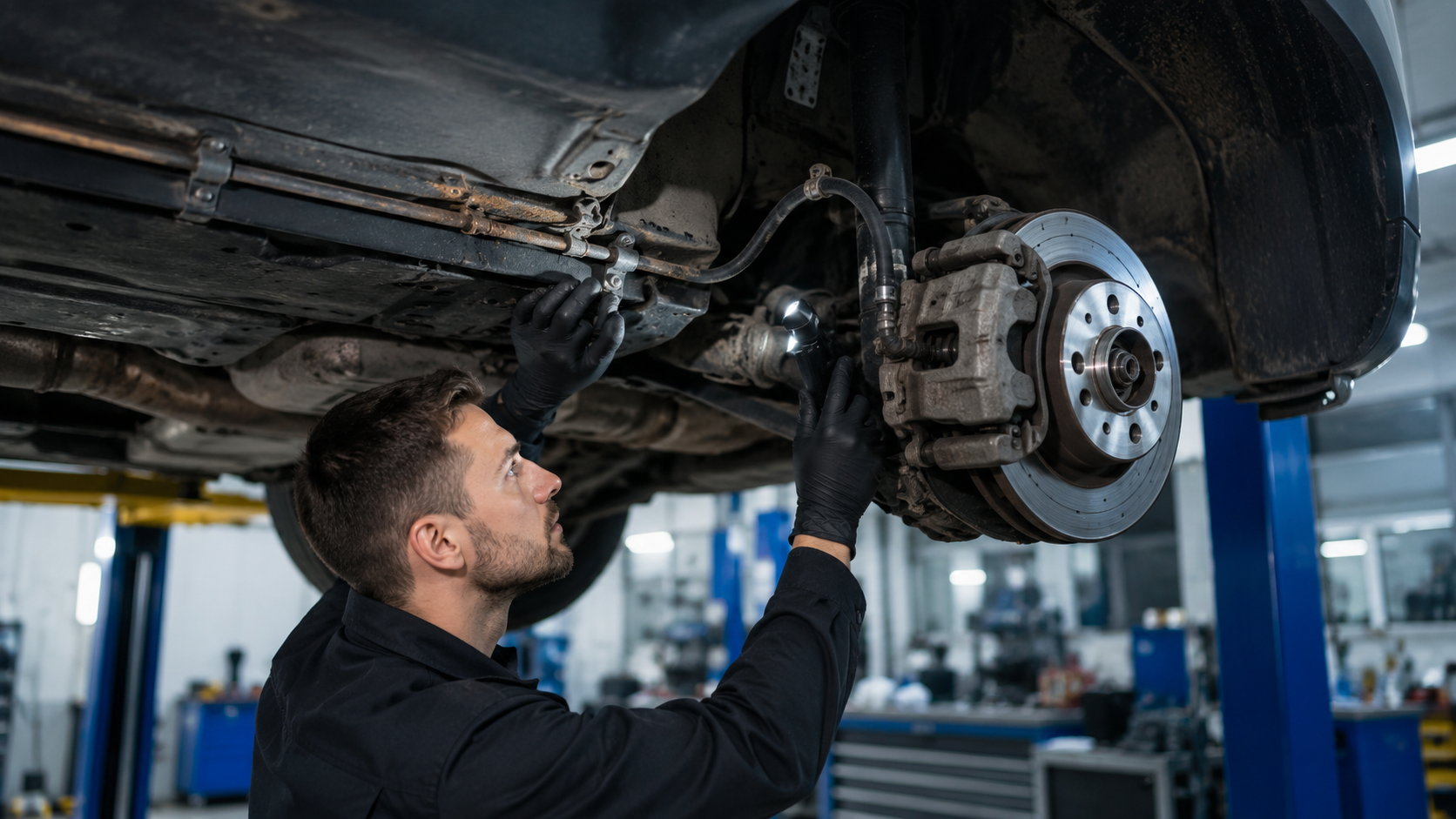
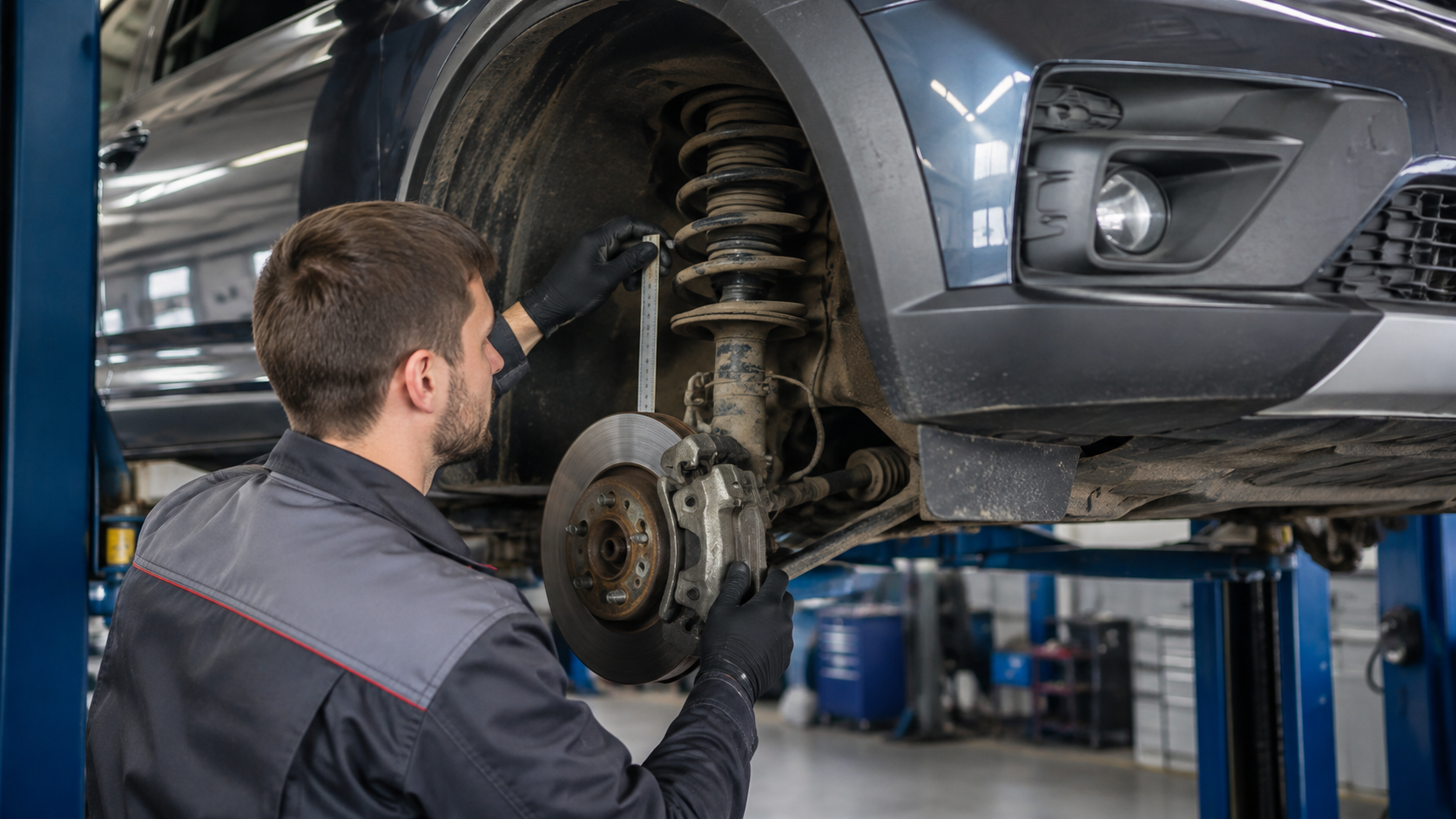
As for the rear sensors, the connectors for them can be located under the rear seat or inside the trunk. However, it often happens (in older models of cars) that in order to check the ABS sensor, you have to remove the wheel, use a pit or lift on the rack.
For example, to check the ABS sensor on a BMW e46, just use the controls on the dashboard. You need to turn on the ignition and wait a while. If two ABS lights and a triangle with an exclamation point in a circle and an arrow light up, you can be sure that the front ABS sensor has failed. If the third indicator lights up additionally, indicating that the handbrake is tightened (and the handbrake is not tightened), then you need to look at the rear ABS sensor
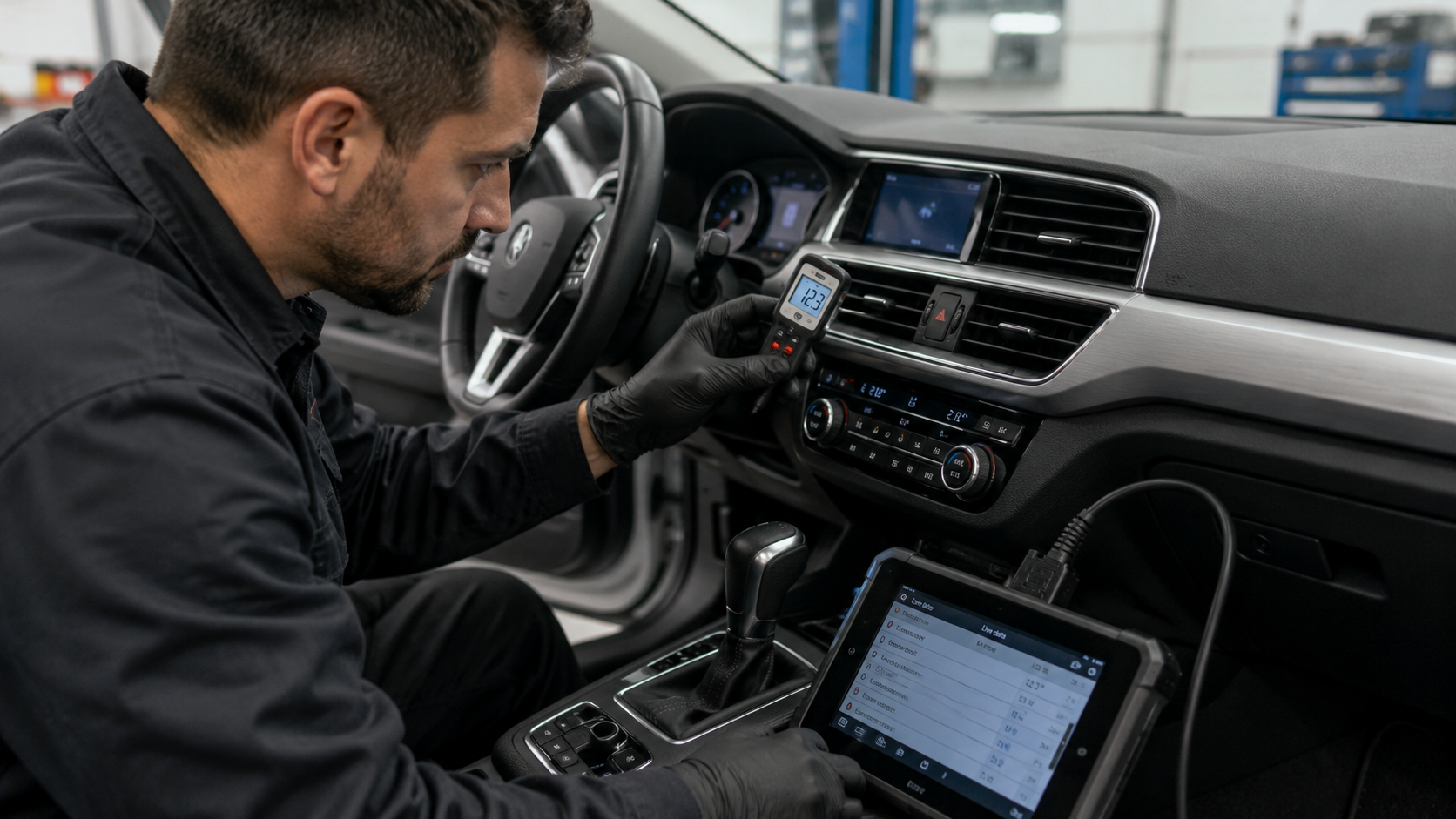
A much more accurate method of checking the sensor is computer diagnostics. Sometimes it may happen that the ABS sensor is working, but the computer has problems reading the data. In order to determine the exact causes of ABS failure, you need to contact a specialized car service.
Top popular news
Subscribe to our newsletter!
To stay updated with the latest news
Book a service
Air Conditioner Losing Refrigerant Without Visible Damage: Causes and Solutions
Why Wheel Alignment Goes Out After Adjustment: It Is Not Always the Alignment Rack
Seized Brake Caliper: Symptoms, Causes, and Repair
Changing the Oil in an AWD Differential: Why This Component Is Often Forgotten
Check Engine Light Flashing: What the Signal Means and Why You Should Not Ignore It
Preparing a car for a long trip: checklist before departure
Oil leaking from the valve cover: causes of seepage and finding the source of the problem
Automatic climate control does not maintain the set temperature: where to look for the cause
Brake pipes and hoses: different designs with different risks
Suspension spring sagging: gradual loss of performance without an obvious failure
PCV crankcase ventilation valve: why a fault leads to oil leaks
Headlights fogging from the inside: normal condensation or a sign of housing damage
Steering rack: hydraulic leak or electric power-steering fault – how the problem is diagnosed
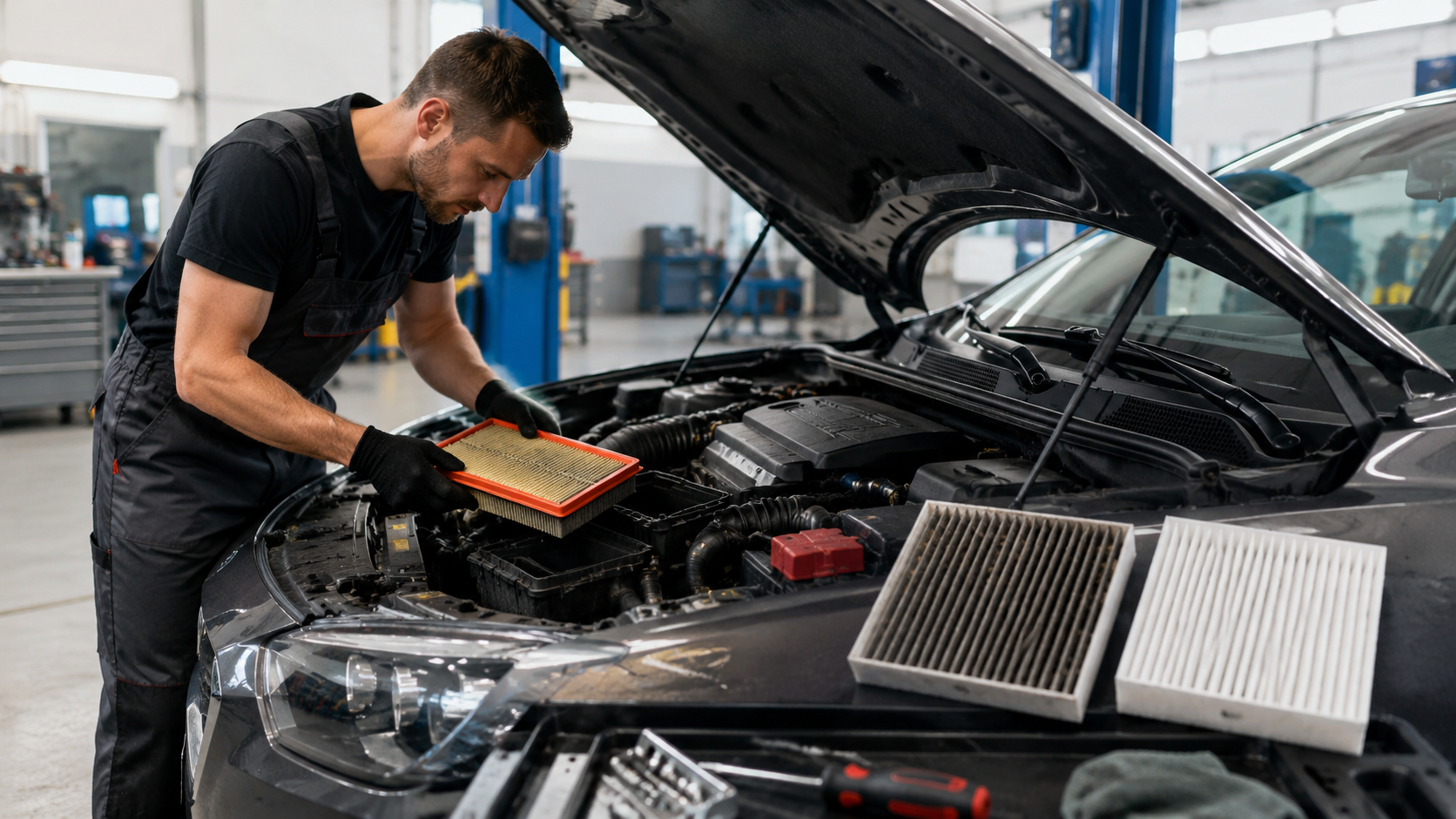
Engine air and cabin filter replacement: why urban conditions change service intervals

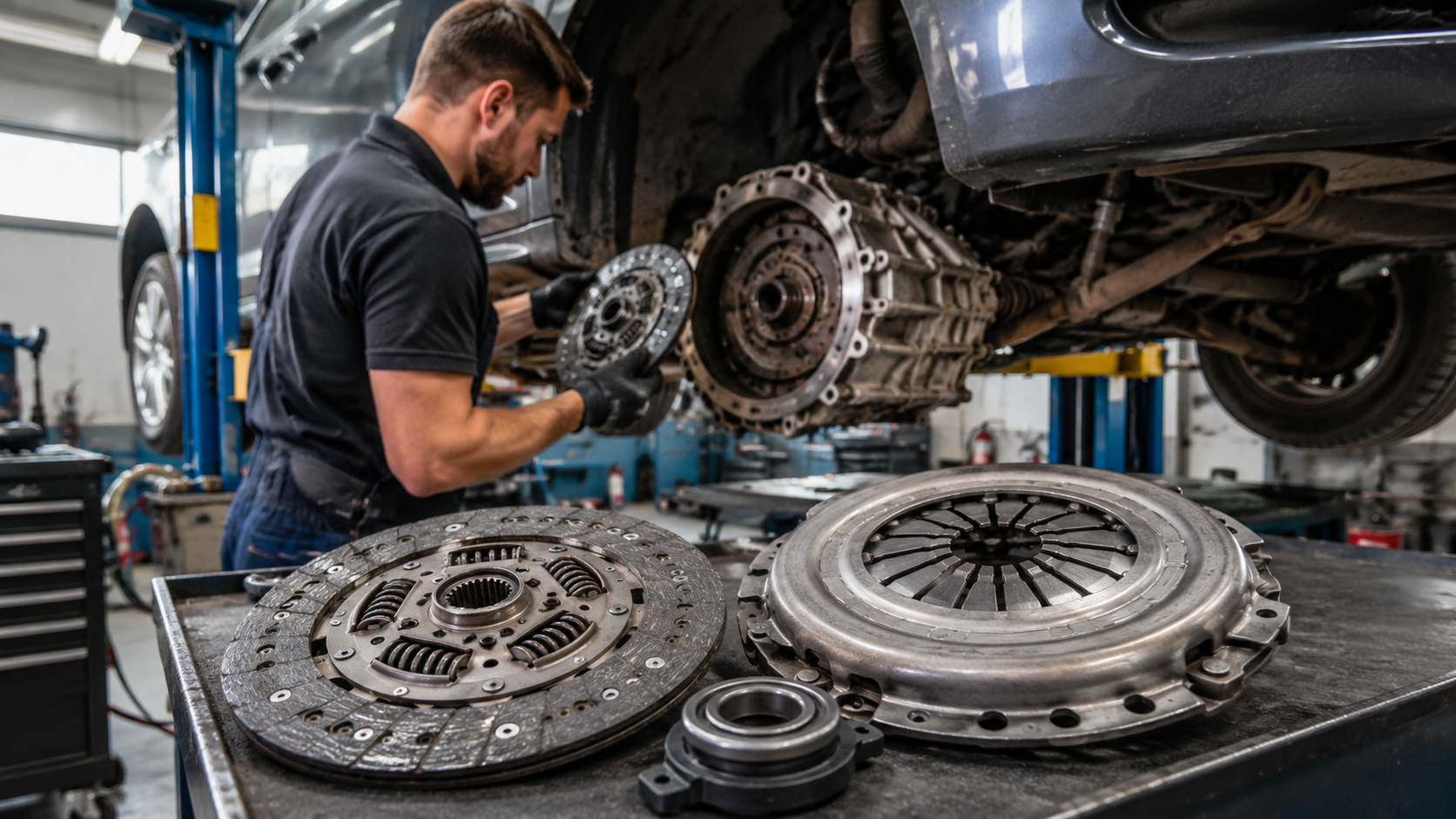
Clutch slipping in a manual transmission: how to tell when the disc or pressure plate needs replacement
Vehicle Maintenance Schedule by Mileage: What Really Needs to Be Replaced at 30,000, 60,000, and 90,000 km
Importing a Car from the USA to Ukraine: Required Documents and Customs Clearance Costs
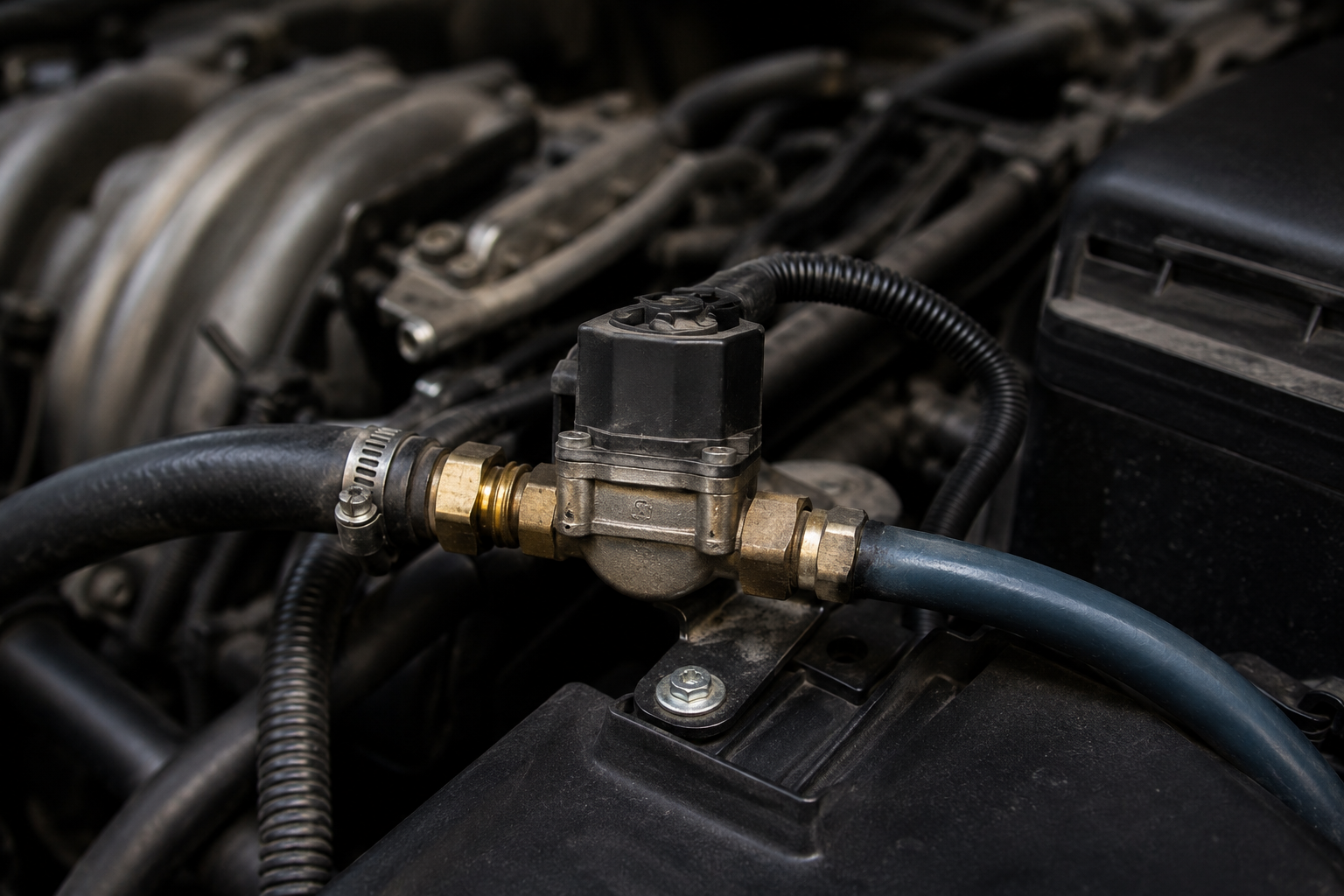
Switching from LPG to Gasoline While Driving: Why the Switching Valve Sometimes Fails
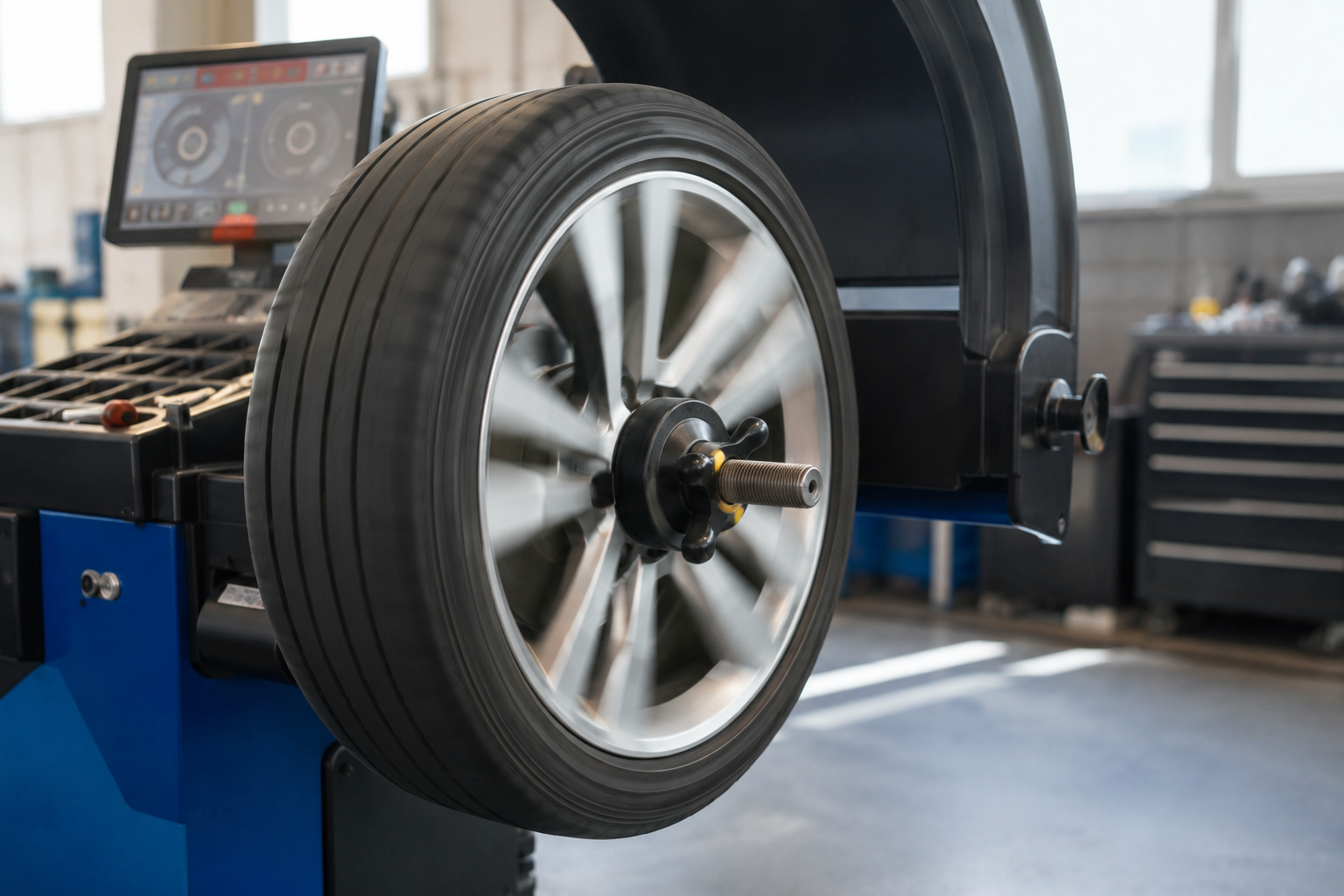
Wheel Balancing: Why Vibration at High Speed Does Not Always Mean a Bent Rim
Car Air Conditioner Disinfection: Why It Is Necessary and How Often It Should Be Done
CV Boot: Why Replacing It Costs Much Less Than Repairing the Drive Shaft
Wheel Bearing Noise: How to Identify Which Wheel Is Faulty
Car Soundproofing: Where to Start for the Best Results
Factory Paint Thickness of a Car: How to Read Paint Thickness Gauge Measurements
Airbag Warning Light Is On: Reasons You Should Never Delay Diagnostics
Why Your Car Battery Dies in Summer: How to Check the Alternator and Find a Hidden Power Drain
Brake Caliper Sticking: Why Your Car Pulls to One Side
Why the Steering Wheel Vibrates During Braking: How to Find the Real Cause
Engine Oil Consumption: Where the Line Between Normal and a Problem Lies
What Causes Engine Knock and What the “Pinging” Sound Means
Sagging Suspension Springs: Hidden Symptoms and Why Replacing Only the Shock Absorbers Won’t Solve the Problem
Suspension Knocking Over Bumps: How to Tell the Difference Between a Dull Strut Knock and a Rattling Stabilizer Link
Humming, Grinding, and Compressor Seizure: Signs of a Faulty Car Air Conditioning Compressor
Why Your Car’s Air Conditioner Smells Bad and How Bacteria in the Evaporator Can Affect Your Health
Uneven Tire Wear: What the Pattern of a “Worn-Out” Tire Can Tell You About Your Vehicle
Engine water hammer: consequences that can be avoided
Storing a car without operation: how to prepare a car for long downtime
Breaking in new tires: why new wheels need the right start
Why does a car suddenly start to “live its own life”: electronic system failures and ECU malfunctions
Why a New Battery Discharges After Parking: Searching for a Parasitic Current Drain
How to Know When Your Vehicle Needs a Wheel Alignment
Why an Air Conditioner Stops Cooling
Signs of Worn Shock Absorbers
Why Parking Sensors and Rearview Cameras Stop Working
Why You Should Never Ignore Unusual Noises in Your Vehicle
Seasonal tire replacement: why it’s important to change your tires on time
Why does the steering wheel shake at speed and how is it related to wheel balancing?
When to change tires: signs of worn rubber and how to identify them
Faulty car sensors: how to detect and what to do
Car won’t start: main causes of electrical faults
How incorrect car diagnostics harm the car
Common myths about Mercedes reliability
Brake system problems: signs you shouldn’t ignore
How the condition of the suspension affects safety
Why gearbox problems often start with electronics
Cooling system problems that are often ignored
Unstable engine idling: causes
Why the Engine Overheats and How to Prevent It
Signs of Brake Pad and Disc Wear: When to Visit a Service Center
Checklist: Car inspection before a trip
Electric Car Maintenance – Tips and Care Features
How to Choose the Right Engine Oil: Synthetic, Semi-Synthetic or Mineral?
Criteria for choosing a car service
When is a timing belt replacement necessary?
Wheel balancing – what is it and why is it necessary?
How to raise the glass if the window regulator is broken
Collapse convergence: what is it, how and why is it done
Vehicle maintenance
Engine repair: basic principles and methods
What is the undercarriage of a car
Fuel injector cleaning for smooth engine operation
Repair or replacement: when the car windshield becomes unsafe
Car engine diagnostics: an overview of tools and methods
When it is necessary to change the timing belt: terms and features of replacement
Computer diagnostics of the car engine
Diagnostics and repair of the brake system
What is wheel alignment? Subtleties of repair
Changing engine oil: how and when to do it
Overhaul of a car engine – causes and stages
Car diagnostics: what is it and how is it done?
Changing «shoes»: how to choose a good tire service?
How to properly charge your car air conditioner
How a car starter works: diagram, principle of operation, main components and types of breakdowns
The principle of operation of the turbine – how it works
Air in the fuel system: what is dangerous and how to remove
Which freon is best for car air conditioning
Car soundproofing – for those who love comfort
How to change a wheel on a car
How do you know it’s time to change your windshield?
Motor oil: a complete immersion in the topic
Brake problems: important information for every driver
Why choose genuine Mercedes-Benz parts
Modern Mercedes-Benz diagnostic methods
Mercedes-Benz automatic transmission maintenance and repair
How to care for Mercedes-Benz paintwork
The evolution of Mercedes-Benz car design: from classic to modern
Tips for choosing a reliable car service: what to look for
Modern technologies in car service: how they improve service

Fuel saving tips: how to reduce gas costs
Features of maintenance and repair of Mercedes-Benz cars
Why it’s important to follow a car maintenance schedule
Thank you for choosing our network of car services. We will contact you soon.
Це допоможе підібрати найвигідніший автосервіс поруч з вами
Оберіть філію