Mon-Fri | 08:00 - 20:00


Find

Contact us

Kyiv
46 Kyrylivska St. (Podil)
 Мережа СТО в місті

Kyiv
46 Kyrylivska St. (Podil)
 Мережа СТО в місті

 Години роботи
 Mon-Fri
08:00 - 20:00
Cooling system problems that are often ignored

Why the cooling system is critical
The engine cooling system is responsible for maintaining a stable temperature regime, which is key to the resource of components and the operation of electronics. Overheating of the engine or uneven cooling leads to wear of metal parts, deformation of the cylinder head and damage to gaskets. Antifreeze, radiator, thermostat and pump form a critically important circuit that ensures effective heat removal from the engine. Incorrect operation of any element disrupts the temperature balance, which negatively affects the fuel mixture, adaptations and sensors. This can create false signals from electronic control units, making it difficult to diagnose and monitor the condition of the engine.
It is especially important to consider that modern engines are equipped with complex electronics that are sensitive to overheating. Temperature sensors, fuel mixture control systems and adaptations react even to small fluctuations that arise due to unstable temperature conditions. Ignoring these nuances leads to the fact that minor problems accumulate and turn into serious malfunctions.
Typical problems that are ignored
Many car owners do not pay attention to the first signs of a malfunction in the cooling system. The most common problems include:
- coolant leakage through cracks in the hoses, seals or pump housing;
- radiator clogging, which reduces the efficiency of heat transfer;
- thermostat stuck in one position, which does not allow antifreeze to circulate properly;
- increased contamination or aging of antifreeze, which reduces its heat capacity;
- inattention to electronics signals that may indicate local overheating;
- unstable engine speed and tripping, which can be a side effect of a violation of the temperature regime.
Ignoring these problems leads to an increase in the load on the engine, premature wear of parts and the possibility of improper repairs when replacing serviceable components.
What causes a violation of the temperature regime
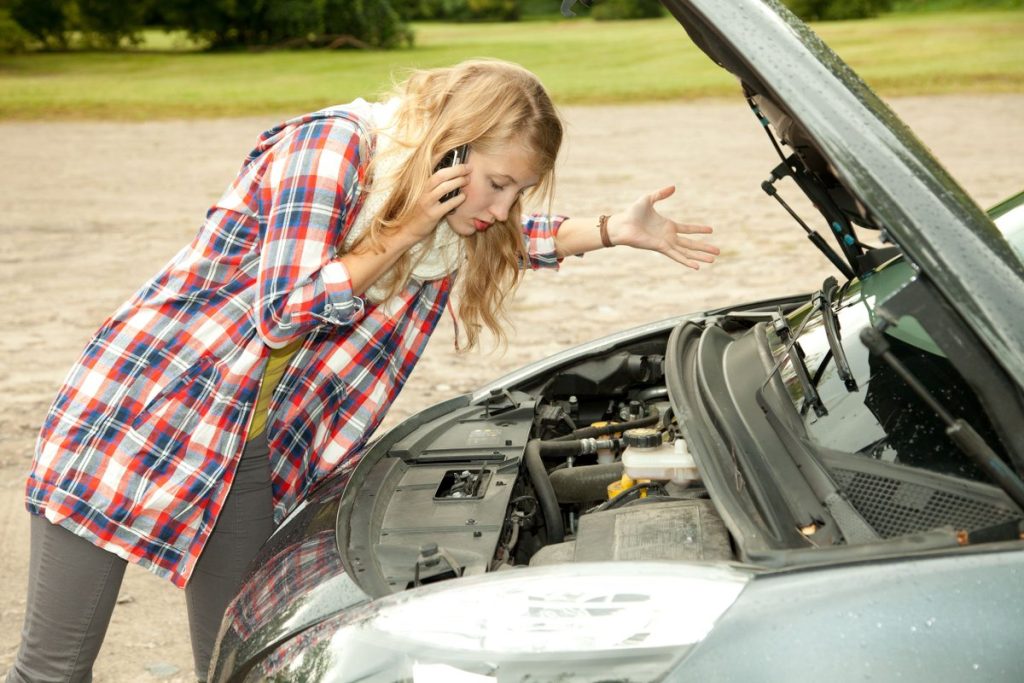
Incorrect temperature regime has a complex negative effect on the engine. Overheating:
- increases the pressure in the cooling system, which can damage hoses and gaskets;
- accelerates bearing wear and causes deformation of the cylinder head;
- causes uneven combustion of the fuel mixture, increases the load on the catalyst;
- causes corrosion of the radiator and metal parts, reducing the resource of the components;
- affects the operation of electronic units and adaptation systems, which can give false signals and lead to improper repairs.
Even short-term overheating can have long-term consequences. Often, problems caused by overheating appear only after several thousand kilometers, when damage to the cylinder head or gaskets has already occurred. Therefore, early detection of temperature violations is critically important.
Why overheating is not always accompanied by indicators
Modern cars have temperature sensors, but they do not always accurately reflect the real state of the engine. Local overheating can occur in the radiator or cylinder head without affecting the readings of the main sensor. Sensors can also give delayed or incorrect readings due to contamination, aging, or incorrect calibration.
Drivers often do not notice small temperature fluctuations that cause floating engine speeds or tripling. The absence of signals on the instrument panel does not mean that the engine is operating safely. Often, only a comprehensive check of the electronics, adaptations, and temperature sensors helps to identify hidden problems in the cooling system.
How to avoid serious repairs
To prevent critical breakdowns, it is necessary to carry out preventive maintenance of the engine cooling.
It is recommended to:
- regularly check the level of antifreeze and the condition of the hoses;
- clean and flush the radiator to maintain heat exchange efficiency;
- monitor the thermostat and pump according to the service interval schedule;
- use high-quality antifreeze and monitor the temperature regime during operation;
- check electronic units and sensors to ensure the correct operation of the adaptations;
- in case of suspected leakage or overheating, perform a comprehensive engine inspection to avoid replacing serviceable parts.
A comprehensive approach allows you to timely detect minor problems that accumulate and prevent serious engine repairs, preserving the resource of components and the stability of electronics.
Top popular news
- Air Conditioner Losing Refrigerant Without Visible Damage: Causes and Solutions
- Why Wheel Alignment Goes Out After Adjustment: It Is Not Always the Alignment Rack
- Seized Brake Caliper: Symptoms, Causes, and Repair
- Changing the Oil in an AWD Differential: Why This Component Is Often Forgotten
- Check Engine Light Flashing: What the Signal Means and Why You Should Not Ignore It
- Preparing a car for a long trip: checklist before departure
- Oil leaking from the valve cover: causes of seepage and finding the source of the problem
- Automatic climate control does not maintain the set temperature: where to look for the cause

Subscribe to our newsletter!
To stay updated with the latest news


Book a service