Mon-Fri | 08:00 - 20:00


Find

Contact us

Kyiv
46 Kyrylivska St. (Podil)
 Мережа СТО в місті

Kyiv
46 Kyrylivska St. (Podil)
 Мережа СТО в місті

 Години роботи
 Mon-Fri
08:00 - 20:00
How to properly charge your car air conditioner

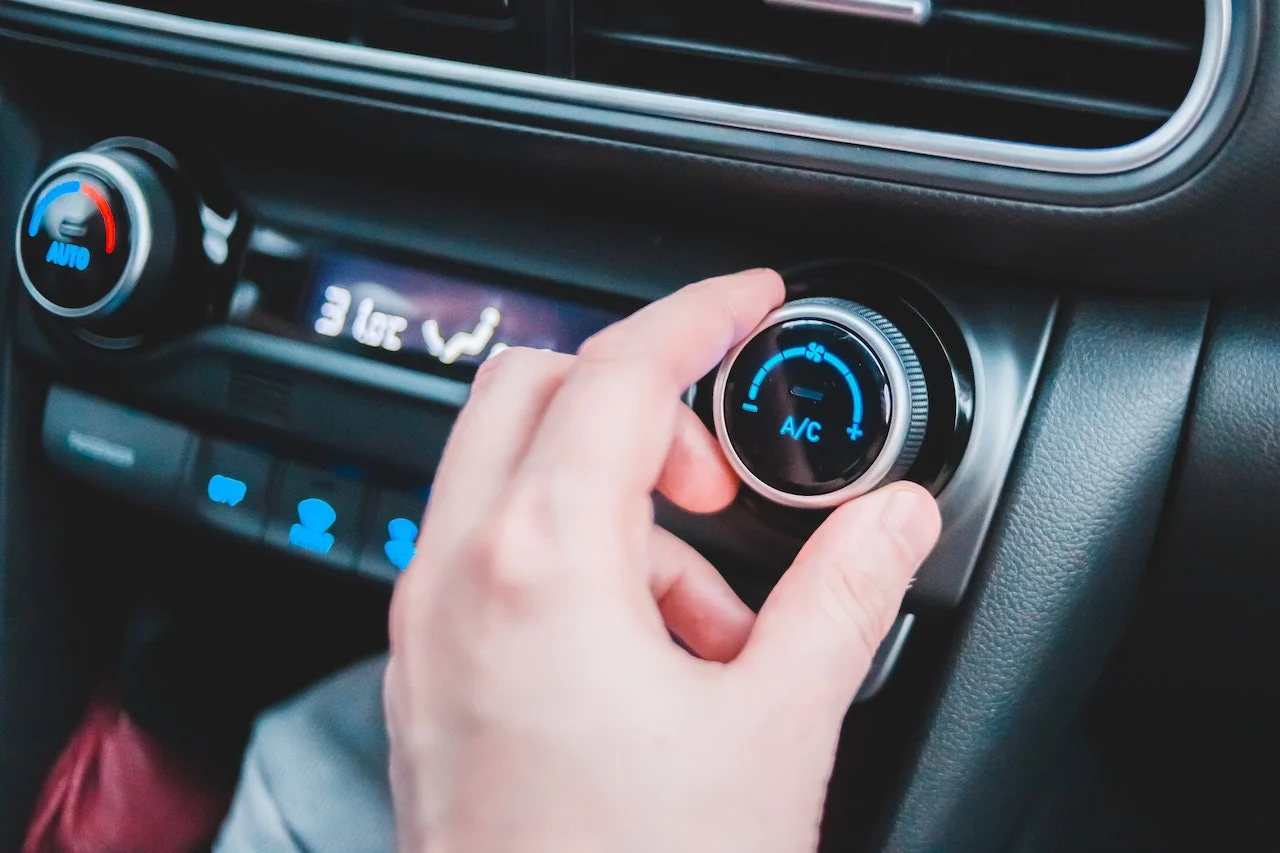
Air conditioning in a car is a necessary element of comfort that provides coolness in hot weather. However, if the air conditioning system is not working properly, topping it up may become a necessity. In this article, we will tell you in detail how to properly charge a car air conditioner.
How does air conditioning work in a car
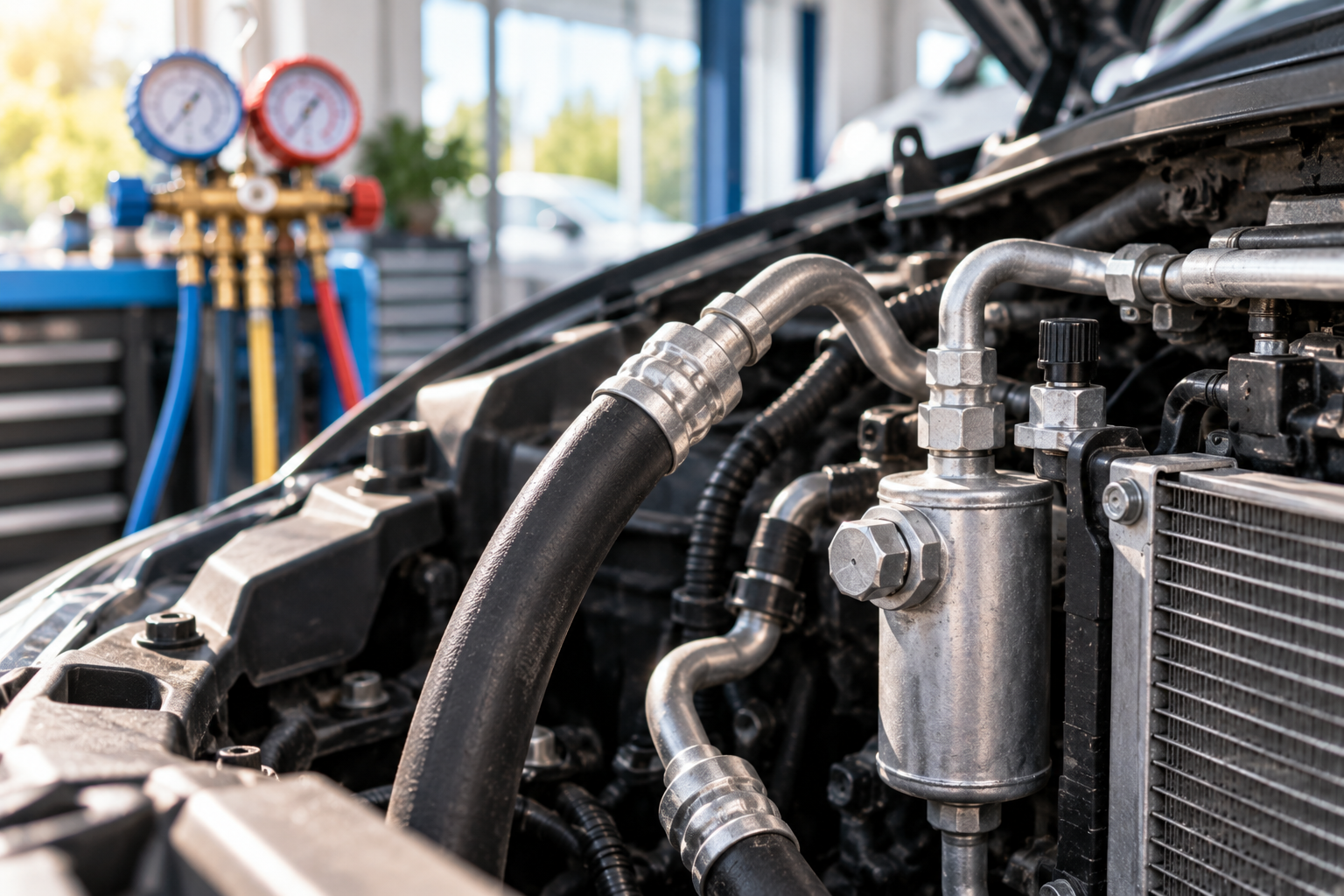
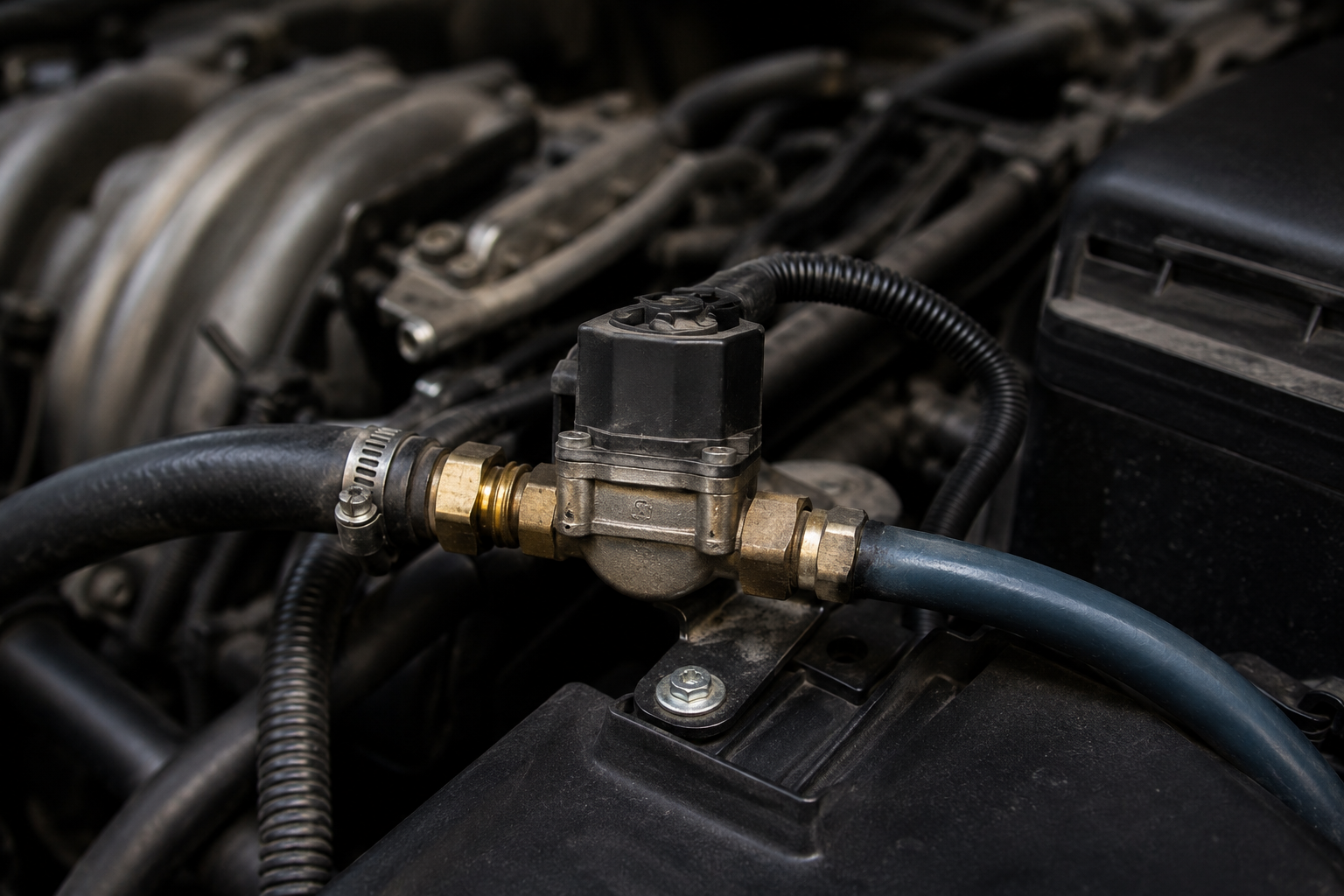
The car air conditioner works on the principle of cyclic cooling and heating. It consists of compressor, evaporator, condenser, expansion valve and receiver. The compressor is responsible for compressing the freon, which then enters the evaporator, where it expands. At this point, freon evaporates, which is cooled due to this. Then it goes to the condenser, where it is compressed and heated. As a result, heat is released, which goes into the environment. The expansion valve controls the amount of freon entering the evaporator, and the receiver stores freon and protects the system from air locks.
How and how often to fill the air conditioner
The frequency of refueling the air conditioner depends on the operating conditions of the vehicle and its components. On average, refueling should be carried out every 1-2 years. However, if the air conditioning system does not work properly or cools the air poorly, then it must be checked and, if necessary, topped up. In addition, if a freon leak is detected in the system, then it is necessary to refuel it.
What is required for freon charging
Refueling a car air conditioner requires special equipment and knowledge. First, you need to purchase freon that is suitable for a particular brand of car. Secondly, it is necessary to ensure the presence of a pressure gauge and a thermometer to control the parameters in the air conditioning system. In addition, goggles and gloves should be used to prevent freon from getting into the skin and eyes.
How to fill your car air conditioner yourself
Refueling a car air conditioner is a responsible process that must be carried out in accordance with certain rules. Below we will describe the main stages of refueling.
Steps for Charging a Car Air Conditioner:
- Check the air conditioning system for Freon leaks.
- Preparation of equipment for filling with freon.
- Installing a pressure gauge on the freon supply port.
- Checking the pressure in the air conditioning system.
- Turn on the air conditioner at maximum power.
- Filling with freon by weight or by pressure gauge, depending on the make and model of the car.
- Checking pressure and temperature in the air conditioning system.
- Removal of equipment for refilling freon.
- Closing the freon supply port and checking for leaks.

How to Determine the Required Amount of Freon for Refueling an Air Conditioner
To determine the required amount of freon for refueling the car’s air conditioner, you must refer to the car’s operating manual. It indicates how much freon should be added to the air conditioning system. In addition, you can contact car repair specialists or car services who can refuel according to the car model and operating conditions.
Freon charging by weight
Charging a car’s air conditioner by weight is a more accurate method that takes into account the weight of Freon added to the A/C system. To do this, you must use special equipment that allows you to control the amount of added freon.
Filling by pressure gauge
Refueling the car’s air conditioner by pressure gauge is carried out using special pressure gauges that control the pressure in the air conditioning system. To do this, you need to connect pressure gauges to the supply and low pressure ports, and then look at the pressure readings to determine how much Freon needs to be added. Usually, when refueling on a pressure gauge, freon is added until a certain pressure level in the air conditioning system is reached.
Refueling By Thermometer
Refueling a car air conditioner using a thermometer is done by measuring the temperature of the air leaving the air conditioner. To do this, you must use a thermometer that is placed in the outlet of the air conditioner. Usually, when refueling according to a thermometer, freon is added until a certain temperature of the air leaving the air conditioner is reached.
Refueling a car air conditioner is a responsible process that requires certain knowledge and skills. If you are not confident in your abilities, it is better to contact car repair specialists or car services who can refuel based on the car model and operating conditions. Keep in mind that improper charging of the air conditioner can cause it to malfunction and damage other parts of the air conditioning system, which will entail additional repair costs.
Top popular news
- Air Conditioner Losing Refrigerant Without Visible Damage: Causes and Solutions
- Why Wheel Alignment Goes Out After Adjustment: It Is Not Always the Alignment Rack
- Seized Brake Caliper: Symptoms, Causes, and Repair
- Changing the Oil in an AWD Differential: Why This Component Is Often Forgotten
- Check Engine Light Flashing: What the Signal Means and Why You Should Not Ignore It
- Preparing a car for a long trip: checklist before departure
- Oil leaking from the valve cover: causes of seepage and finding the source of the problem
- Automatic climate control does not maintain the set temperature: where to look for the cause

Subscribe to our newsletter!
To stay updated with the latest news


Book a service