Mon-Fri | 08:00 - 20:00


Find

Contact us

Kyiv
46 Kyrylivska St. (Podil)
 Мережа СТО в місті

Kyiv
46 Kyrylivska St. (Podil)
 Мережа СТО в місті

 Години роботи
 Mon-Fri
08:00 - 20:00
Car won’t start: main causes of electrical faults
A situation where the car does not respond to starting

When a driver turns the key or presses the start button, but the car does not start, it is always a cause for concern. The problem can manifest itself in different ways: the starter does not turn, the instruments on the panel do not light up when the ignition is turned on, or the engine makes short attempts to start, but does not start completely. Understanding why the car does not start helps to identify the fault more quickly and avoid unnecessary repair costs.
Modern cars have a complex electrical system. Key components include the battery, starter, generator, control units and other electronic systems. Even a small fault in the contacts or wiring can cause the car not to start, although visually everything seems to be in order.
Main electrical causes of the problem
Among the most common reasons why a car won’t start are:
- Discharged or damaged battery. The battery provides starting current to start the engine. A worn battery cannot produce enough power, and the starter does not turn. Symptoms: the instrument panel is dimly lit, the lights are weak, the car does not respond to the key after idle time. In addition, low temperatures accelerate the loss of battery charge, especially in winter.
- Faulty starter. The starter rotates the engine during start-up. If the contacts are damaged or oxidized, the engine will not start. Symptoms: when turning the key, you hear a click or grinding sound, the engine does not rotate; sometimes the starter works unstable, and starting is possible only after several attempts. The starter requires timely diagnostics, as overload can lead to failure of the windings.
- Problems with the generator. The generator charges the battery while driving. Its malfunction leads to a gradual discharge of the battery. Symptoms: electronic devices operate unstable, the battery quickly loses charge, the car does not start after idle time. Even with a working starter and battery, the engine may not start due to insufficient voltage.
- Electronic system malfunctions. Modern cars are equipped with control units and electronic systems that control the starting process. Errors in the control unit, faulty sensors or damaged contacts can block starting. Symptoms: the engine does not respond to the key, but the instrument panel lights up; the electronics work partially. Diagnostics using a special scanner helps to identify faulty sensors and error codes.
How to distinguish between a battery, starter or generator malfunction
To understand why the car won’t start, it is important to evaluate the symptoms:
- Battery. The lights on the panel are dim, the starter works poorly or does not turn the engine. A simple test is to connect a charger or start from the cigarette lighter.
- Starter. When the ignition is turned on, a click or grinding sound is heard, the engine does not turn over. In some cases, you can gently tap the starter – this temporarily restores operation.
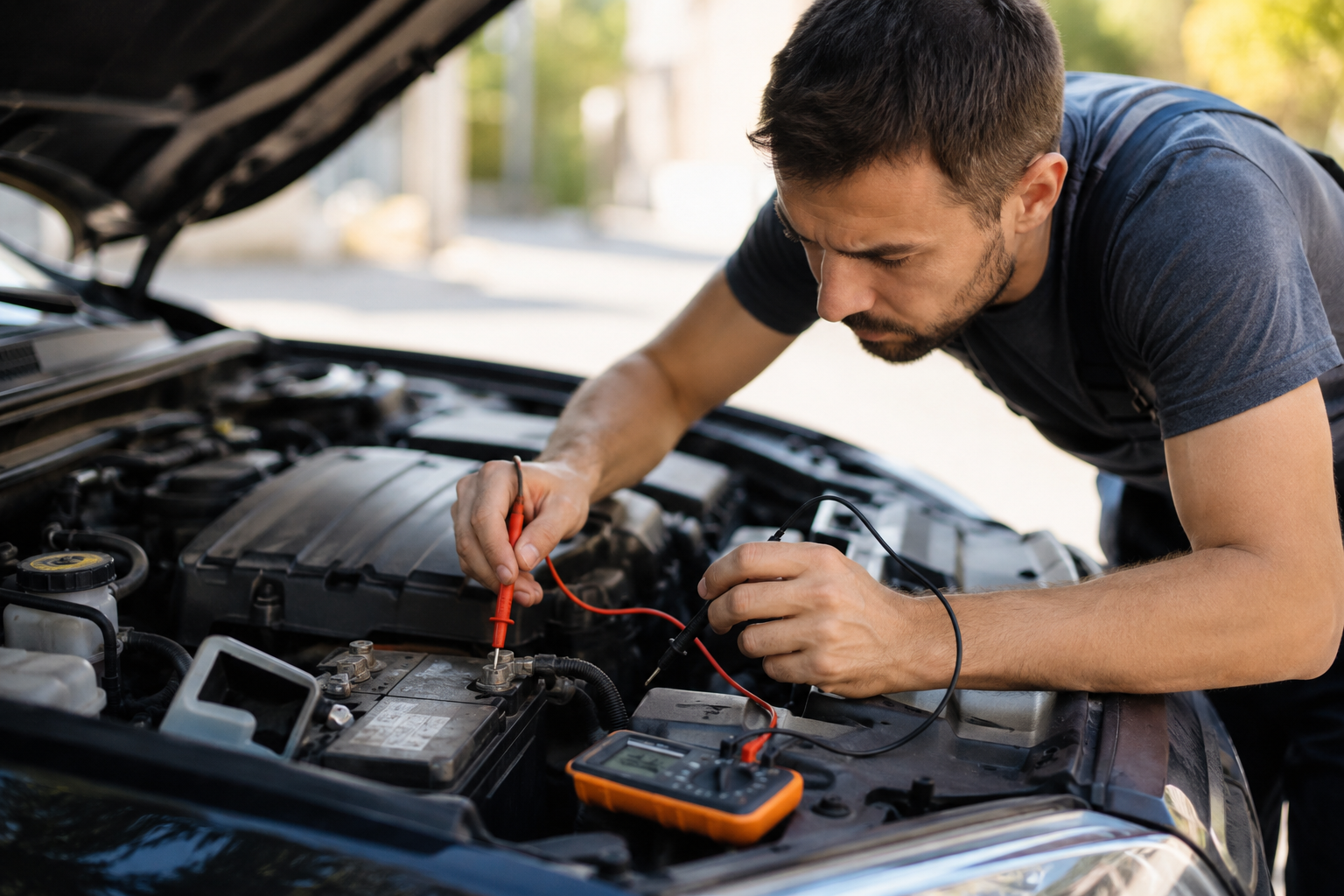
- Generator. The battery is charged, but after driving the car does not start due to a discharge. Check – measure the voltage at the battery terminals while the engine is running; the absence of normal voltage indicates a problem with the generator.
Additionally, it is worth checking the contacts, wiring and starter relay. Corrosion or loose terminals often lead to the starter not receiving current even with a healthy battery.
When to contact an auto electrician
If the car does not start after the initial inspection, it is worth contacting a specialist in auto electrical diagnostics. The electrician will assess:
- battery charge and condition;
- starter and contact performance;
- generator operation and belt tension;
- condition of control units and electronics.
Early intervention helps to avoid additional damage to the electrical system and expensive repairs. Regular monitoring of the battery, contacts and wiring condition reduces the risk of the car not starting at a critical moment, ensures stable engine start and safe operation.
Knowledge of the main symptoms and logic of electrical systems allows the driver to independently assess the condition of the car before the trip, which is especially important for owners of old cars or cars with an intensive load on the electrical system.
Top popular news
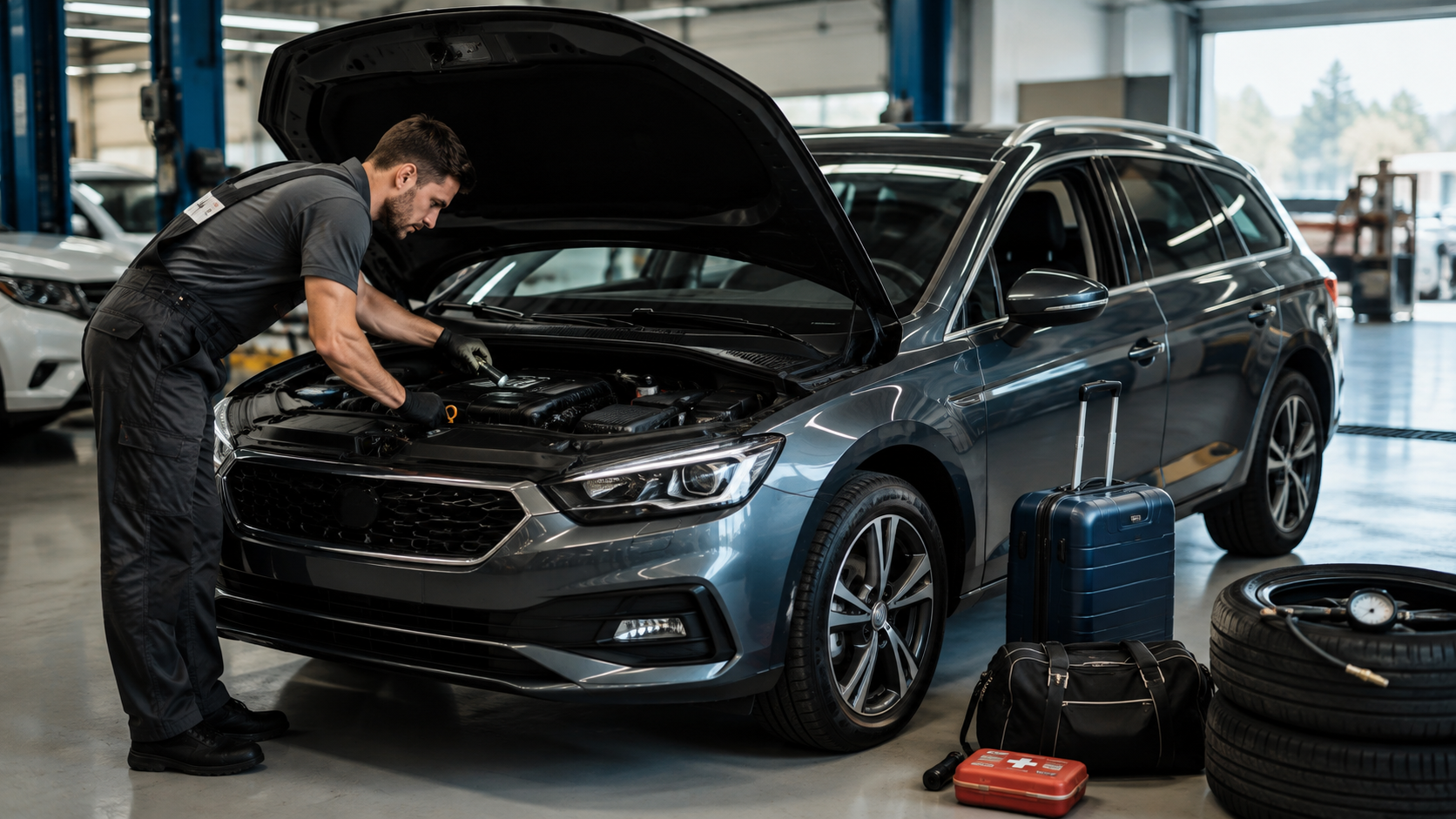
- Preparing a car for a long trip: checklist before departure
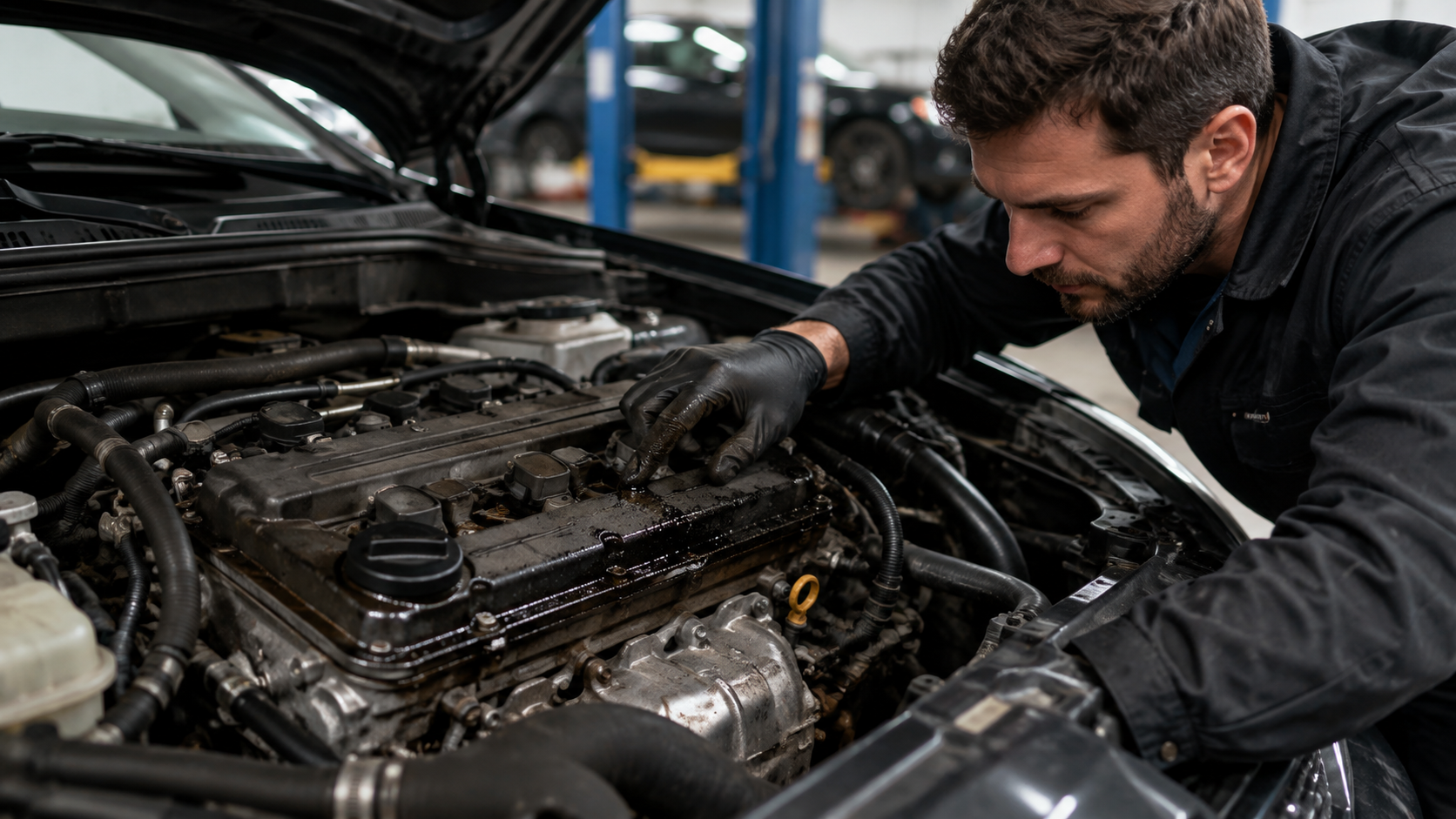
- Oil leaking from the valve cover: causes of seepage and finding the source of the problem
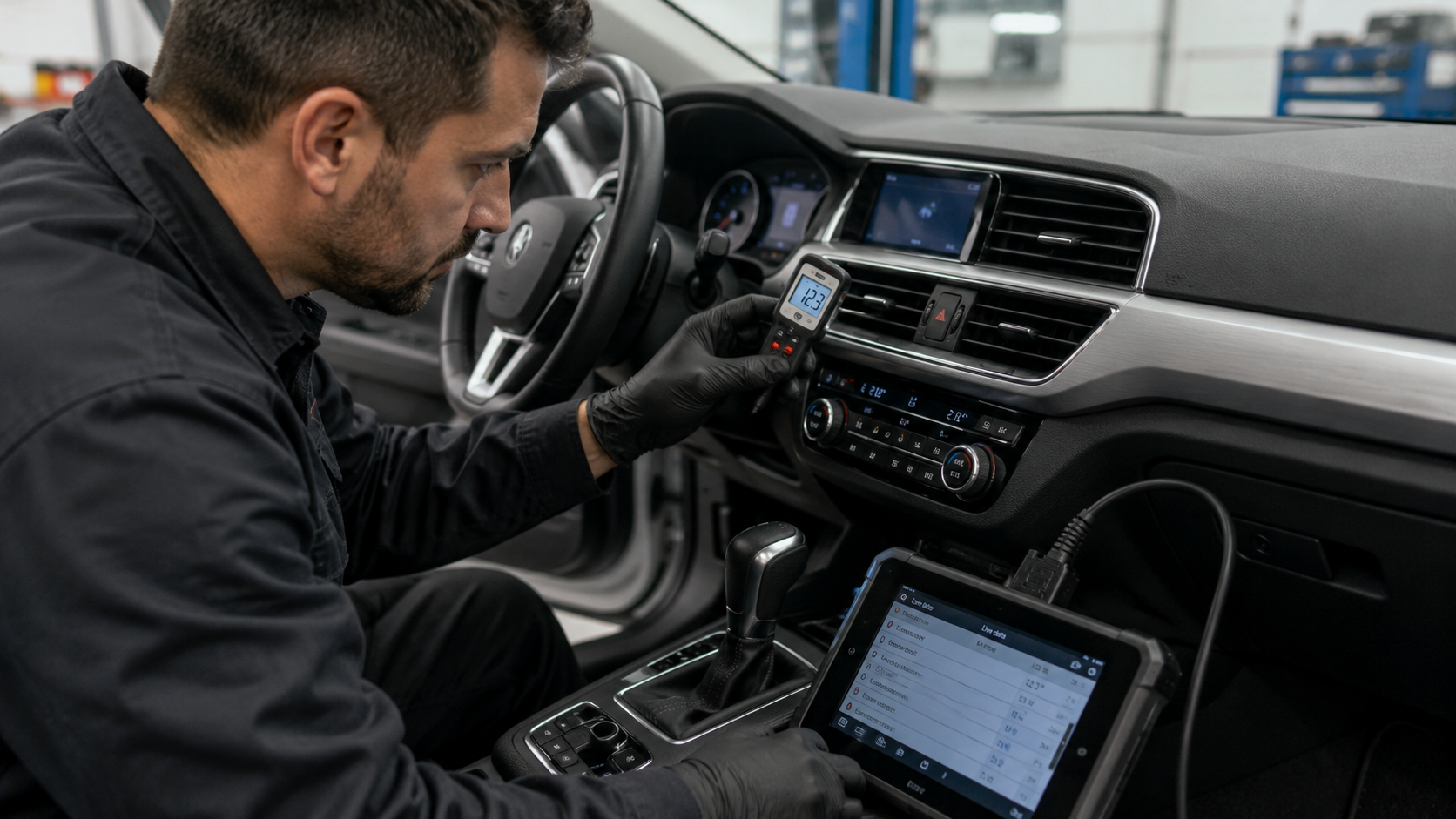
- Automatic climate control does not maintain the set temperature: where to look for the cause
- Brake pipes and hoses: different designs with different risks
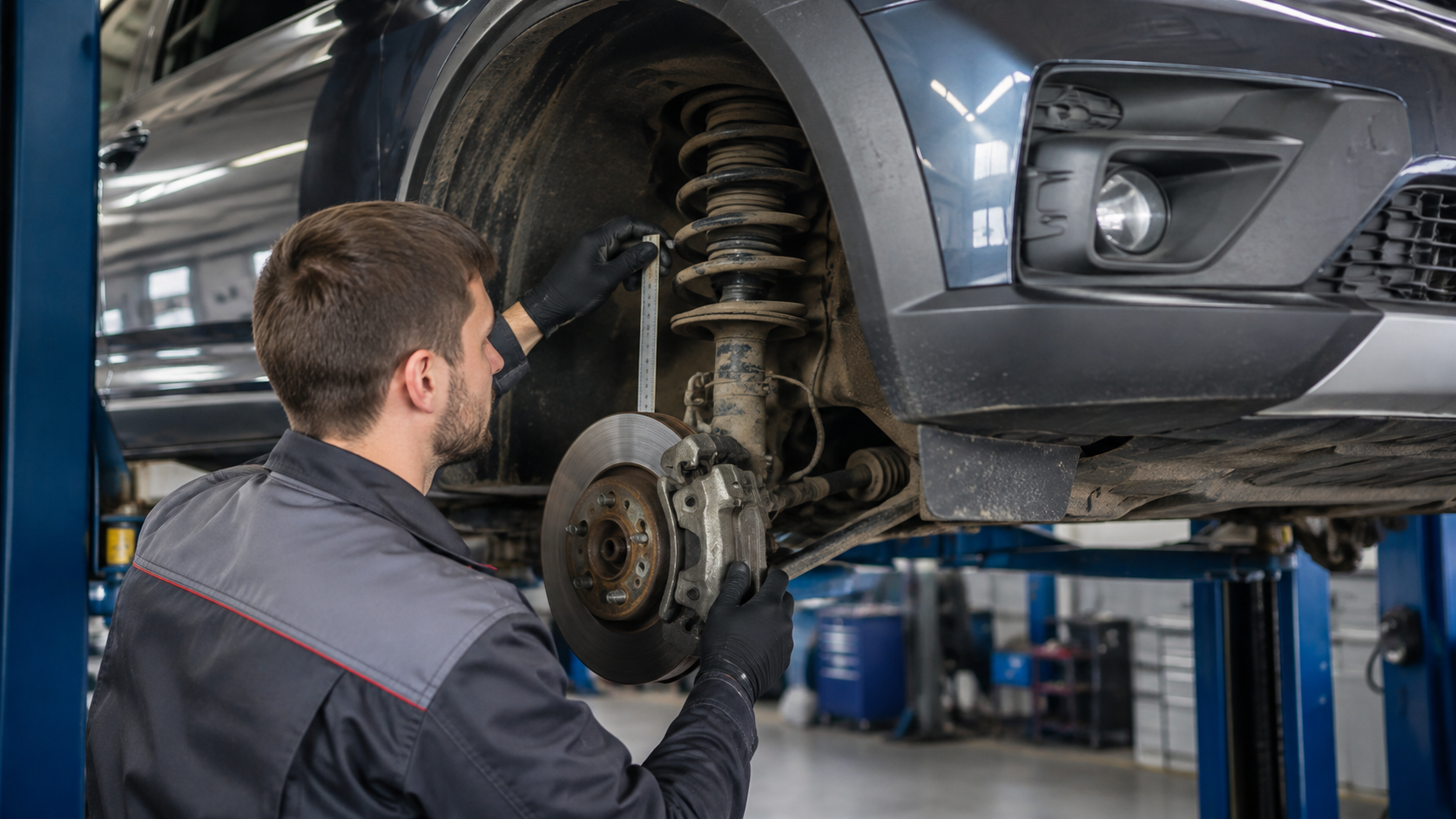
- Suspension spring sagging: gradual loss of performance without an obvious failure
- PCV crankcase ventilation valve: why a fault leads to oil leaks
- Headlights fogging from the inside: normal condensation or a sign of housing damage
- Steering rack: hydraulic leak or electric power-steering fault – how the problem is diagnosed

Subscribe to our newsletter!
To stay updated with the latest news


Book a service