Mon-Sut | 09:00 - 19:00


Find

Contact us

Kyiv
18 Teplovozna Street (Poznyaki)
 Мережа СТО в місті

Kyiv
18 Teplovozna Street (Poznyaki)
 Мережа СТО в місті

 Години роботи
 Mon-Sut
09:00 - 19:00


Brake Caliper Sticking: Why Your Car Pulls to One Side
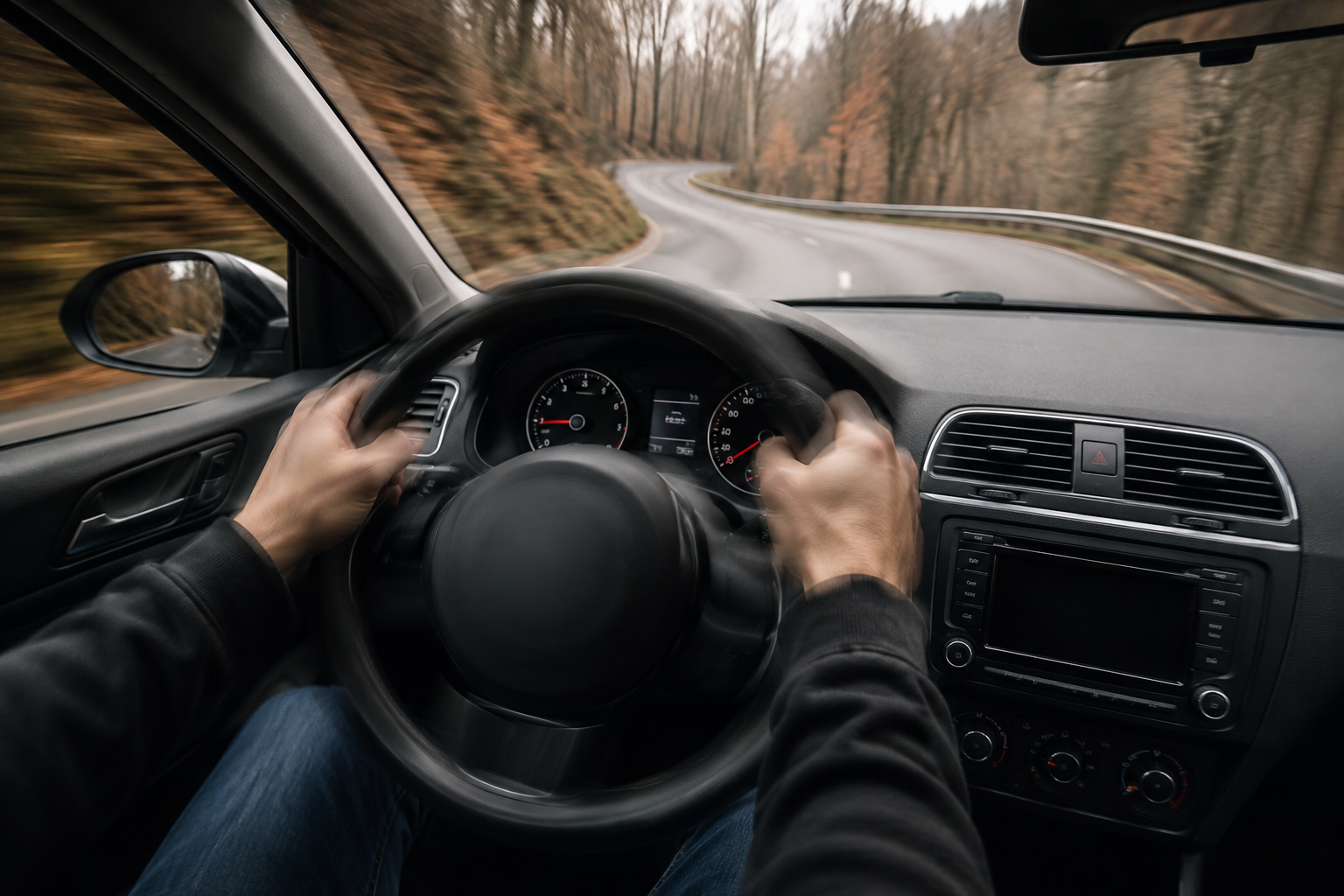
After taking your hands off the steering wheel, the car slowly drifts toward the side of the road, even though the road is straight, the tire pressure is equal, and the wheel alignment was performed recently. In this situation, the suspension or steering system is often blamed first, although the actual problem may be inside the braking system. If a brake caliper is sticking, the symptoms usually develop gradually. At first, acceleration becomes less responsive, rolling resistance increases, and eventually the driver has to constantly correct the steering even while driving in a straight line.
Why the Vehicle Starts Changing Direction
The way the vehicle behaves depends on the position in which the brake caliper has seized.
If the brake caliper piston or guide pins stop moving properly and the brake pads remain pressed against the rotor, the wheel continues braking all the time. Rolling resistance increases on that side, causing the vehicle to gradually drift toward the affected wheel even without pressing the brake pedal.
The opposite situation is also possible. Because of a sticking piston or severe corrosion, the mechanism barely operates during braking. The properly functioning wheel slows down quickly, while the affected wheel responds with a delay. As a result of the difference in braking force, the vehicle pulls to one side during braking, especially at higher speeds.
How to Identify the Problem Without Special Equipment
The first signs can often be noticed after an ordinary drive.
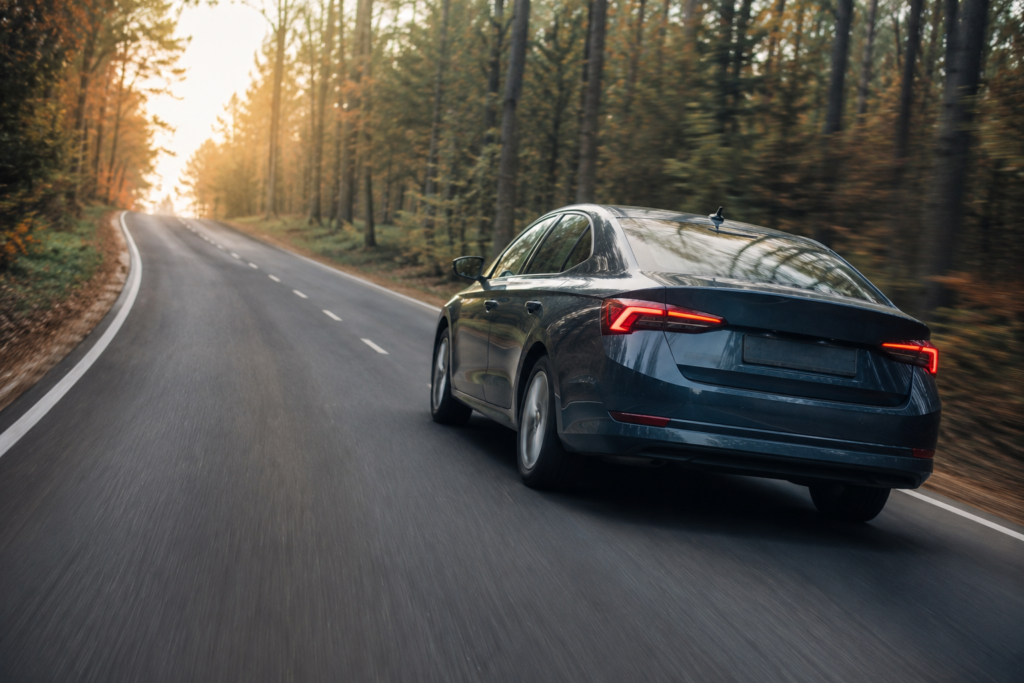
Common warning signs include:
• the smell of overheated brake pads;
• excessive heat coming from one wheel;
• reduced acceleration;
• uneven brake pad wear.
After stopping, carefully compare the temperature of all the wheels. If one wheel is significantly hotter than the others and it is difficult to bring your hand close to it, this may indicate excessive wheel heating caused by a sticking brake caliper. Always check wheel temperature carefully to avoid burns.
Another characteristic sign is uneven brake pad wear. In some cases, the inner brake pad is almost completely worn out while the outer pad still has a substantial amount of friction material remaining. This uneven wear indicates that the mechanism is not operating correctly.
What Usually Fails
In most cases, the problem begins after the brake caliper dust boot becomes damaged. Even a small crack or tear allows water, road dirt, and deicing chemicals to enter the mechanism. Corrosion forms on the brake caliper piston and gradually damages the cylinder bore. As a result, the piston begins to stick or fails to retract fully after the brake pedal is released.
Guide pins are another common source of trouble. If ordinary grease or multipurpose lubricant is used instead of a dedicated high temperature brake grease, it loses its properties under extreme heat. The guide pins begin moving with greater resistance, preventing the brake pads from releasing completely.
The condition of the brake fluid also affects caliper operation. Over time, brake fluid absorbs moisture, accelerating corrosion inside the cylinder and reducing the free movement of the piston.
How the Brake Caliper Is Repaired
The repair process begins with complete disassembly of the brake caliper. The housing is thoroughly cleaned of dirt and corrosion before inspecting the piston, cylinder bore, guide pins, and seals. Any components showing significant wear or damage are replaced.
A brake caliper repair kit is used during reassembly. It typically includes new seals, dust boots, and other replacement parts. All moving components are then lubricated with specialized high temperature compounds designed specifically for brake systems.
When choosing a service center that performs brake caliper repair in Kyiv on the right bank, it is worth making sure they carry out a complete restoration of the assembly rather than simply replacing the rubber components. Proper brake system service includes corrosion removal, inspection of every moving component, and verification that the mechanism operates correctly after reassembly. Only this comprehensive approach eliminates the root cause of the problem and helps prevent it from returning.
Top popular news
- Vehicle Maintenance Schedule by Mileage: What Really Needs to Be Replaced at 30,000, 60,000, and 90,000 km
- Importing a Car from the USA to Ukraine: Required Documents and Customs Clearance Costs
- Switching from LPG to Gasoline While Driving: Why the Switching Valve Sometimes Fails
- Wheel Balancing: Why Vibration at High Speed Does Not Always Mean a Bent Rim
- Car Air Conditioner Disinfection: Why It Is Necessary and How Often It Should Be Done
- CV Boot: Why Replacing It Costs Much Less Than Repairing the Drive Shaft
- Wheel Bearing Noise: How to Identify Which Wheel Is Faulty
- Car Soundproofing: Where to Start for the Best Results

Subscribe to our newsletter!
To stay updated with the latest news


Book a service