Mon-Sut | 09:00 - 19:00


Find

Contact us

Kyiv
18 Teplovozna Street (Poznyaki)
 Мережа СТО в місті

Kyiv
18 Teplovozna Street (Poznyaki)
 Мережа СТО в місті

 Години роботи
 Mon-Sut
09:00 - 19:00


Air in the fuel system: what is dangerous and how to remove

Air in the fuel system is a serious problem for any type of engine, including gasoline and diesel engines. Air can get into the system for various reasons and lead to a decrease in engine power, poor economy and even breakdowns. In this article, we will look at the main symptoms of air getting into the diesel and gasoline fuel system, possible places for air leakage, as well as methods for removing air and preventing this problem.
How does air enter the fuel system?
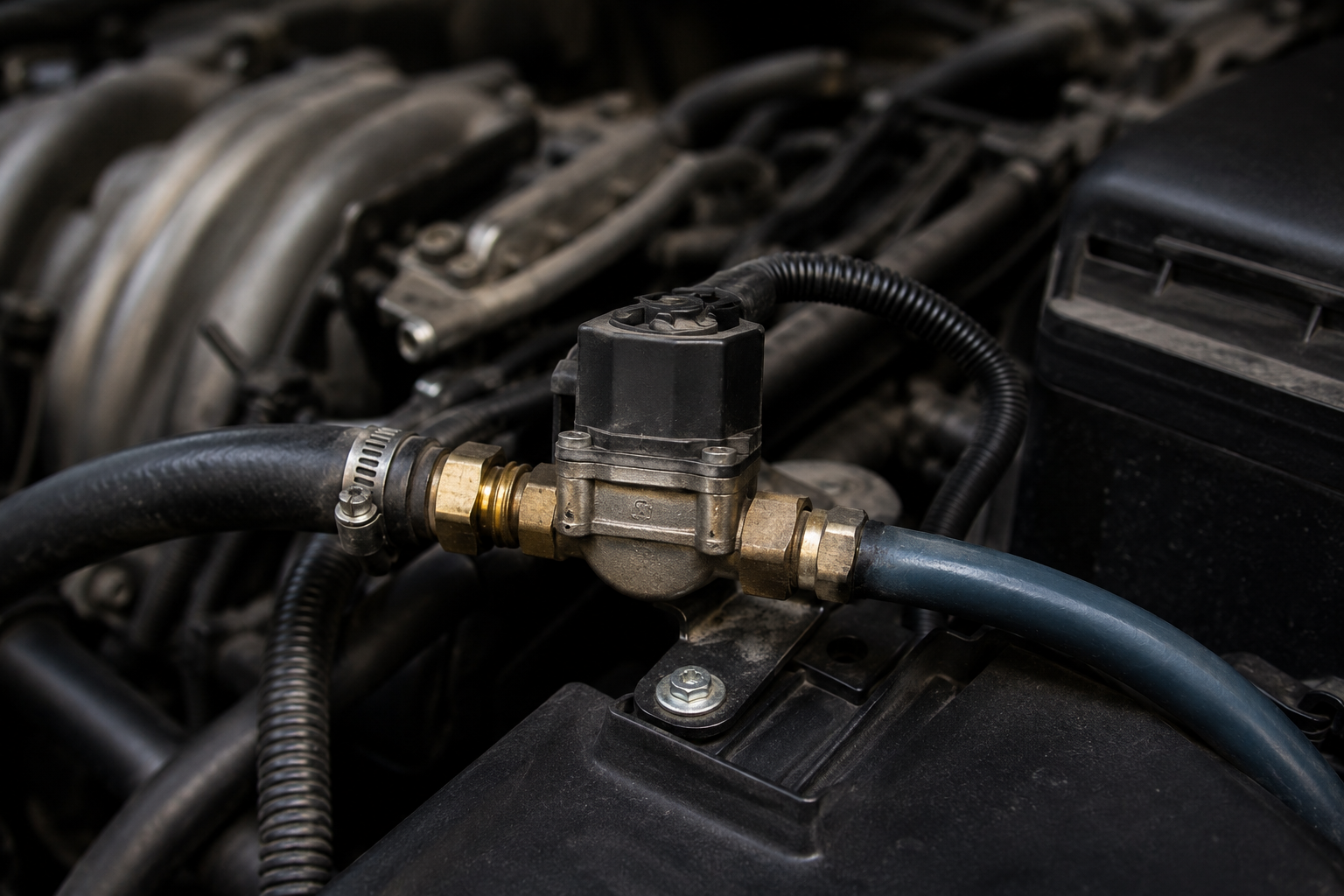
Air can enter the fuel system in various ways. One of the main ways is to suck air through a faulty gasket, a crack or cut in the fuel hose, and through faulty seals in the fuel filter. In addition, air can enter the system when replacing the fuel filter if the procedure has not been carried out correctly.
Another possible route for air to enter the fuel system is a problem with the fuel pump. For example, in some diesel engines, if the fuel pump cannot provide enough pressure, air can enter the system. Also, if the fuel pump has a crack or cut in the diaphragm, this can lead to air problems in the system.
What is dangerous air in the fuel system
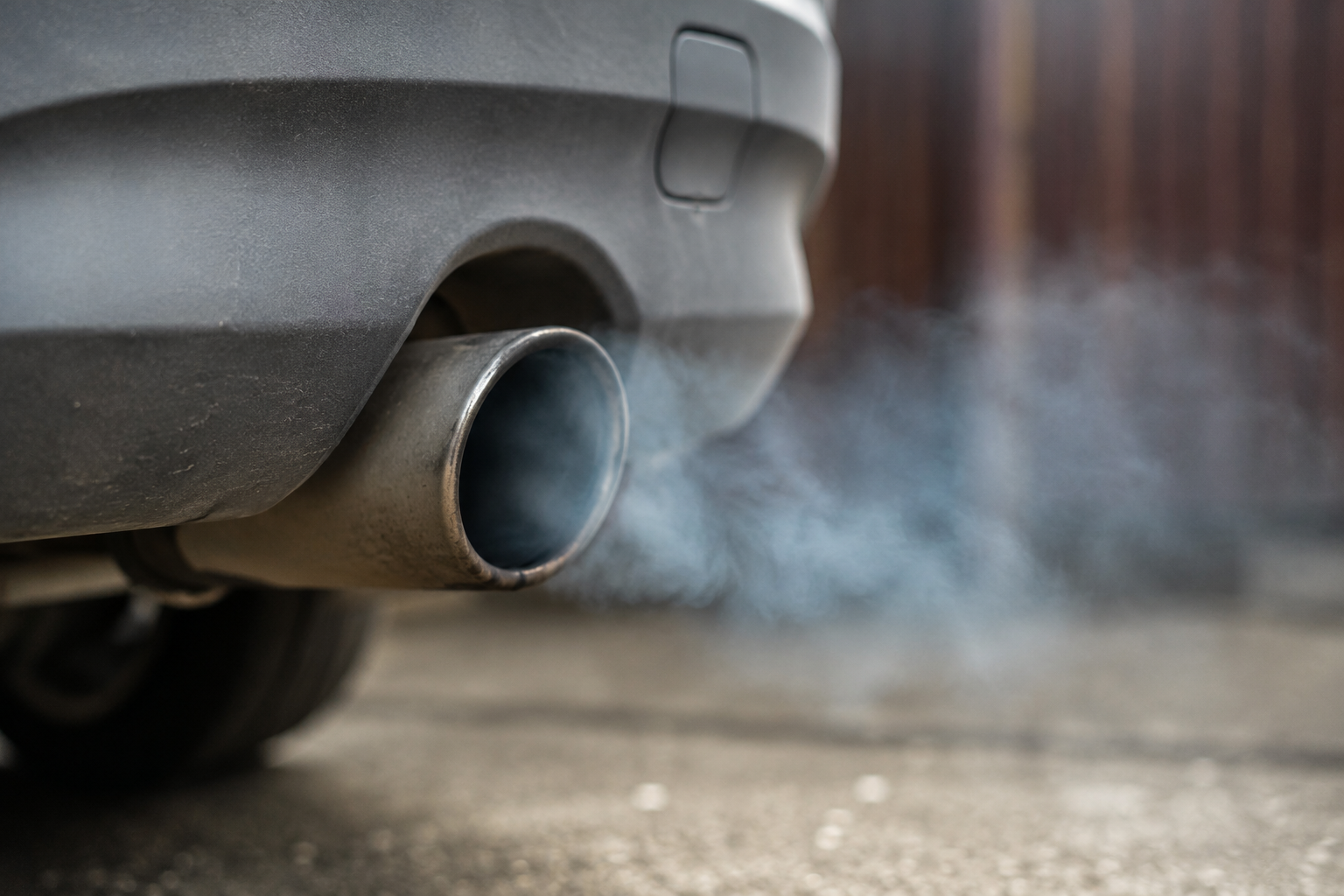
Air entering the fuel system can cause a variety of problems for both gasoline and diesel engines. The main symptoms of air entering the diesel fuel system are unstable idling, a decrease in engine power with increasing load, the appearance of black smoke from the exhaust pipe, and uneven engine operation at high speeds.
For gasoline engines, problems with air in the system can lead to engine slowdown, loss of power, possible difficulty starting the engine, as well as increased fuel consumption and errors in the engine electronic control system.
One of the most serious problems with air in the fuel system is the possibility of damage to the fuel pump, which can lead to a complete engine shutdown. In addition, if there is air in the system, there may be a possibility of corrosion in the fuel system, which will entail additional costs for its repair and replacement.


How to remove air from the system
If you notice signs of air in the fuel system, you need to take steps to remove it as soon as possible. The following methods may help resolve the issue:
- Draining air. To do this, you must use a special screw located on the fuel filter to remove air from the system. This method is easy to perform, but it may take several attempts before the air is completely removed.
- Use of special pumps and equipment to remove air from the fuel system. This method is the most effective, as it allows you to remove air from the system quickly and efficiently.
- Fuel filter replacement. If the filter has not been replaced correctly and therefore air has entered the system, replacing the filter may solve the problem.
Prevention
To prevent air from entering the fuel system, it is necessary to regularly carry out preventive maintenance:
- Checking the condition of the fuel filter. The fuel filter must be changed in accordance with the recommendations of the vehicle manufacturer. When replacing the filter, it must be ensured that it is installed correctly and that the seals are securely fastened.
- Checking the condition of fuel hoses and seals. If cracks, wear or damage are found, parts must be replaced.
- Checking the condition of the fuel pump. It is necessary to monitor the condition of the fuel pump and replace it if necessary.
- Use of quality fuel. Using poor quality fuel can increase the chance of air getting into the fuel system.
- Regular inspection and maintenance of the fuel system. Regular fuel system diagnostics and maintenance should be carried out in accordance with the recommendations of the vehicle manufacturer.
Main conclusions
Air in the fuel system is a serious problem in a vehicle and can lead to reduced engine performance, fuel pump damage, and additional fuel system repair costs. If there are signs of air in the system, steps should be taken to remove it as soon as possible using one of the methods described above. To prevent air from entering the fuel system, it is necessary to carry out regular preventive maintenance and maintenance, monitor the quality of the fuel and the correct installation of fuel parts.
Top popular news
- Air Conditioner Losing Refrigerant Without Visible Damage: Causes and Solutions
- Why Wheel Alignment Goes Out After Adjustment: It Is Not Always the Alignment Rack
- Seized Brake Caliper: Symptoms, Causes, and Repair
- Changing the Oil in an AWD Differential: Why This Component Is Often Forgotten
- Check Engine Light Flashing: What the Signal Means and Why You Should Not Ignore It
- Preparing a car for a long trip: checklist before departure
- Oil leaking from the valve cover: causes of seepage and finding the source of the problem
- Automatic climate control does not maintain the set temperature: where to look for the cause

Subscribe to our newsletter!
To stay updated with the latest news


Book a service