Mon-Fri | 08:00 - 20:00


Find

Contact us

Kyiv
46 Kyrylivska St. (Podil)
 Мережа СТО в місті

Kyiv
46 Kyrylivska St. (Podil)
 Мережа СТО в місті

 Години роботи
 Mon-Fri
08:00 - 20:00
Mercedes-Benz automatic transmission maintenance and repair

An automatic transmission (AT) is one of the most important components of a car, especially when it comes to premium brands like Mercedes-Benz. Regular maintenance and timely repair of the transmission is necessary to ensure the smooth operation of the vehicle. In this text, we will consider the main aspects of maintenance and repair of the Mercedes-Benz AT, as well as typical problems that may arise and how to fix them.
How does an automatic transmission work in a Mercedes
The automatic transmission in a Mercedes-Benz works with the help of a torque converter, which allows smooth gear shifting without driver intervention. This ensures not only comfort, but also fuel efficiency. The technologies used in the Mercedes AT allow for high performance, as well as smooth and silent shifting. However, even the most modern systems need proper maintenance to extend their service life.

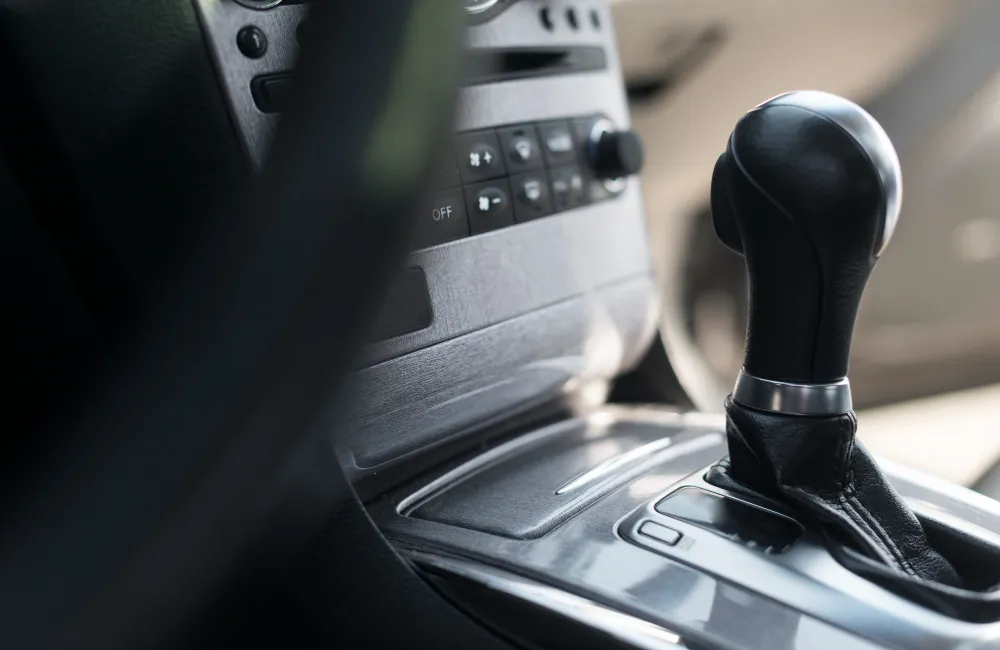
Main Malfunctions of Mercedes-Benz Automatic Transmission
Despite its high quality and reliability, Mercedes-Benz automatic transmissions can be the source of some malfunctions. Here are some of the most common problems that can occur with the gearbox.
Jerking and Delays When Shifting
One of the most common problems is jerking or delays when shifting gears. This can be caused by low transmission fluid, problems with electronic components, or worn out transmission parts. Delays can lead to uneven movement of the car, which is especially dangerous when maneuvering or overtaking.
Gear Slippage
Another typical problem is gear slippage. In this case, the transmission cannot be held at the appropriate speed, which leads to a decrease in power and an increase in fuel consumption. The cause may be wear of the hydraulic system or a malfunction in the transmission.
Transmission fluid leak
Transmission fluid leak is a serious problem that can lead to overheating and wear of the gearbox. A decrease in the fluid level can degrade the efficiency of the automatic transmission, which will ultimately lead to the need for expensive repairs.
When to contact for automatic transmission diagnostics
It is always better to carry out automatic transmission diagnostics in the early stages, when the problem has not yet become serious. If you notice:
- Delays in gear shifting.
- Unclear operation of the transmission.
- Presence of noise or strange sounds from the transmission.
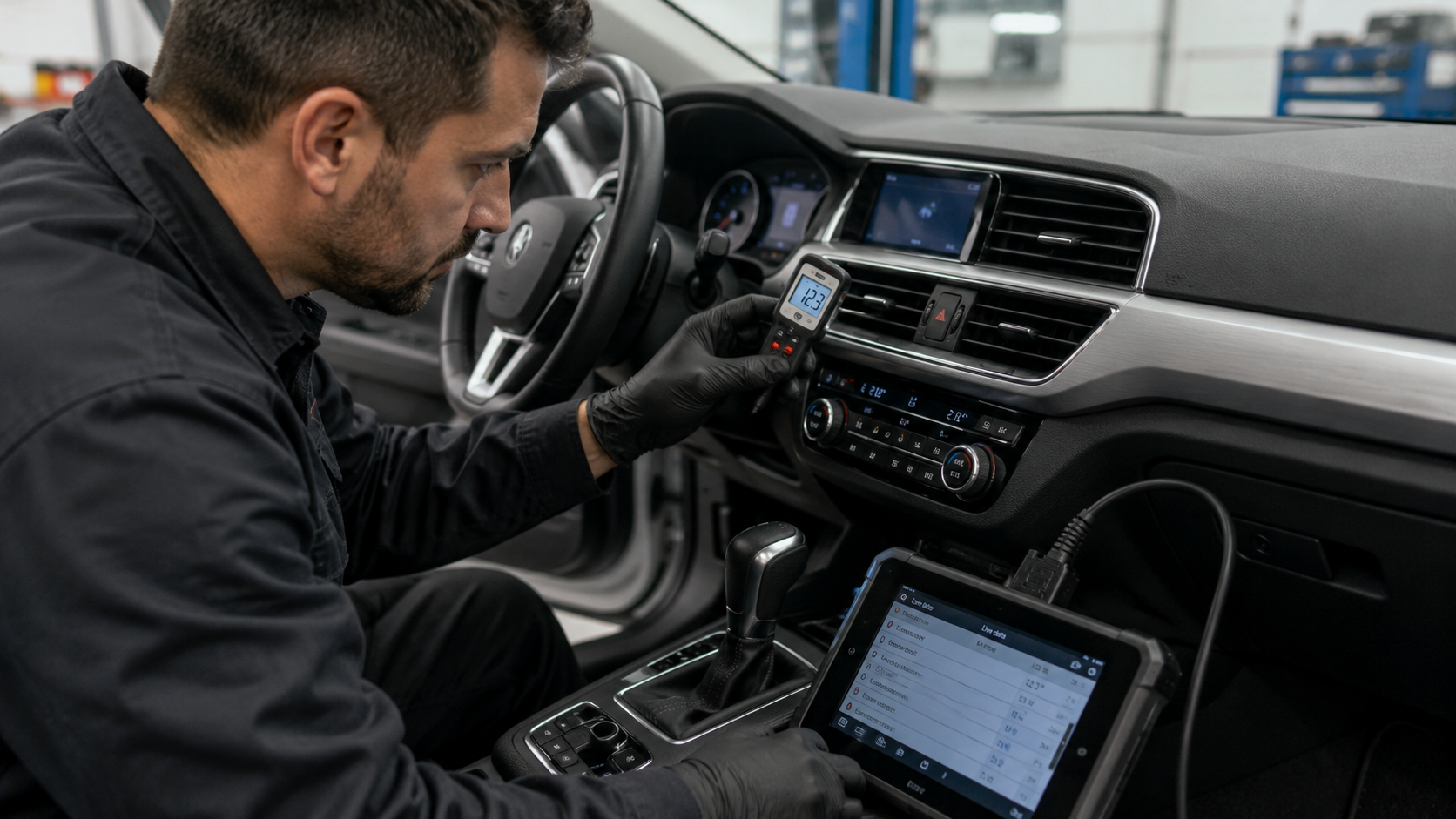
These signs may indicate the need for diagnostics and repairs. Specialized car services will help to identify the cause and prevent further damage.
How to extend the service life of the gearbox
To extend the service life of the Mercedes-Benz automatic transmission, you should follow a few simple recommendations:
- Regular maintenance: Replace the transmission fluid in accordance with the manufacturer’s instructions.
- Timely repairs: Do not ignore minor problems, because they can develop into serious problems.
- Correct driving:Try to avoid sudden acceleration and braking, as this can increase the load on the gearbox.
Why is it worth repairing an automatic transmission in a specialized car service
Repairing a Mercedes-Benz automatic transmission requires specialized equipment and experience, since the wrong approach can lead to serious breakdowns. Specialized car services have the necessary knowledge and resources to perform high-quality repairs and maintenance, which significantly reduces the risks for your car. In addition, specialists can conduct accurate diagnostics, allowing you to identify the causes of malfunctions at an early stage.
Useful links:
Top popular news
- Air Conditioner Losing Refrigerant Without Visible Damage: Causes and Solutions
- Why Wheel Alignment Goes Out After Adjustment: It Is Not Always the Alignment Rack
- Seized Brake Caliper: Symptoms, Causes, and Repair
- Changing the Oil in an AWD Differential: Why This Component Is Often Forgotten
- Check Engine Light Flashing: What the Signal Means and Why You Should Not Ignore It
- Preparing a car for a long trip: checklist before departure
- Oil leaking from the valve cover: causes of seepage and finding the source of the problem
- Automatic climate control does not maintain the set temperature: where to look for the cause

Subscribe to our newsletter!
To stay updated with the latest news


Book a service