Mon-Fri | 08:00 - 20:00


Find

Contact us

Kyiv
46 Kyrylivska St. (Podil)
 Мережа СТО в місті

Kyiv
46 Kyrylivska St. (Podil)
 Мережа СТО в місті

 Години роботи
 Mon-Fri
08:00 - 20:00
Changing engine oil: how and when to do it

ВCar owners should monitor the condition of the engine so that it works at a high level and does not fail. One of the most important car care tasks is changing the engine oil, which must be done regularly. In this article, we will tell you when and how often to change the oil, as well as what problems can occur if you change it incorrectly.
Engine oil change interval
What reduces the engine service interval? This could be low-quality oil, adverse vehicle operating conditions, uneven driving, or frequent short-distance driving. Depending on the brand of car and engine type, the engine oil change interval may vary. Usually it is 7-10 thousand kilometers. However, car manufacturers recommend changing the oil every 5 thousand kilometers.
Oil condition diagnostics
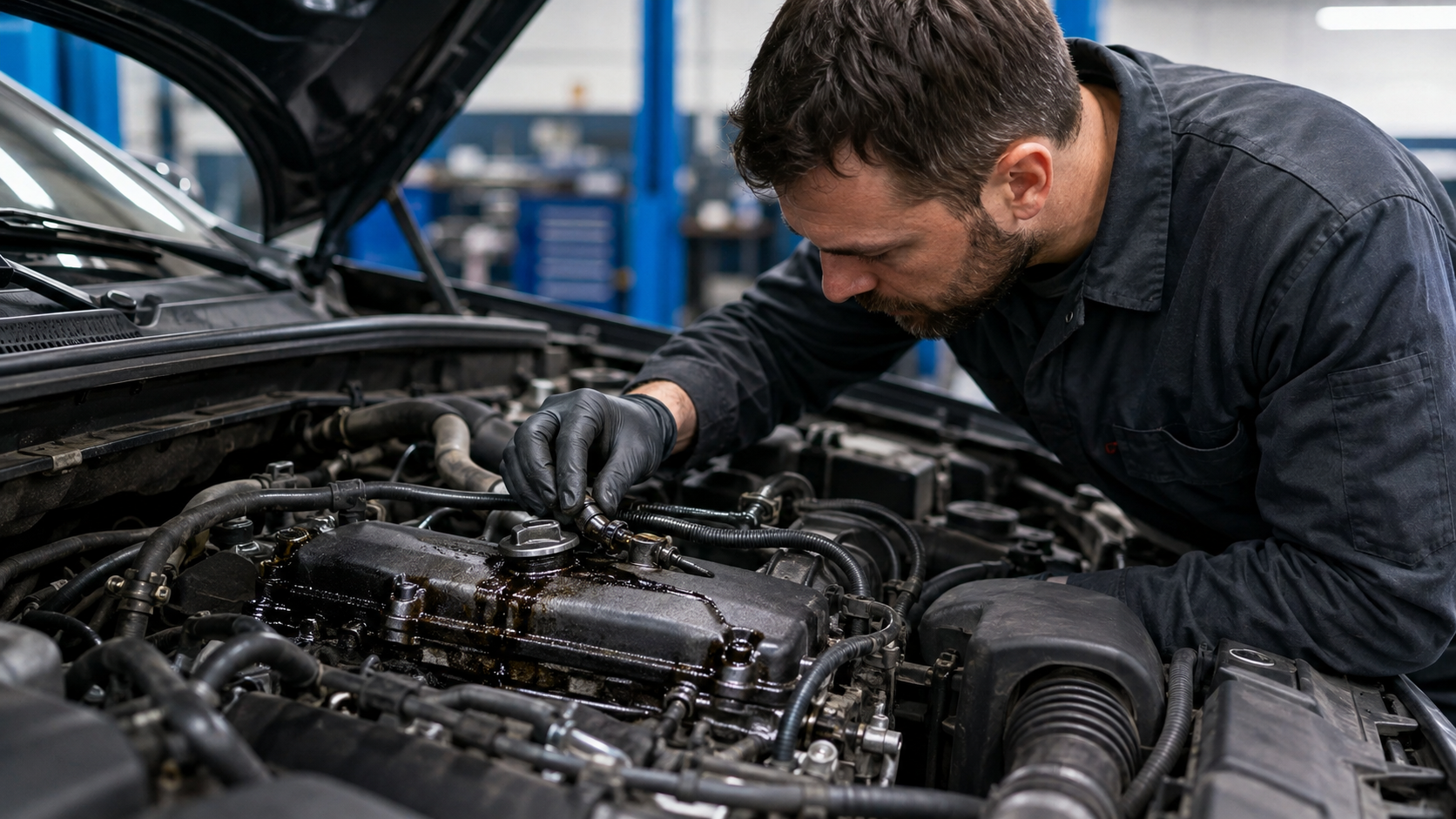
In order to determine when it is necessary to change the engine oil, it is necessary to regularly check its condition. This is usually done by checking the level and color of the oil. If the oil level is below normal or the color of the oil is darker than usual, then this may be a sign that the engine oil needs to be changed.
You should also pay attention to the sounds and vibrations that occur when the engine is running, as this may indicate problems in the engine or the need to change the engine oil.
Getting ready for an oil change
Features of an independent oil change are the need to purchase not only engine oil, but also a new filter and a key to remove the old filter. In addition, you need to prepare for work: install the machine on a flat area, provide light so that you can see all the details, and collect all the necessary tools.
Staged oil change
Carrying out an engine oil change can be divided into several stages:
- Car preparation. First you need to raise the front of the car and make sure it is on a level and stable surface. You should also warm up the engine so that the oil becomes more liquid.
- Removing the oil crankcase and old filter. After the engine has warmed up, it is necessary to remove the oil crankcase and the old filter. To do this, you need to use a special key and a bucket to collect oil.
- Cleaning the oil crankcase and installing a new filter. After the oil sump and old filter have been removed, clean the oil sump and install a new filter.
- Filling in new oil. After the new filter has been installed, new engine oil should be poured into the engine. To do this, use a funnel and a measuring cup.
- Checking the oil level. After filling the engine oil, it is necessary to check its level and make sure that it is within the normal range.
Filling in new oil
When filling in new oil, it is necessary to monitor its quantity and quality. Do not save on oil, as this can lead to rapid engine wear and damage. It is necessary to fill the oil gradually, allowing it to soak into the engine and check the oil level with an oil dipstick. When the oil reaches the required level, close the oil filler cap and start the engine to make sure everything is working properly.
Changing engine oil is a necessary procedure for caring for a car engine. It should be carried out regularly in accordance with the manufacturer’s recommendations. When changing the oil yourself, you must follow the instructions and use quality materials, as well as check the condition of the oil and filters. Properly performed engine oil changes will increase engine life and help avoid costly repairs.
The interval for changing engine oil and engine lubrication depends on many factors such as oil type, engine type, vehicle operating conditions, and more. To determine the engine oil and lubrication interval for your vehicle, consult your owner’s manual or see a mechanic.


Service filter replacement
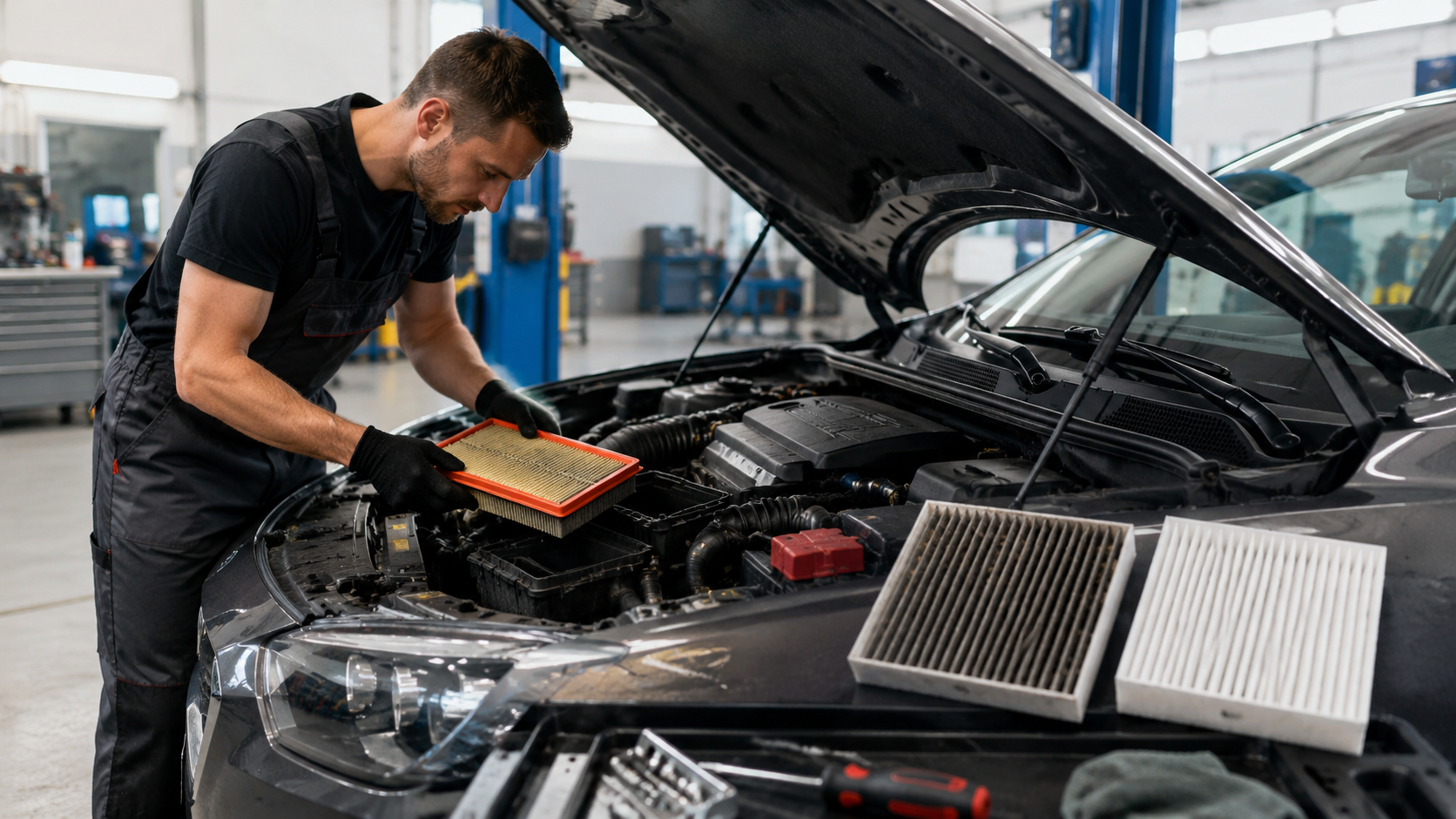
It is also recommended to change the engine filter during car service. This allows you to improve the quality of oil filtration and increase its service life. In addition, when changing the filter, an additional cleaning of the oil crankcase is also carried out, which allows you to get rid of accumulated contaminants.
Changing the fuel filter
An important element that also needs to be changed during car service is the fuel filter. This element filters the fuel that enters the engine and prevents harmful impurities and contaminants from entering the power system. When replacing the fuel filter, use only original spare parts and entrust the replacement procedure to an experienced specialist.
What Reduces Engine Service Interval?
The interval for changing engine oil and lubrication in the engine can be reduced for various reasons. For example, intensive use of the car, frequent trips over short distances, increased pollution in the area of \u200b\u200btraffic, the use of low-quality fuel, defects in the engine, and many other factors can affect the life of engine oil and engine lubricant.
Features of Self Change Oil
Self-changing engine oil can have both pros and cons. On the one hand, this allows you to save money on service, as well as control the quality and quantity of oil used. On the other hand, changing the oil yourself can be dangerous if you don’t have enough experience or don’t use quality equipment.
Therefore, if you do not have experience in changing engine oil, it is recommended to contact a specialist. It is also necessary to follow the instructions and use only materials recommended by the manufacturer.
In conclusion, changing engine oil is a necessary procedure to maintain reliable engine performance and extend engine life. Checking the condition of the oil regularly and changing the engine oil and filters in accordance with the manufacturer’s recommendations are the main measures for car engine care. Self-changing the oil is possible, but requires certain knowledge and skills, so it is important to follow all the recommendations and instructions when carrying out this procedure. If you have any questions about changing engine oil, you can always contact experienced car service specialists who will help you keep your car in good condition.
Top popular news
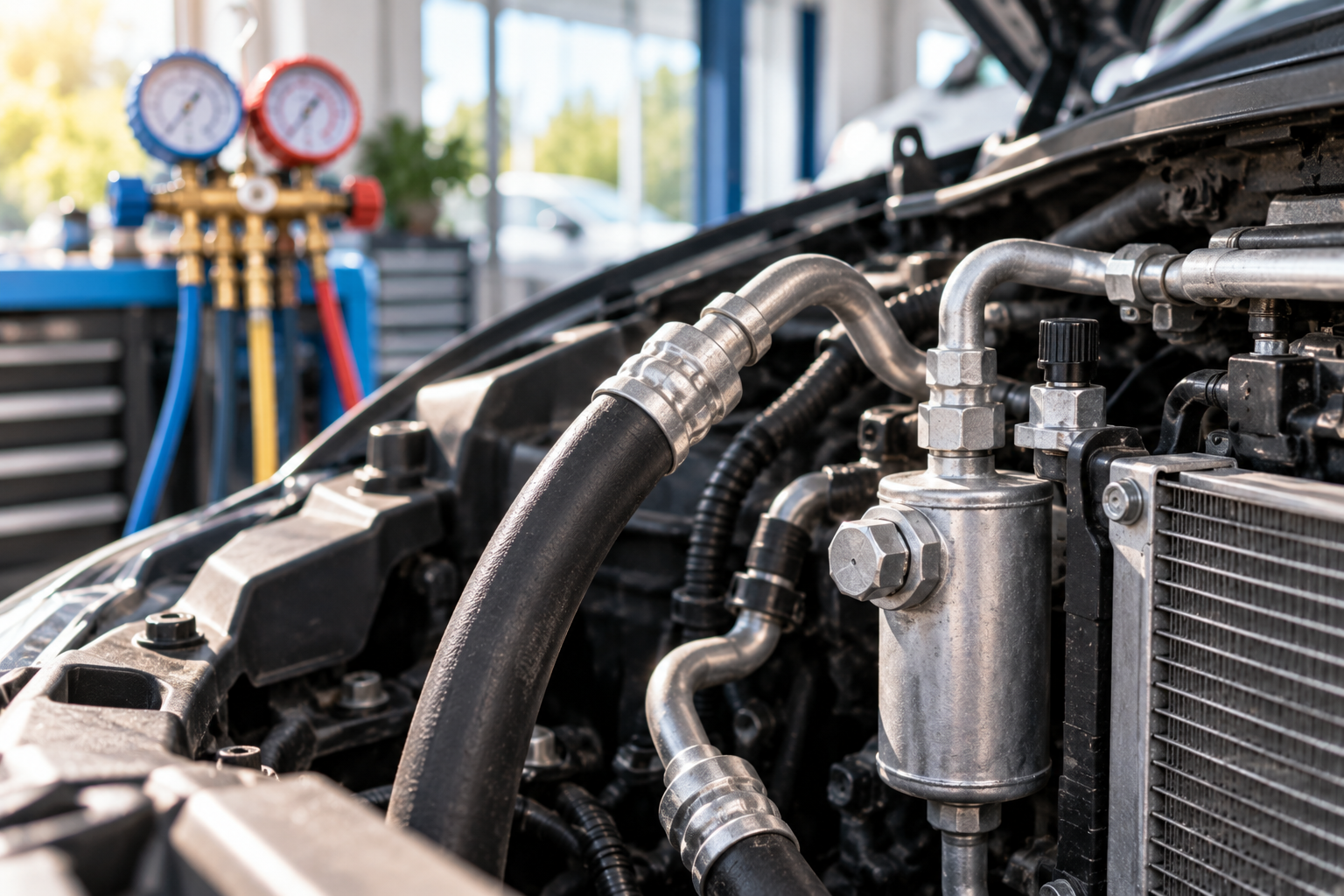
- Air Conditioner Losing Refrigerant Without Visible Damage: Causes and Solutions
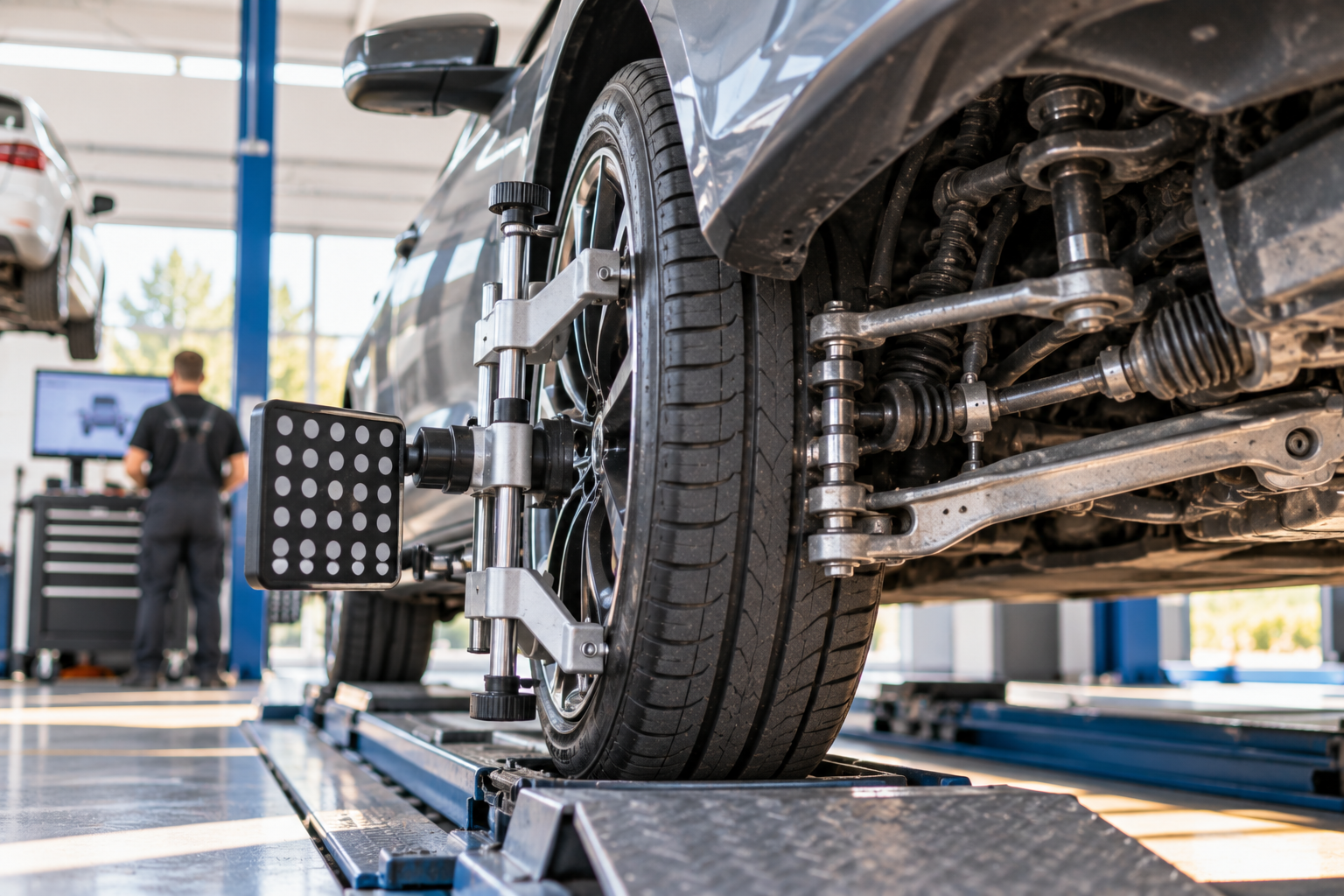
- Why Wheel Alignment Goes Out After Adjustment: It Is Not Always the Alignment Rack
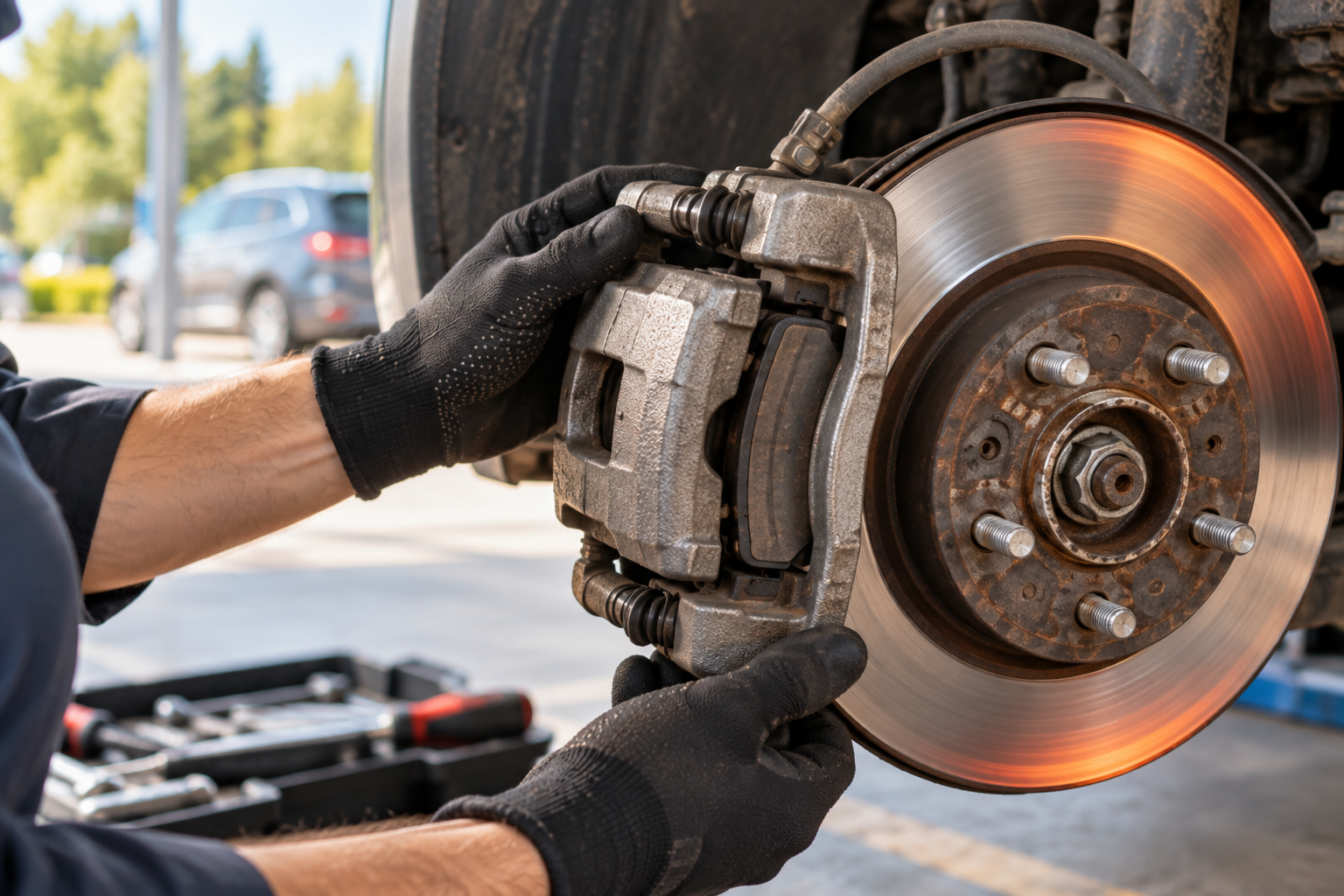
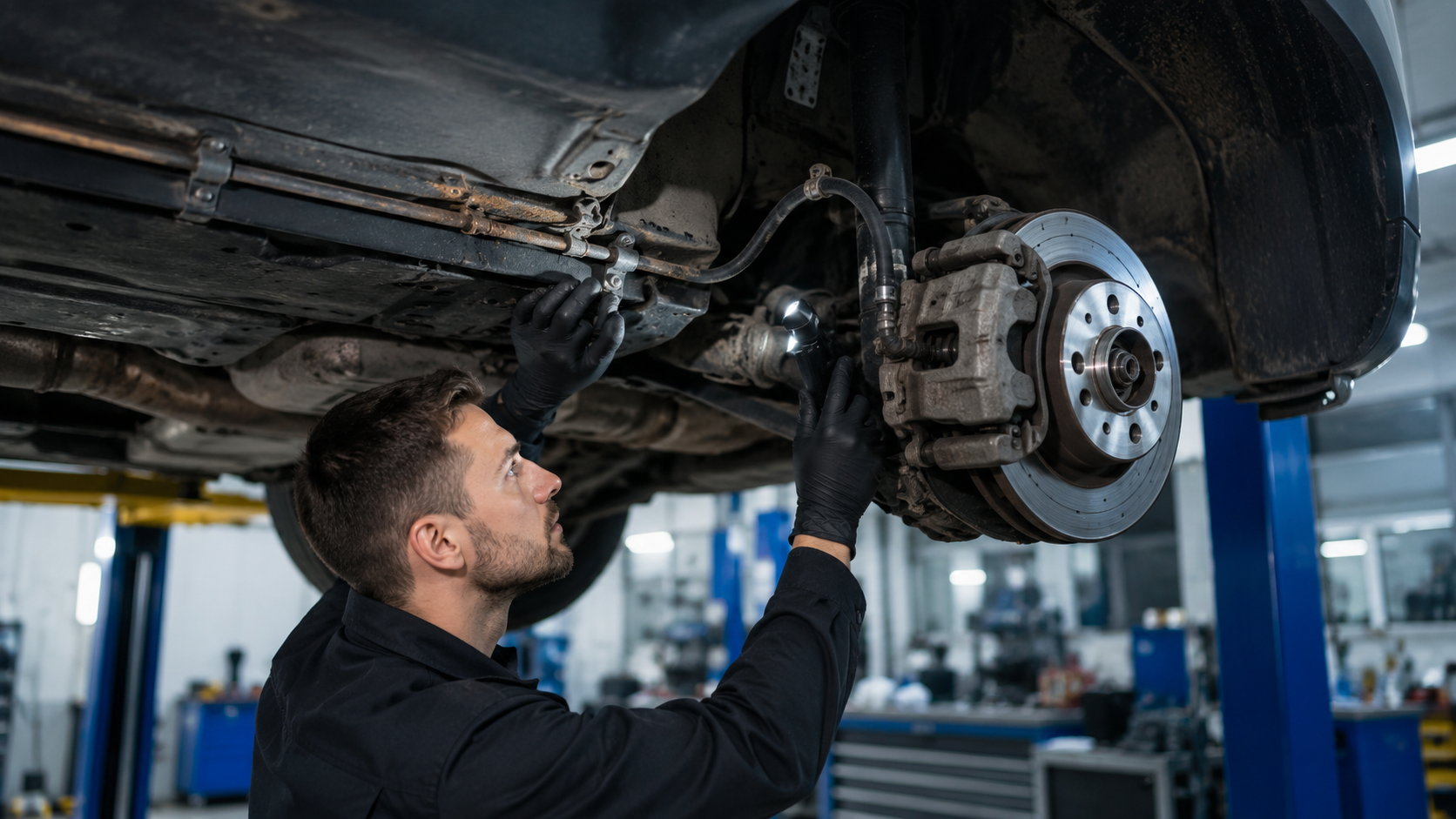
- Seized Brake Caliper: Symptoms, Causes, and Repair
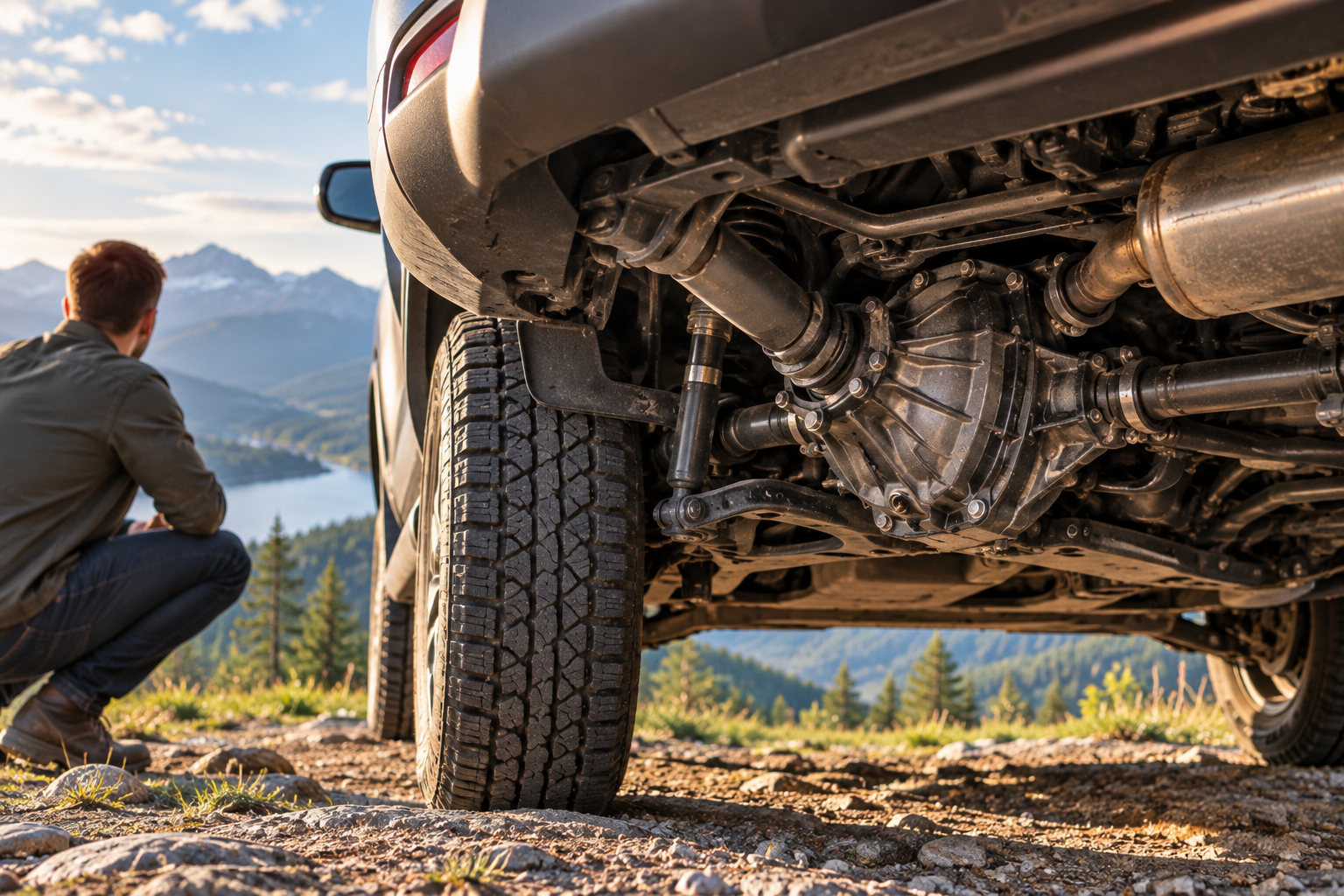
- Changing the Oil in an AWD Differential: Why This Component Is Often Forgotten
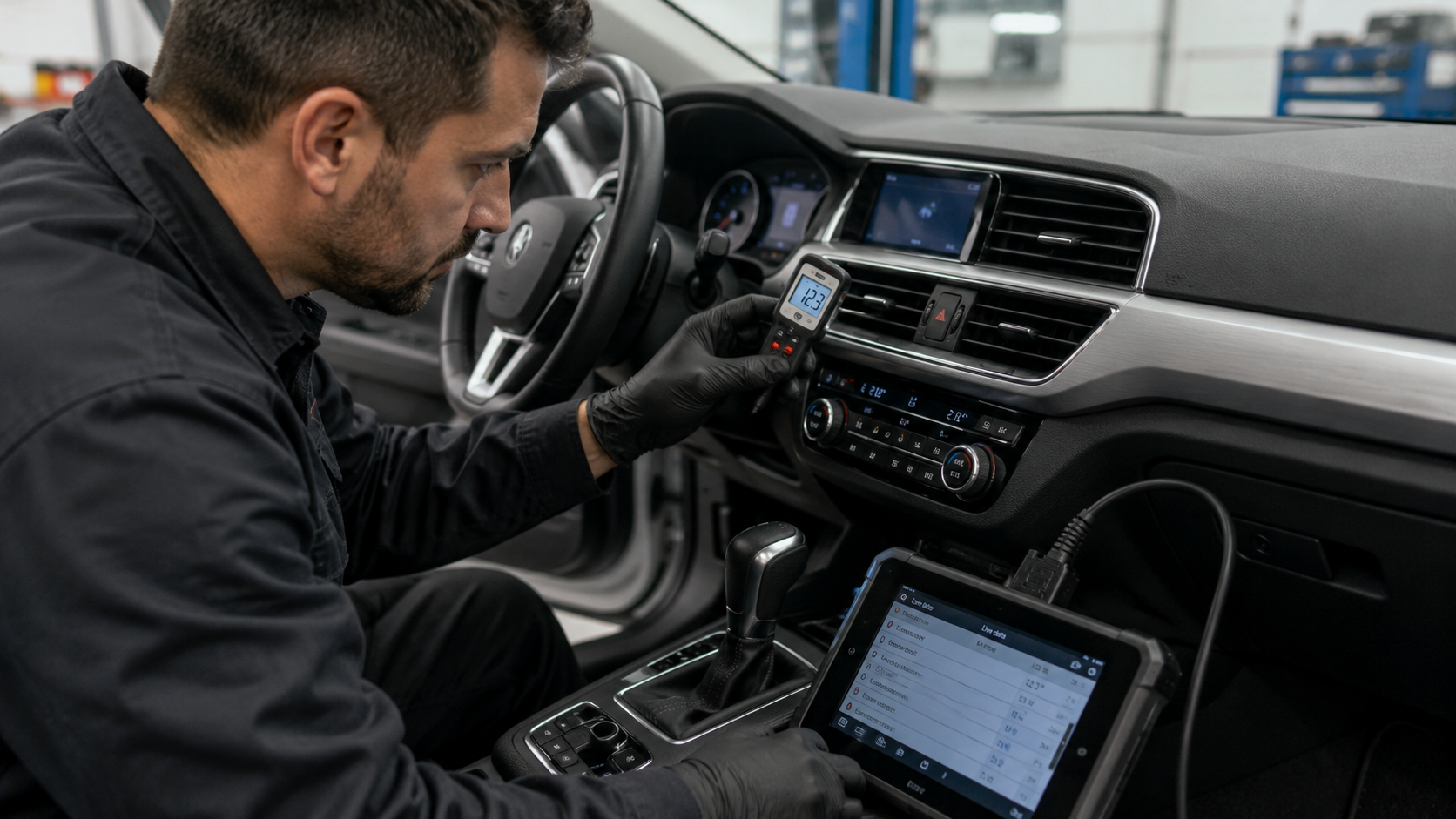
- Check Engine Light Flashing: What the Signal Means and Why You Should Not Ignore It
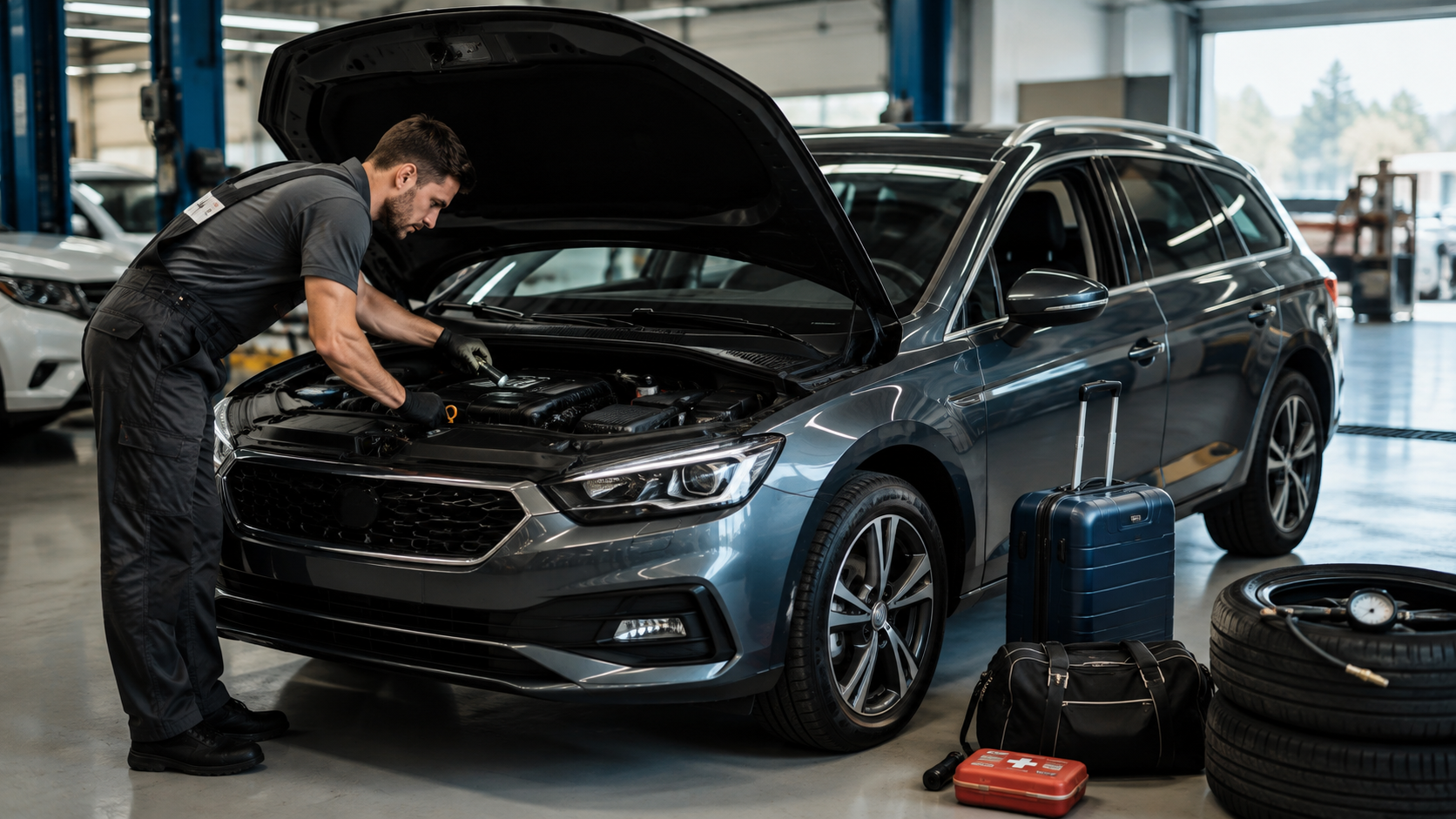
- Preparing a car for a long trip: checklist before departure
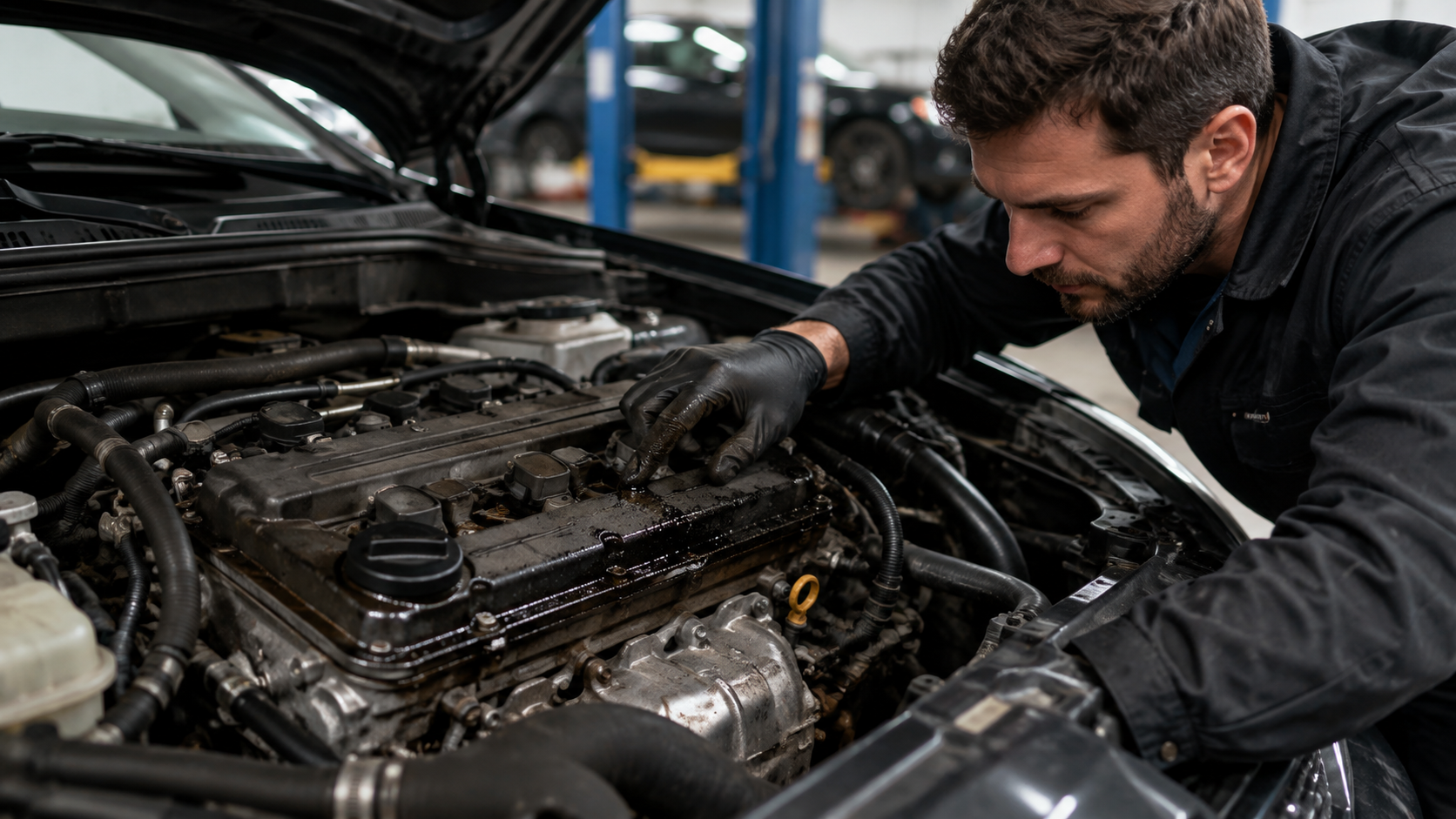
- Oil leaking from the valve cover: causes of seepage and finding the source of the problem
- Automatic climate control does not maintain the set temperature: where to look for the cause

Subscribe to our newsletter!
To stay updated with the latest news


Book a service