Mon-Fri | 08:00 - 20:00


Find

Contact us

Kyiv
46 Kyrylivska St. (Podil)
 Мережа СТО в місті

Kyiv
46 Kyrylivska St. (Podil)
 Мережа СТО в місті

 Години роботи
 Mon-Fri
08:00 - 20:00
When to change tires: signs of worn rubber and how to identify them
Why tire condition directly affects safety

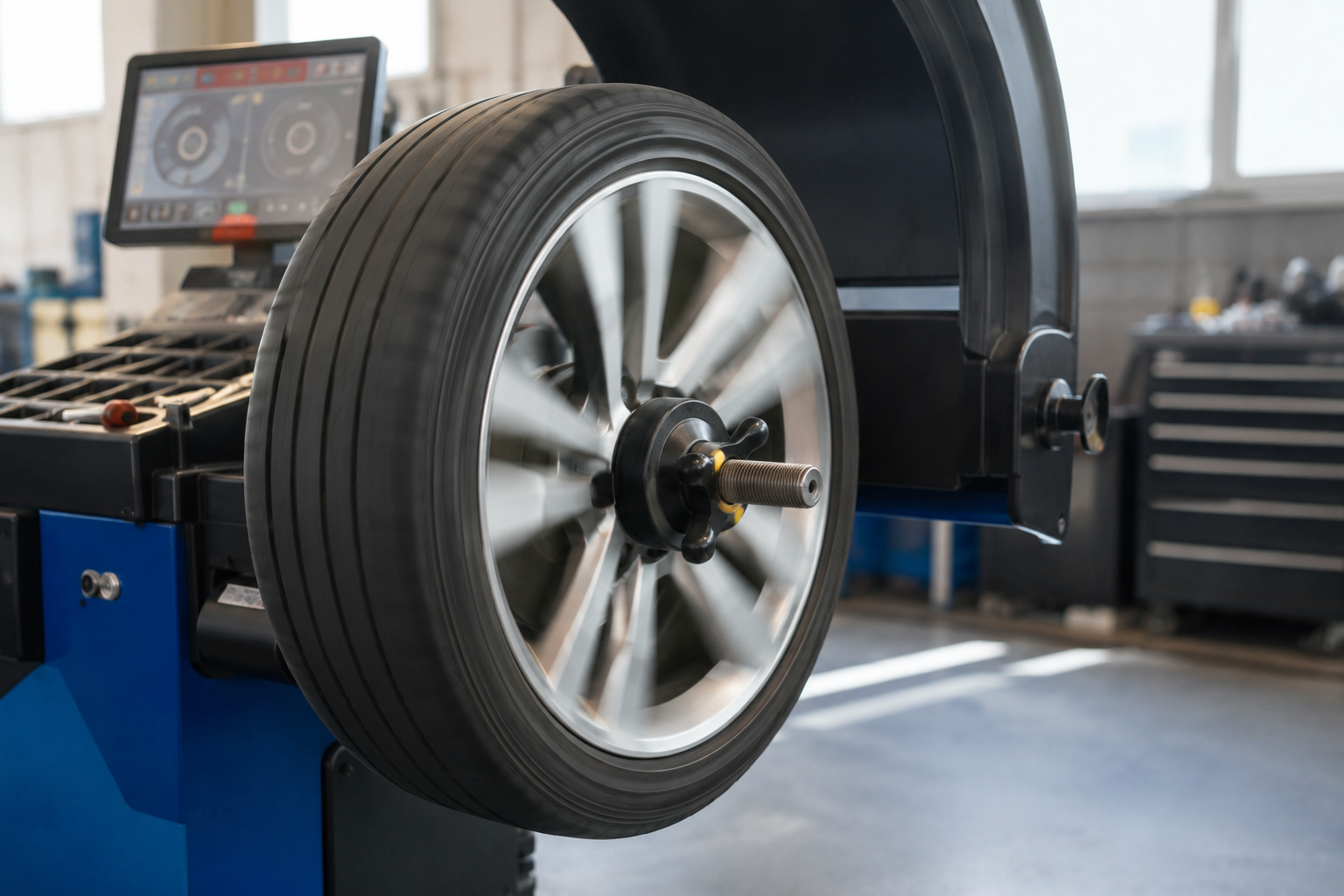
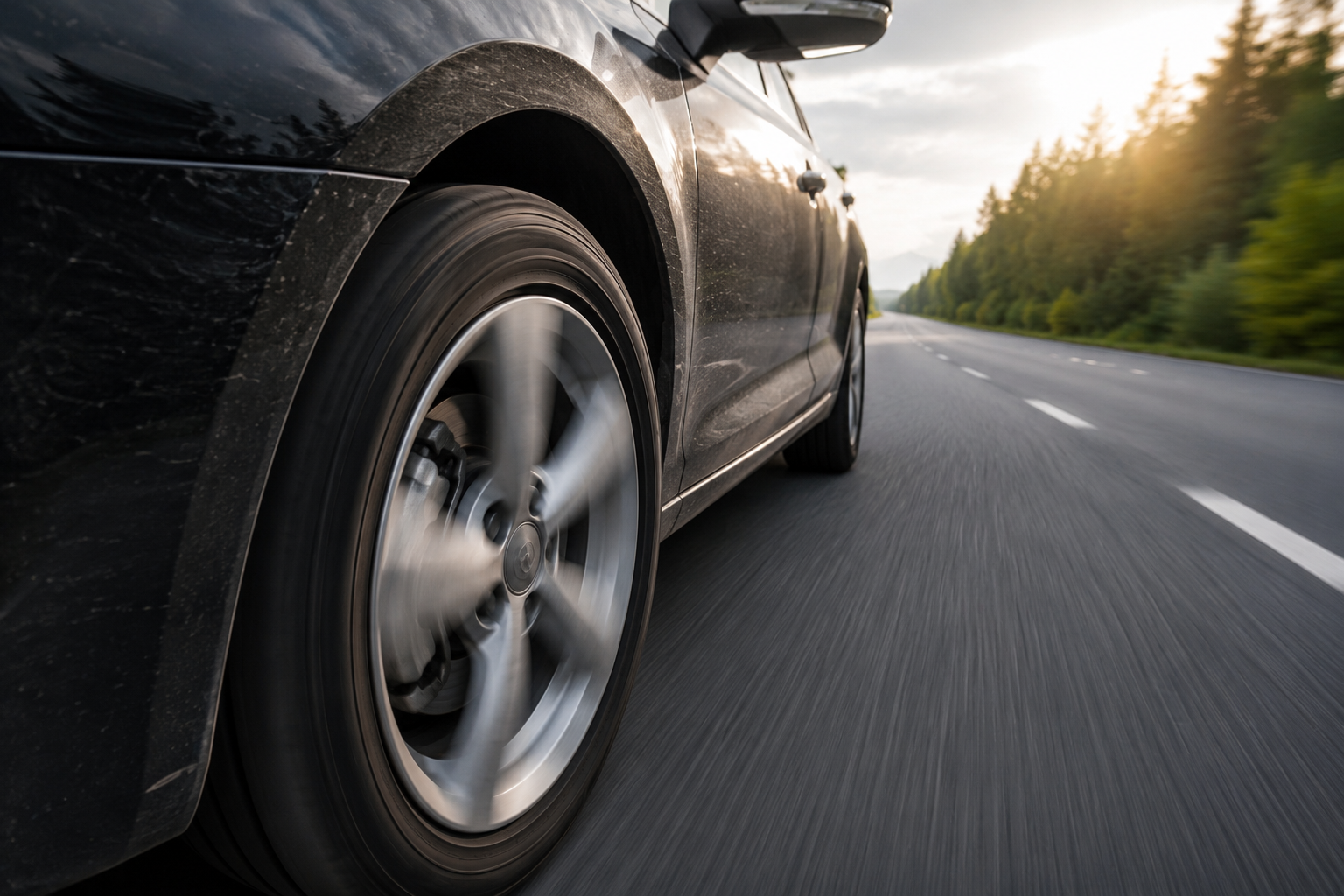
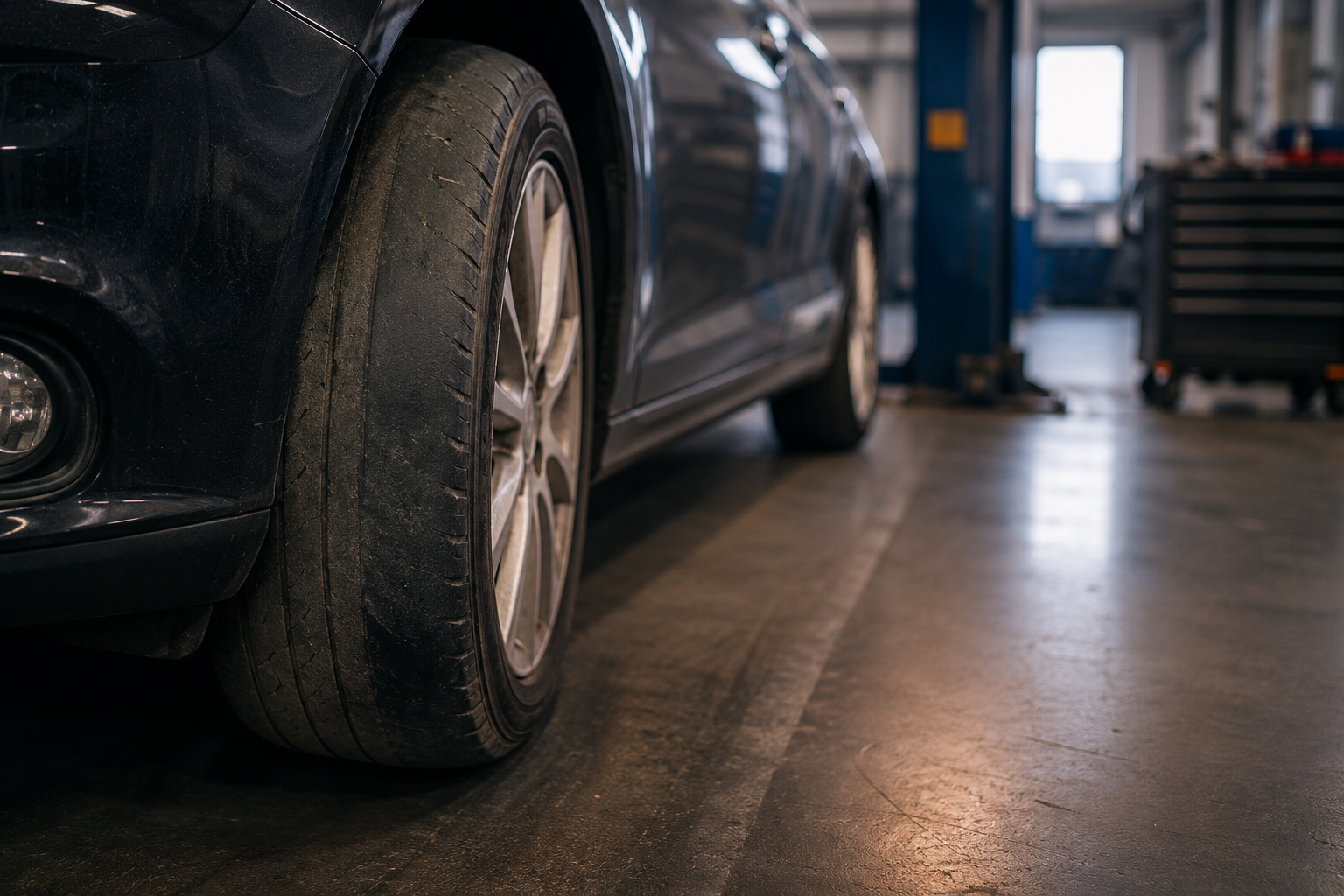
Many drivers think about when to change tires only when the car begins to behave unstably on the road. In fact, the condition of the rubber directly affects the car’s handling, braking efficiency and overall safety on the road. Tires are the only part of the car that is constantly in contact with the road surface, so stability during acceleration, cornering and stopping depends on their condition.
Over time, car tires naturally wear out. The tread gradually wears out, and the rubber itself loses elasticity. As a result, traction decreases, especially on wet asphalt or during sharp maneuvers. Even a slight decrease in tread depth can affect handling, because the wheels do not drain water well and lose contact with the road surface faster.
Seasonality also plays an important role. Summer tires are designed to work at high temperatures and have a harder rubber compound. Winter tires, on the contrary, remain elastic in cold weather and have a deeper tread, which helps them better grip slippery surfaces. If you ignore seasonal tire replacement, the rubber wears out much faster and the car’s behavior becomes less predictable.
Main signs of tire wear
To understand when it is time to change your tires, it is important to know the main signs of worn tires. Some of them can be noticed during a car inspection, while others are manifested during driving and changes in the behavior of the car.
The most common signs include:
- reduced tread height;
- uneven wear of car tires on the edges or in the center;
- cracks or micro-damage on the sidewall;
- reduced grip in the rain;
- a feeling of slipping or instability when cornering.
Uneven wear can occur for a variety of reasons. It is often associated with incorrect tire pressure, toe-in or vehicle overloading. If a tire is wearing more heavily on one edge, this may indicate a suspension problem or incorrect wheel geometry.
Sometimes drivers notice that the car is less responsive to steering or starts to “float” at high speed. Such changes can also be a signal that the rubber has already lost some of its properties and does not provide the necessary level of grip with the road.
How to check tread depth
To accurately determine how to understand that tires are worn out, you need to check the tread depth. It is this part of the tire that is responsible for draining water from under the wheel and stable contact with the road surface while driving.
There are minimum recommended values for different types of tires:
- for summer tires – approximately 1.6 mm;
- for winter tires – approximately 4 mm.
When the tread depth becomes less than these indicators, the tire begins to drain water or snow much worse. As a result, grip with the road deteriorates and the risk of slipping increases, especially in the rain or on slippery surfaces. There are several ways to check the tread depth. The easiest option is to use a special gauge or pay attention to the wear indicators located in the grooves of the tread. When the tread surface almost aligns with these marks, this means that the wear of the car tires has reached a critical level and the rubber needs to be replaced.
Why is it important to change tires on time?
The question of when to change tires is directly related to the safety of the driver and passengers. Even partial wear of car tires can affect the behavior of the car on the road, especially in difficult weather conditions.
Worn rubber is much worse at displacing water, so during rain the risk of aquaplaning increases. In such a situation, a water film appears between the wheel and the road, due to which the car temporarily loses contact with the surface and controllability.
In addition, old rubber gradually hardens and loses elasticity. This reduces braking efficiency and increases the braking distance even on a dry road. This is especially noticeable during sharp maneuvers or emergency stops.
That is why regular inspection of the condition of the wheels and timely seasonal tire replacement are an important part of car maintenance. Monitoring the tread depth, choosing the right summer tires and winter tires, and paying attention to the condition of the rubber help maintain stable grip on the road and significantly increase safety on the road.
Top popular news
- Preparing a car for a long trip: checklist before departure
- Oil leaking from the valve cover: causes of seepage and finding the source of the problem
- Automatic climate control does not maintain the set temperature: where to look for the cause
- Brake pipes and hoses: different designs with different risks
- Suspension spring sagging: gradual loss of performance without an obvious failure
- PCV crankcase ventilation valve: why a fault leads to oil leaks
- Headlights fogging from the inside: normal condensation or a sign of housing damage
- Steering rack: hydraulic leak or electric power-steering fault – how the problem is diagnosed

Subscribe to our newsletter!
To stay updated with the latest news


Book a service