Mon-Sut | 09:00 - 19:00


Find

Contact us

Kyiv
18 Teplovozna Street (Poznyaki)
 Мережа СТО в місті

Kyiv
18 Teplovozna Street (Poznyaki)
 Мережа СТО в місті

 Години роботи
 Mon-Sut
09:00 - 19:00


Why Your Car’s Air Conditioner Smells Bad and How Bacteria in the Evaporator Can Affect Your Health
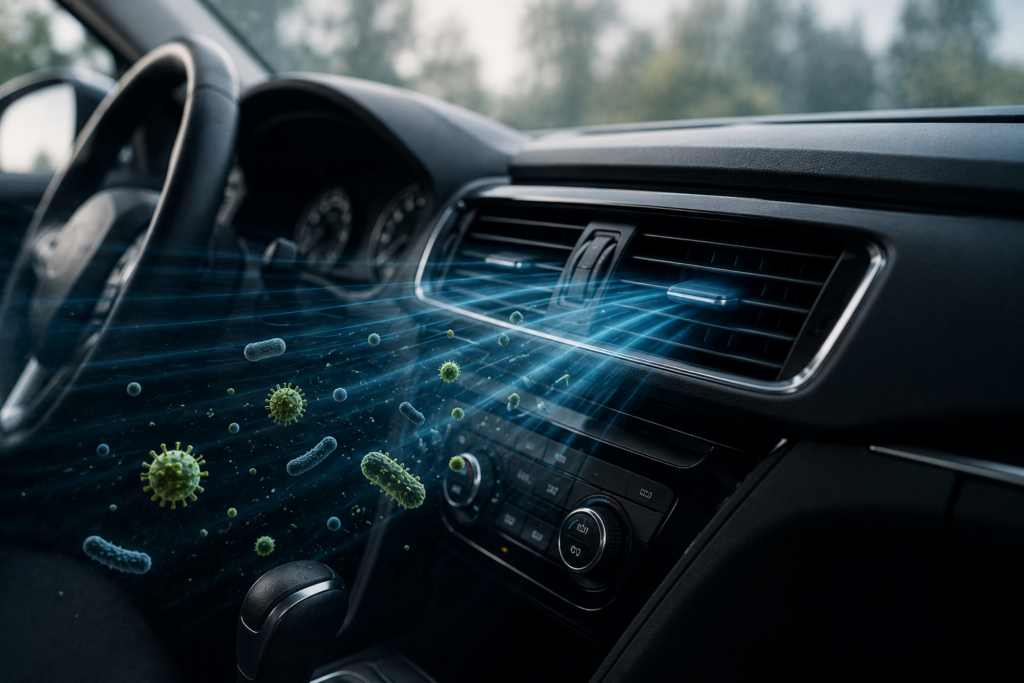
After the first hot days of the season, many drivers encounter an unpleasant situation: as soon as the air conditioning or climate control system is turned on, a musty, sour, or swamp-like odor begins coming from the air vents. Most people consider this merely a comfort issue, but the cause is often much more serious. A bad smell coming from a car’s air conditioner frequently indicates the accumulation of bacteria, fungi, and their metabolic by-products inside the air conditioning system.
The key problem is that these contaminants do not remain inside the ventilation ducts. While the climate control system is operating, microscopic particles are carried into the cabin by the airflow, where they are inhaled by both the driver and passengers. For this reason, an unpleasant odor may indicate not only reduced comfort but also potential health risks.
Where Does the Unpleasant Odor Come From?
To understand why these odors develop, it is helpful to understand how an automotive air conditioning system works.
As the system cools the air, the air conditioner evaporator becomes significantly colder than the surrounding environment. Because of this temperature difference, moisture continuously condenses on the evaporator surface. Some of the water drains outside the vehicle through the condensate drain tube, but a portion remains trapped on the evaporator fins.
At the same time, dust, dirt particles, pollen, and other organic contaminants pass through the ventilation system and gradually accumulate on the evaporator surface.
As a result, ideal conditions for microbial growth are created:
- constant moisture;
- no direct sunlight;
- stable temperature;
- the presence of organic matter.
In effect, the evaporator becomes an ideal environment for bacteria and fungi to multiply.
After the vehicle has been parked for an extended period, these microorganisms continue growing on the damp surface. When the driver starts the air conditioning system, the by-products produced by these microorganisms are carried into the passenger compartment with the airflow. This is why the characteristic odor usually appears during the first few seconds or minutes after the air conditioner is switched on.
Why Replacing the Cabin Air Filter Is Not Always Enough
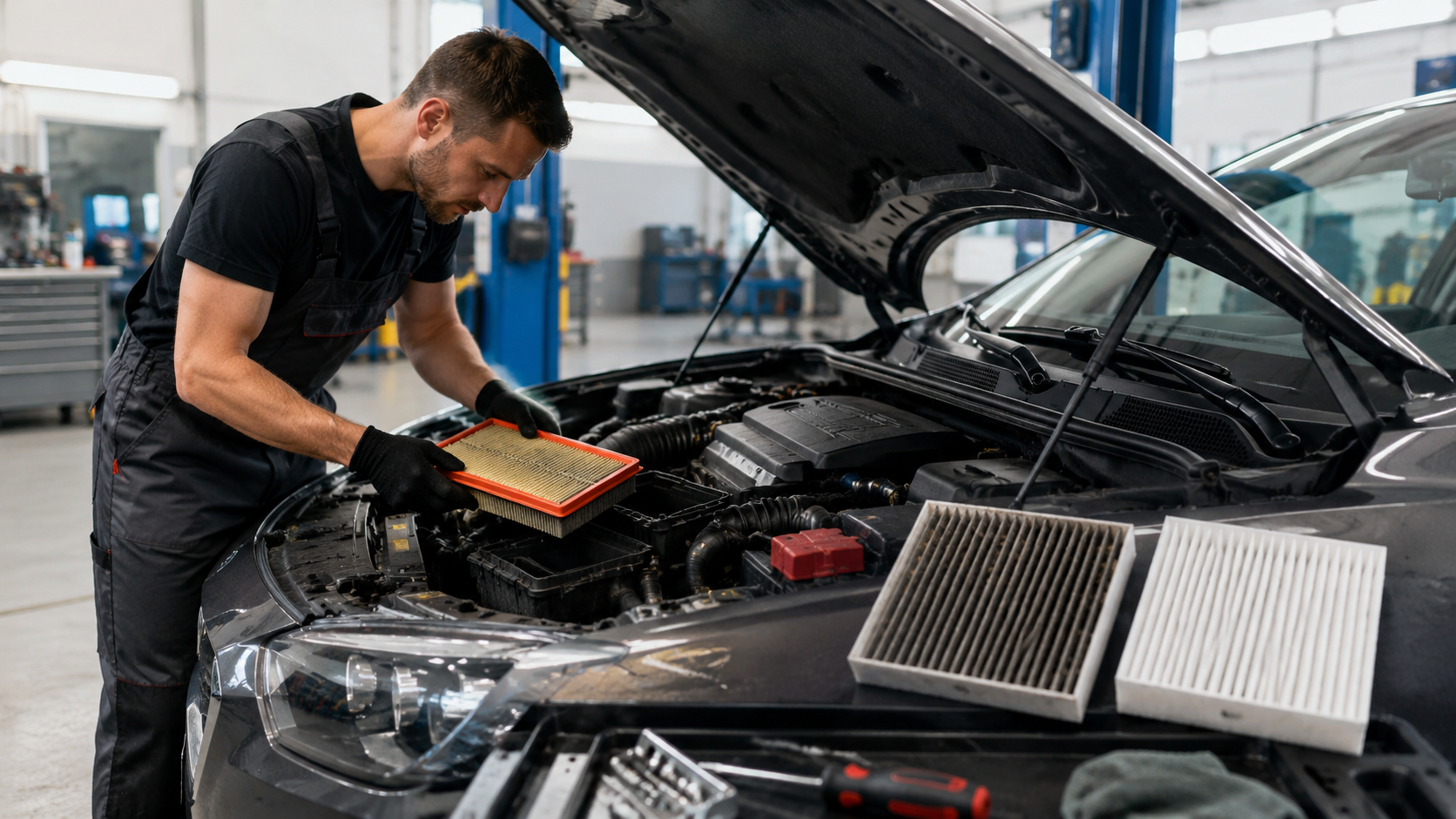
One of the most common solutions is replacing the cabin air filter. This is indeed an important maintenance procedure because the cabin filter traps much of the dust and debris before it enters the vehicle’s ventilation system.
However, if the source of the odor is already located on the evaporator surface, installing a new cabin filter cannot eliminate the bacteria or mold growing on the air conditioner evaporator.
Therefore, replacing the cabin air filter should be considered only one element of preventive maintenance rather than a complete solution.
Why Ignoring the Problem Can Be Dangerous
The unpleasant smell is only the visible symptom of what is happening inside the air conditioning system.
While the air conditioner is operating, bacteria and contaminants can enter the passenger compartment together with the airflow. This may lead to:
- irritation of the mucous membranes;
- allergic reactions;
- coughing;
- a runny nose;
- throat irritation;
- worsening of chronic respiratory conditions.
Particular attention should be paid to bacteria belonging to the Legionella genus. These microorganisms can multiply in damp environments where stagnant water and organic contaminants are present. This is why proper drainage and a clean evaporator are extremely important.
If Legionella bacteria enter the human body, they may cause Legionnaires’ disease, an infectious illness that affects the respiratory system. Although such cases are relatively uncommon, the possibility of pathogenic bacterial growth explains why regular air conditioning system cleaning is recommended.
Methods for Eliminating Air Conditioner Odors
The cleaning method depends on the level of contamination within the system.
For preventive maintenance, the following products may be used:
- aerosol disinfectants;
- foaming evaporator cleaners;
- antibacterial air duct treatments.
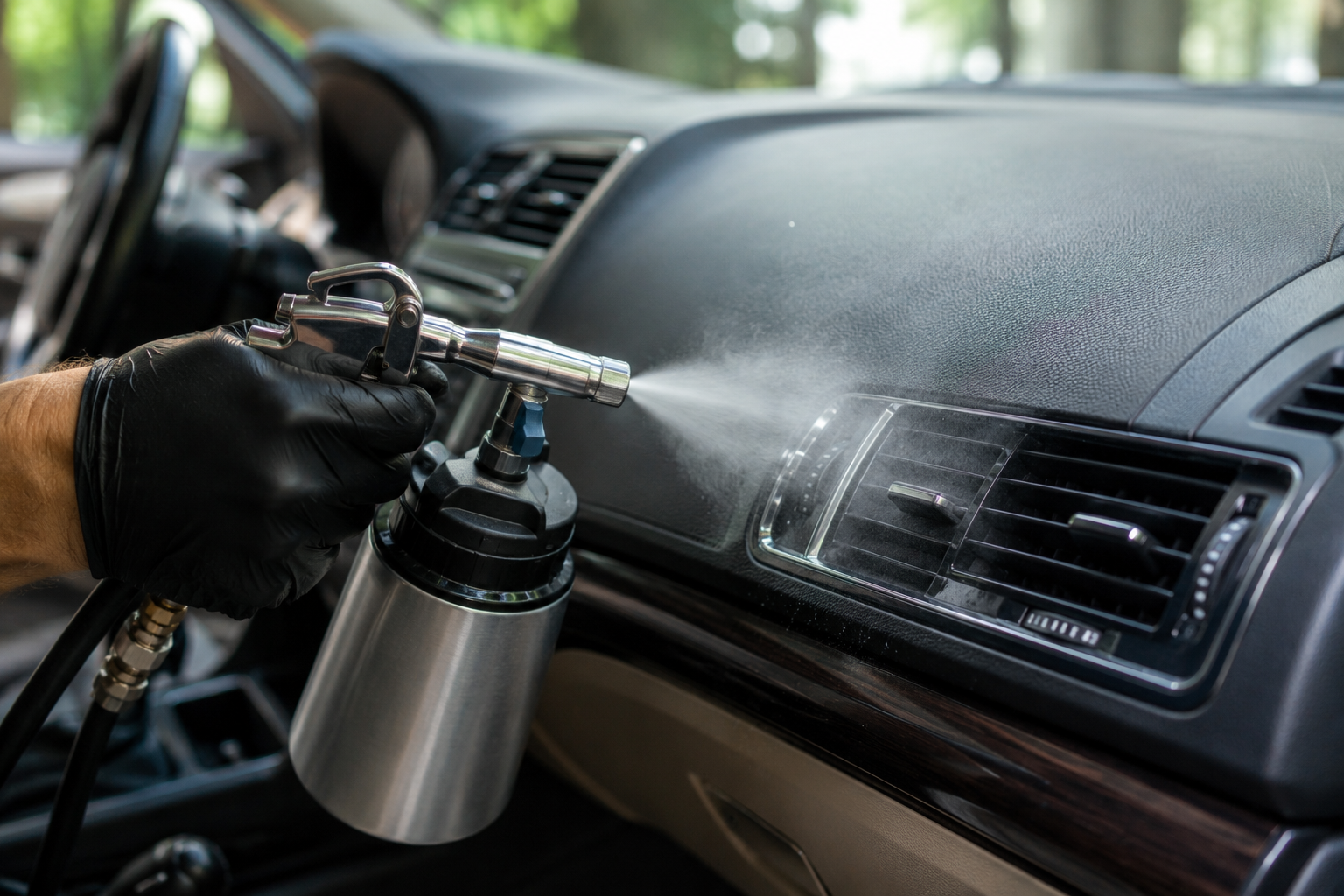
These products help reduce the number of microorganisms and temporarily eliminate unpleasant odors.
If the odor has been present for a long time or returns shortly after treatment, professional cleaning methods are recommended, including:
- cabin ozone treatment;
- ultrasonic disinfection;
- evaporator cleaning;
- complete antibacterial treatment of the ventilation ducts.
How DIY Cleaning Differs from Professional Service
Cleaning a vehicle’s air conditioning system yourself can help keep it in reasonable condition between scheduled maintenance visits. However, most consumer-grade products only reach surfaces that are accessible through the ventilation ducts.
The primary problem is that the main source of contamination is usually located directly on the evaporator, which is difficult to access because of the vehicle’s design.
Professional automotive air conditioner antibacterial cleaning involves treating the entire climate control system using specialized equipment. This approach eliminates not only the unpleasant odor but also the underlying cause.
For this reason, professional automotive air conditioner disinfection-which generally costs far less than repairing climate control components—is considered one of the recommended preventive maintenance procedures.
A Practical Example
A vehicle owner complained of a strong sour smell that appeared immediately after switching on the air conditioner. The cabin air filter had been replaced less than a month earlier, so the problem was initially suspected to be related to the quality of the new filter.
During inspection, technicians discovered that the condensate drain tube was partially clogged, allowing moisture to accumulate around the evaporator. Combined with dust buildup, this created ideal conditions for bacterial growth. After cleaning the drain and performing a complete antibacterial treatment, the unpleasant odor disappeared completely.
The Five-Minute Rule for Prevention
There is a simple habit that helps reduce moisture buildup inside the air conditioning system.
Approximately five minutes before reaching your destination, switch off the air conditioning compressor while leaving the ventilation fan running. The airflow gradually dries the evaporator surface, reducing the moisture required for bacteria and fungi to develop.
Although this practice cannot replace professional air conditioner cleaning, it helps keep the system cleaner for a longer period.
An unpleasant smell coming from a car’s air conditioner is most commonly caused by bacteria, fungi, and organic contaminants accumulating on the evaporator surface. Constant moisture, dust, and insufficient drying create ideal conditions for microorganisms that may negatively affect the human respiratory system.
Regular replacement of the cabin air filter, inspection of the condensate drainage system, ozone treatment of the vehicle interior, and periodic antibacterial cleaning help keep the climate control system in excellent condition while ensuring clean, healthy air inside the passenger compartment.
Top popular news
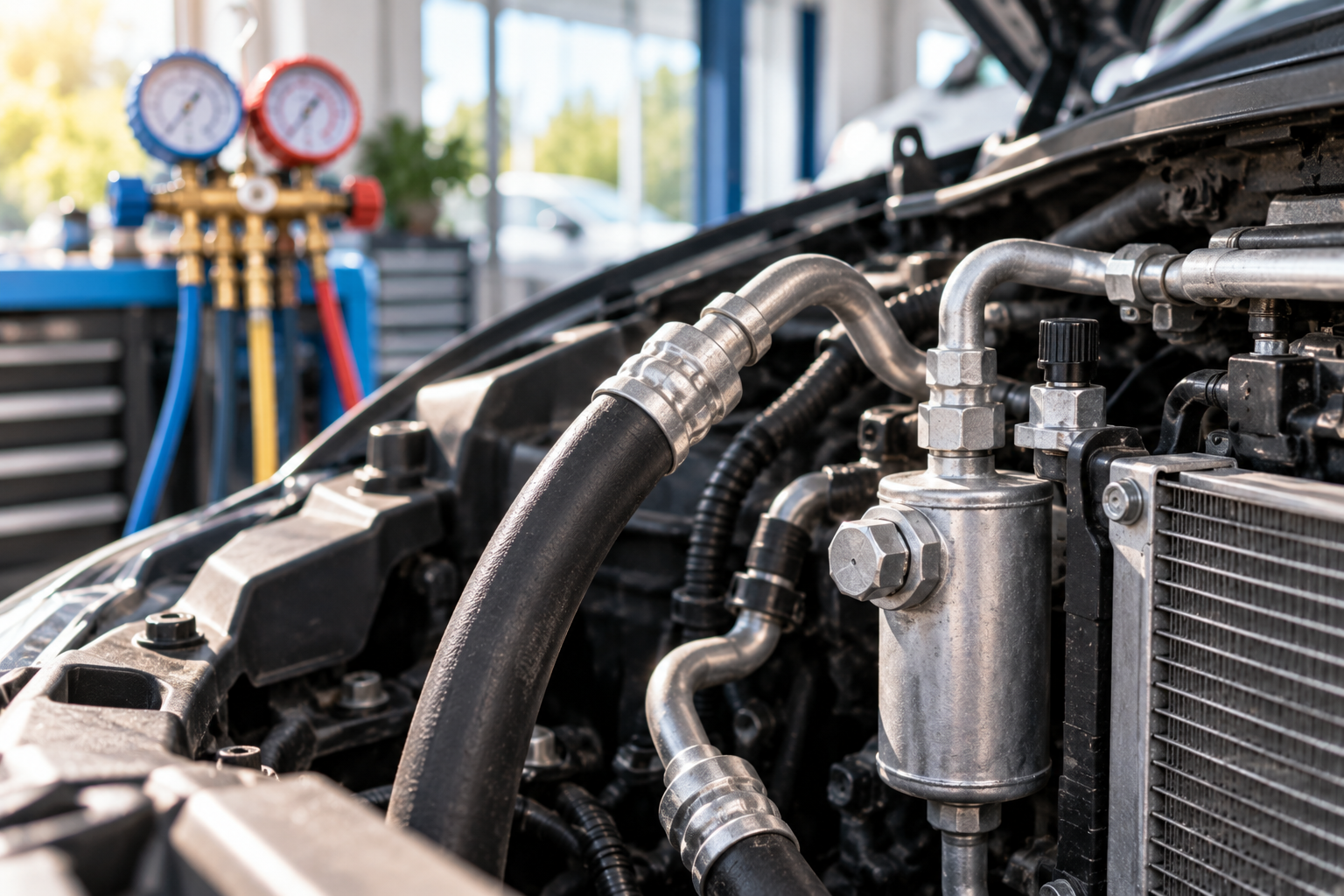
- Air Conditioner Losing Refrigerant Without Visible Damage: Causes and Solutions
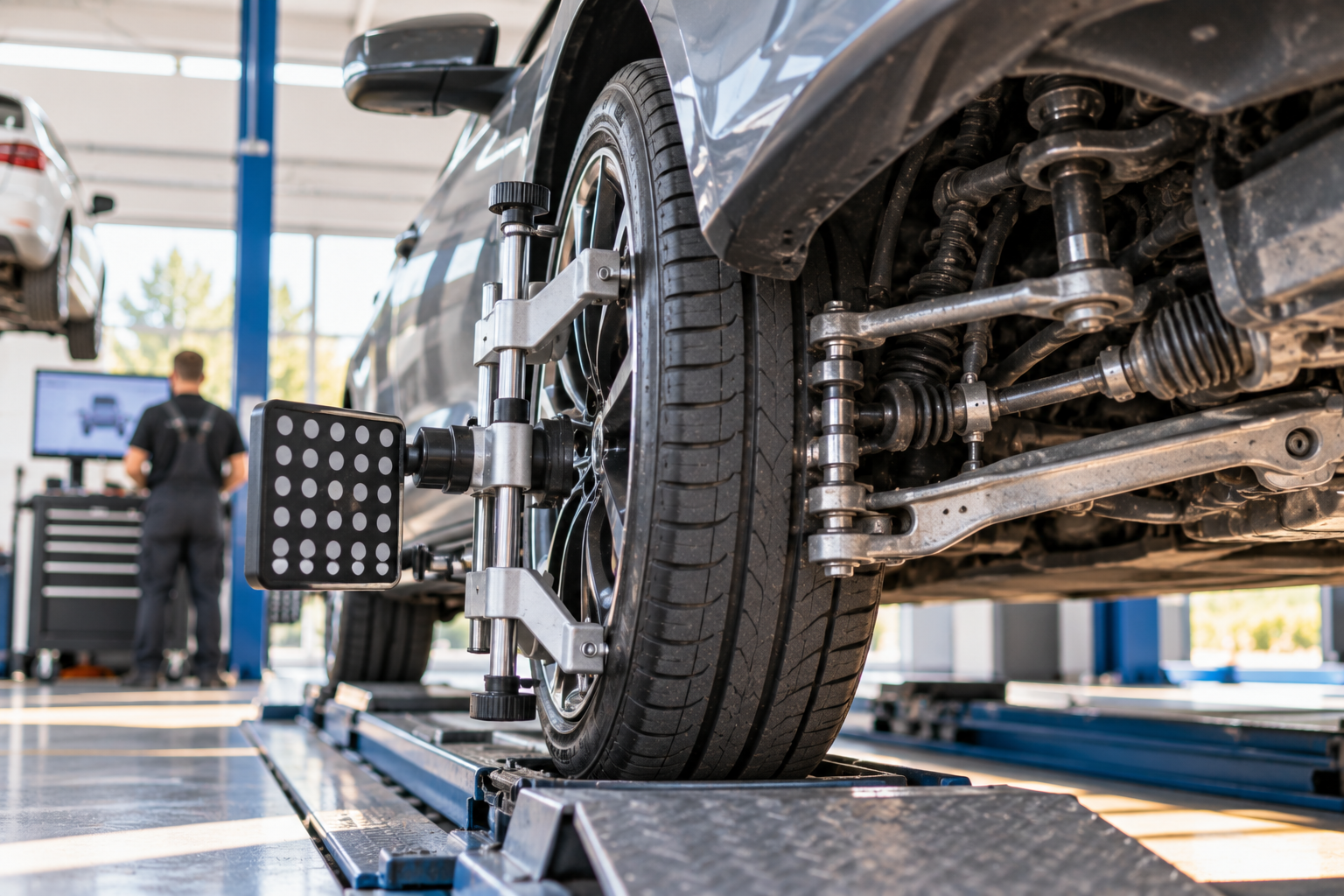
- Why Wheel Alignment Goes Out After Adjustment: It Is Not Always the Alignment Rack
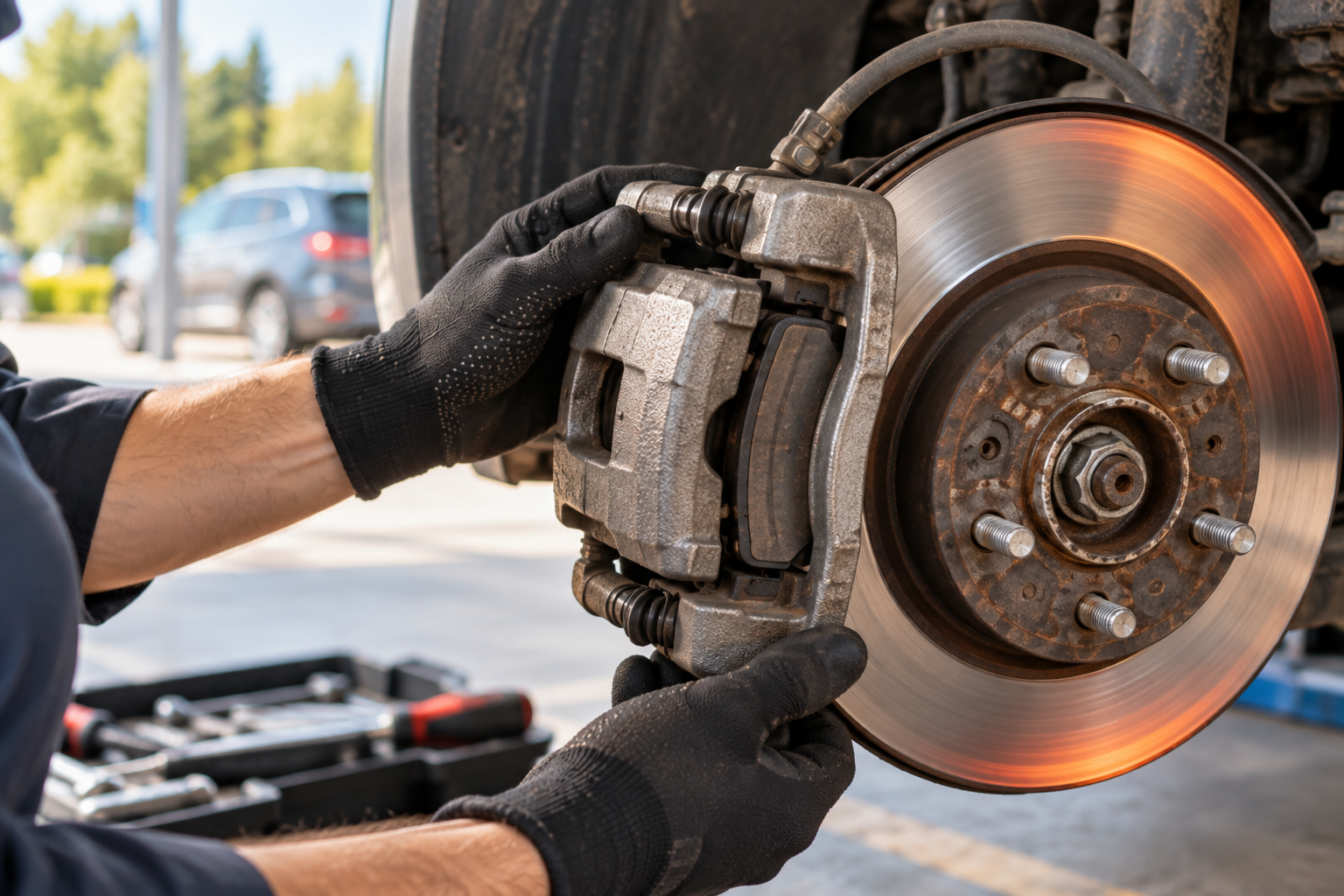
- Seized Brake Caliper: Symptoms, Causes, and Repair
- Changing the Oil in an AWD Differential: Why This Component Is Often Forgotten
- Check Engine Light Flashing: What the Signal Means and Why You Should Not Ignore It
- Preparing a car for a long trip: checklist before departure
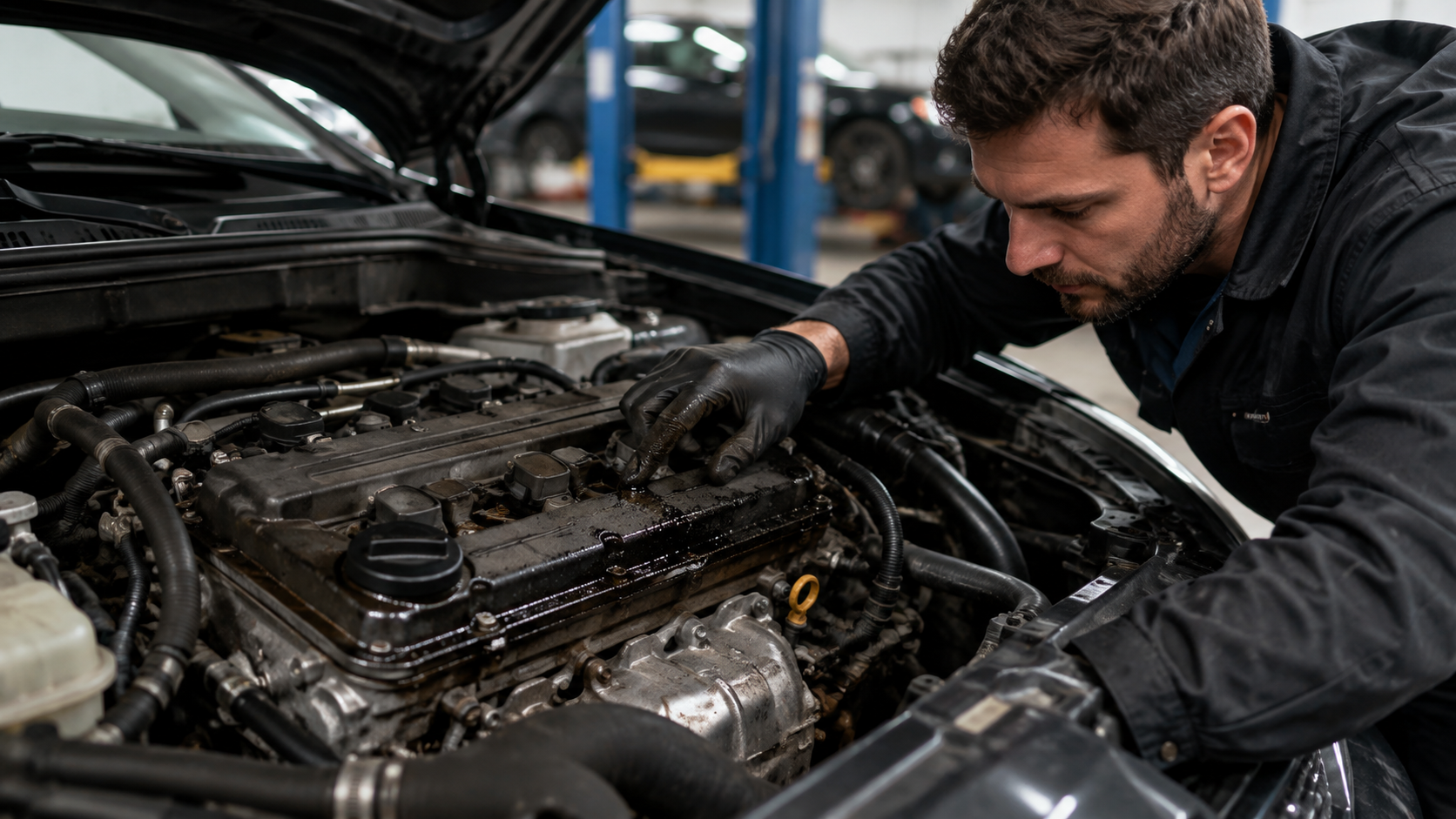
- Oil leaking from the valve cover: causes of seepage and finding the source of the problem
- Automatic climate control does not maintain the set temperature: where to look for the cause

Subscribe to our newsletter!
To stay updated with the latest news


Book a service