Mon-Fri | 08:00 - 20:00


Find

Contact us

Kyiv
46 Kyrylivska St. (Podil)
 Мережа СТО в місті

Kyiv
46 Kyrylivska St. (Podil)
 Мережа СТО в місті

 Години роботи
 Mon-Fri
08:00 - 20:00
Unstable engine idling: causes

Why idle speed is an indicator of engine health
Unstable engine idling almost always signals a violation of the balance between the supply of air, fuel and control by the engine electronics. In this mode, the engine operates without load, so even minor deviations become noticeable: floating revolutions, vibrations, dips or a feeling that the engine is tripping appear. It is the idling that allows you to assess how correctly the system maintains stable operation.
The problem is often perceived as minor, especially if the symptoms disappear after warming up or appear periodically. In fact, unstable idling rarely occurs without a reason and usually indicates more complex processes related to adaptations and the logic of the control systems.
The main causes of unstable operation
One of the most common reasons is a violation of the composition of the fuel mixture. Air intake after the throttle valve leads to the fact that the engine receives more air than the electronics take into account. In response, the system tries to adjust the fuel supply, but does so late or in excess, which makes the idle speed uneven.
The condition of the throttle valve plays an equally important role. Dirt, soot or wear of the mechanism interfere with accurate air dosing. As a result, the control unit cannot stably maintain the specified speed, and floating speed of Mercedes and other cars with a sensitive control system appears.
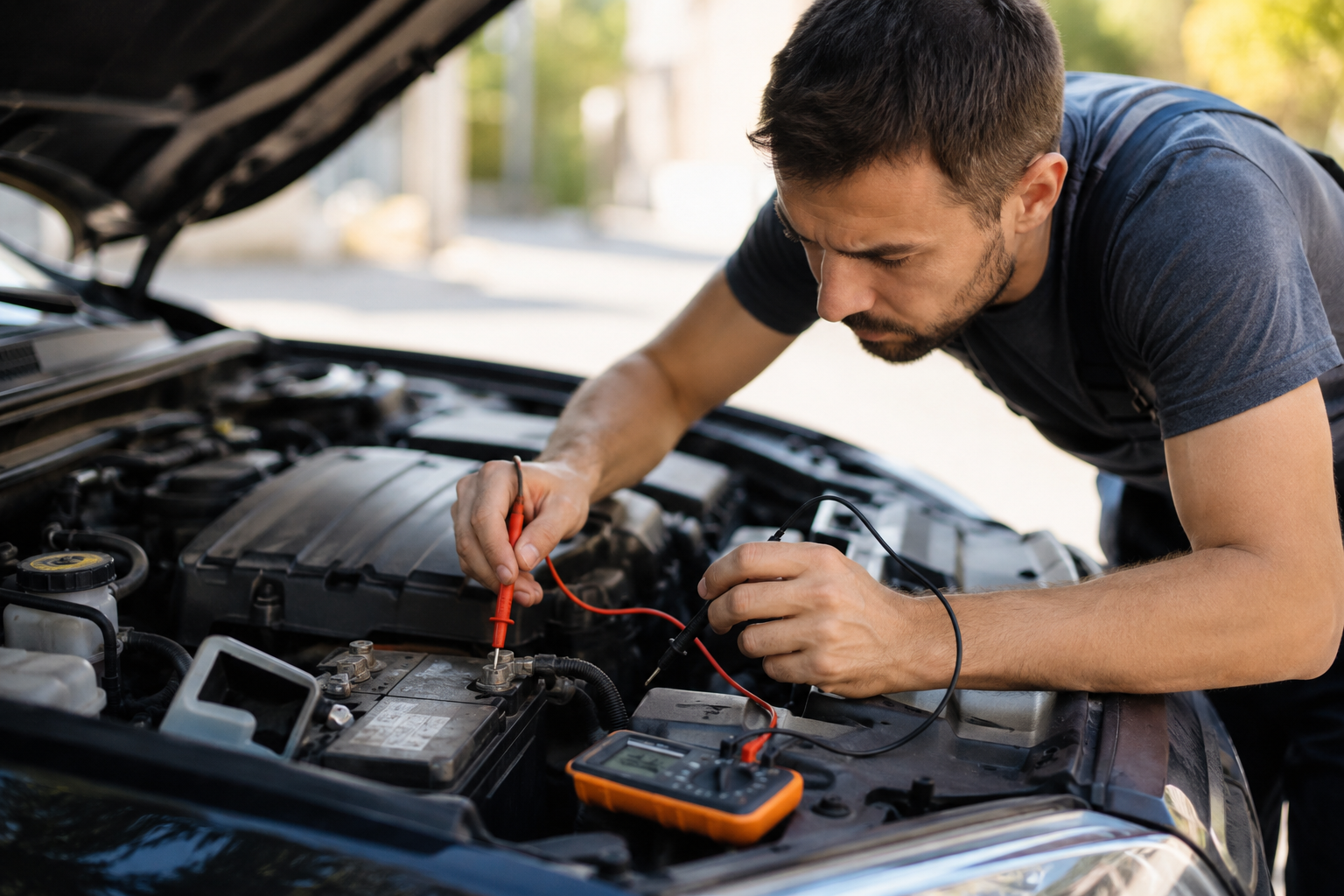
Separately, it is worth considering the sensors. Incorrect temperature, pressure or throttle position indicators distort the system’s perception of the real state of the engine. Even a mechanically sound engine in such a situation can stall or operate unstable precisely at idle.
The role of electronics and adaptations
Modern engine electronics operate on the basis of constant corrections. Adaptations store information about deviations in the operation of systems and compensate for them within acceptable values. When this data becomes incorrect, the system begins to work not with the real situation, but with erroneous ideas about it.
A typical situation is the replacement of parts without further adaptation. A new throttle valve or sensors may be in working order, but without correct training, the electronics continue to use the old corrections. As a result, the idle speed becomes unstable, although there are no obvious mechanical malfunctions.
An additional effect is a failure in the software logic after disconnecting the battery or attempts to “reset errors” without analyzing the causes. In such cases, the system temporarily works fine, but over time the symptoms return.
Why the problem may appear periodically
The periodic nature of the problem makes it difficult to understand its source. The engine may run smoothly when cold, but after warming up, unstable idling appears. This is often due to changes in the fuel mixture parameters and the reaction of the electronics to temperature.
Operating modes also affect. Short trips, long idle times or a sharp change in driving style change the corrections that the system uses to maintain stability. In such conditions, unstable engine operation manifests itself only in individual scenarios, which creates the illusion of randomness.
When in-depth diagnostics are needed
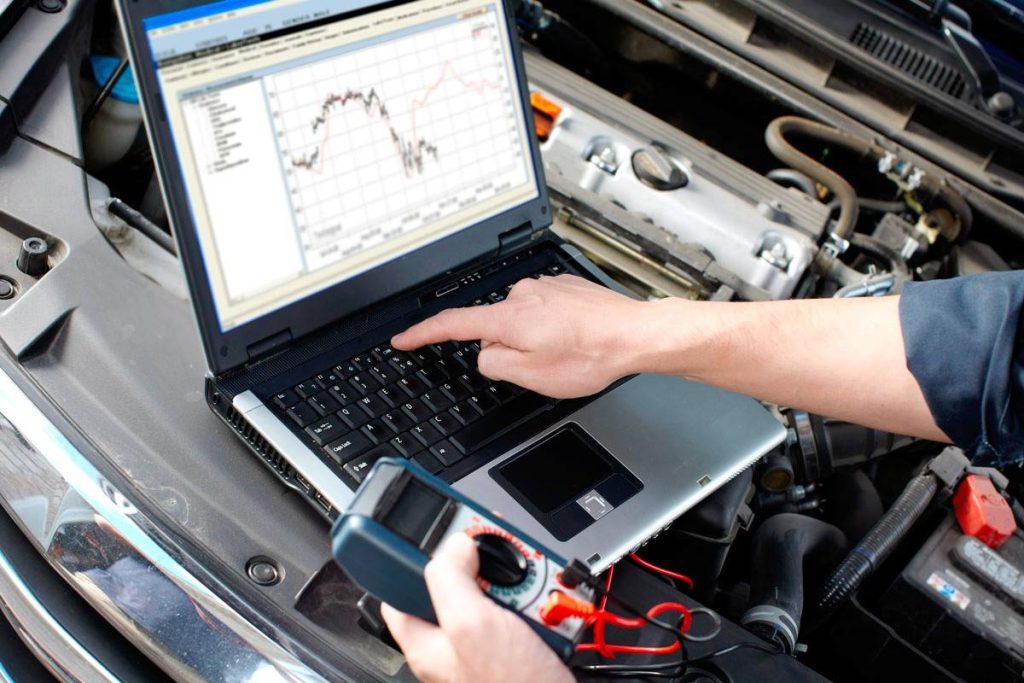
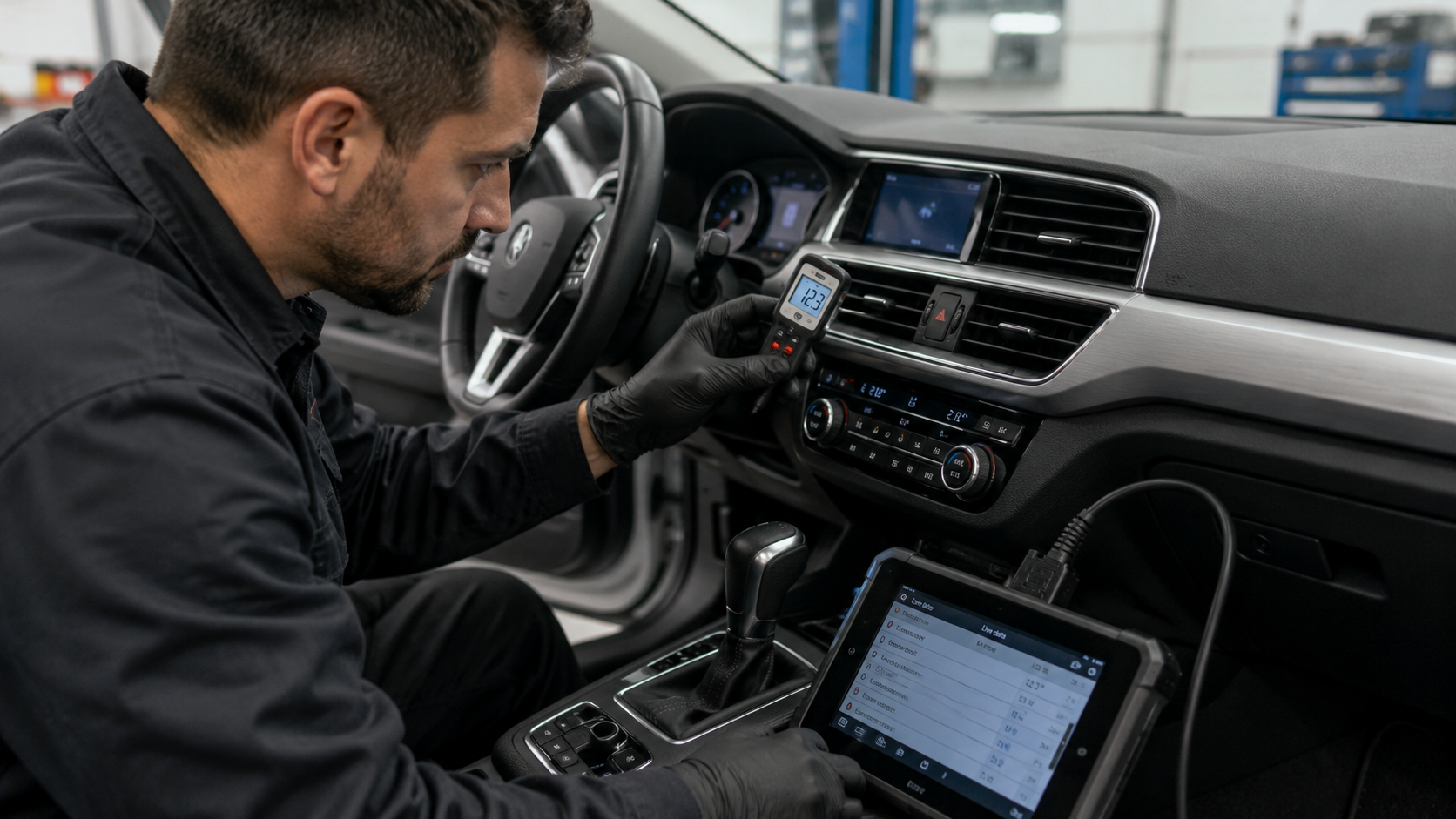
If the engine is tripping or has floating revs in a Mercedes without a clear dependence on temperature or load, a superficial check does not give a result. A simple reading of errors does not reflect the logic of the malfunctions, since some of the problems exist within the permissible values and are not recorded as an error.
Signs that a deeper analysis is needed are:
- unstable idling after replacing parts;
- recurring symptoms without active error codes;
- change in engine behavior after resetting adaptations;
- a combination of vibrations and floating revs in different modes.
In such cases, it is important to evaluate the operation of the system as a whole: the actual sensor readings, fuel mixture corrections and the response of the engine electronics, and not individual elements in isolation.
Top popular news
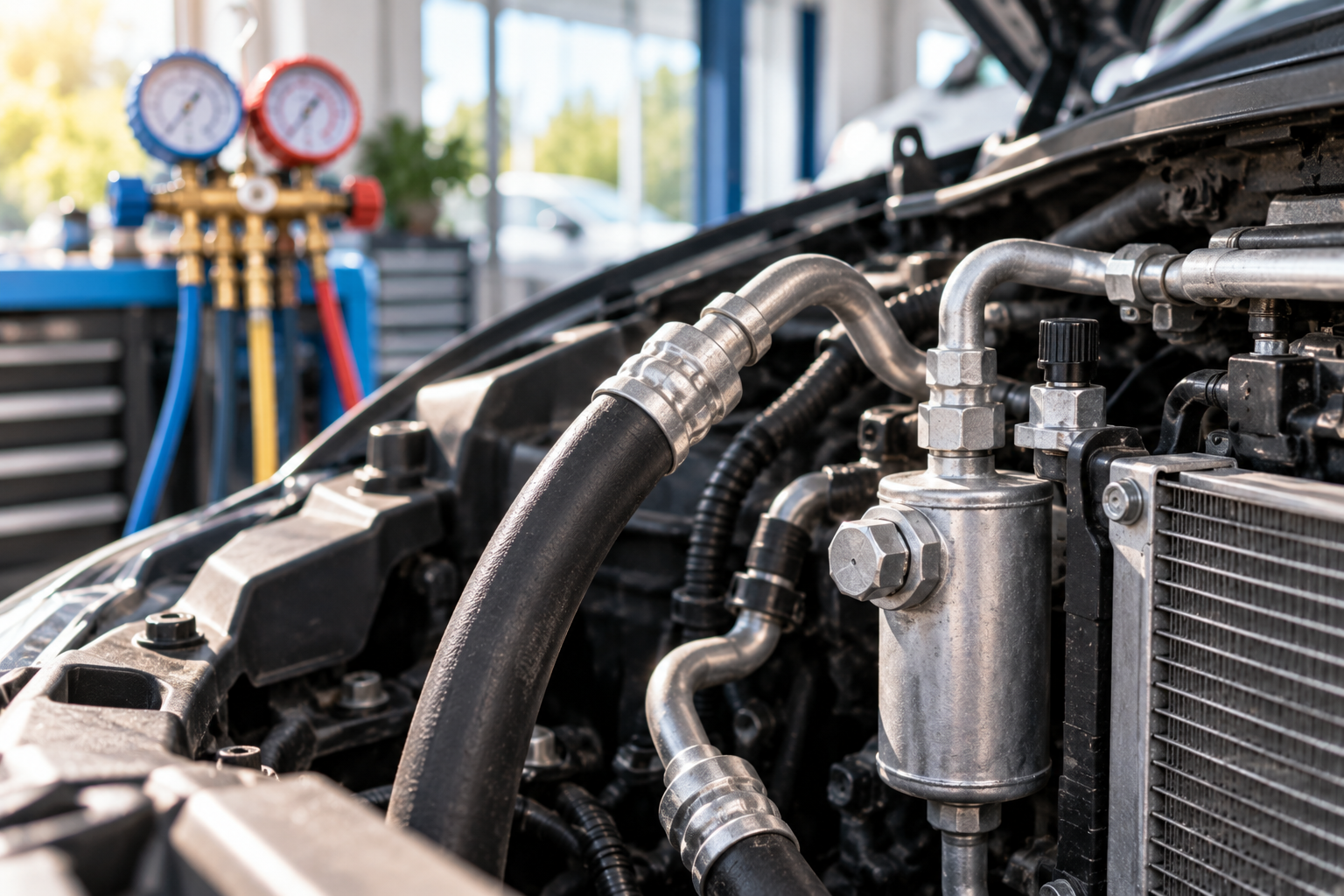
- Air Conditioner Losing Refrigerant Without Visible Damage: Causes and Solutions
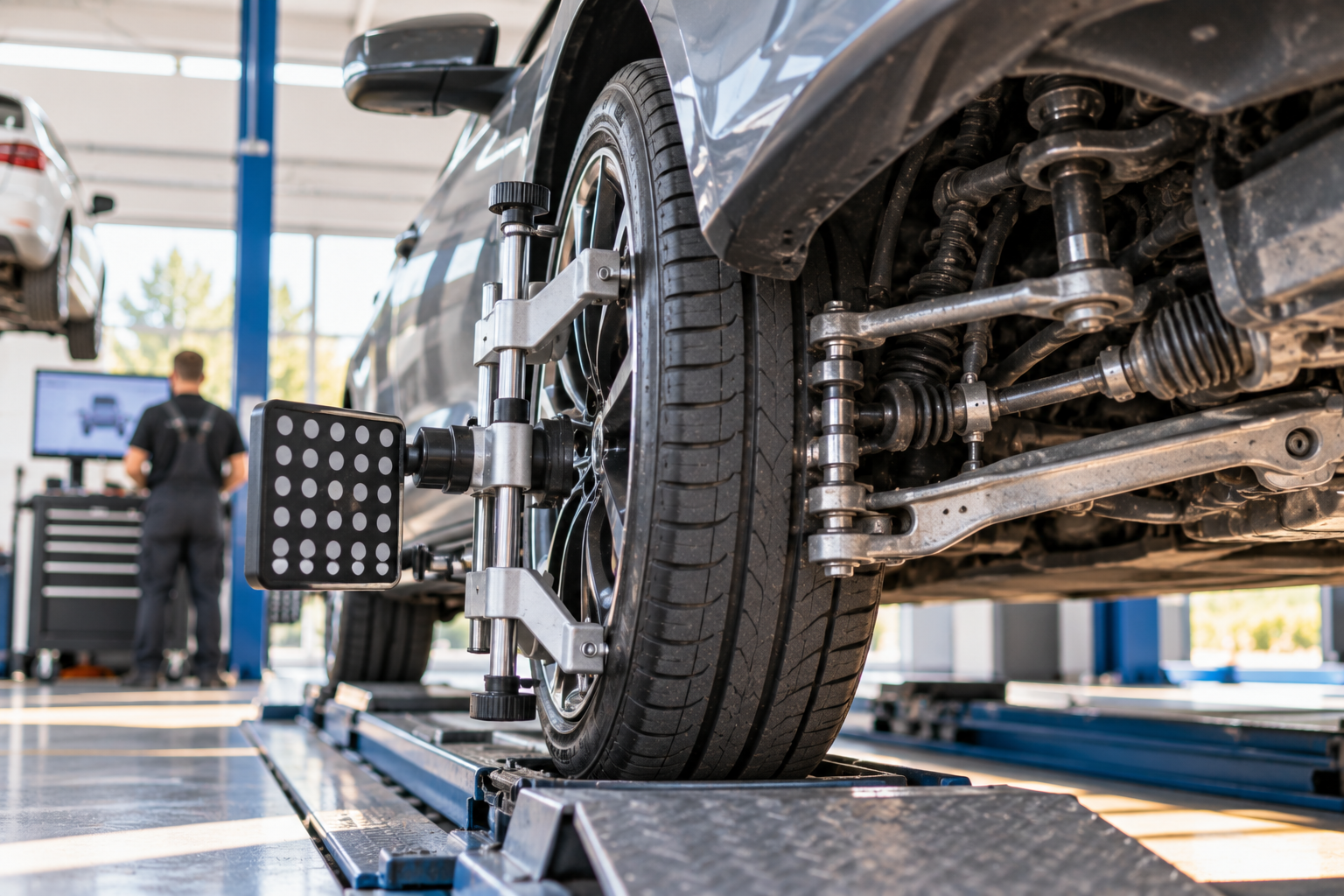
- Why Wheel Alignment Goes Out After Adjustment: It Is Not Always the Alignment Rack
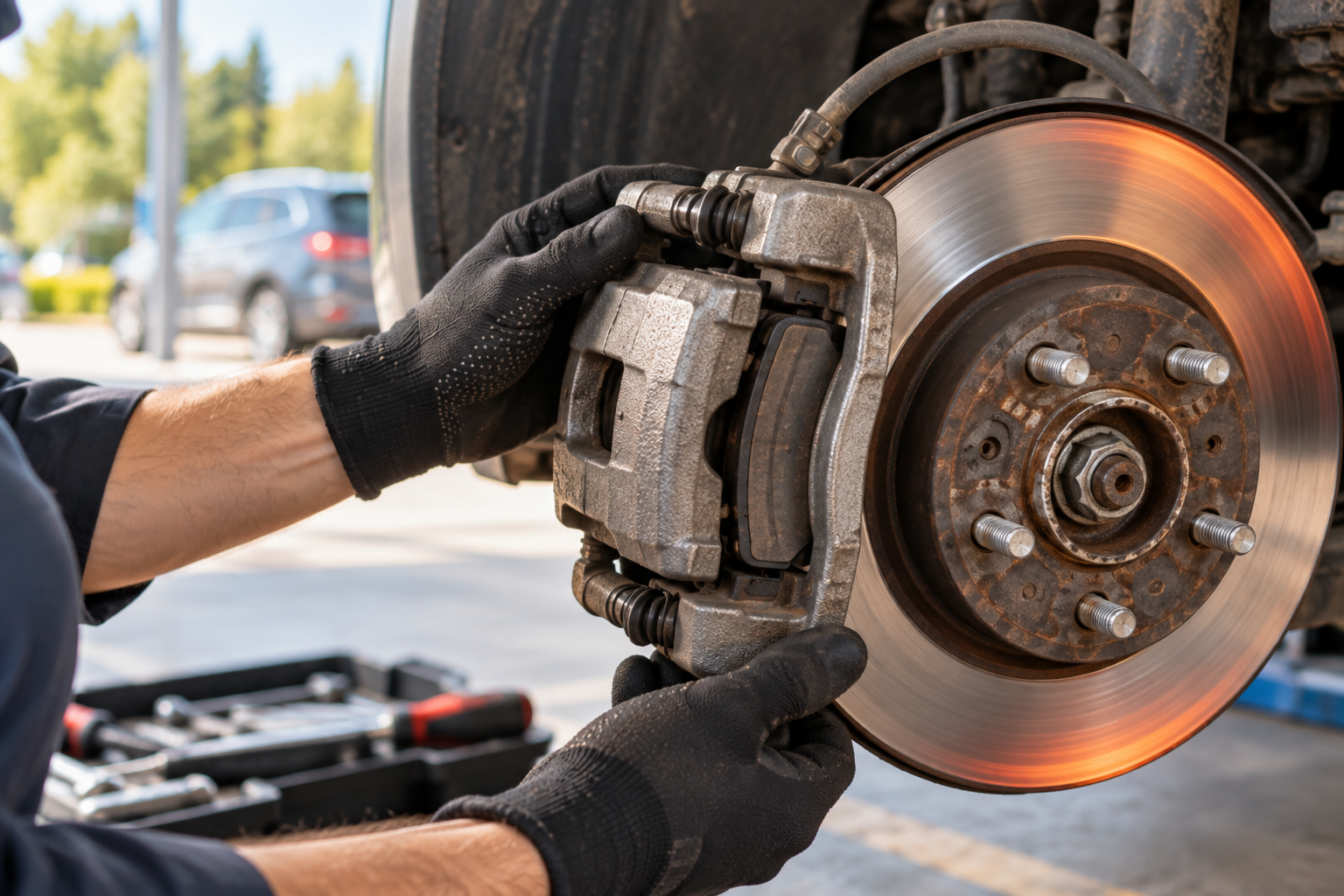
- Seized Brake Caliper: Symptoms, Causes, and Repair
- Changing the Oil in an AWD Differential: Why This Component Is Often Forgotten
- Check Engine Light Flashing: What the Signal Means and Why You Should Not Ignore It
- Preparing a car for a long trip: checklist before departure
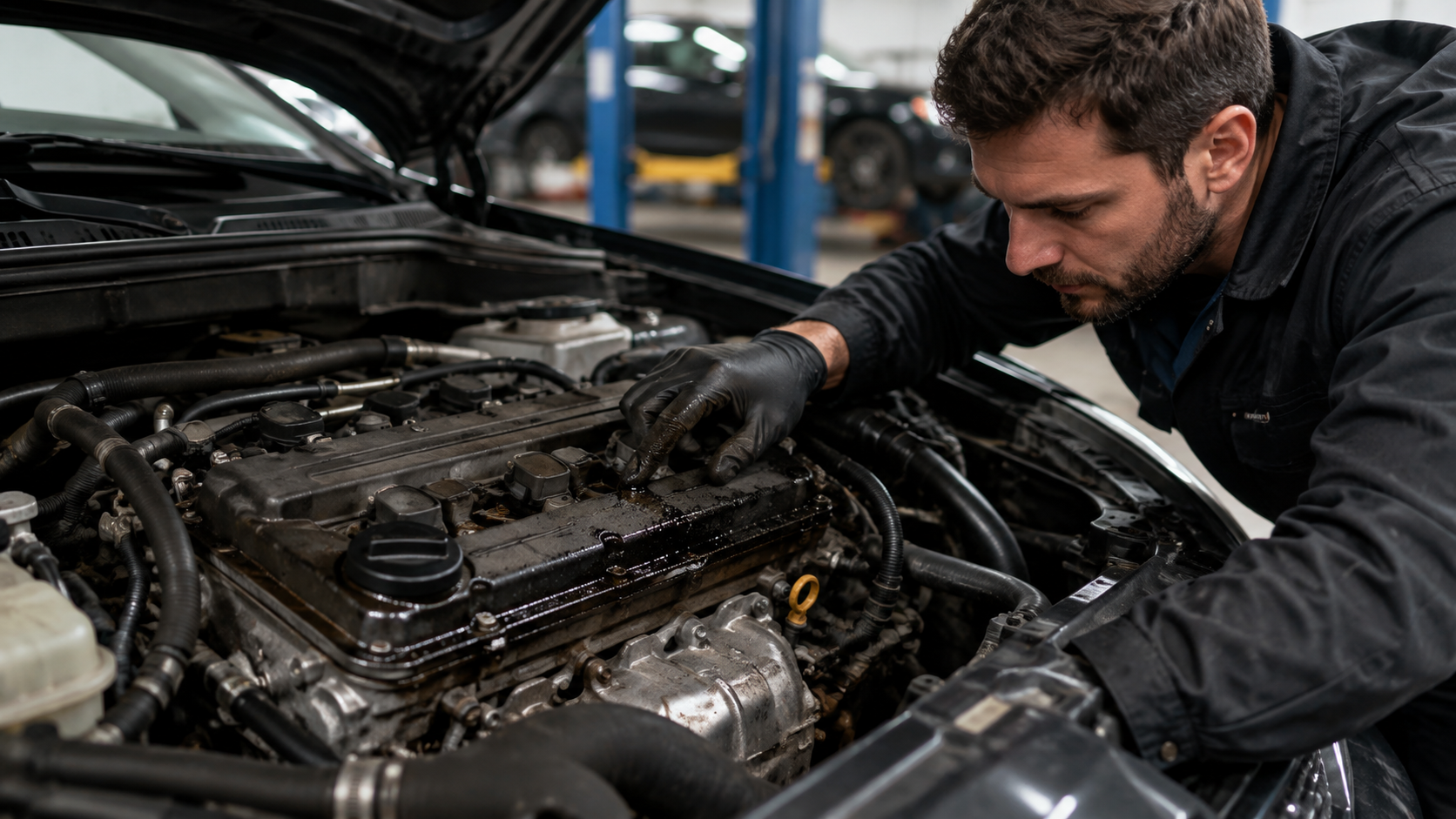
- Oil leaking from the valve cover: causes of seepage and finding the source of the problem
- Automatic climate control does not maintain the set temperature: where to look for the cause

Subscribe to our newsletter!
To stay updated with the latest news


Book a service