Mon-Fri | 08:00 - 20:00


Find

Contact us

Kyiv
46 Kyrylivska St. (Podil)
 Мережа СТО в місті

Kyiv
46 Kyrylivska St. (Podil)
 Мережа СТО в місті

 Години роботи
 Mon-Fri
08:00 - 20:00
The principle of operation of the turbine – how it works

A turbine is a device that is used in various technological processes and vehicles to increase the efficiency of an engine. The turbine allows you to increase engine power by using exhaust gases and air to increase the pressure in the intake system. In this article, we will consider the principle of operation of the turbine, its main malfunctions, as well as the possibility of repairing the turbine with our own hands or in a car repair shop.
Turbocharging system – principle of operation
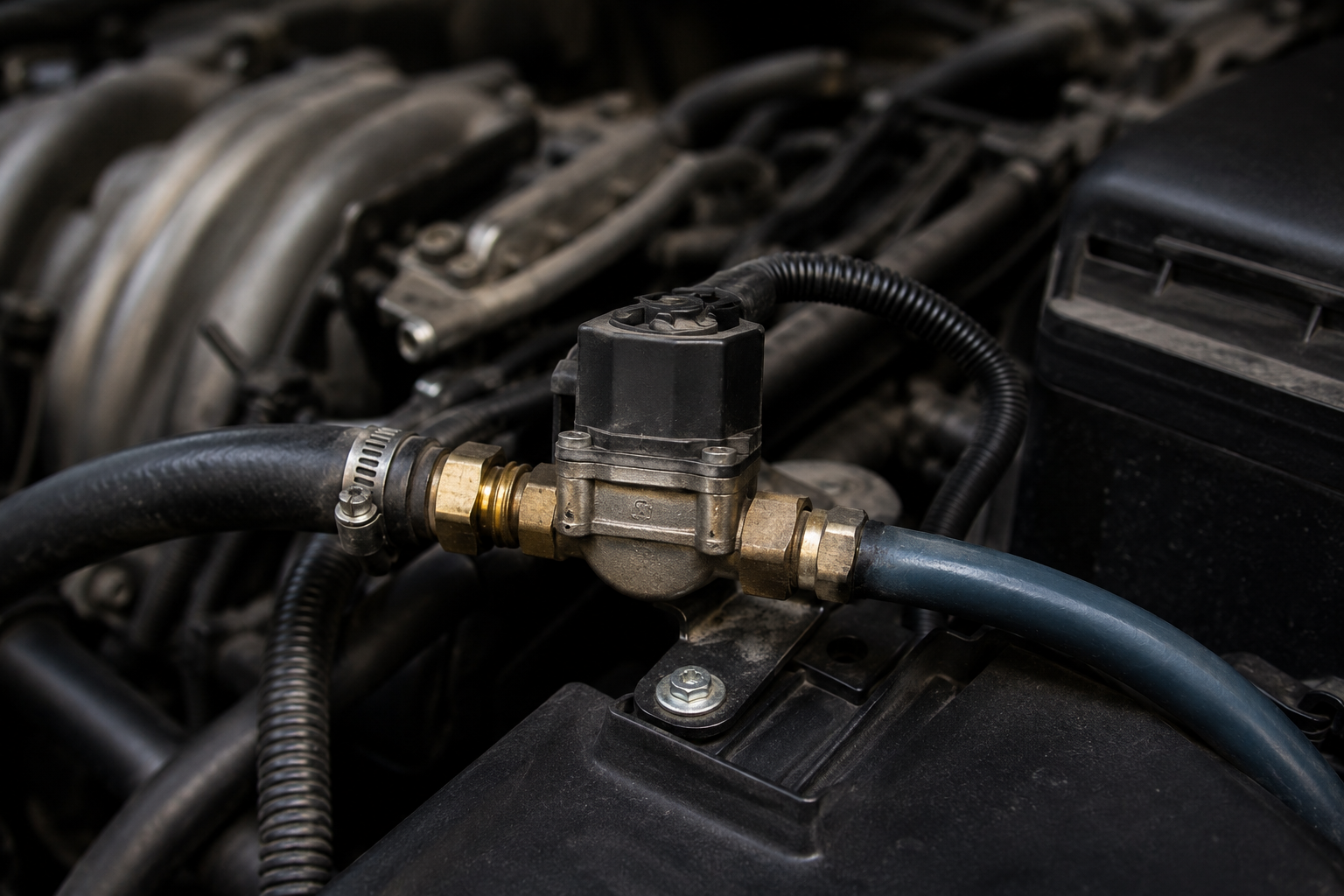
First, let’s look at how a turbocharging system works. In a turbocharged engine, the exhaust gases leaving the exhaust system pass through the turbine. This device consists of two parts – the impeller and the housing. The air that is supplied to the engine passes through the filter and then enters the intake manifold. The air pressure is increased thanks to the turbocharger, which is mounted on the same shaft as the turbine. As a result, compressed air is supplied to the engine cylinders.
Car turbocharger device
The turbocharger consists of two main parts: compressor and turbine. The compressor part is responsible for compressing the air, and the turbine part is responsible for the rotation of the turbine. When the engine is running, the turbine is attached to the exhaust system and driven by the exhaust gases. As a result of the rotation of the turbine, the compressor part begins to compress the air and supply it to the engine.
Working principle of diesel engine turbine
The principle of operation of a turbine for a diesel engine is the same as that of a turbine for a gasoline engine. In a turbocharged engine, diesel fuel is burned in the engine’s cylinders, working off the crankshaft and turning the turbine. Exhaust gases leave the exhaust system, pass through the turbine, rotating it and setting in motion the compressor part of the turbocharger. Compressed air enters the intake manifold, where it mixes with diesel fuel and burns in the engine cylinders to improve power and efficiency.
The difference between the operation of the turbine of a gasoline engine
The difference between the operation of a turbine for a gasoline engine is that a mixture of air and gasoline is used in a gasoline engine, which is then burned in the engine cylinders. To ensure more efficient air compression, a turbocharged gasoline engine uses a fuel injection system in combination with a turbine.


Major Turbine Faults
Although a turbine is a reliable device, it is also prone to malfunctions that can lead to reduced engine efficiency. The main malfunctions of the turbine are:
- Turbine clogged or broken – this can happen due to improper operation or due to turbine wear.
- Oil leakage – this can occur due to broken sealing elements or due to damage to the turbine housing.
- Torn or damaged hoses – this can happen due to improper installation or worn hoses.
- Problems with the electrical system – this can happen due to a short circuit or due to damaged electrical wires.
DIY Turbine Repair
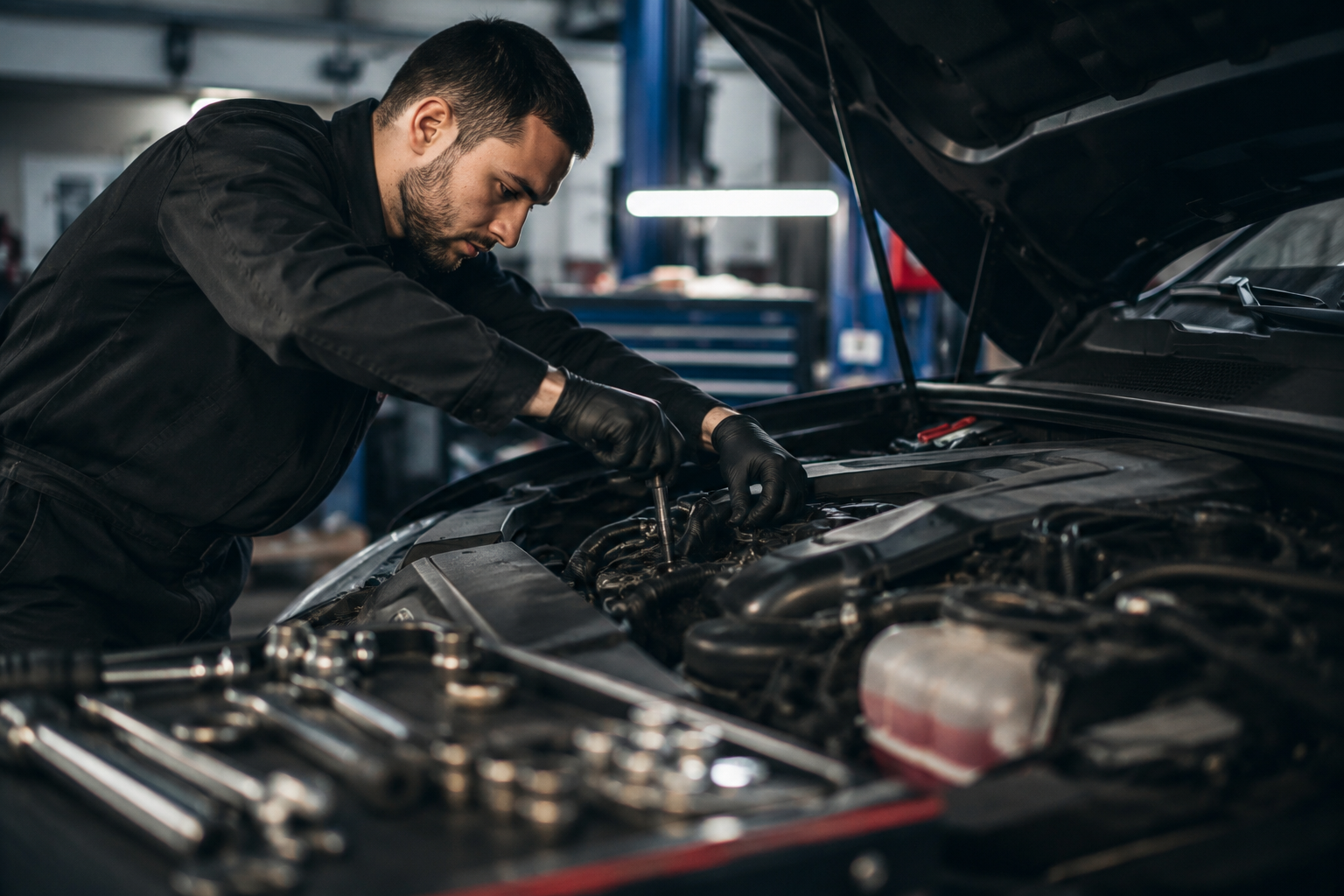
Do-it-yourself turbine repair can be dangerous and unpredictable, so it is best to entrust this work to specialists. However, if you still decide to repair the turbine yourself, then before starting work, you must study the operating and installation instructions for the turbine.
Before repairing the turbine, it is necessary to diagnose and determine the cause of the malfunction. If the malfunction is a clogged turbine, then you can try to clean it using special cleaning products. However, if the turbine is damaged, replacement of damaged parts or complete replacement of the turbine is required.
When repairing a turbine, it is necessary to observe all safety measures and not violate the technology of working with a turbine. It is also important to make sure that the turbine is installed correctly and that all systems that are associated with its operation are working correctly.
Benefits of Turbine Repair in a Car Workshop
Turbine repair in a car workshop is more reliable and safer than self-repair. Advantages of repairing a turbine in a car workshop:
- Professional approach – the specialists of the auto repair shop have extensive experience working with turbines and know how to correctly diagnose malfunctions and carry out repairs.
- The use of professional equipment – for the repair of turbines in auto repair shops, special equipment is used, which allows for high-quality repairs.
- Quality assurance – the auto repair shop provides a guarantee for the work performed, which guarantees the reliability and safety of using the turbine after repair.
- Saved time – repairing a turbine in a car workshop allows you to quickly and efficiently eliminate malfunctions, which saves time and reduces the risk of possible errors in repairs.
So, the turbine is an important part of the car engine, providing increased power and efficiency of the engine. In the event of a malfunction, it is recommended to seek help from the specialists of the auto repair shop, who will carry out diagnostics and high-quality repairs of the turbine. Remember that incorrect repair of the turbine can lead to serious consequences and endanger the safety of the driver and passengers.
Top popular news
- Air Conditioner Losing Refrigerant Without Visible Damage: Causes and Solutions
- Why Wheel Alignment Goes Out After Adjustment: It Is Not Always the Alignment Rack
- Seized Brake Caliper: Symptoms, Causes, and Repair
- Changing the Oil in an AWD Differential: Why This Component Is Often Forgotten
- Check Engine Light Flashing: What the Signal Means and Why You Should Not Ignore It
- Preparing a car for a long trip: checklist before departure
- Oil leaking from the valve cover: causes of seepage and finding the source of the problem
- Automatic climate control does not maintain the set temperature: where to look for the cause

Subscribe to our newsletter!
To stay updated with the latest news


Book a service