Mon-Fri | 08:00 - 20:00


Find

Contact us

Kyiv
46 Kyrylivska St. (Podil)
 Мережа СТО в місті

Kyiv
46 Kyrylivska St. (Podil)
 Мережа СТО в місті

 Години роботи
 Mon-Fri
08:00 - 20:00
Why gearbox problems often start with electronics

Why does the gearbox depend on electronics?
Modern automatic and robotic gearboxes depend heavily on electronics that control all shifting processes. The gearbox control unit analyzes signals from speed sensors, engine speed, transmission fluid temperature, and voltage to determine the optimal shift point. Even minor failures in the gearbox electronics can cause jerks, delays in gear engagement, or activation of emergency mode.
Electronic components are also responsible for adapting to the driving style. If the logic of the control units is disrupted, the mechanism may react incorrectly to the load. This explains why problems with the gearbox electronics often appear with normal mechanical serviceability of the components.
Monitoring the sensor signals and the state of the electronics allows you to preserve the resource of gears and hydraulic clutches. Problems that arise at this level may remain unnoticed by the driver, but gradually reduce the efficiency of the gearbox and provoke additional breakdowns if they are ignored.
How electronic failures affect shifting
Electronic failures change the shifting algorithms, affecting the operation of hydraulic clutches and valves. Incorrect signals from speed, temperature or voltage sensors can cause gearbox errors or activation of emergency mode.
In such cases, the gearbox limits the number of available gears to protect the mechanics. The driver may experience jerks during acceleration, delays when engaging gears or incorrect operation in different temperature conditions. This occurs even if the mechanical components are working flawlessly, which emphasizes the importance of timely checking the electronics.
Electronic failures also affect the adaptations that the gearbox makes to the driving style. If the control unit receives incorrect data from the sensors, the adaptation algorithms change incorrectly, which leads to jerks, uneven shifting and unstable idling.
Typical scenarios for the development of problems

The most common scenarios for electronics failures include:
- activation of emergency mode without visible mechanical reasons;
- display of gearbox errors on the instrument panel;
- jerks and delays when changing gears or under load;
- incorrect adaptations to the driving style;
- delays in engaging gears on a warm or cold engine;
- increased fuel consumption due to incorrect gear shifting.
These problems often cause incorrect diagnostics when owners mistakenly blame the mechanics and replace working components. Unnecessary repairs without taking into account electronic failures do not solve the problem and increase the risk of repeated breakdowns.
Why mechanics are often serviceable
In most cases, mechanical errors of the gearbox remain operational. Gears, clutches and hydraulic drives do not wear out with proper operation. The main malfunctions occur due to failure of sensor signals or incorrect operation of adaptations.
For example, incorrect data from the speed sensor or transmission fluid temperature can force the box to enter emergency mode. This limits the available gears, even if the mechanics are completely functional. Because of this, owners often make unnecessary repairs, replacing serviceable components.
Correct operation of the gearbox electronics directly affects the resource of the components and the general condition of the box. Timely inspection of control units and sensors allows you to avoid serious mechanical problems and extends the service life of the transmission.
When complex diagnostics are needed
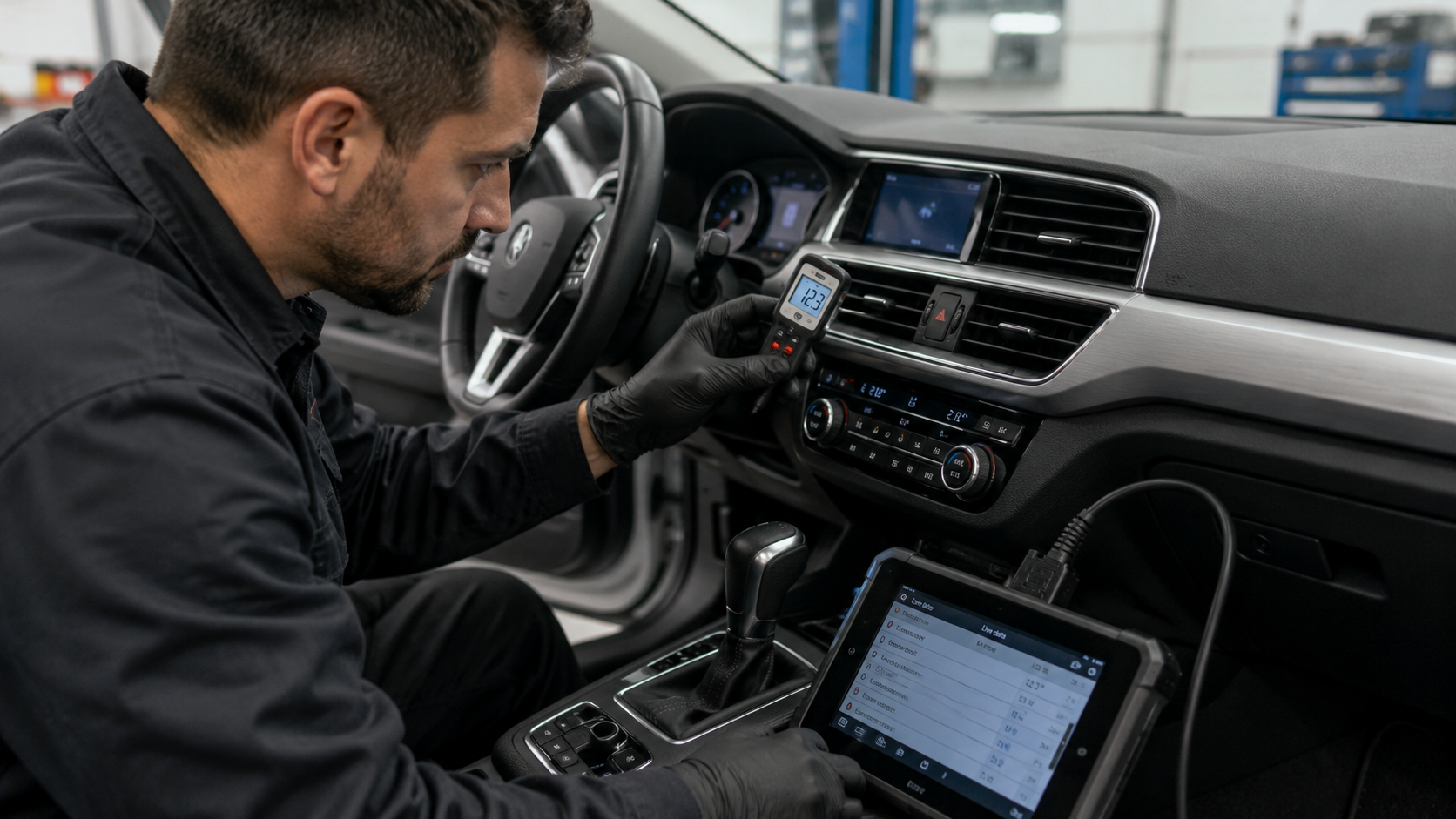
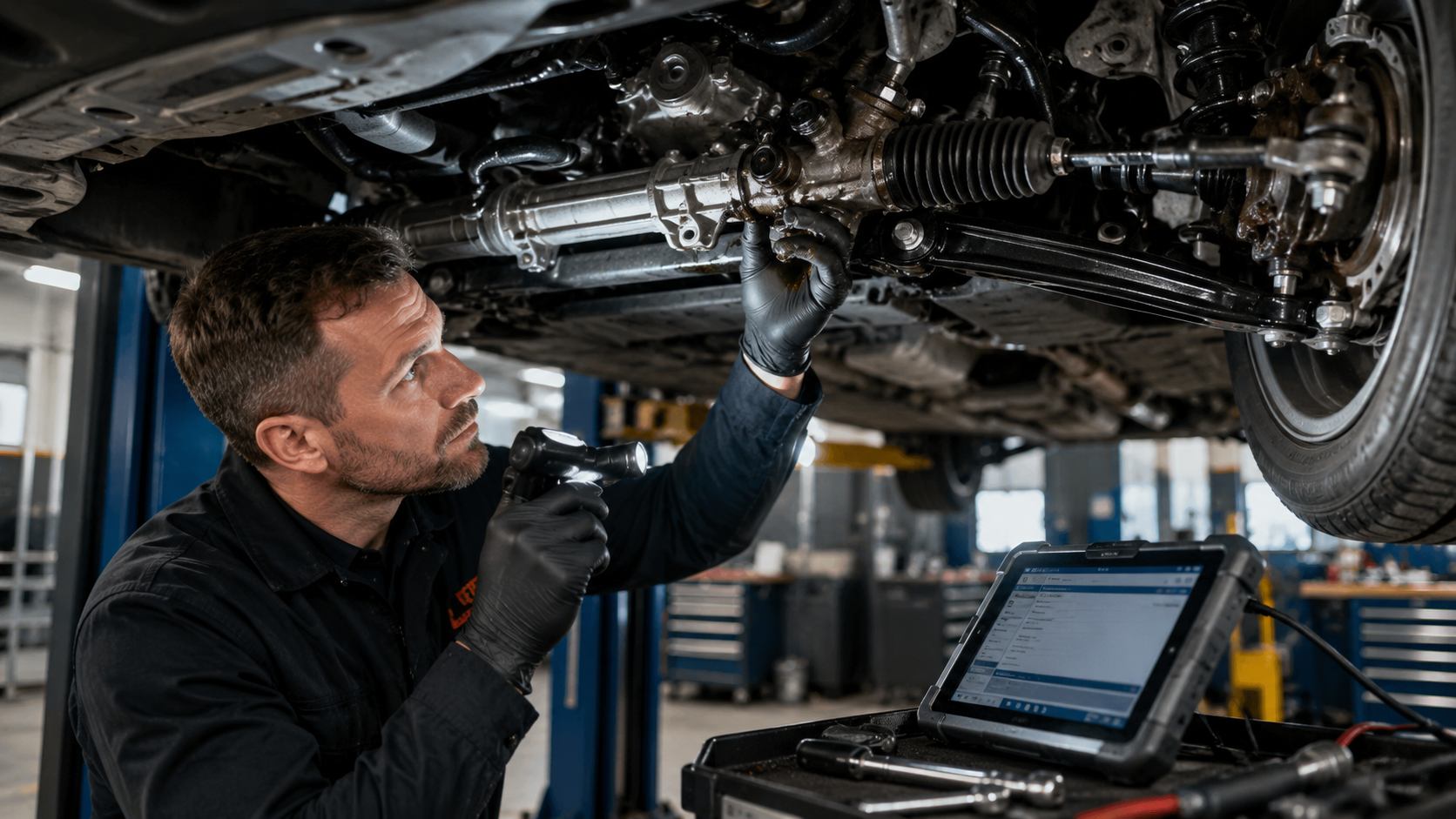
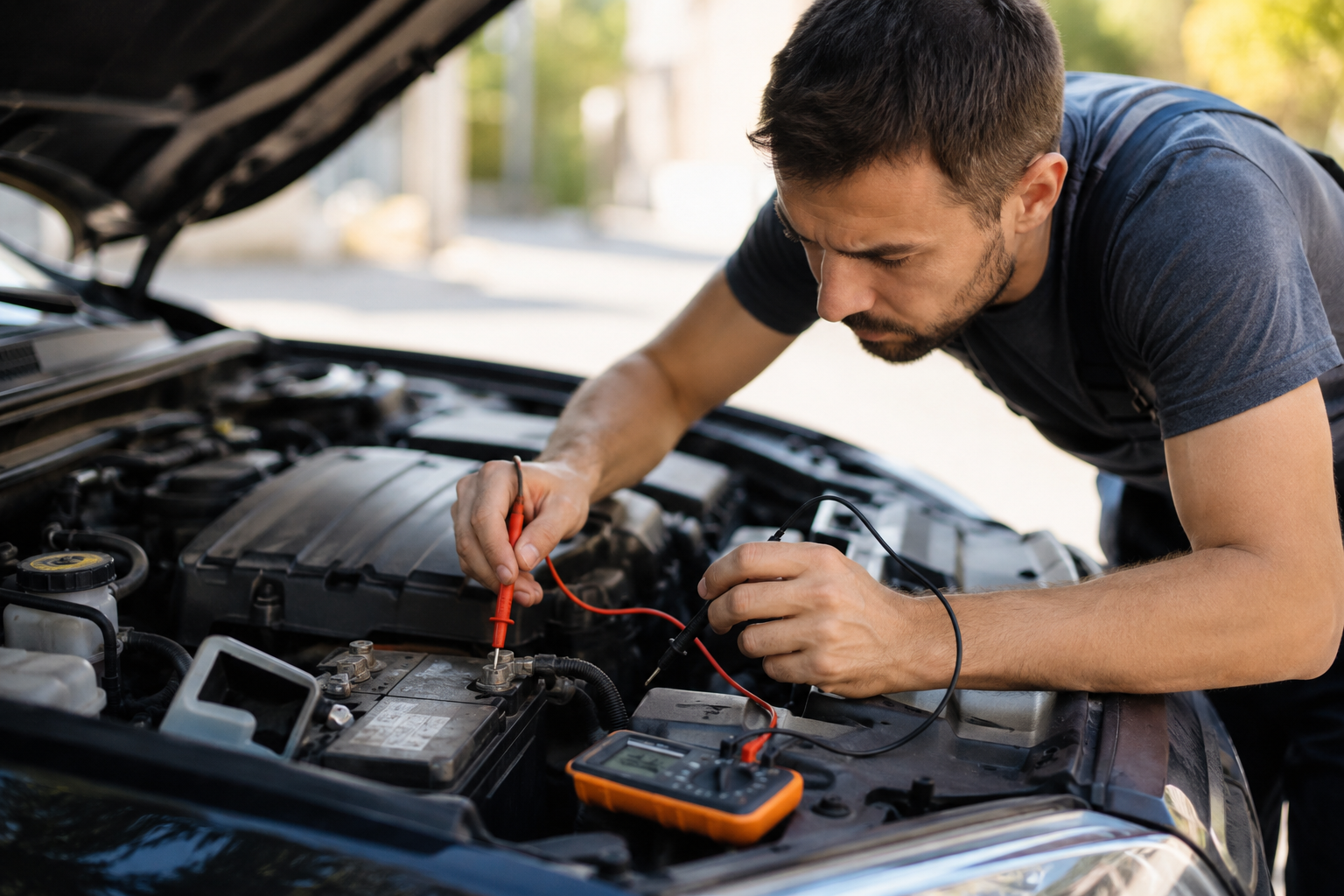
Comprehensive diagnostics includes checking all electronic units, testing sensors and evaluating signals from them, as well as monitoring the voltage in the electrical system and the status of adaptations. Testing the box in various modes, including emergency, allows you to accurately determine the source of the malfunction.
Analysis of error logs and adaptation history helps to separate electronic problems from mechanical malfunctions. This approach allows you to determine the real causes of gearbox malfunctions and avoid unnecessary replacement of serviceable parts.
Timely detection of gearbox electronics failures ensures stable transmission operation, extends the service life of components, and increases driving safety. It is important not to ignore the first signs of malfunctions, as electronics problems can quickly affect the condition of the mechanics and driving comfort.
Top popular news
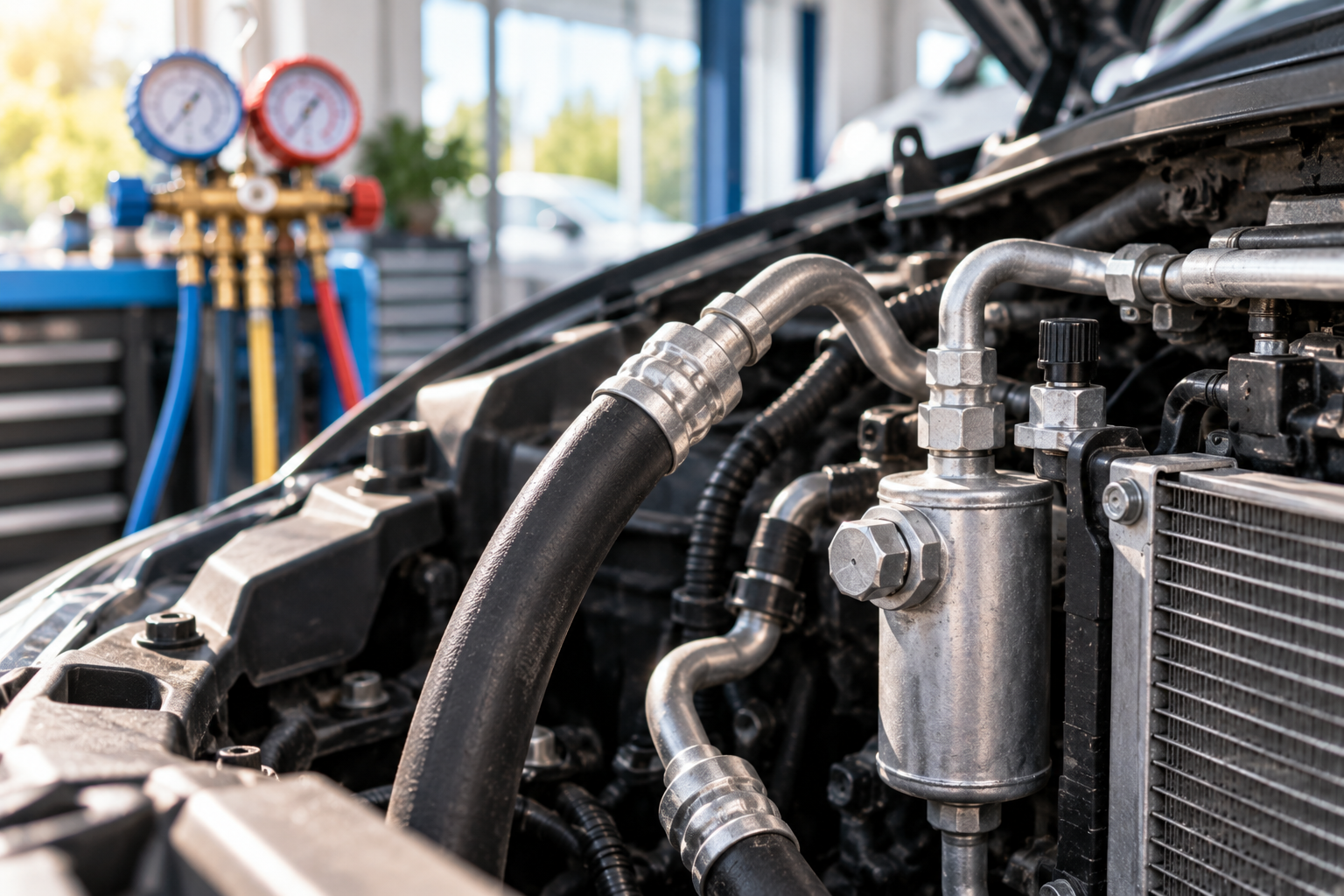
- Air Conditioner Losing Refrigerant Without Visible Damage: Causes and Solutions
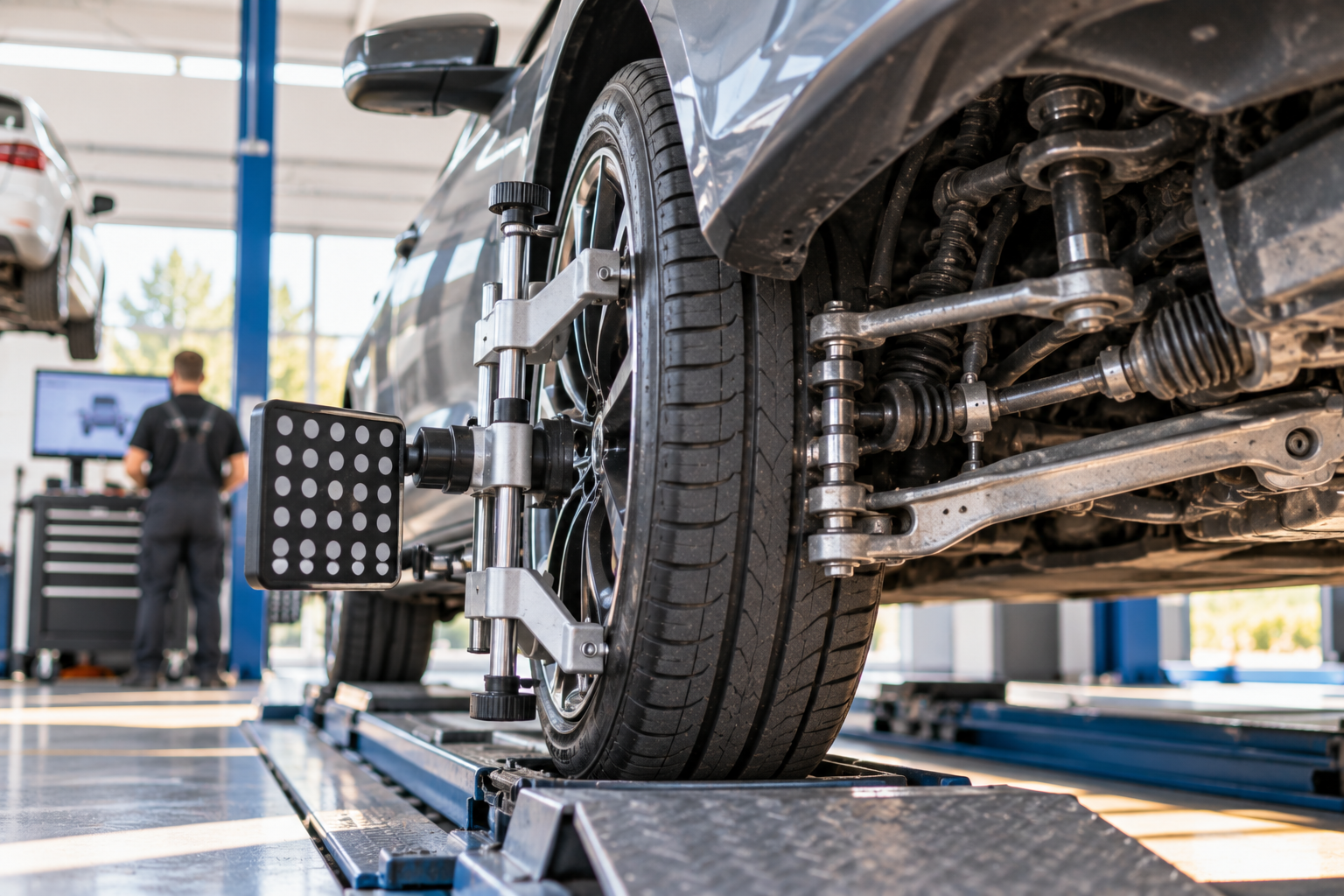
- Why Wheel Alignment Goes Out After Adjustment: It Is Not Always the Alignment Rack
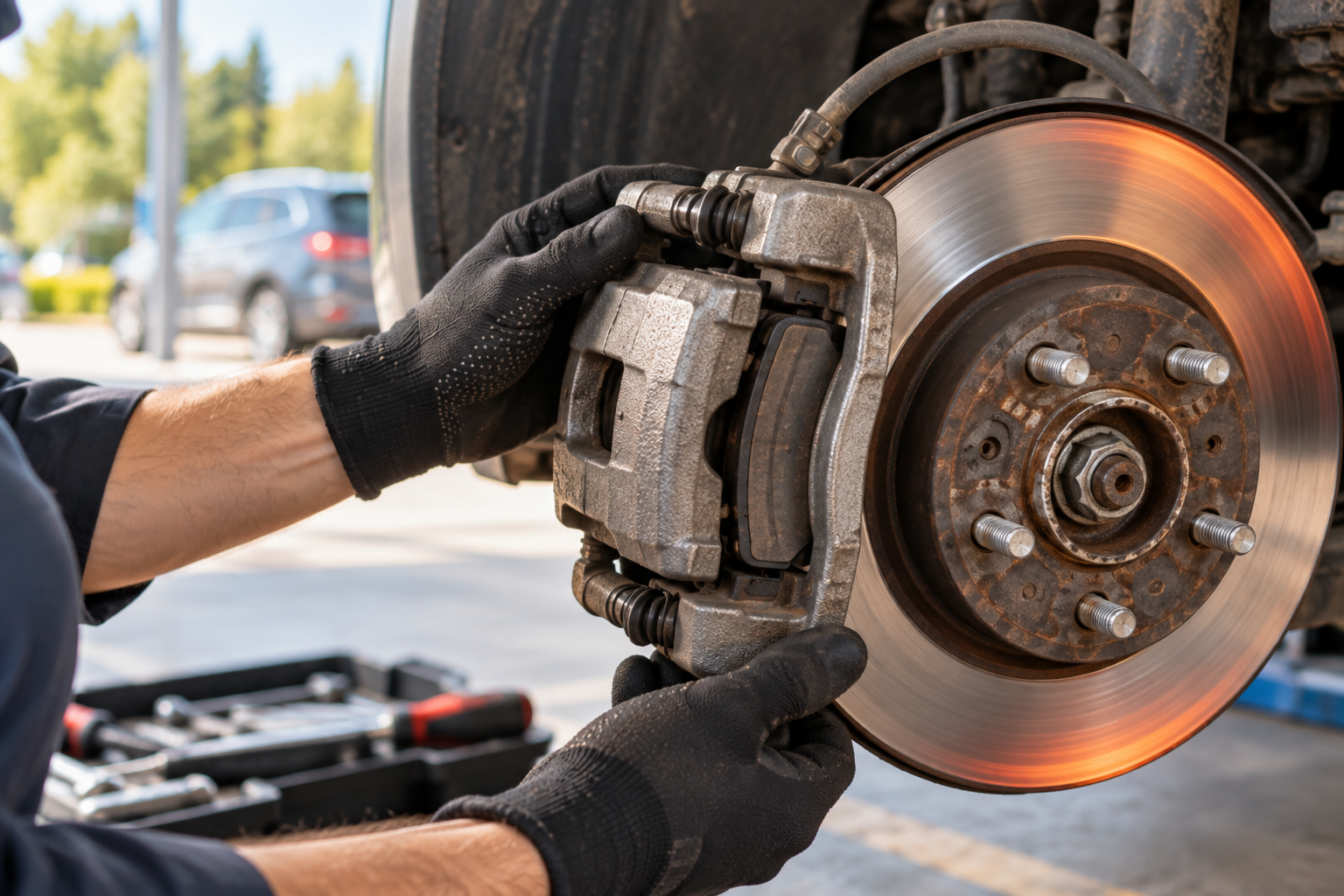
- Seized Brake Caliper: Symptoms, Causes, and Repair
- Changing the Oil in an AWD Differential: Why This Component Is Often Forgotten
- Check Engine Light Flashing: What the Signal Means and Why You Should Not Ignore It
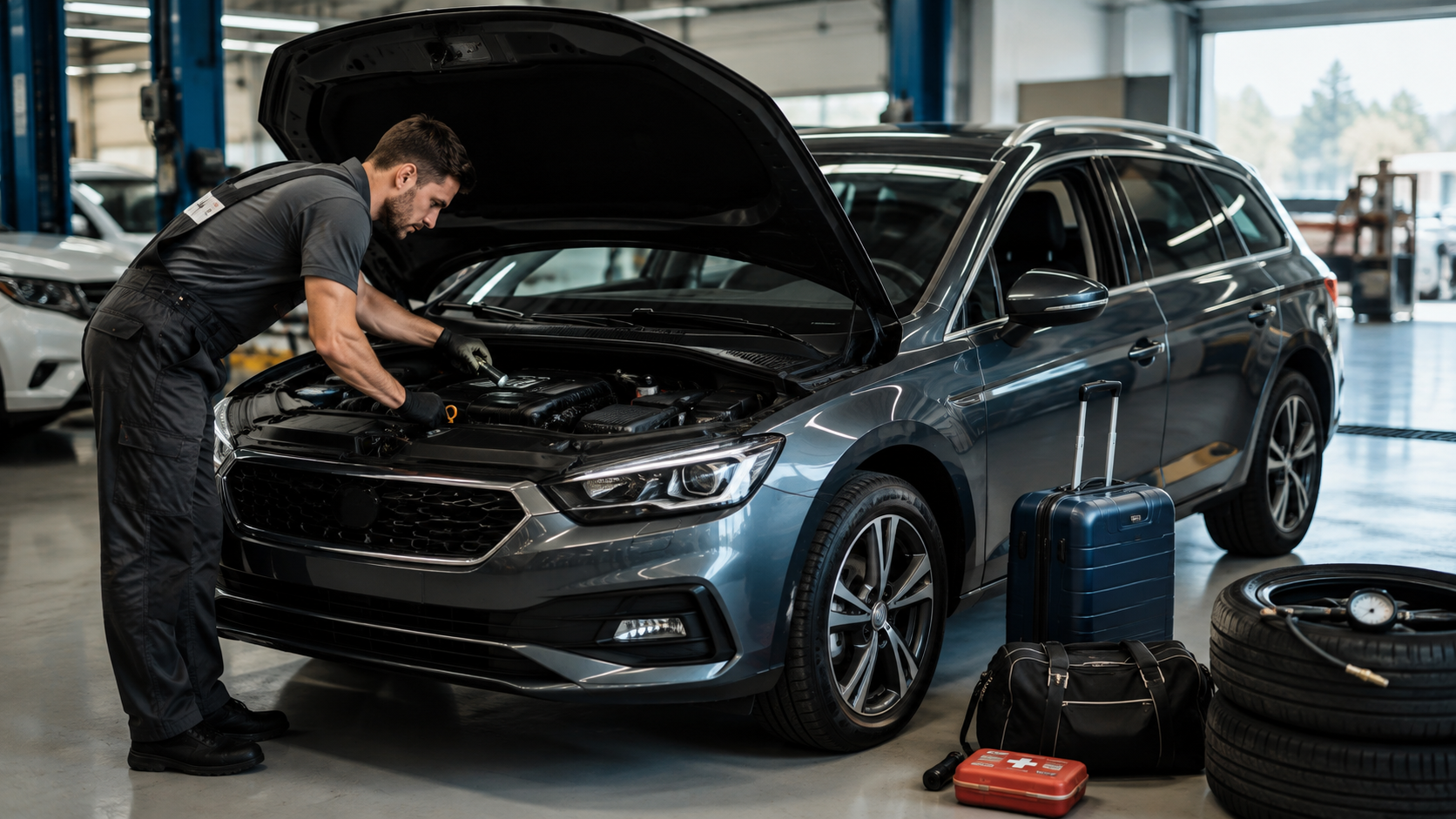
- Preparing a car for a long trip: checklist before departure
- Oil leaking from the valve cover: causes of seepage and finding the source of the problem
- Automatic climate control does not maintain the set temperature: where to look for the cause

Subscribe to our newsletter!
To stay updated with the latest news


Book a service