Mon-Fri | 08:00 - 20:00


Find

Contact us

Kyiv
46 Kyrylivska St. (Podil)
 Мережа СТО в місті

Kyiv
46 Kyrylivska St. (Podil)
 Мережа СТО в місті

 Години роботи
 Mon-Fri
08:00 - 20:00
Oil leaking from the valve cover: causes of seepage and finding the source of the problem
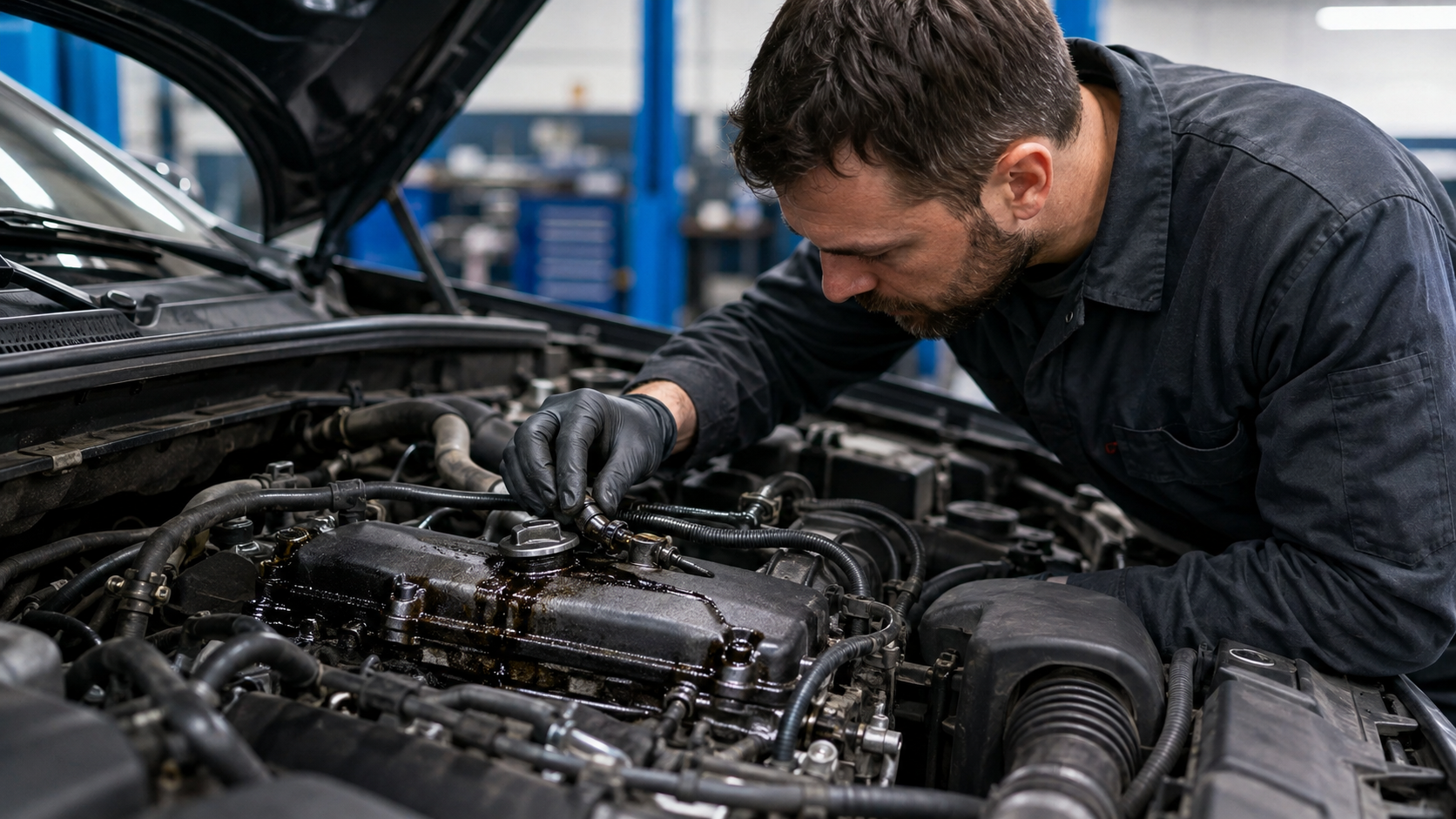
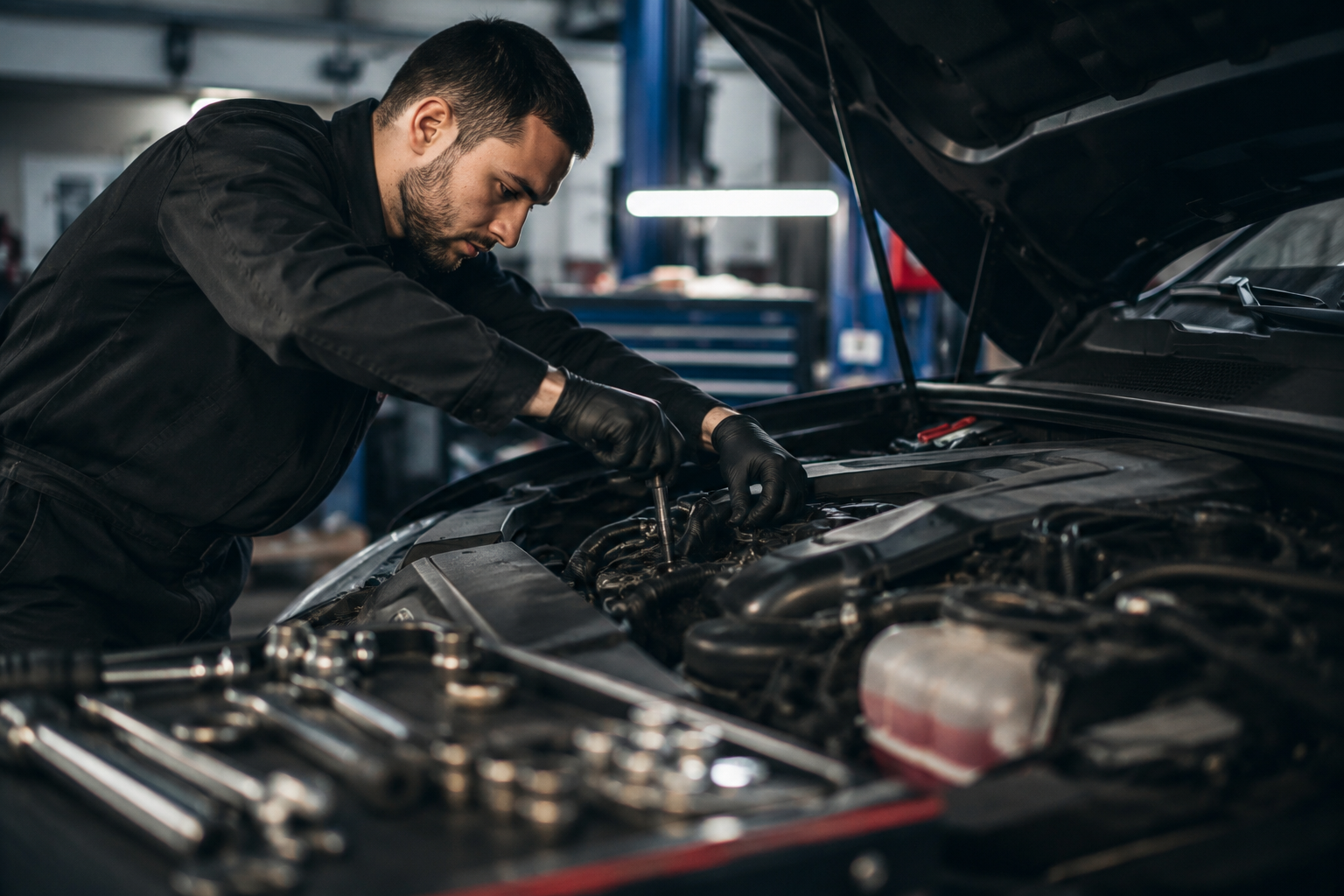
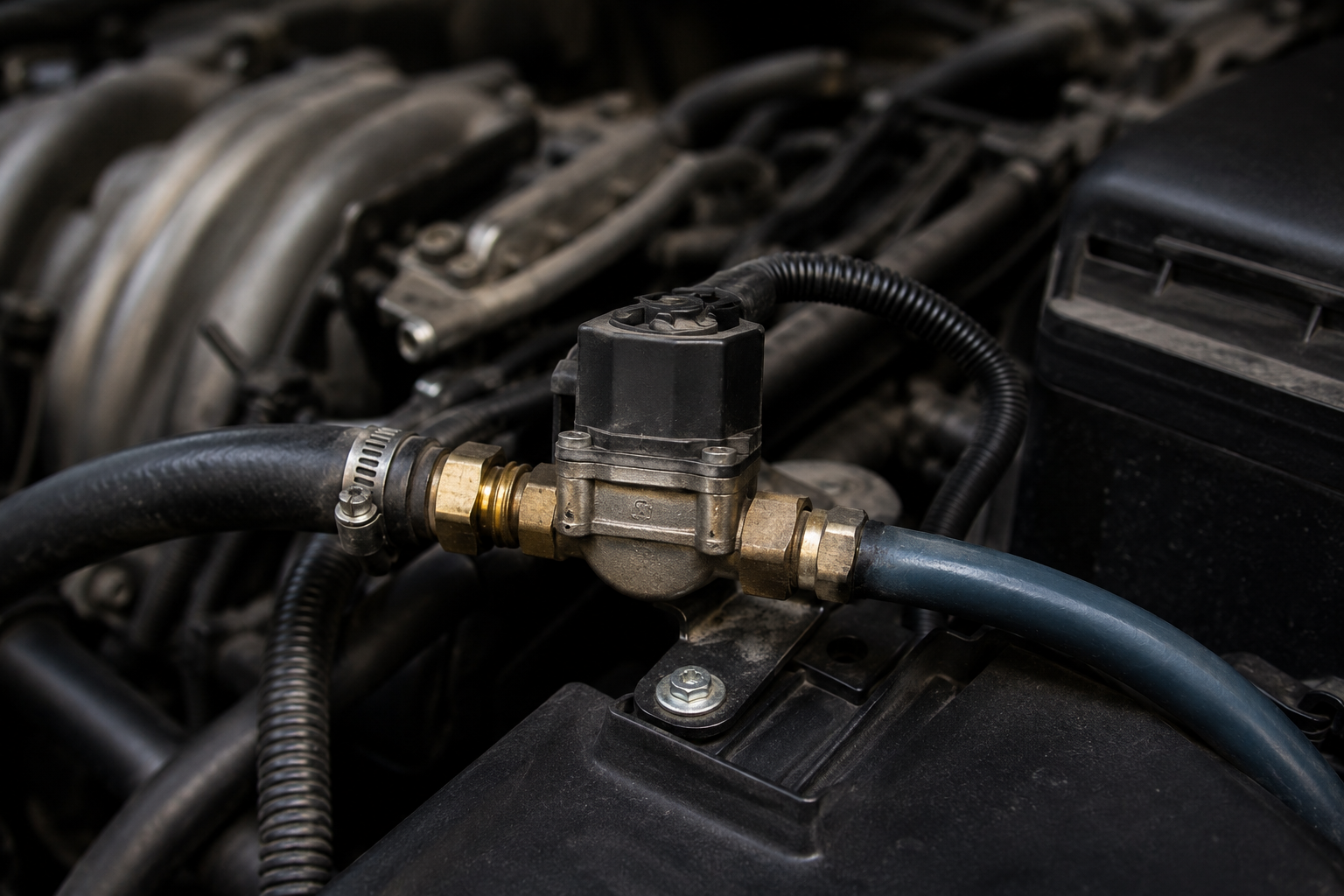
Oil on the surface of an engine does not always mean a complex repair is required. In the upper part of the engine, one of the most common sources is the valve cover. Its seal is constantly exposed to temperature changes, vibration, and engine oil, so it can lose sealing performance over time.
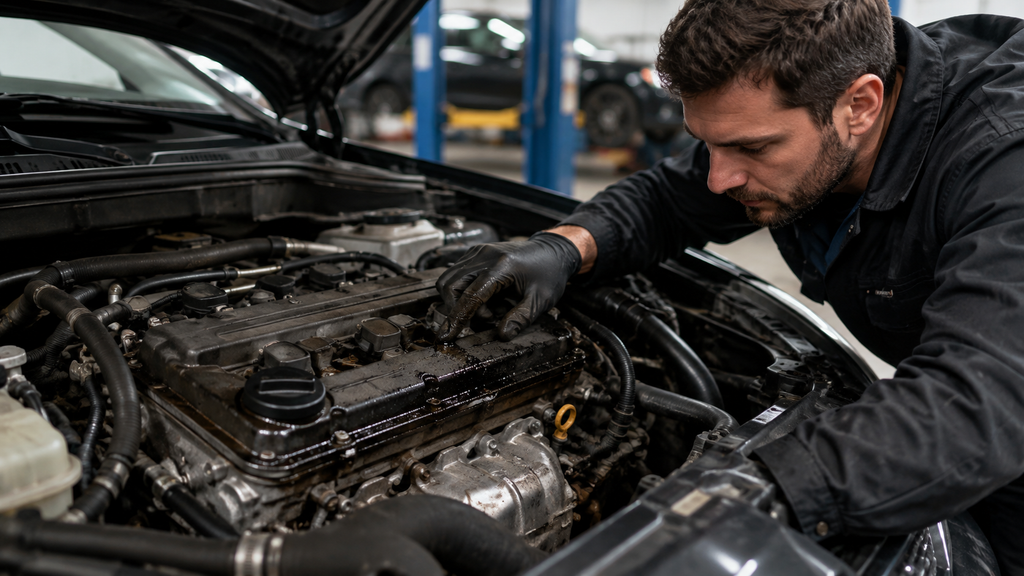
Causes of oil leaking from the valve cover may involve not only the gasket but also other nearby components. Before repair, the exact area where the oil appears should be identified because similar traces can come from different components.
Oil in the upper part of the engine may be caused by:
- a worn valve cover gasket;
- a damaged camshaft oil seal;
- a fault in the crankcase ventilation system;
- a leak from the oil-filter housing or sensors;
- damage to the cylinder-head gasket (head gasket).
Accurately identifying the source of the leak helps avoid replacing serviceable parts and ensures that repairs are carried out only where they are actually needed.
The valve cover as the main source of oil leakage
The valve cover closes the upper part of the cylinder head and protects the valve-train mechanism from external influences. A sealing element between these parts keeps oil inside the engine.
Over time, the gasket material loses elasticity. Repeated heating while the engine runs and cooling after shutdown gradually change its properties.
At first, the problem may appear as small traces of oil near the joint. Later, oil accumulates on the engine housing, reaches neighbouring components, and creates additional contamination.
On most engines, this fault does not require a complex repair, but it should not be ignored.
What a valve cover gasket leak looks like
A typical gasket leak usually begins at the upper part of the engine. Oil traces appear around the edges of the cover, near fasteners, or at housing joints.
Possible signs include:
- an oily film around the cover;
- oil traces on the engine housing;
- a burning-oil smell from oil reaching hot engine components;
- contamination around spark-plug wells on some engines.
Oil seepage on a warm engine may become more noticeable after heating because the oil becomes less viscous and passes more easily through a weakened seal.
Other oil sources near the top of the engine
Not every oil stain near the valve cover means its gasket is faulty. Other nearby components can leave similar traces.
Possible sources include:
- the camshaft oil seal, through which oil can reach the engine housing;
- oil-pressure or oil-temperature sensors;
- the oil-filter housing;
- crankcase ventilation system components.
When tracing a leak, a common question is where oil is leaking from the engine and how to identify the source without replacing unnecessary parts. The engine surface is cleaned, new traces are monitored, and the most likely leak points are checked.
The area where the camshaft oil seal is leaking should also be checked. Such a leak can gradually contaminate adjacent parts and create additional risks for the timing drive.
When oil may indicate a cylinder-head gasket problem
The cylinder-head gasket is a more complex component, but not every oil leak around the engine is related to it.
Possible signs of a cylinder-head gasket problem include:
- oil entering the coolant;
- oil appearing in the expansion tank;
- engine overheating;
- unstable engine operation;
- leak traces between the cylinder head and the engine block.
It is difficult to identify the source from a single stain alone. Accurate diagnosis requires inspection, cleaning of surfaces, and additional checks.
Why even a small leak should not be ignored
Even a small valve-cover leak gradually makes the engine compartment dirtier. Oil mixes with dust and forms oil deposits on the engine, making later inspections more difficult.
Contamination can hide new leak points and complicate diagnosis. In addition, oil reaching hot components creates an unpleasant smell and can affect nearby parts.
Repair planning takes the specific engine design and access difficulty into account. The cost of replacing the valve cover gasket is affected by engine type, gasket price, and accessibility of the installation area.
Inspecting the area where oil appears helps identify the true source and select the correct repair method. Timely repair of seepage keeps the engine clean and helps prevent additional faults from developing.
Top popular news
- Preparing a car for a long trip: checklist before departure
- Automatic climate control does not maintain the set temperature: where to look for the cause
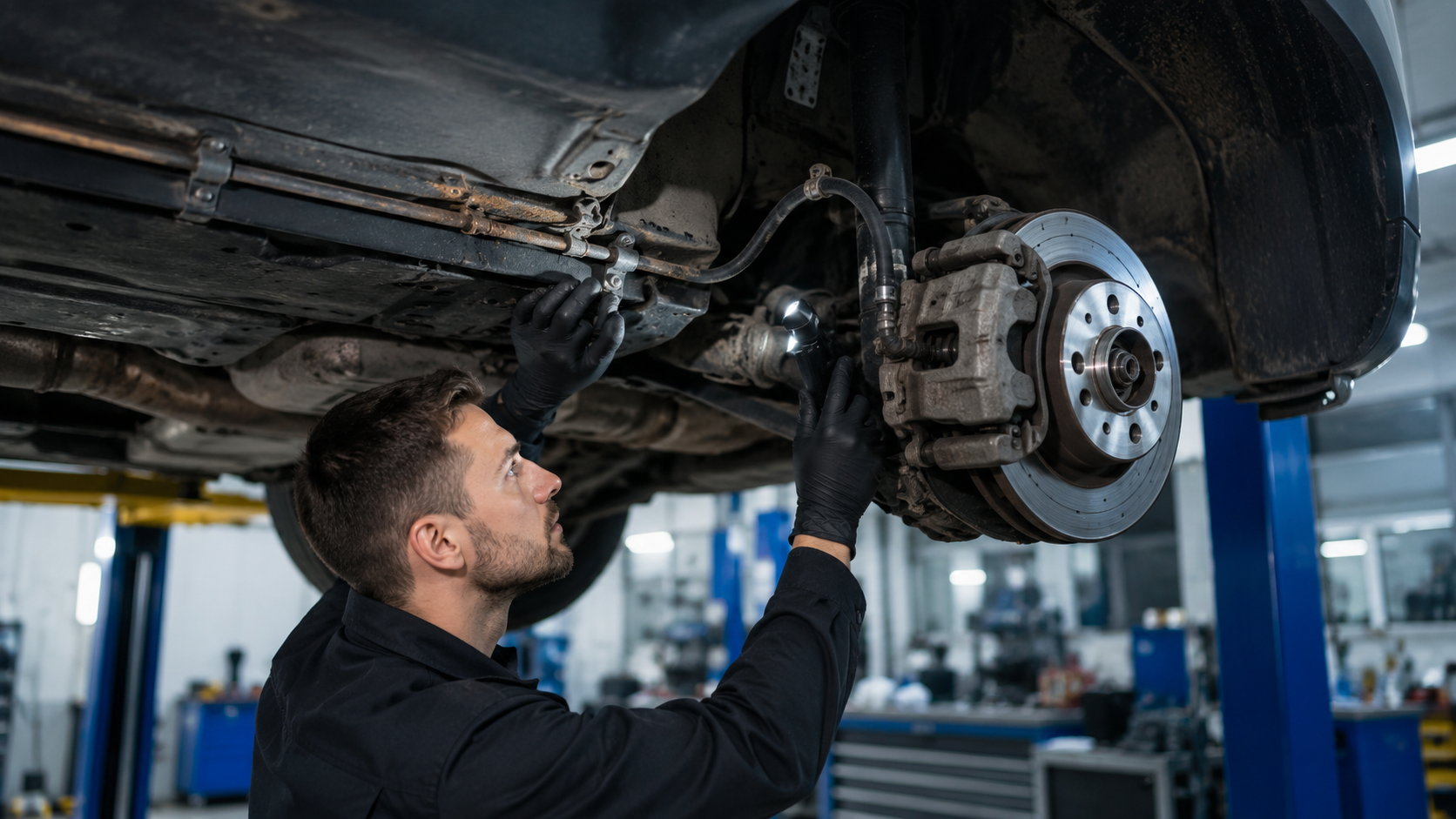
- Brake pipes and hoses: different designs with different risks
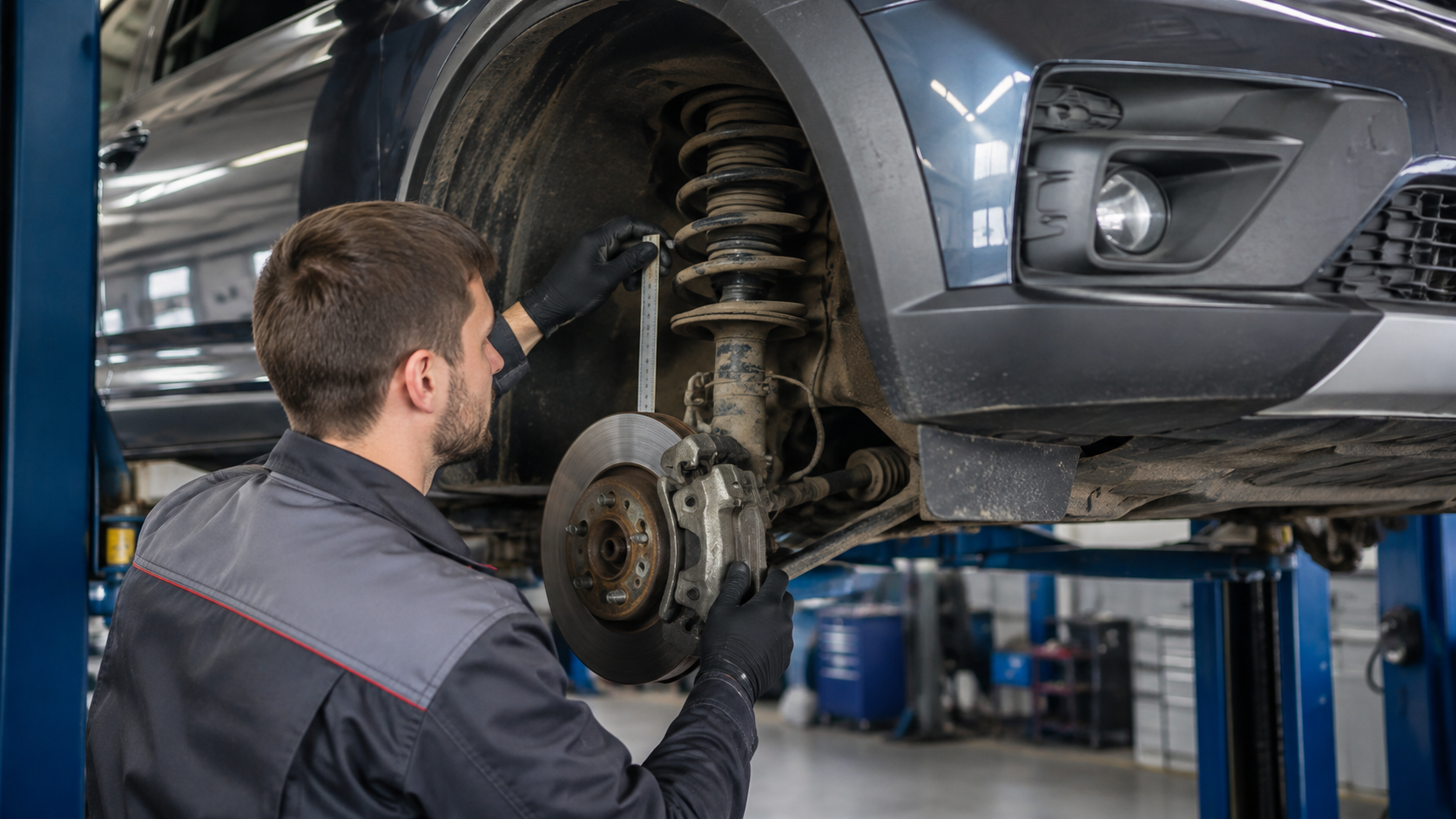
- Suspension spring sagging: gradual loss of performance without an obvious failure
- PCV crankcase ventilation valve: why a fault leads to oil leaks
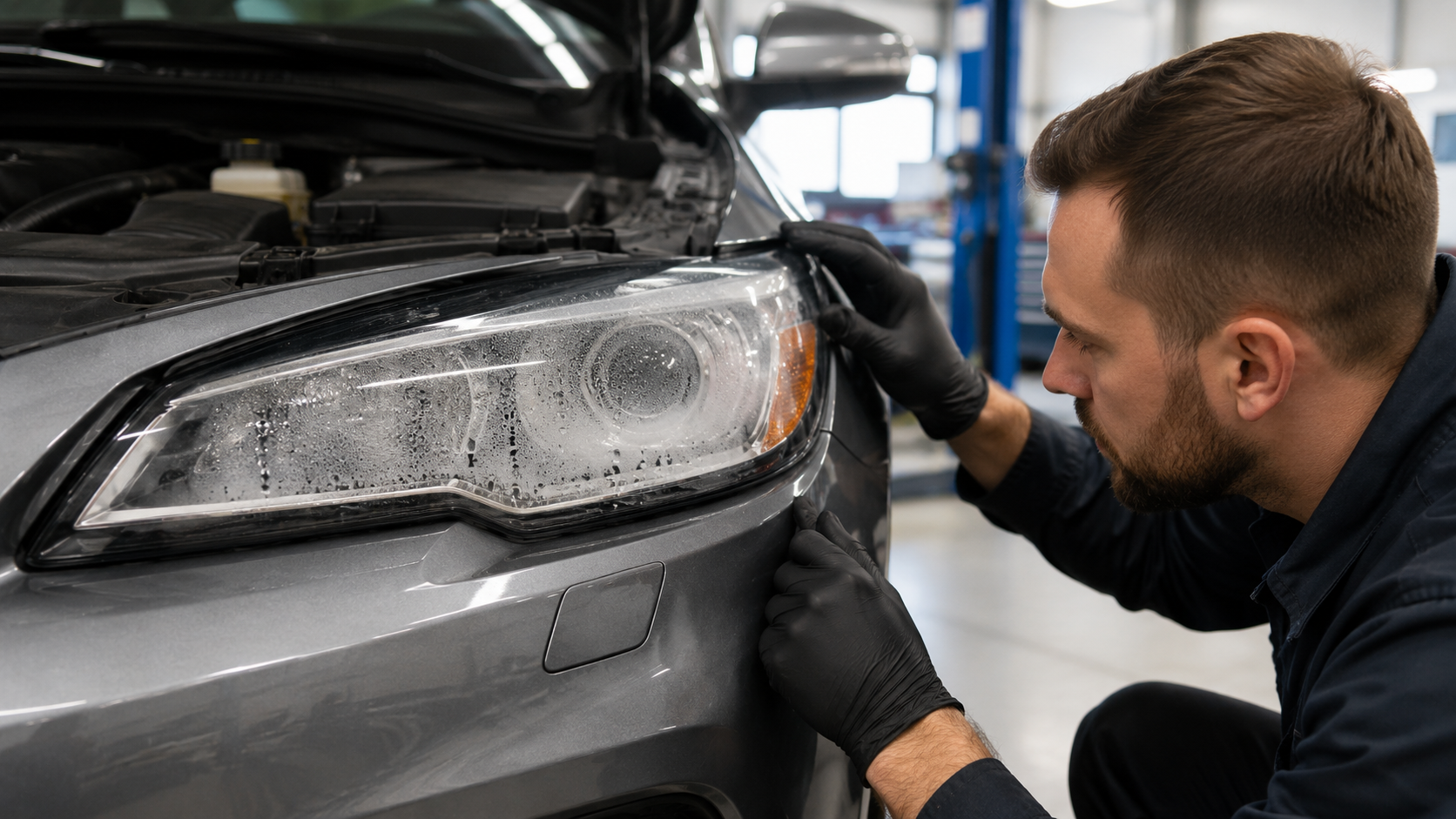
- Headlights fogging from the inside: normal condensation or a sign of housing damage
- Steering rack: hydraulic leak or electric power-steering fault – how the problem is diagnosed
- Engine air and cabin filter replacement: why urban conditions change service intervals

Subscribe to our newsletter!
To stay updated with the latest news


Book a service