Mon-Fri | 08:00 - 20:00


Find

Contact us

Kyiv
46 Kyrylivska St. (Podil)
 Мережа СТО в місті

Kyiv
46 Kyrylivska St. (Podil)
 Мережа СТО в місті

 Години роботи
 Mon-Fri
08:00 - 20:00
How to change a wheel on a car

When a puncture or tire damage occurs on the road, it is important to know how to properly replace the wheel on your car. Performing this procedure correctly will help you get back on the road safely and without unnecessary problems. In this article, we will tell you how to understand that the wheel is punctured, as well as step-by-step instructions for replacing the wheel.
How to tell if a wheel has been punctured The first sign that your wheel is punctured may be poor handling or a vibration you feel in the steering wheel. In addition, you may hear noise or feel bumps when driving. If you notice these signs, it is recommended to slow down and check the wheels for damage.
How to change a wheel
Park on the side of the road. If you notice that your wheel is punctured, it is necessary to stop as safely as possible on the side of the road. Make sure that the stopping place does not interfere with the movement of other vehicles and provides enough space for the tire change procedure.
Set up a warning triangle and get your tools ready. Before changing a wheel, you need to ensure safety. Set up a warning triangle to warn other drivers. Check that you have all the necessary tools, including a spare tire, wrench and jack.
Step by step guide on how to change a wheel
Fasten the jack. Position the jack near the punctured tire and make sure it is on a firm and level surface. If necessary, refer to your vehicle owner’s manual for the correct location for the jack.
Raise the vehicle. Rotate the jack handle to raise the vehicle until the punctured wheel is off the ground. Make sure the vehicle is securely supported by a jack.
Loosen the nuts. Using a wrench, loosen the wrench nuts on the punctured wheel, but do not remove them completely. This will make it easier to remove the wheel after lifting the vehicle.
Remove the wheel. Carefully remove the punctured wheel from the axle. Hold the wheel by the edge so as not to dirty yourself and the car.
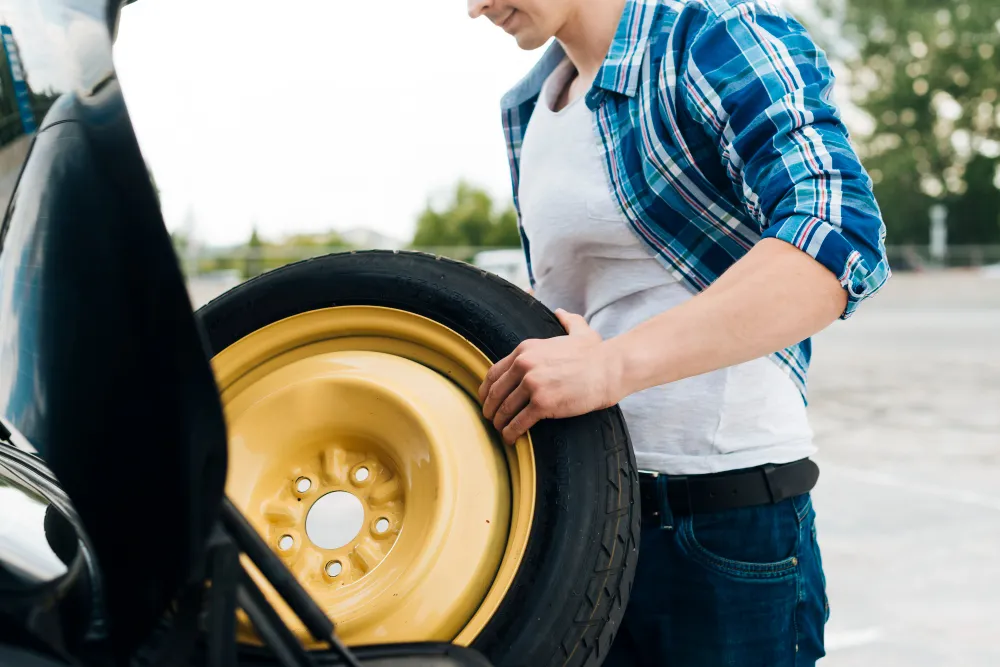
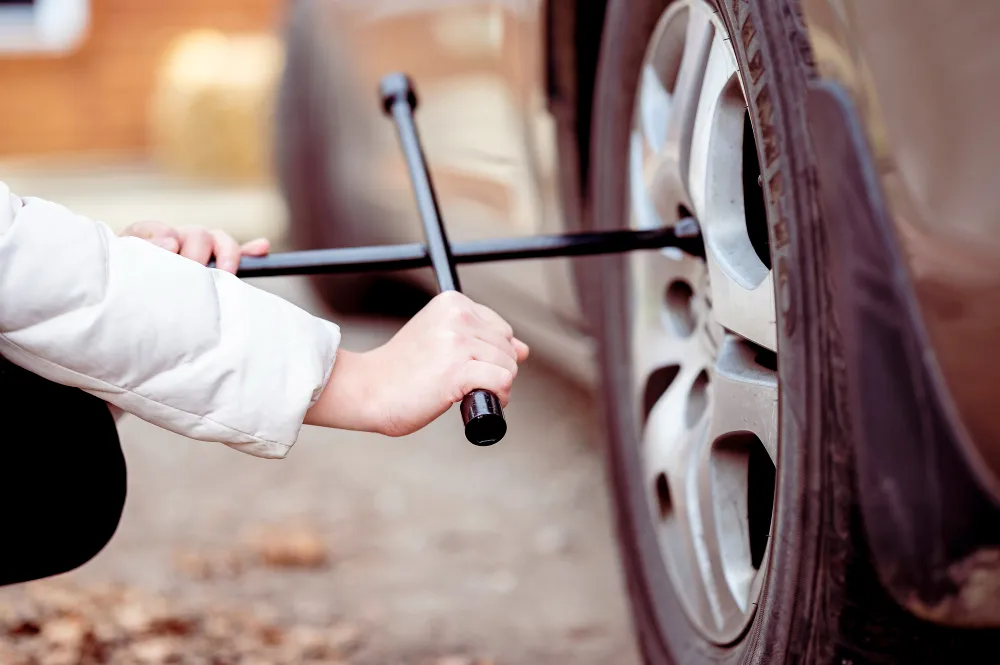
Install a spare. Install the spare tire on the vehicle axle and tighten the nut nuts by hand until they stop. Do not fully tighten them.
Lower the car. Rotate the jack handle in the opposite direction to gently lower the vehicle to the ground. Tighten the nut nuts using a wrench in a cross pattern. This will help ensure that the load is evenly distributed.
Check the spare. Make sure the spare is installed securely and securely. Check the pressure in the spare tire and, if necessary, inflate it to the recommended level.
Dokatka It is important to remember that the spare tire is not intended for long-term use. It serves as a temporary solution to get to the nearest auto repair shop or gas station. After installing the spare tire, it is recommended to contact a specialist to repair or replace the damaged wheel.
Remember to regularly check and maintain proper tire pressure. Too little or too much pressure can damage the wheel and reduce vehicle control. Check tire pressure regularly with a pressure gauge and inflate or bleed air as needed.
It is also important to be able to properly store and maintain the spare tire. Check its condition periodically, especially before long trips. Make sure the spare tire is in good condition and has sufficient pressure. If the spare is old or damaged, replace it with a new one.
Changing a tire on a car is an important skill that will help you avoid problems and stay safe on the road. Remember that it is important to stop on a safe shoulder and take all necessary steps to ensure the safety of you and other road users before performing a tire change procedure. When in doubt or need assistance, always contact a professional or emergency service. Obey traffic rules and be responsible drivers.
Top popular news
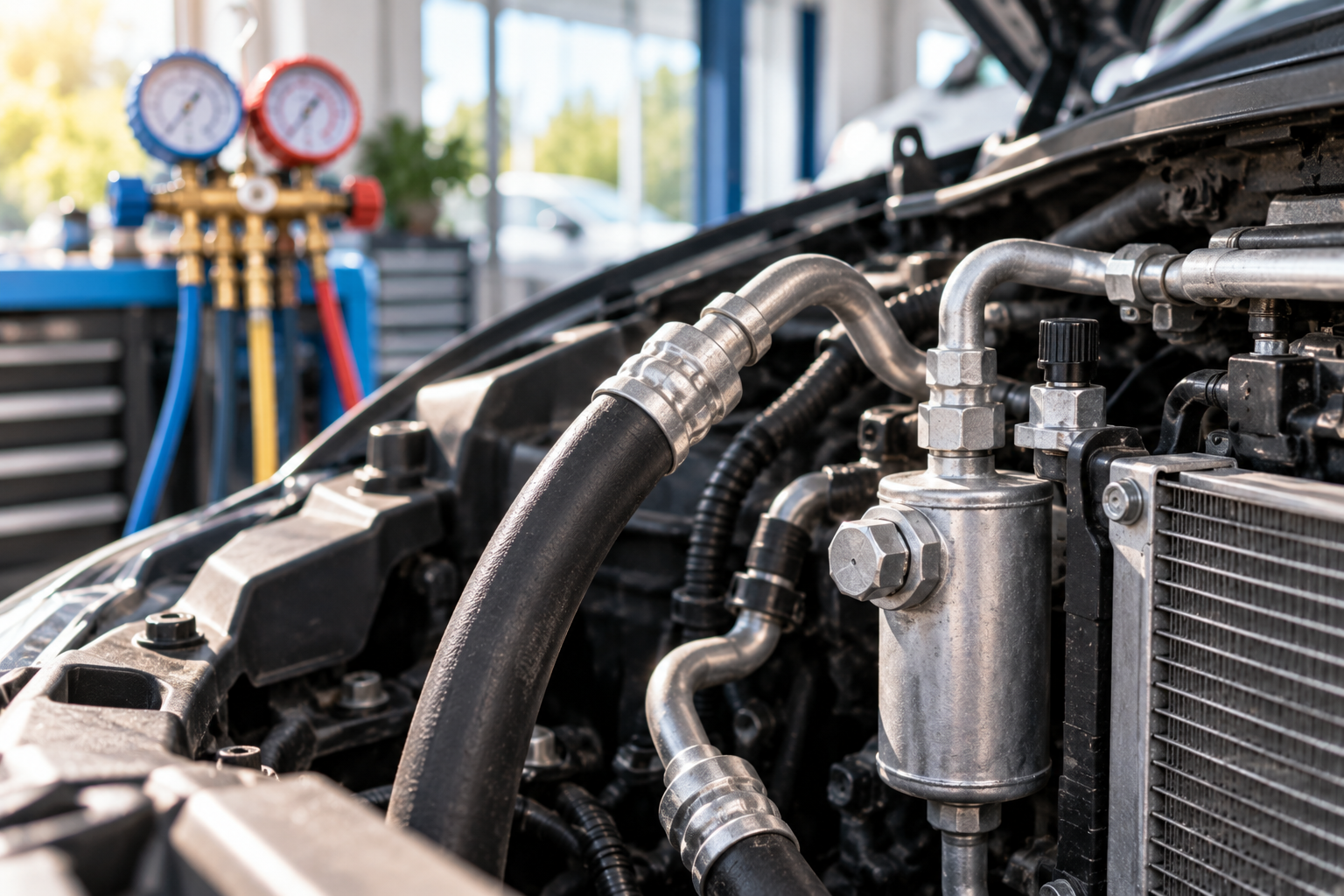
- Air Conditioner Losing Refrigerant Without Visible Damage: Causes and Solutions
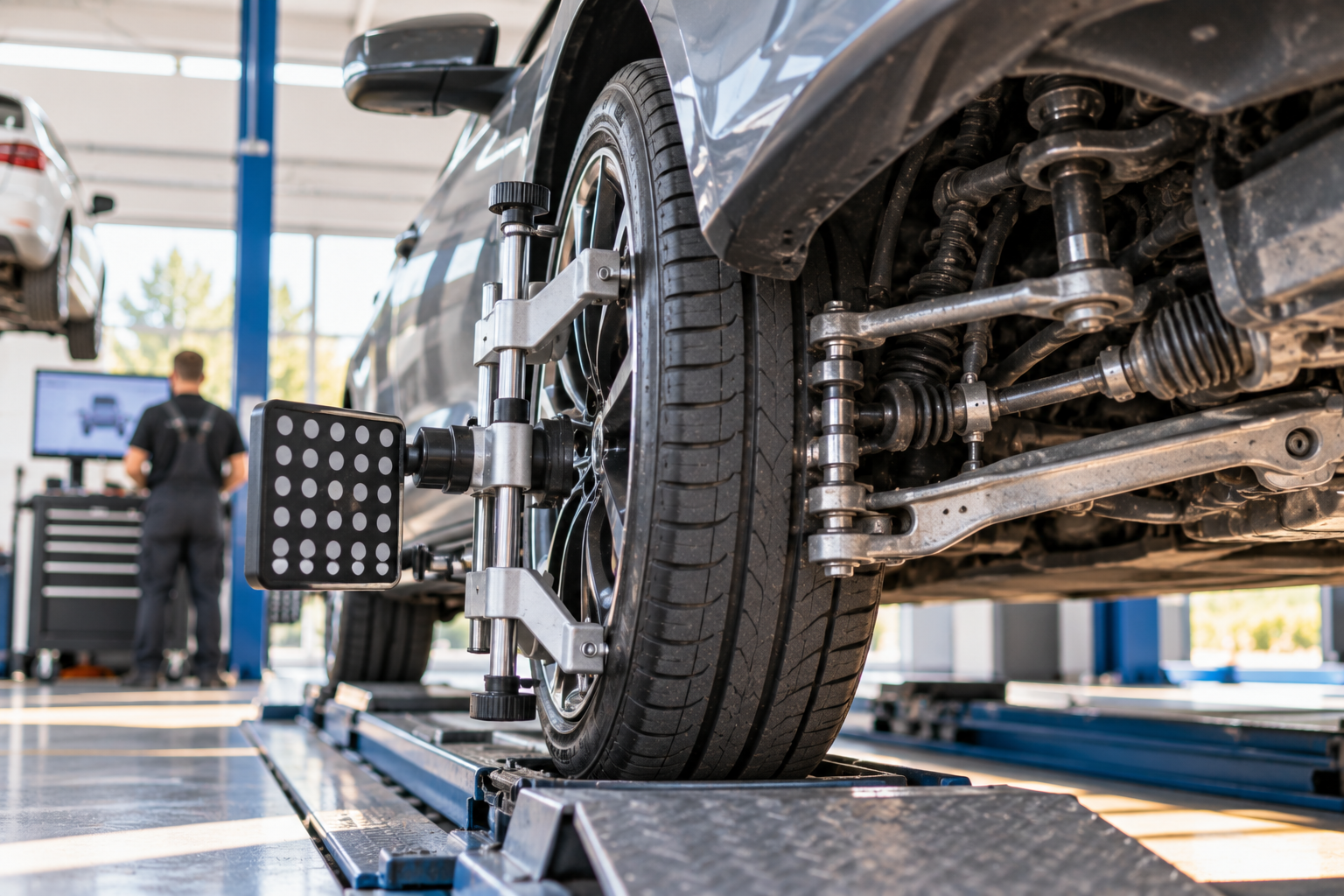
- Why Wheel Alignment Goes Out After Adjustment: It Is Not Always the Alignment Rack
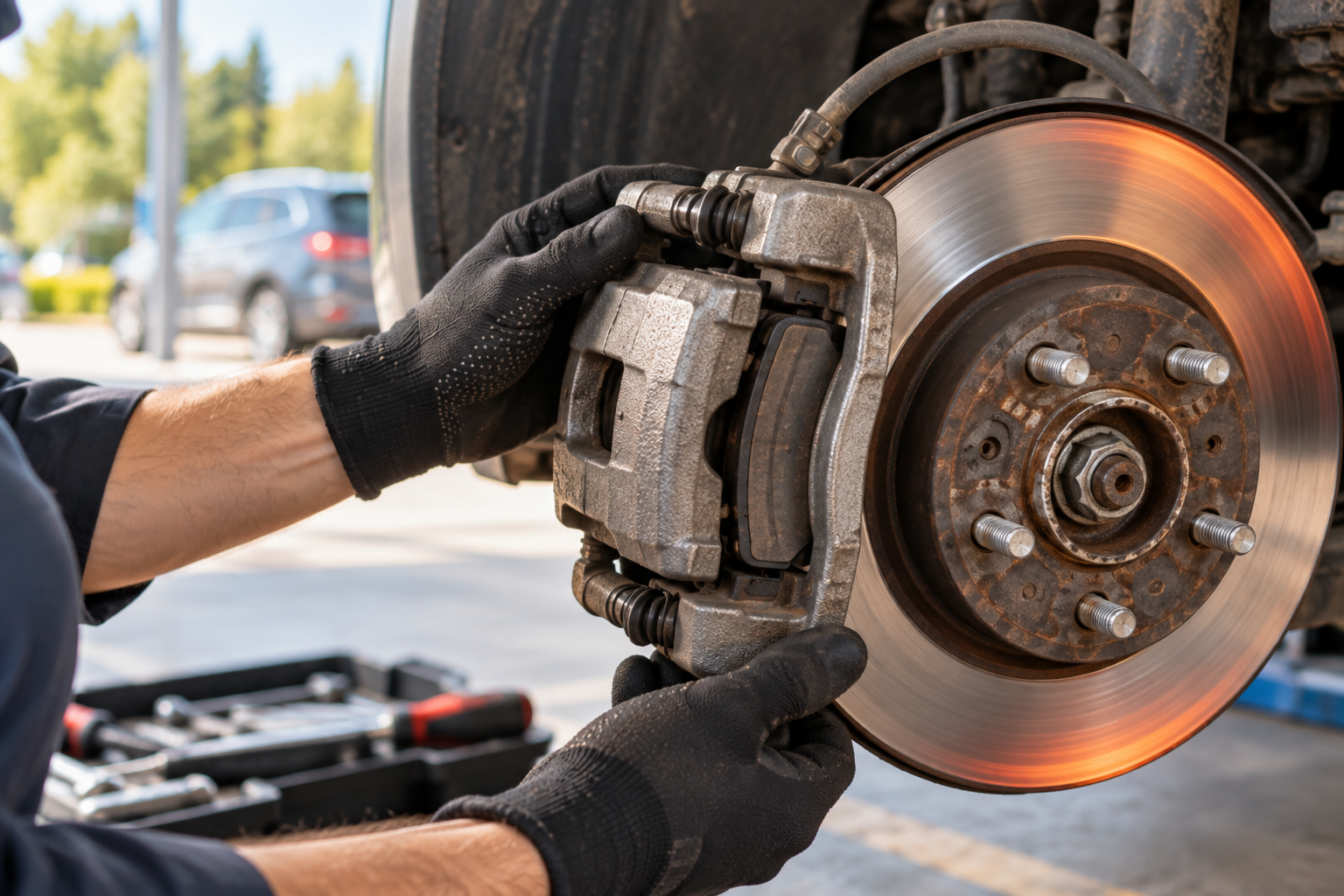
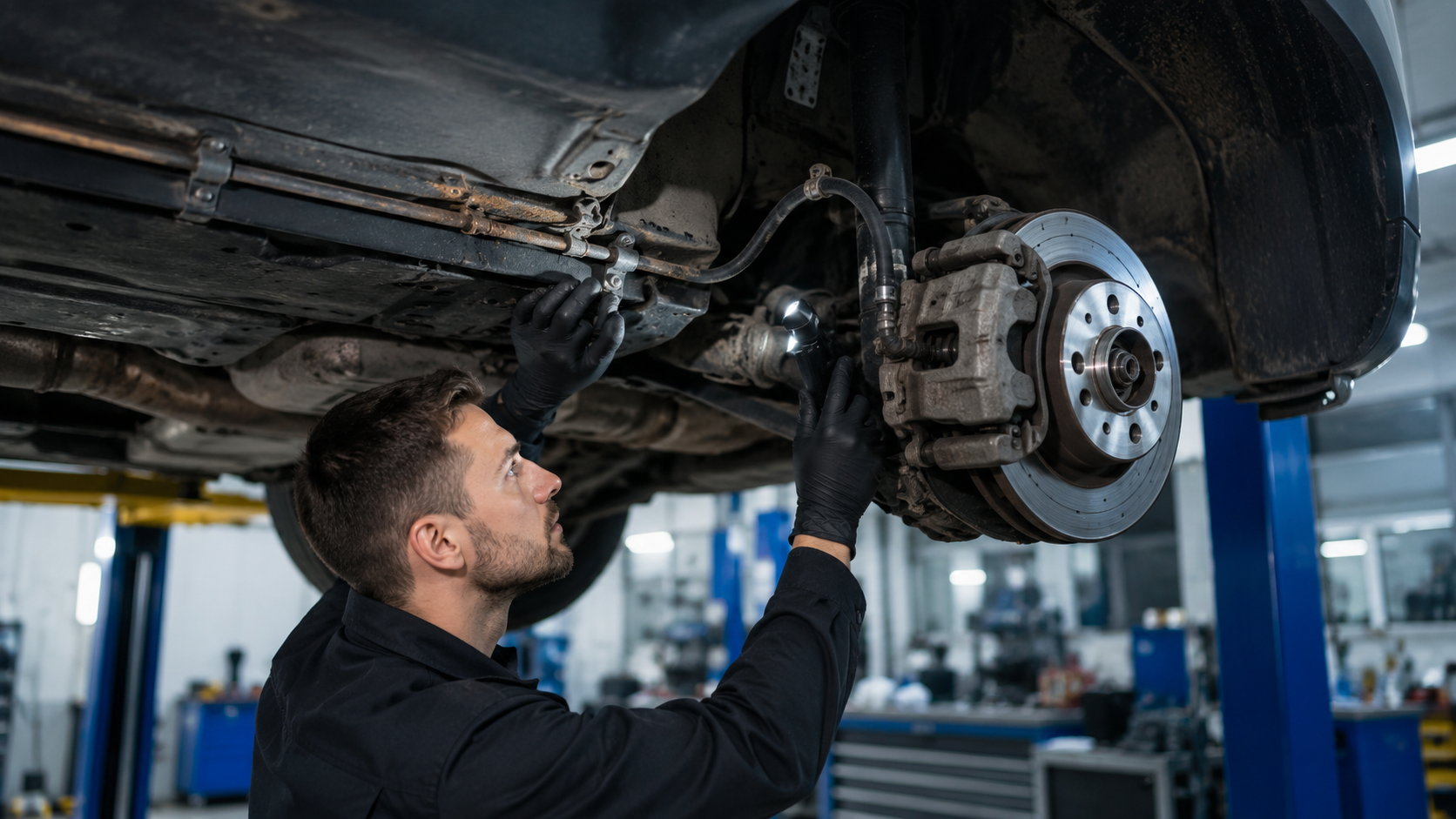
- Seized Brake Caliper: Symptoms, Causes, and Repair
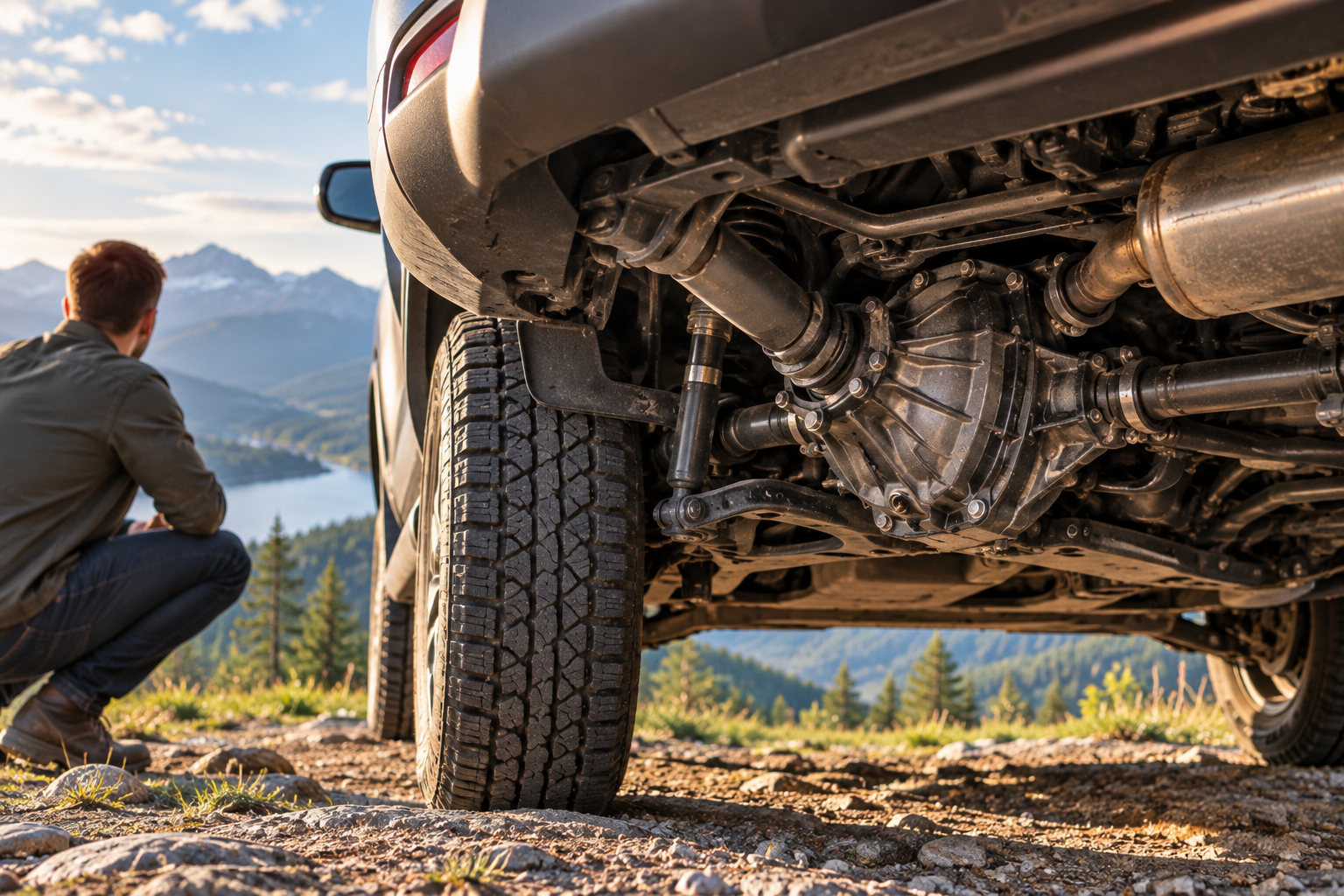
- Changing the Oil in an AWD Differential: Why This Component Is Often Forgotten
- Check Engine Light Flashing: What the Signal Means and Why You Should Not Ignore It
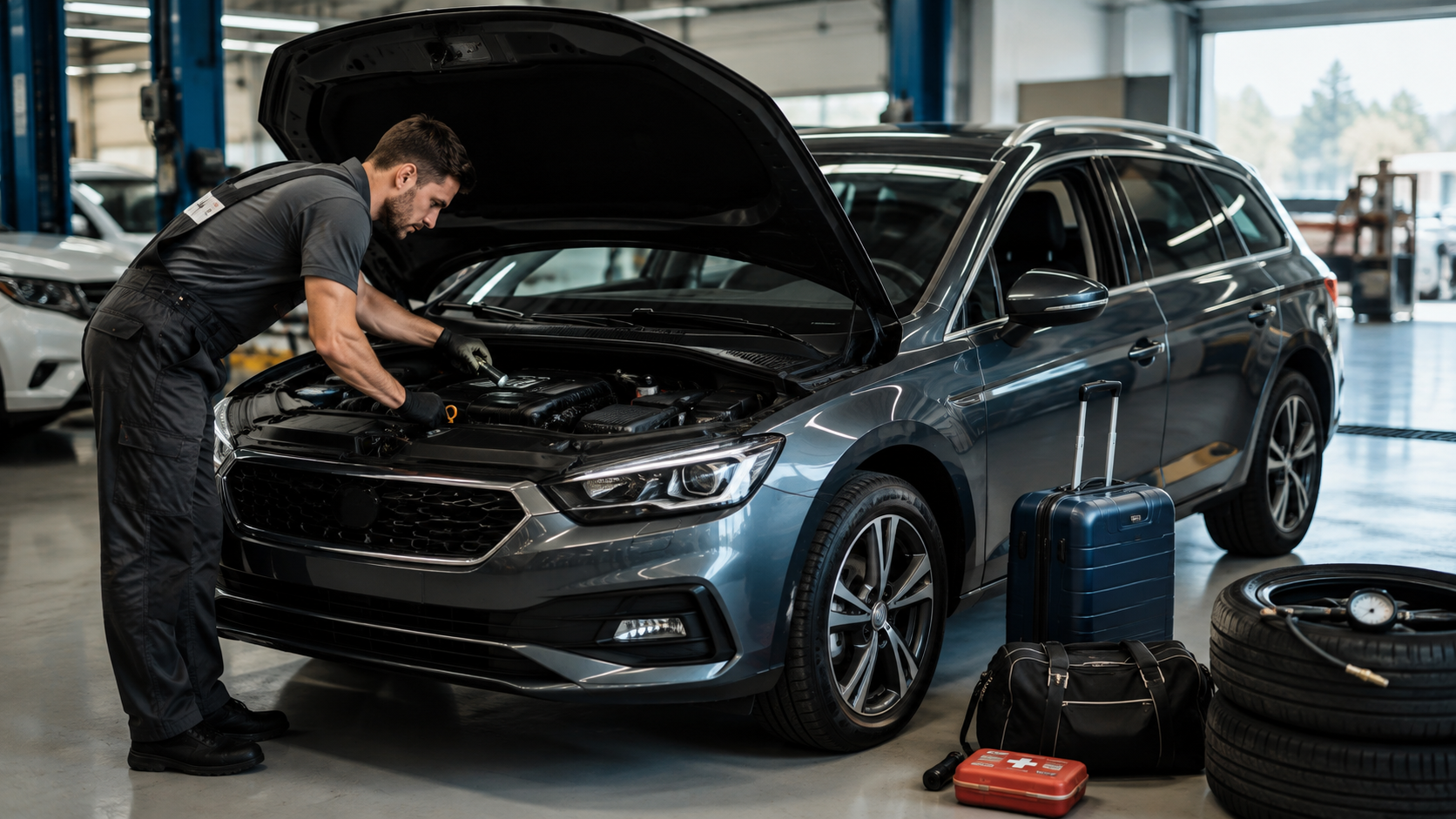
- Preparing a car for a long trip: checklist before departure
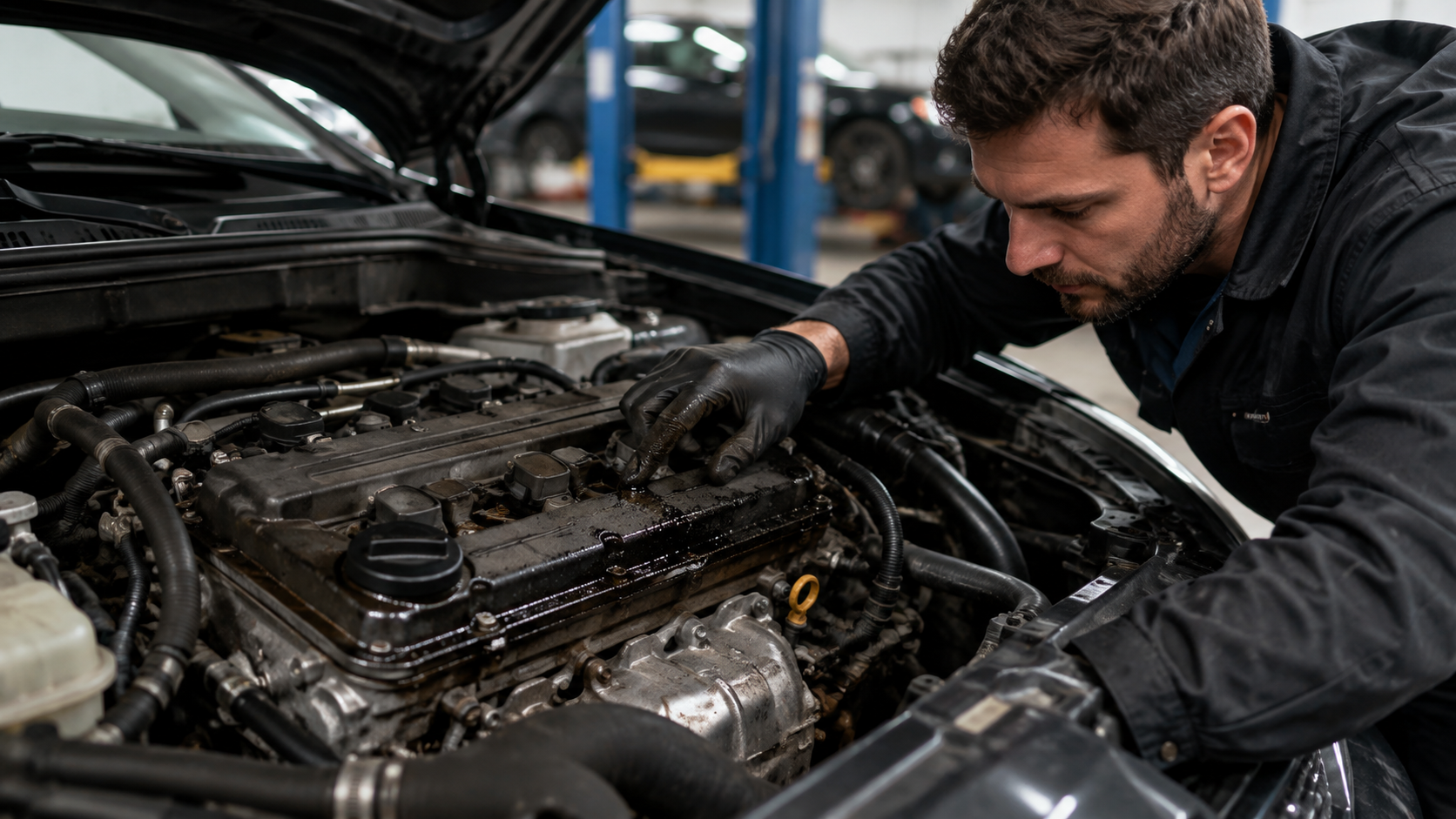
- Oil leaking from the valve cover: causes of seepage and finding the source of the problem
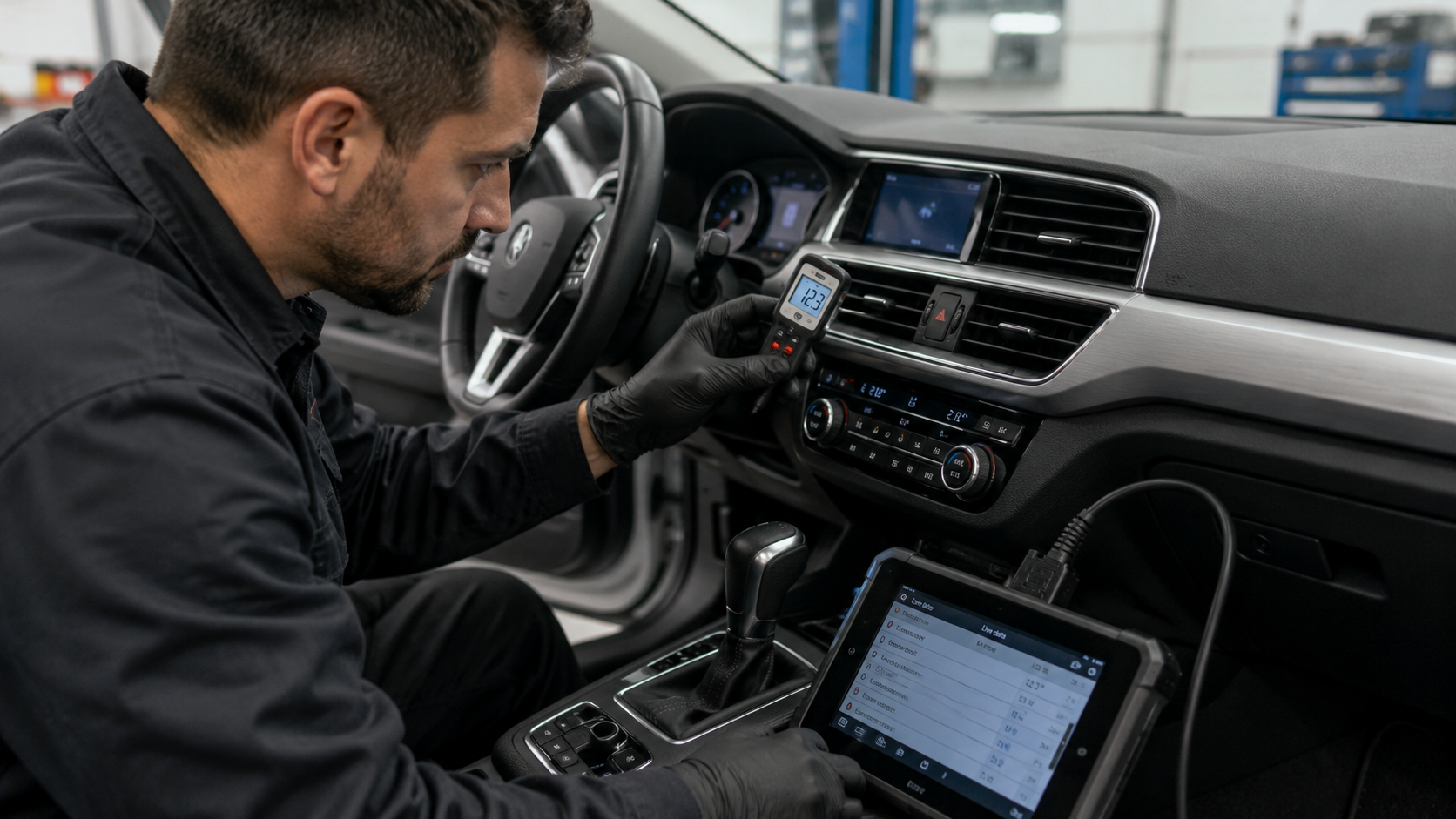
- Automatic climate control does not maintain the set temperature: where to look for the cause

Subscribe to our newsletter!
To stay updated with the latest news


Book a service