Mon-Fri | 08:00 - 20:00


Find

Contact us

Kyiv
46 Kyrylivska St. (Podil)
 Мережа СТО в місті

Kyiv
46 Kyrylivska St. (Podil)
 Мережа СТО в місті

 Години роботи
 Mon-Fri
08:00 - 20:00
Faulty car sensors: how to detect and what to do
The role of sensors in modern cars

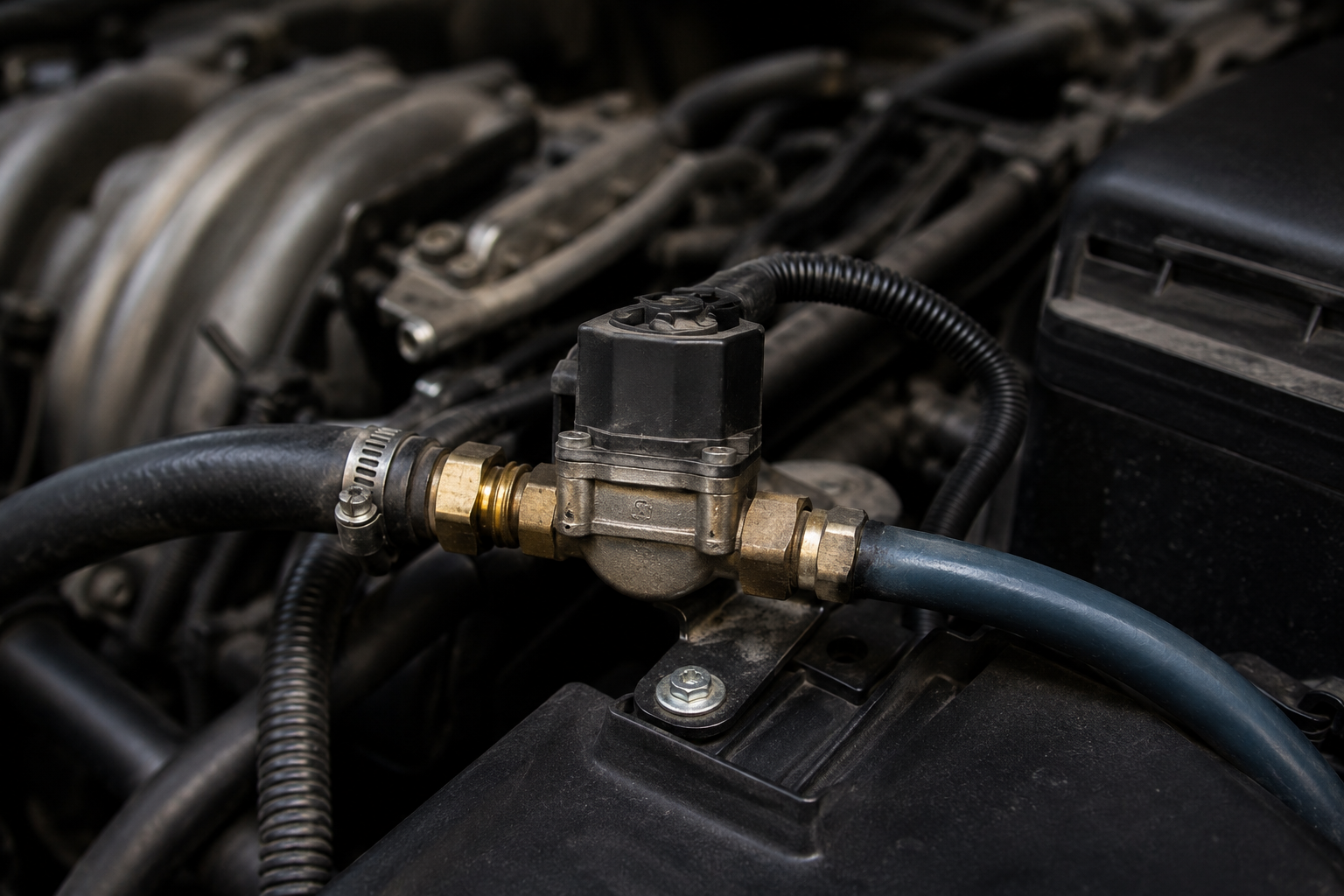
Sensors in a car act as the “eyes” and “ears” for electronic systems. They monitor the operation of the engine, ignition system, fuel system, transmission and other components. Signals from the sensors are sent to the engine control unit, which regulates fuel supply, ignition timing, cooling fan operation and other important parameters. When faulty car sensors fail, engine errors occur, dynamics decrease, fuel consumption increases and handling deteriorates. Timely detection of the problem allows you to avoid serious breakdowns and dangers on the road.
Sensors are interconnected with the car’s electronic systems. For example, incorrect data from the oxygen sensor affects the operation of the catalyst and spark plugs, and a malfunction of the crankshaft sensor can lead to unstable operation of the ignition system and even engine failure while driving. Because of this, even a small malfunction can have serious consequences, so it is important to recognize the signs of a problem at an early stage.
Which sensors fail most often?
Among the electronic components, the most common ones to fail are oxygen, crankshaft, engine temperature, mass air flow, and throttle position sensors.
- The oxygen sensor controls the air-fuel ratio. Its malfunction leads to improper combustion, increased fuel consumption and the appearance of black smoke from the exhaust pipe.
- The crankshaft sensor is responsible for synchronizing the fuel supply and ignition timing. Problems with this sensor can cause engine failures, jerks during acceleration or the inability to start.
- The engine temperature sensor regulates the operation of the cooling system. Malfunctions lead to overheating or incorrect activation of the fan, which can cause serious damage to components.
- The mass air flow sensor determines the volume of air entering the engine. Its malfunction affects the dynamics and power of the car, reduces engine efficiency and can increase fuel consumption.
- The throttle valve sensor monitors the position of the accelerator pedal and regulates the fuel supply. If it malfunctions, the engine runs unevenly, there are delays during acceleration.
Causes of sensor failure include physical wear, contact corrosion, overheating, mechanical damage, moisture, and temperature extremes. Often, problems arise due to worn wiring, contamination, or improper sensor installation during repair. High-mileage vehicles are particularly susceptible to electronic circuit failures.
How sensor malfunctions manifest themselves
Signs of faulty sensors are manifested through the behavior of the engine and vehicle:
- unstable idle speed;
- the car accelerates poorly, the engine does not pull;
- increased fuel consumption;
- problems with starting the engine;
- error codes on the instrument panel;
- jerks or delays in responding to the accelerator pedal;
- unpredictable operation of the cooling fan.
For example, if a car suddenly loses power during acceleration, this may indicate a malfunction of the oxygen sensor or crankshaft. Uneven idling and interruptions indicate problems with the mass air flow sensor or throttle valve. Increased fuel consumption for no apparent reason often indicates a faulty oxygen sensor or engine temperature sensor. Undetected problems can lead to additional wear of parts, malfunction of the catalytic converter and spark plugs, as well as overloading the car’s electronic systems. Therefore, it is important to react to the first signs of a malfunction and not postpone the inspection.
Why computer diagnostics are important
Computer diagnostics allows you to quickly identify a faulty sensor, read the exact error code from the engine control unit and assess the condition of the electrical circuits. This reduces the risk of incorrect repairs and saves time. Even without special equipment, the driver can notice the car’s sensors symptoms: unstable engine operation, jerks during acceleration, increased fuel consumption.
Regular diagnostics also allows you to assess the operation of safety systems such as ABS, ESP and stabilization control systems. Timely replacement of faulty sensors ensures stable engine operation, fuel economy, durability of components and safety of the driver and passengers on the road.
Top popular news
- Preparing a car for a long trip: checklist before departure
- Oil leaking from the valve cover: causes of seepage and finding the source of the problem
- Automatic climate control does not maintain the set temperature: where to look for the cause
- Brake pipes and hoses: different designs with different risks
- Suspension spring sagging: gradual loss of performance without an obvious failure
- PCV crankcase ventilation valve: why a fault leads to oil leaks
- Headlights fogging from the inside: normal condensation or a sign of housing damage
- Steering rack: hydraulic leak or electric power-steering fault – how the problem is diagnosed

Subscribe to our newsletter!
To stay updated with the latest news


Book a service