Mon-Sut | 09:00 - 19:00


Find

Contact us

Kyiv
18 Teplovozna Street (Poznyaki)
 Мережа СТО в місті

Kyiv
18 Teplovozna Street (Poznyaki)
 Мережа СТО в місті

 Години роботи
 Mon-Sut
09:00 - 19:00


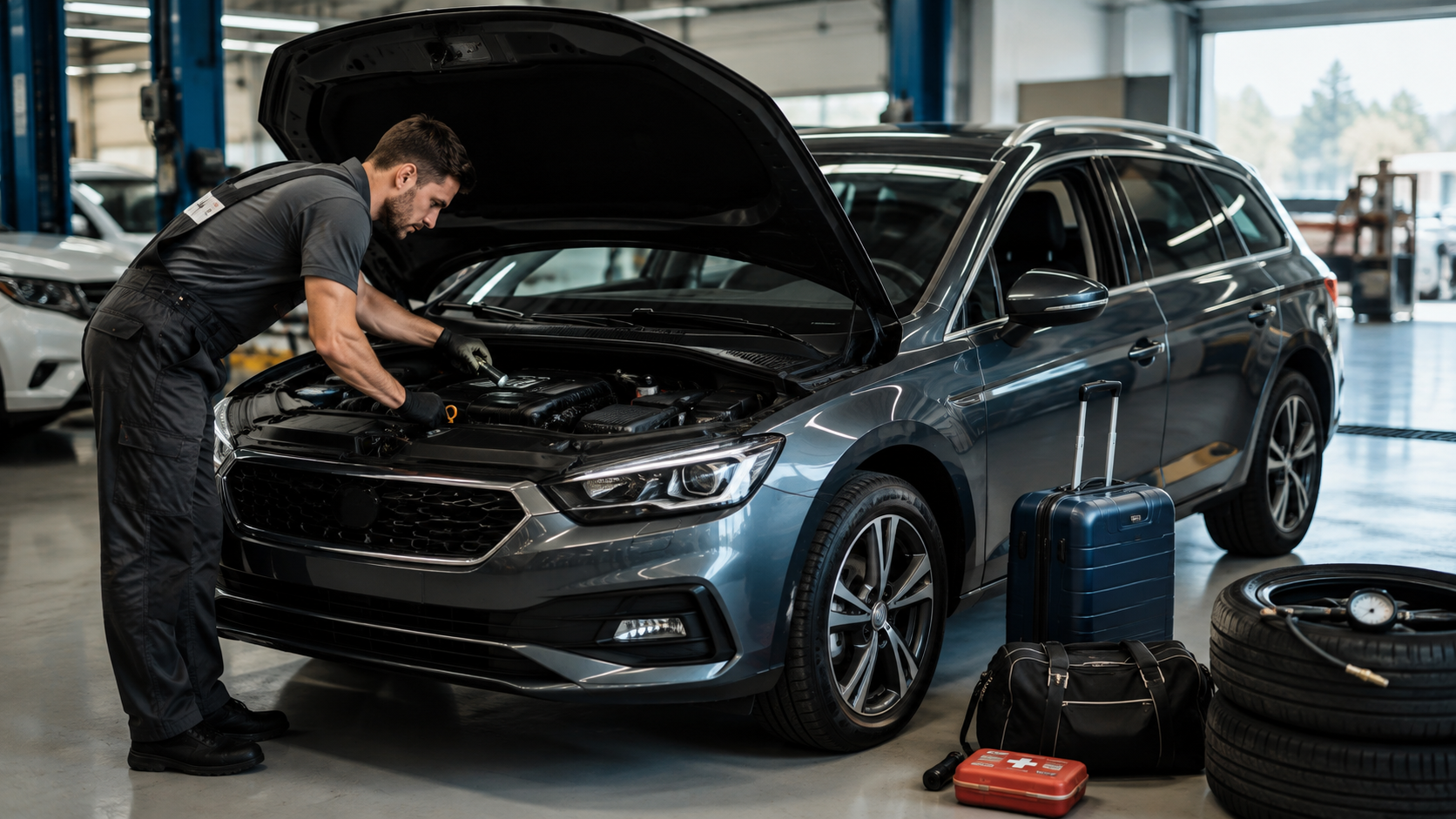
Storing a car without operation: how to prepare a car for long downtime
Why Long-Term Vehicle Storage Without Driving Can Sometimes Harm Car Mechanisms More Than Daily Use
Many owners are convinced that a vehicle parked in a garage or parking lot does not wear out. In reality, long-term vehicle storage without use also places stress on certain components and systems. While the car is not being used, the battery loses charge, technical fluids undergo natural aging processes, and corrosion may develop on metal parts.
Problems often arise after several months of inactivity. The owner returns from a business trip or vacation and discovers a discharged battery, traces of rust on brake components, or deformed tires. That is why proper preparation for long-term storage helps avoid unnecessary expenses and unpleasant surprises when the vehicle is returned to service.
Fuel System and Engine: Why You Should Fill the Fuel Tank Completely and When to Change the Oil Before “Hibernation”
One of the most common questions among drivers is whether gasoline deteriorates in the tank during a long period of inactivity. Fuel does gradually lose some of its properties, especially if the vehicle sits unused for several months. However, an even bigger issue can be the formation of condensation.
When the fuel tank is only partially filled, a significant volume of air remains inside. Temperature fluctuations promote the formation of moisture condensation, which settles on the inner walls of the tank. Over time, this can negatively affect the fuel system and accelerate corrosion processes.
Before a long period of storage, it is advisable to:
- fill the fuel tank completely;
- check the engine oil level;
- evaluate the oil’s service life before storage;
- eliminate any existing fluid leaks.
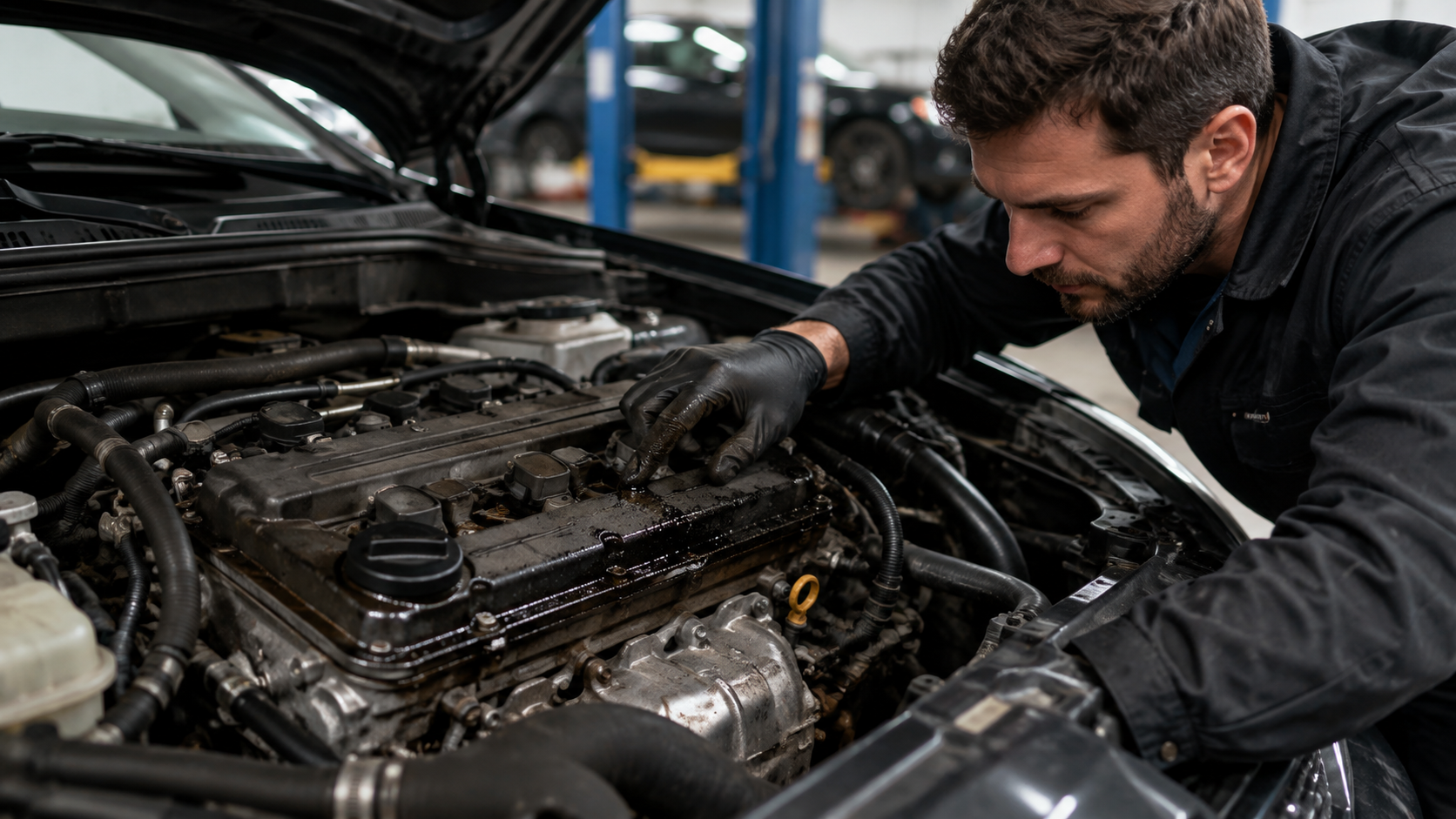
If only a short interval remains before the scheduled engine oil change, it is advisable to perform the service before the vehicle is stored. Old oil may contain wear particles and contaminants that should not remain inside the engine for several months.
Electrical System and Brakes: Should You Disconnect the Battery Terminals and Why You Should Never Leave the Vehicle on the Parking Brake for Several Months
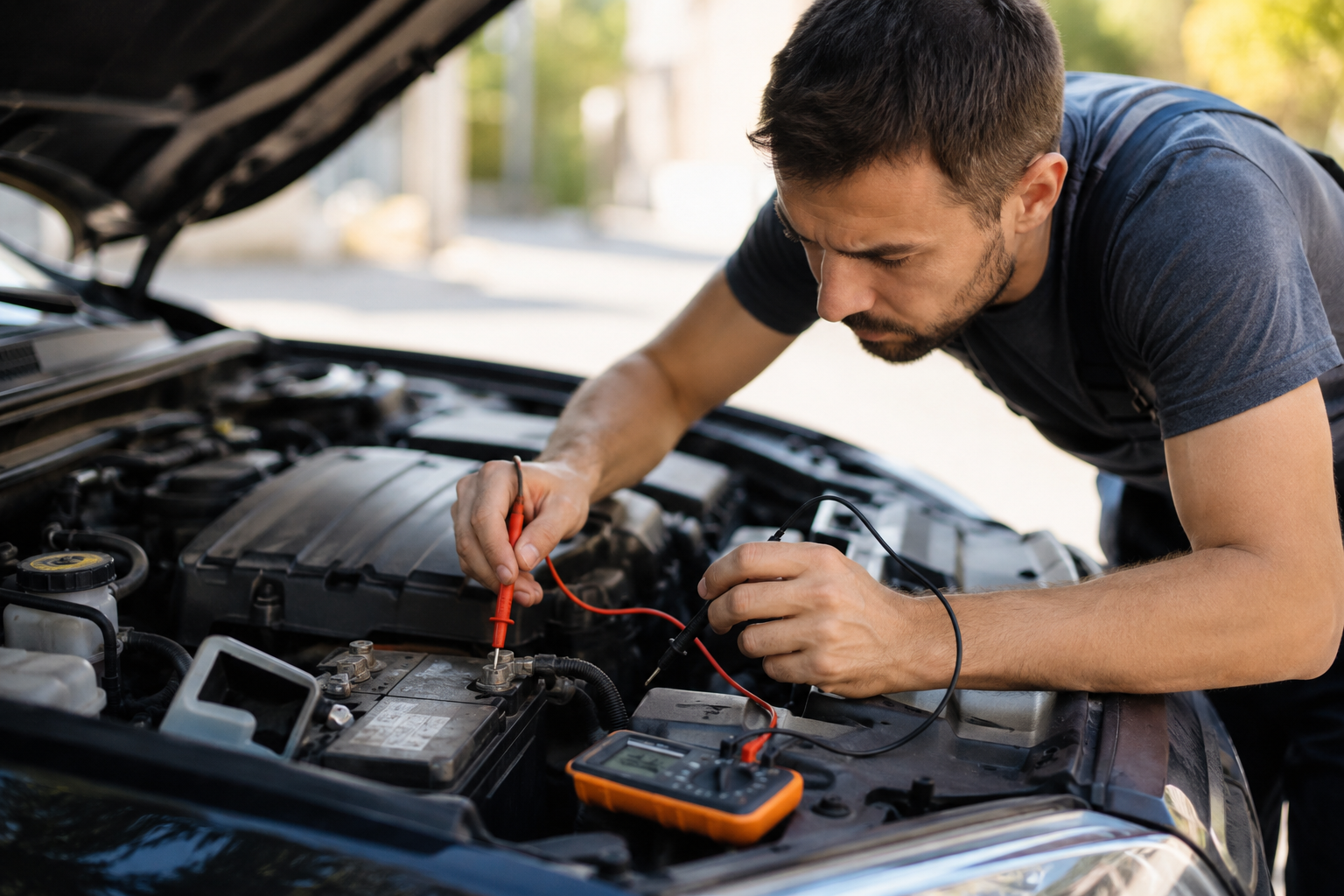
Even when switched off, a vehicle continues to consume electrical power. The clock, control modules, alarm system, and other systems gradually use battery charge. As a result, battery discharge remains one of the most common issues after long-term storage.
If a vehicle remains parked for a long time without the engine being started, the battery may lose a significant portion of its charge. For long-term storage, it is advisable to disconnect the negative terminal or use a battery maintenance charger.
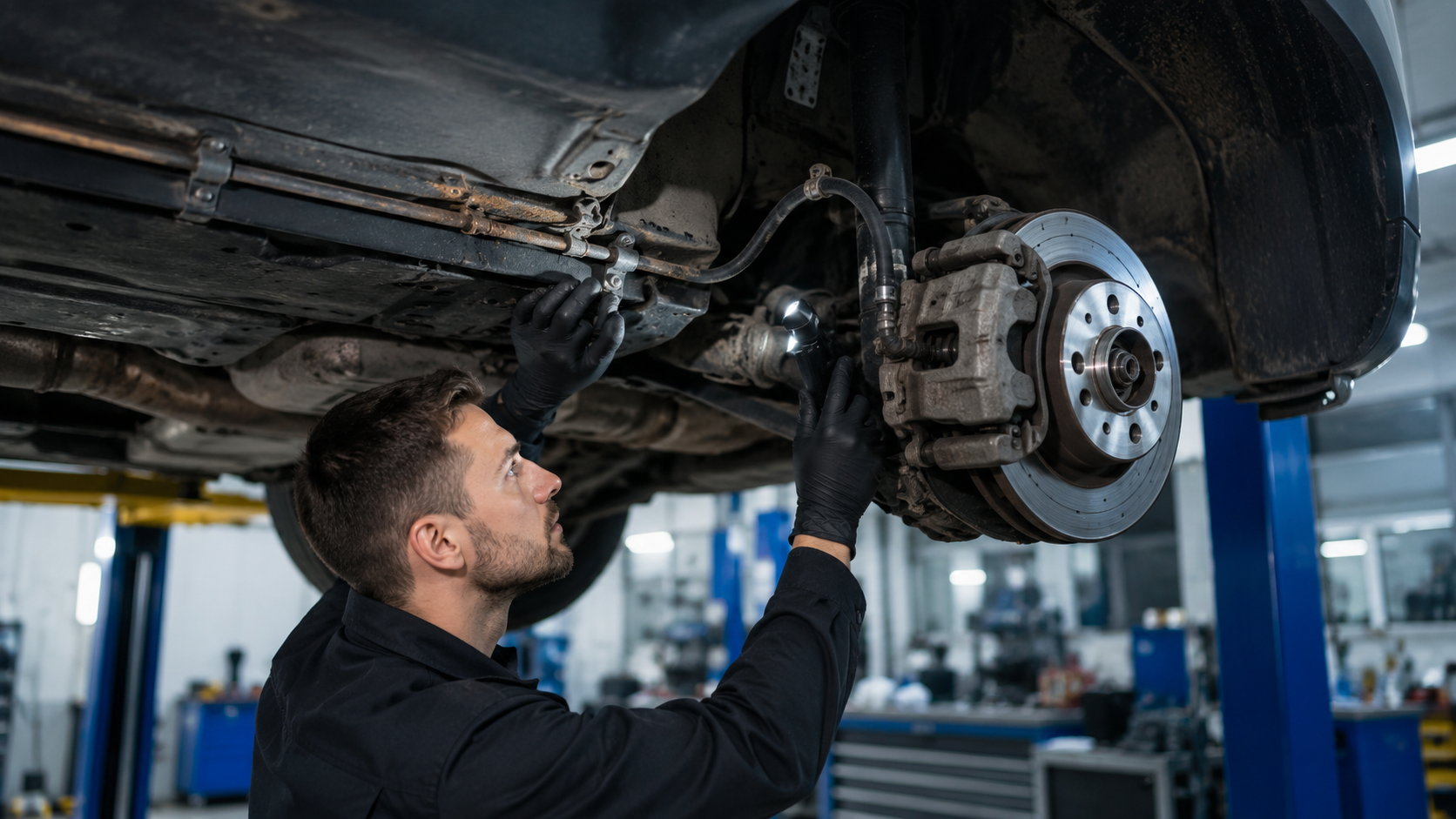
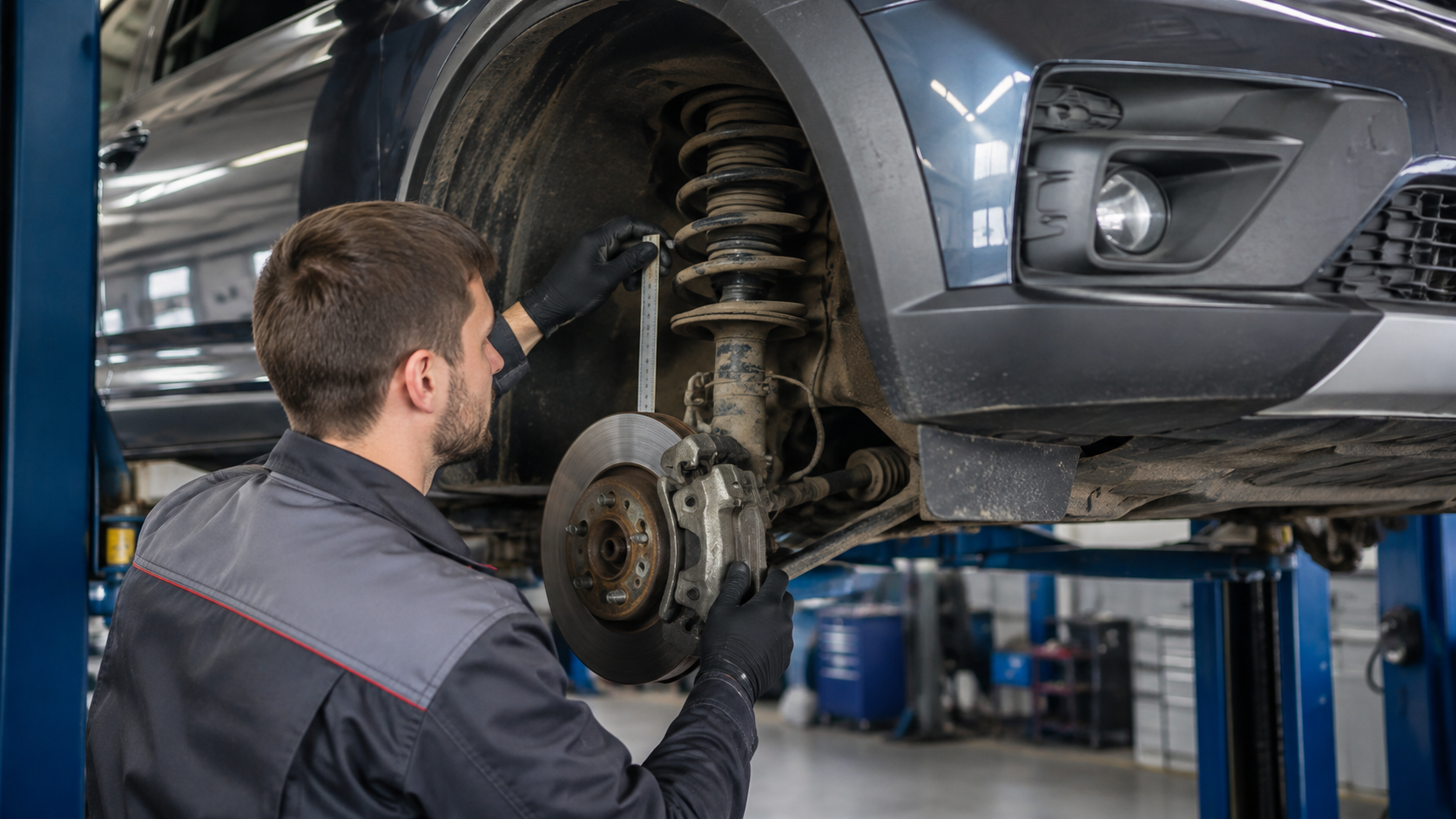
It is equally important to properly prepare the braking system. Many drivers wonder whether brake discs rust while the vehicle is parked. A surface layer of corrosion can indeed appear after only a few days without movement, especially in a humid environment or during seasonal temperature fluctuations.
An additional risk arises if the vehicle remains parked with the parking brake engaged for an extended period. Under the influence of moisture, corrosion deposits may form between the brake disc and pad, causing the brake pads to literally stick to the disc surface.
Possible consequences include:
- seized brake pads;
- difficulty releasing the wheels;
- damage to brake system components;
- uneven brake performance after returning the vehicle to service.
For long-term storage, it is safer to leave the vehicle in gear or use wheel chocks instead of keeping the parking brake engaged.
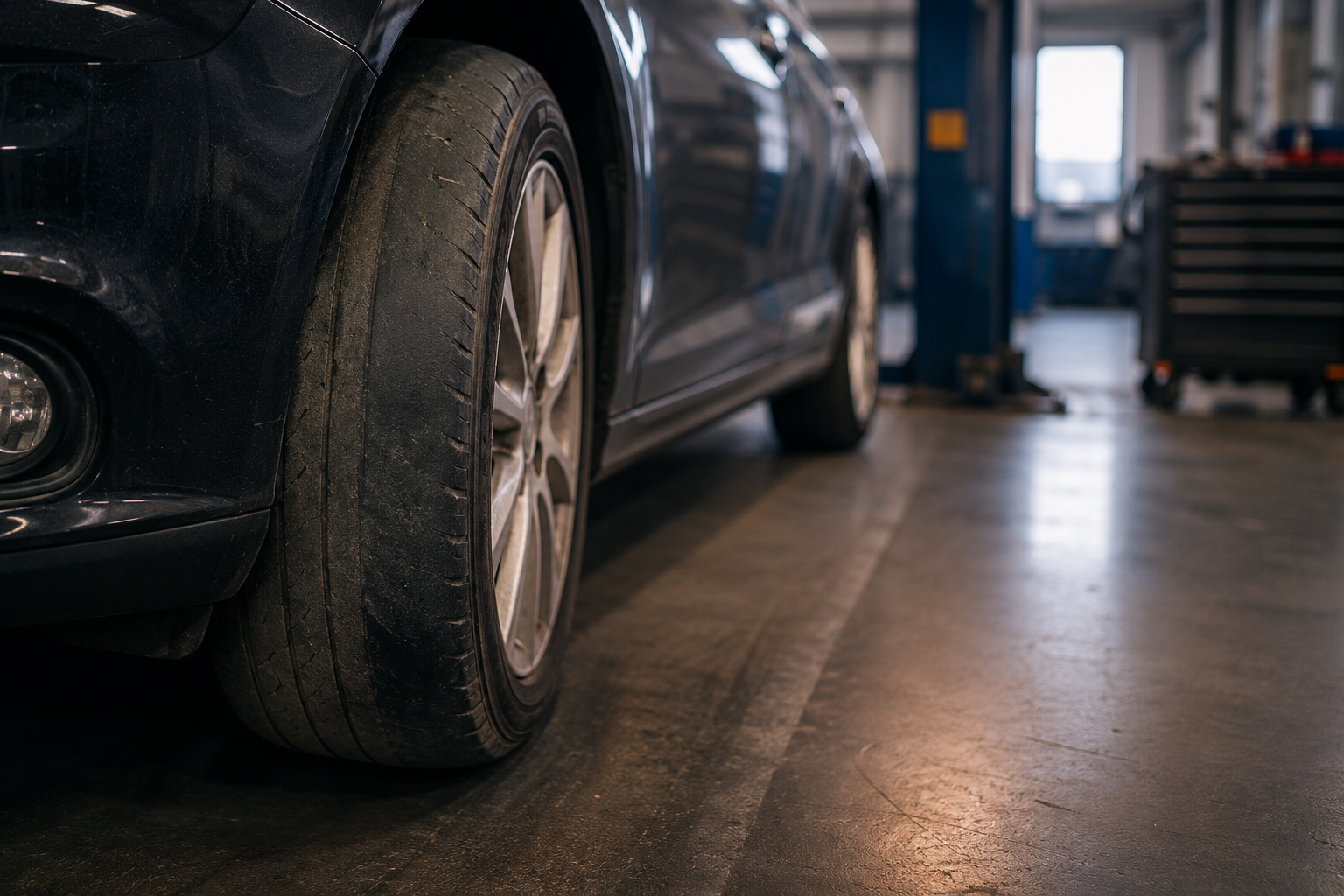
Tires and Suspension: How to Prevent Flat Spots Caused by Static Loads
Under the weight of the vehicle, the same section of each tire remains under load for many weeks. As a result, tire deformation may occur, which drivers sometimes notice during the first drive after storage.
To reduce the risk of such defects, it is recommended to:
- adjust tire pressure to the manufacturer’s recommended level;
- periodically move the vehicle if possible;
- avoid parking on uneven surfaces;
- use special supports designed for long-term storage.
If the vehicle remains stationary for a very long period, additional tire condition monitoring will help preserve tire life and prevent vibrations during future operation.
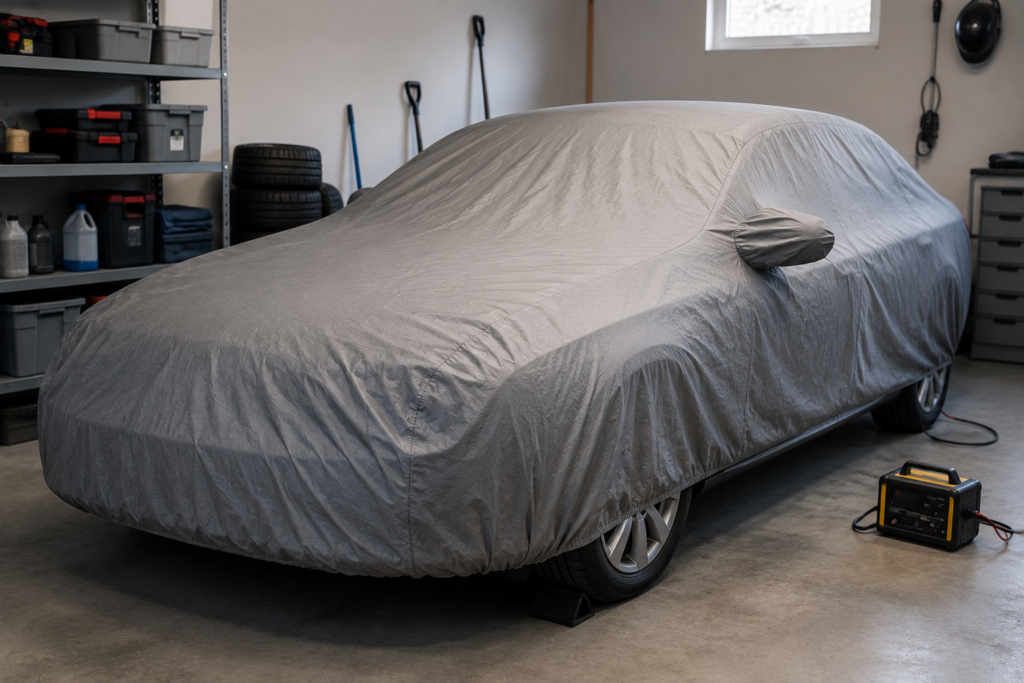
Protecting the Body and Interior: Washing, Covers, and Rubber Seal Protection
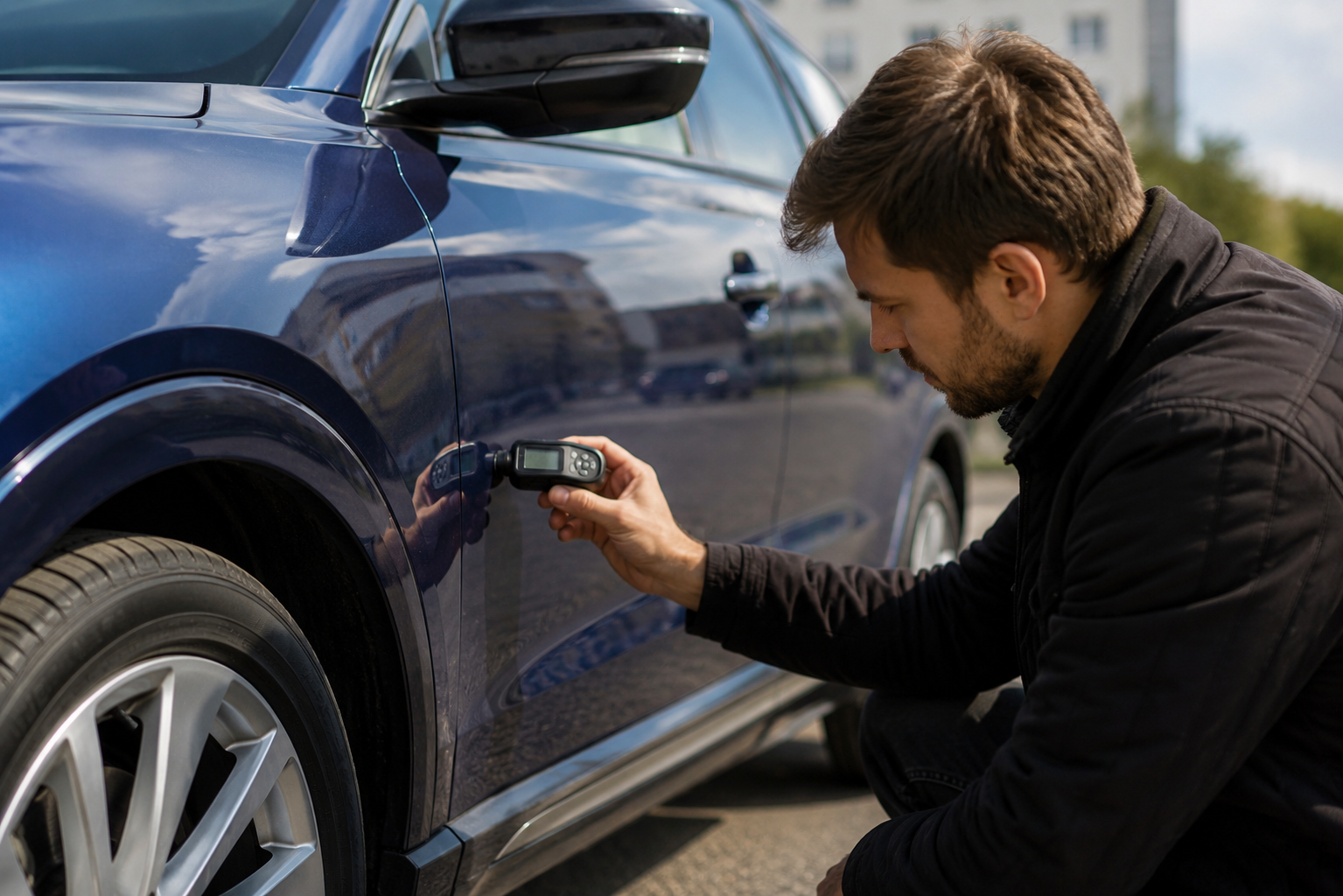
Before preparing a vehicle for long-term storage, it is advisable to pay attention to the body and interior. Dirt, road chemicals, and organic contaminants can accelerate corrosion development even when the vehicle is not being used.
Before preserving a vehicle for winter or for several months, it is recommended to:
- thoroughly wash the body;
- clean the wheel arches;
- dry the vehicle completely;
- remove trash from the interior;
- treat rubber seals with silicone lubricant.
Silicone lubricant helps protect seals from drying out, losing elasticity, and freezing during cold weather. If the vehicle is stored outdoors, only a high-quality breathable cover should be used to prevent moisture accumulation beneath the cover.
Proper preparation for long-term storage requires little time but helps prevent many problems in the future. A preserved battery charge, a properly functioning fuel system, the absence of corrosion, and undamaged tires make it much easier to return the vehicle to normal operation after an extended period of inactivity.
Top popular news
- Air Conditioner Losing Refrigerant Without Visible Damage: Causes and Solutions
- Why Wheel Alignment Goes Out After Adjustment: It Is Not Always the Alignment Rack
- Seized Brake Caliper: Symptoms, Causes, and Repair
- Changing the Oil in an AWD Differential: Why This Component Is Often Forgotten
- Check Engine Light Flashing: What the Signal Means and Why You Should Not Ignore It
- Preparing a car for a long trip: checklist before departure
- Oil leaking from the valve cover: causes of seepage and finding the source of the problem
- Automatic climate control does not maintain the set temperature: where to look for the cause

Subscribe to our newsletter!
To stay updated with the latest news


Book a service